Are you someone who loves biking but often wonders if riding without a helmet is against the law? You’re not alone.
Many riders ask themselves, “Is it illegal to bike without a helmet? ” This question isn’t just about following rules—it’s about your safety, your freedom, and what could happen if you don’t protect yourself. Keep reading to discover the facts you need to know before you hit the road without a helmet.
This could change the way you think about biking forever.
Helmet Laws By Region
Bicycle helmet laws vary widely across the world. Different places have their own rules about when and where to wear a helmet. Knowing these laws helps you stay safe and avoid fines.
This guide explains helmet laws by region. It covers countries with strict laws, states and cities with special rules, and areas without helmet requirements.
Countries With Mandatory Helmet Laws
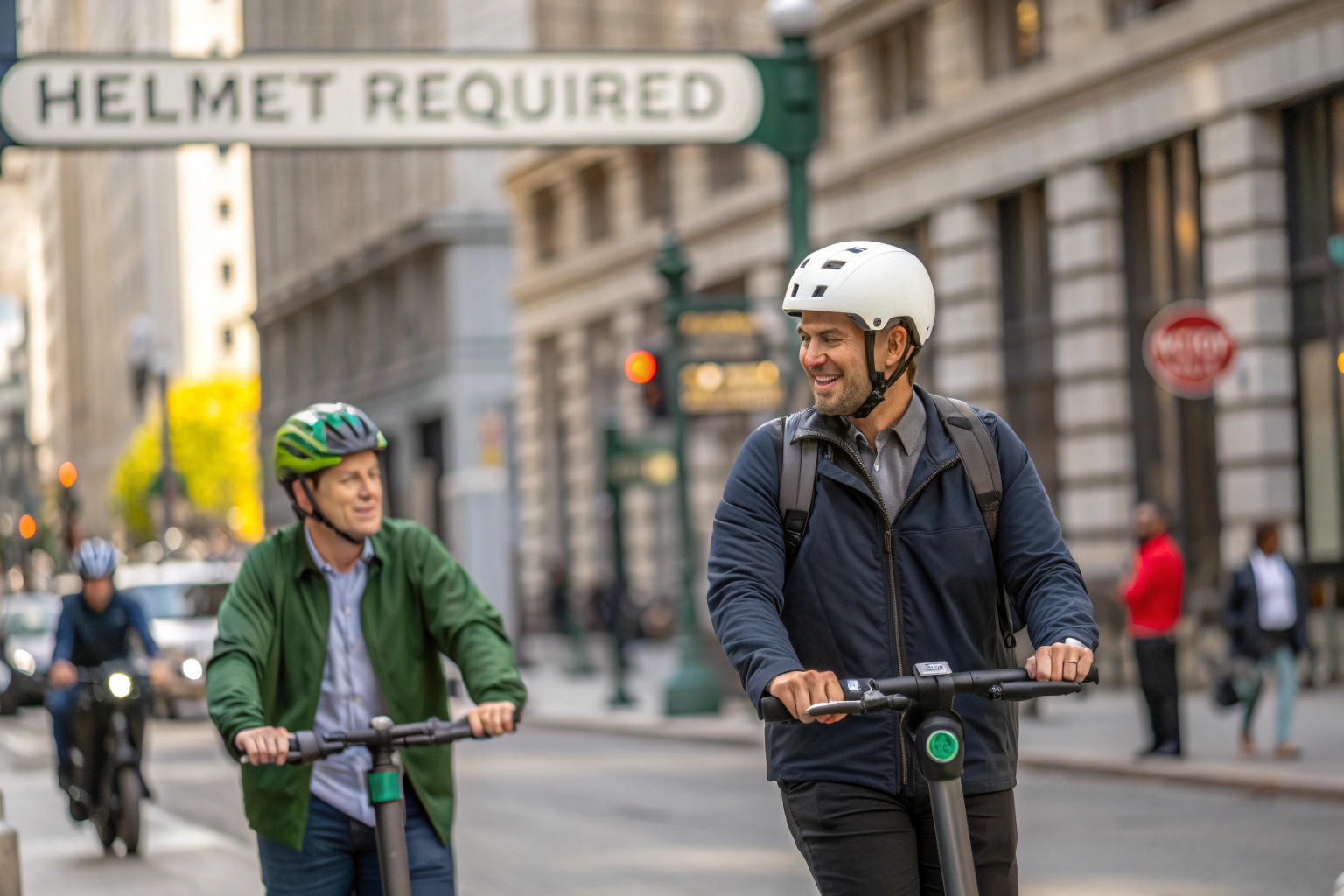
Many countries require all cyclists to wear helmets. These laws aim to reduce head injuries and save lives.
- Australia: Helmet use is mandatory nationwide for all ages.
- New Zealand: All cyclists must wear helmets by law.
- Spain: Helmets are required outside urban areas.
- Chile: Mandatory for all riders on public roads.
- Japan: Helmet use is compulsory for children under 13.
States And Cities With Specific Regulations
In some countries, helmet laws vary by state or city. Some places require helmets only for certain age groups or in specific locations.
| Location | Helmet Rule | Notes |
| California, USA | Under 18 must wear helmets | Adults not required by law |
| New York City, USA | Helmets required for riders under 14 | Helmet use encouraged for all ages |
| Germany | No general helmet law | Helmet use recommended but not required |
| Toronto, Canada | Helmet mandatory for riders under 18 | Fines apply for violations |
Areas Without Helmet Requirements
Some regions do not have laws requiring helmets. Cyclists can choose to wear one or not. Safety groups still recommend helmets for all riders.
Examples of areas without helmet laws include:
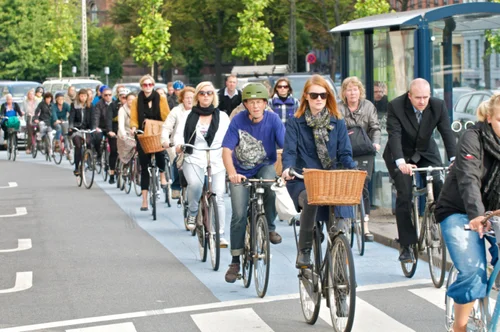
- Netherlands: Strong cycling culture with no helmet laws
- Denmark: No helmet requirement for any riders
- United Kingdom: No mandatory helmet laws in most areas
Credit: dynamicscooter.com
Safety Benefits Of Wearing Helmets
Wearing a helmet while biking helps protect your head from injuries. It acts as a shield during accidents.
Many people wonder if biking without a helmet is illegal. Beyond laws, helmets save lives by reducing harm.
Reducing Head Injury Risks
Helmets absorb impact and lower the chance of serious head injuries. They spread the force of a crash over a larger area.
- Protect the skull from fractures
- Reduce brain injuries
- Prevent cuts and bruises to the head
Statistics On Helmet Effectiveness
Research shows helmets greatly lower injury risks. Many studies confirm their positive impact on safety.
| Helmet Use | Head Injury Reduction |
| Helmet Worn | Up to 70% less risk |
| No Helmet | Higher chance of serious injury |
Real-life Accident Examples
Many bikers survived crashes because they wore helmets. These cases show helmets save lives in real accidents.
Example 1: A cyclist hit a car but had only minor injuries due to a helmet.
Example 2: Another rider fell from a bike and avoided a serious brain injury.
Legal Consequences Of Not Wearing A Helmet
Wearing a helmet while biking is important for safety. Many places have laws about helmets. Not wearing one can cause legal trouble.
This section explains what can happen if you bike without a helmet. Learn about fines, insurance, and special rules.
Fines And Penalties
If you bike without a helmet where it is required, you may get a fine. The amount depends on the place and law.
Some areas also add points to your driving record or other penalties for not wearing a helmet.
- Fines usually range from $25 to $200
- Repeat offenses may bring higher fines
- Some places may require safety classes
Impact On Insurance Claims
Not wearing a helmet can affect your insurance claims after a crash. Insurance companies may reduce payments.
Your claim might be denied if you break helmet laws. This means you could pay more for medical costs yourself.
- Helmet use shows you took safety precautions
- No helmet can be seen as negligence
- This may reduce or cancel insurance benefits
Exceptions And Age Restrictions
Helmet laws vary by age and location. Some places only require helmets for children or certain ages.
Adults may not have to wear helmets everywhere. Check local laws to know who must wear one.
- Children under 16 often must wear helmets
- Some states require helmets for all ages
- Exceptions may apply for medical reasons
Helmet Alternatives And Innovations
Many cyclists ask if helmets are the only option for safety. New ideas offer fresh ways to stay protected. These choices may work well for those who avoid traditional helmets.
This article explores smart helmets, other safety gear, and future trends. Each section shows how technology and design improve cycling safety.
Smart Helmets And Technology
Smart helmets add features like lights and sensors. They can alert others or call for help after a crash. Some models track your route and speed.
- Built-in LED lights for better visibility
- Crash detection with automatic emergency calls
- Bluetooth speakers for hands-free communication
- GPS tracking for route and safety monitoring
Non-helmet Safety Gear
Other gear helps protect cyclists without a helmet. These items focus on increasing visibility and reducing injury risks.
| Gear | Description | Benefits |
| Reflective Clothing | Bright and shiny fabrics | Improves visibility in low light |
| Knee and Elbow Pads | Foam or plastic protectors | Reduces injury in falls |
| Bike Lights | Front and rear LED lights | Makes cyclist visible to drivers |
| Airbag Jackets | Inflates on impact | Protects torso and neck areas |
Future Trends In Cycling Safety
New ideas aim to make cycling safer and more comfortable. Innovations focus on smart materials, better designs, and connected devices.
Future safety trends may include:
- Lightweight helmets with better shock absorption
- Clothing with built-in sensors to warn of dangers
- Connected apps that share cyclist location with drivers
- Smart roads that detect cyclists and alert traffic signals
Cultural Attitudes Toward Helmet Use
Cultural views on wearing bike helmets vary widely across countries and communities. Some places see helmets as a must for safety. Others think it limits freedom or looks uncool.
Understanding these attitudes helps explain why helmet laws and use differ so much. It also shows how people learn about bike safety.
Public Opinion And Awareness
Many people know helmets reduce head injuries. Still, opinions split on whether helmets should be worn all the time or only by children.
- Some believe helmets save lives and always wear one.
- Others find helmets uncomfortable or unnecessary for short rides.
- A few think helmet laws stop people from biking more often.
- Awareness campaigns have raised knowledge but not always changed habits.
Influence Of Advocacy Groups
Advocacy groups work hard to make helmets common and accepted. They use facts, stories, and events to change views.
| Group | Key Focus | Methods |
|---|---|---|
| Safe Ride Alliance | Helmet use for all ages | Workshops, school visits |
| Bike Safety Network | Helmet laws enforcement | Petitions, public talks |
| Freedom Cyclists | Choice in helmet use | Social media, rallies |
Helmet Use In Competitive Cycling
Competitive cyclists almost always wear helmets. It is part of the rules and safety culture in races.
- Helmets protect riders from serious injuries.
- Racing helmets are lightweight and well ventilated.
- Many competitions require helmets by rule.
- Some cyclists choose stylish helmets to show personality.

Credit: www.cataniaandcatania.com
Tips For Choosing The Right Helmet
Wearing a helmet while biking can protect your head from injuries. It is important to pick the right helmet for safety and comfort.
This guide will help you find a helmet that fits well, meets safety rules, and stays reliable over time.
Fit And Comfort
A helmet should fit snugly on your head without feeling too tight. It should sit level and cover your forehead.
Adjust the straps to keep the helmet secure but comfortable. Try wearing it for a few minutes to check for pressure points.
- Measure your head size before buying
- Look for helmets with adjustable straps
- Choose helmets with padding for extra comfort
Safety Certifications
Check for safety labels before buying a helmet. These show the helmet meets official protection standards.
Common certifications include CPSC, ASTM, and Snell. These tests ensure the helmet can protect your head in crashes.
- CPSC: Required for bike helmets in the USA
- ASTM: Covers impact and strap strength
- Snell: Known for strict safety tests
Maintenance And Replacement
Keep your helmet clean by wiping it with a damp cloth. Avoid using strong chemicals that can damage it.
Replace your helmet after a crash or if it shows cracks and dents. Helmets also need replacing every few years.
- Clean regularly to remove dirt and sweat
- Check for visible damage often
- Replace every 3 to 5 years or after impact

Credit: www.sacbee.com
Frequently Asked Questions
Is Biking Without A Helmet Illegal Everywhere?
Helmet laws vary by location and age. Some places mandate helmets for all, while others only for minors. Always check local regulations to stay compliant. Wearing a helmet is a smart safety choice, even where it’s not legally required. Safety should always be a priority when biking.
What Are The Risks Of Not Wearing A Helmet?
Not wearing a helmet increases the risk of head injuries. Helmets provide crucial protection in accidents. They can reduce the severity of injuries significantly. Choosing to wear a helmet is a simple step to enhance safety. It’s an essential gear for every cyclist.
Are Helmet Laws Enforced Strictly?
Enforcement of helmet laws varies by region. Some areas enforce them strictly, while others are more lenient. It’s wise to comply with local laws to avoid fines. Regardless of enforcement, wearing a helmet is a best practice for safety. Protecting yourself should always be a priority.
Do Helmets Really Prevent Serious Injuries?
Yes, helmets significantly reduce the risk of serious head injuries. They absorb impact and protect the skull. Studies show that helmets decrease the likelihood of fatal injuries. Wearing a helmet is a proactive safety measure. It’s an important step in ensuring a safer biking experience.
Conclusion
Biking without a helmet can be legal or illegal, depending on where you live. Some places require helmets by law. Others leave it up to the rider. Wearing a helmet helps protect your head in crashes. It can save your life or prevent serious injury.
Safety should always come first when you ride. Remember, the rules may change, so check local laws. Stay safe, stay aware, and enjoy your bike rides.