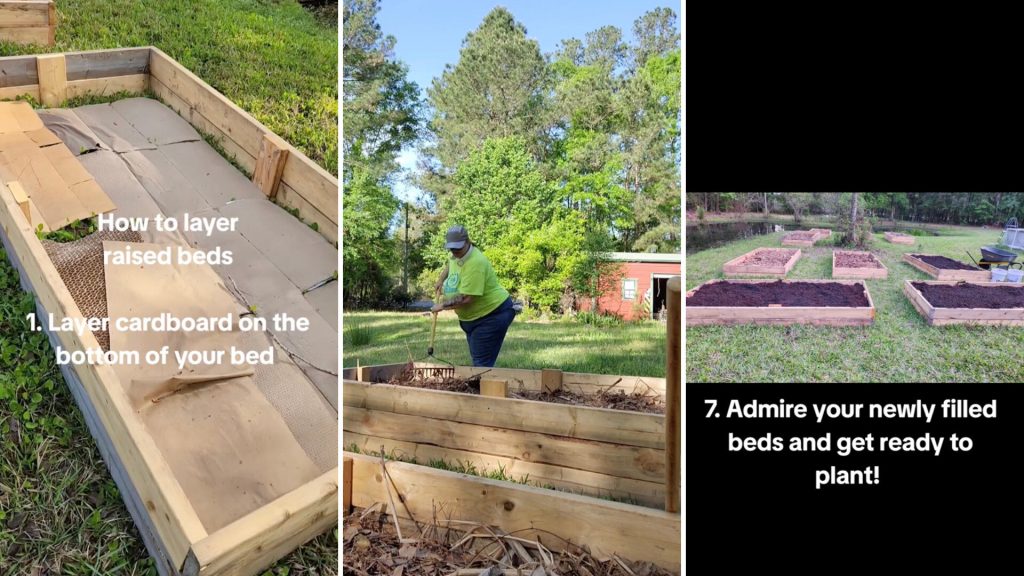
Are you ready to grow a thriving garden but unsure how to prepare your raised bed soil? How you layer your soil can make all the difference in the health and productivity of your plants.
By mastering the right way to layer soil in a raised garden bed, you’ll create the perfect environment for roots to grow strong and crops to flourish. Keep reading, and you’ll discover simple steps that anyone can follow to build nutrient-rich, well-draining soil.
Your garden will thank you!
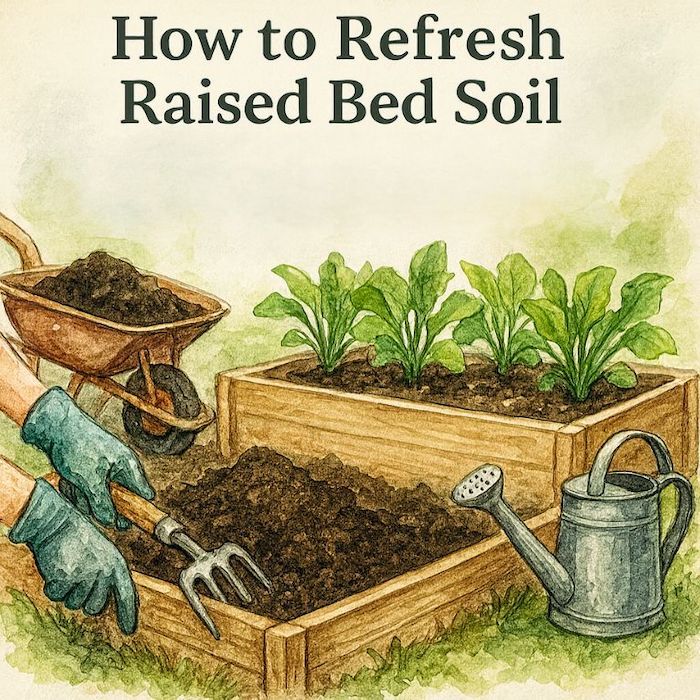
Credit: www.thecelticfarm.com
Benefits Of Layering Soil
Layering soil in a raised garden bed helps plants grow strong. It creates a better environment for roots and improves soil quality.
This technique uses different materials in layers. Each layer has a special role to support plant health and growth.
Improved Drainage And Aeration
Layering soil helps water drain well. It stops water from pooling around plant roots, which can cause rot.
Good aeration means air moves freely through the soil. Roots get the oxygen they need to grow healthy.
- Top layers hold moisture but drain excess water
- Lower layers prevent water from staying too long
- Air spaces in layers keep soil from becoming compact
Enhanced Nutrient Availability
Different soil layers offer varied nutrients. Plants can reach many nutrients by growing roots deeper.
Organic matter in layers breaks down slowly. This gives plants a steady supply of food.
- Top compost layer adds rich nutrients
- Middle layers supply minerals and organic matter
- Bottom layers support beneficial soil life
Better Root Development
Layered soil creates soft and loose soil. This makes it easier for roots to spread and grow deep.
Strong roots help plants get more water and nutrients. This leads to healthier and bigger plants.
- Roots grow down through lighter layers
- Roots avoid hard, compacted soil
- Good root systems support plant stability
Materials Needed For Soil Layers
Layering soil in a raised garden bed helps plants grow strong. Using the right materials makes soil healthy and rich.
This guide covers what you need for soil layers. It explains organic matter, base fillers, and tools for layering.
Organic Matter Choices
Organic matter adds nutrients and improves soil texture. It helps water hold better and feeds plant roots.
Good choices include compost, shredded leaves, and grass clippings. These materials break down and enrich the soil.
- Compost: rich in nutrients and easy to find
- Shredded leaves: improve soil aeration
- Grass clippings: add nitrogen but avoid chemicals
- Peat moss: holds moisture well
- Manure: aged manure adds nutrients but use carefully
Base Fillers And Amendments
Base fillers provide bulk and help with drainage. They keep the soil loose and prevent compaction.
Use coarse materials like straw or small wood chips. Amendments like vermiculite or perlite help hold air and moisture.
- Straw: light and helps drainage
- Small wood chips: add air space in soil
- Vermiculite: holds moisture and nutrients
- Perlite: improves soil aeration
- Sand: adds weight and improves drainage
Tools For Layering
Using the right tools makes layering easier and more precise. It helps spread materials evenly in the bed.
Common tools include shovels, rakes, and gardening gloves. A wheelbarrow helps move heavy materials.
- Shovel: for digging and moving soil
- Garden rake: for leveling layers
- Wheelbarrow: to carry soil and compost
- Garden gloves: protect hands while working
- Garden fork: to loosen compact soil
Preparing The Raised Bed
Setting up a raised garden bed starts with good preparation. This helps plants grow strong and healthy.
First, clear out old plants and debris. Then check the bed’s depth. Lastly, use a liner to stop weeds.
Clearing And Cleaning The Bed
Remove all dead plants, roots, and weeds from the bed. Clear any stones or trash. This keeps the soil fresh and ready for new growth.
- Pull out old plants and roots
- Rake away leaves and debris
- Pick out stones and trash
- Check for pests or diseases
Assessing Bed Depth
Know your raised bed’s depth to plan soil layers well. Most vegetables need at least 12 inches of soil to grow roots deeply.
| Plant Type | Recommended Soil Depth |
| Leafy Greens | 8-12 inches |
| Root Vegetables | 12-18 inches |
| Tomatoes and Peppers | 12-24 inches |
Lining Options To Prevent Weeds
Add a liner at the bottom of the bed to stop weeds from growing up. Choose materials that let water drain but block weed roots.
Common lining options include:
- Landscape fabric – allows water flow and blocks weeds
- Cardboard – biodegradable and easy to use
- Newspaper layers – cheap and compostable
- Plastic sheeting – blocks weeds but may trap water

Credit: www.epicgardening.com
Step-by-step Soil Layering Process
Layering soil in a raised garden bed helps plants grow strong roots. Each layer plays a role in drainage, nutrients, and moisture.
Follow these steps to build healthy soil layers for your garden bed.
First Layer: Coarse Materials
Start with a base of coarse materials. This layer improves drainage and prevents waterlogging.
- Use small branches, twigs, or straw
- Spread them evenly across the bottom
- Make this layer about 3 to 4 inches thick
Second Layer: Organic Waste
Add organic waste next. This layer breaks down and feeds plants over time.
- Include kitchen scraps like vegetable peels
- Add grass clippings and shredded leaves
- Avoid meat, dairy, or oily foods
Third Layer: Topsoil Mix
Next, add a layer of topsoil mix. This provides a place for roots to grow.
| Component | Amount |
| Garden soil | 50% |
| Compost | 30% |
| Sand or perlite | 20% |
Mix these components well before spreading in the garden bed.
Final Layer: Compost And Mulch
Finish with a top layer of compost and mulch. This keeps soil moist and adds nutrients.
- Spread 2 to 3 inches of finished compost
- Add 1 to 2 inches of mulch like straw or wood chips
- Replace mulch yearly to keep soil healthy
Maintaining Soil Layers Over Time
Layering soil in a raised garden bed helps plants grow strong. Keeping these layers healthy is important.
Good soil layers improve water, air, and nutrient flow. You must care for them over time.
Replenishing Nutrients
Plants use nutrients from soil as they grow. Adding nutrients back keeps soil rich and healthy.
Use compost or natural fertilizers to feed the soil. Add them gently to avoid mixing layers too much.
- Add compost every spring and fall
- Use organic fertilizers like bone meal or seaweed extract
- Top dress soil with mulch to keep nutrients
Preventing Soil Compaction
Soil compaction stops air and water from reaching roots. Avoid walking on soil in your raised bed.
Use tools carefully and add organic matter to keep soil loose. This helps maintain clear layers.
- Use mulch to protect soil surface
- Add leaves or straw to improve soil texture
- Turn soil lightly if needed, but not too deep
Monitoring Moisture Levels
Soil layers must hold the right amount of water. Too much or too little water harms plants.
Check soil moisture by feeling it. Water when the top layer feels dry but not dusty.
- Water deeply but less often
- Use mulch to keep soil moist longer
- Avoid water pooling on the surface
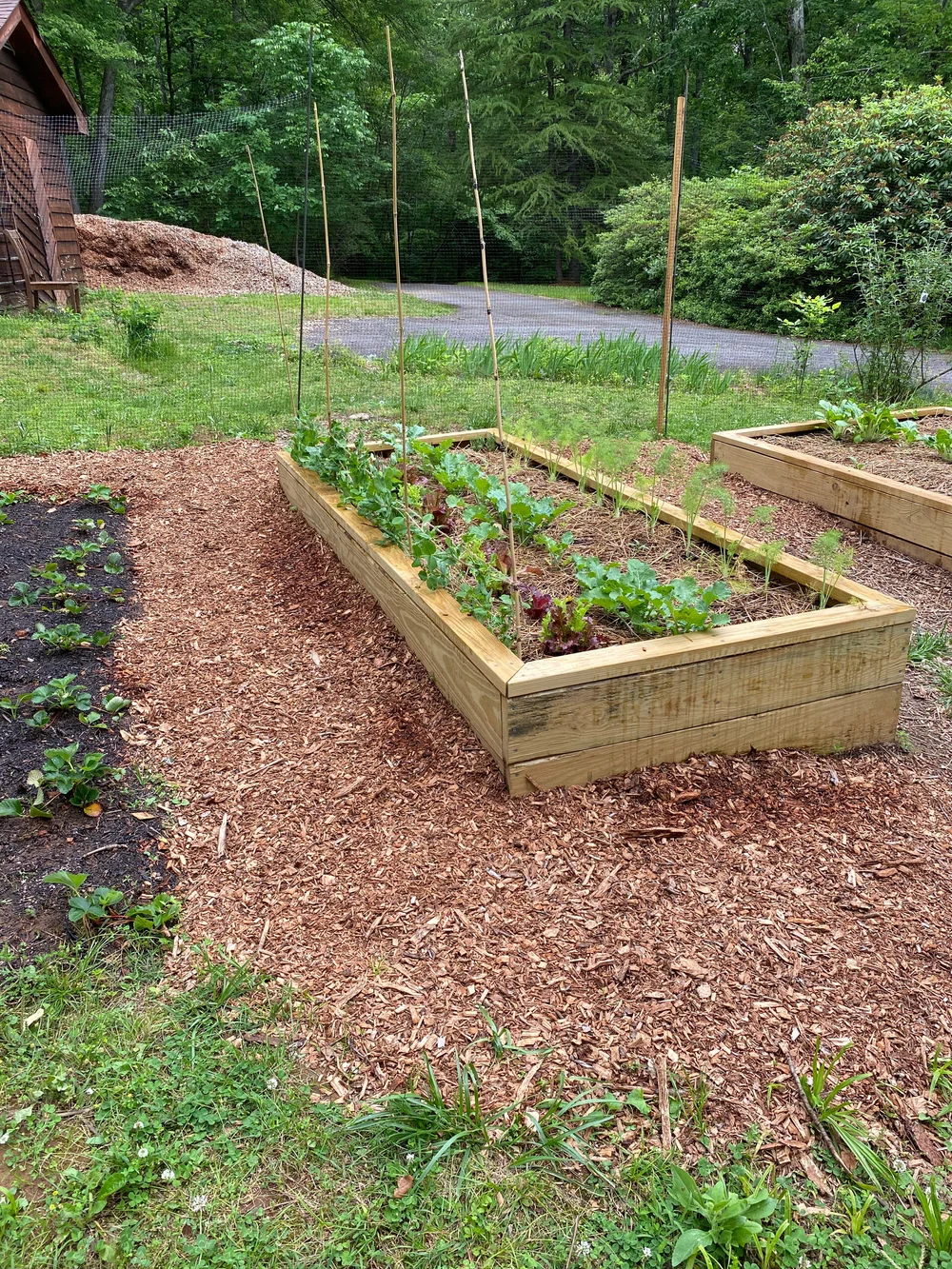
Credit: www.thunderbirddisco.com
Common Mistakes To Avoid
Layering soil in a raised garden bed takes some care. Avoiding common mistakes helps your plants grow strong.
Wrong soil layers can cause poor drainage and weak plants. Learn what to watch out for.
Overloading With Heavy Soil
Putting too much heavy soil, like clay or dense dirt, can crush plant roots. It also makes the bed hard to work with.
Use lighter soil types on top. This helps roots grow better and keeps your bed healthy.
Ignoring Drainage Needs
Soil that holds too much water can drown roots. It also causes mold and pests.
Make sure to add materials that help water drain well. Without good drainage, plants will suffer.
- Use coarse sand or small gravel at the bottom
- Add organic matter like leaves or straw
- Avoid compacting soil too much
Skipping Compost Layers
Compost adds nutrients and helps soil stay loose. Skipping it makes soil poor for plants.
Add compost in layers for healthy soil. It feeds plants and improves soil texture over time.
Tips For Different Plant Types
Layering soil in a raised garden bed helps plants grow strong. Different plants need different soil layers for the best results.
Understanding how to layer soil for each plant type can improve water drainage and nutrient delivery.
Vegetables And Herbs
Vegetables and herbs like soil that drains well but keeps some moisture. Use layers that balance air and water.
Start with coarse materials at the bottom to improve drainage. Add compost-rich soil on top for nutrients.
- Bottom layer: small branches or straw for drainage
- Middle layer: compost or aged manure for nutrients
- Top layer: fine soil mixed with compost for planting
Flowers And Ornamentals
Flowers and ornamental plants need soil that holds moisture well. They also benefit from loose soil to grow roots easily.
Use organic matter to keep the soil light and fertile. Avoid heavy clay layers that block root growth.
- Bottom layer: coarse material like wood chips
- Middle layer: peat moss or coconut coir for moisture
- Top layer: rich garden soil mixed with compost
Root Crops
Root crops need deep, loose soil to grow straight and large roots. Hard soil can stop root growth or cause deformities.
Use soft materials in the top layers and avoid compacted soil. This helps roots push down easily.
- Bottom layer: coarse material for drainage
- Middle layer: well-aged compost for nutrients
- Top layer: loose sandy soil or fine compost for root growth
Frequently Asked Questions
What Are The Layers In A Raised Garden Bed?
A raised garden bed should have distinct layers: a base of cardboard or newspaper, followed by organic materials like straw or leaves, then compost, and finally, quality topsoil. This layering mimics natural soil processes, helps with drainage, and provides essential nutrients to plants for healthy growth.
How Thick Should Each Soil Layer Be?
Each layer in a raised garden bed should be between 4 to 6 inches thick. This thickness ensures proper drainage and nutrient distribution. The topsoil layer should be the thickest to allow for root growth. Adjust based on bed depth and plant needs to optimize growth conditions.
Why Use Cardboard At The Bottom?
Cardboard acts as a biodegradable weed barrier at the bottom of a raised bed. It suppresses existing weeds and grass, preventing them from growing into the bed. Over time, it decomposes, enriching the soil and allowing earthworms to move freely, which improves soil aeration and fertility.
Can I Use Regular Soil In Raised Beds?
Regular garden soil is not ideal for raised beds due to poor drainage. Instead, use a mix of topsoil, compost, and organic matter. This combination provides better aeration, drainage, and nutrients. It ensures optimal plant growth and reduces the risk of waterlogging and root rot.
Conclusion
Layering soil in a raised garden bed helps plants grow strong and healthy. Start with coarse materials at the bottom for good drainage. Add compost and rich soil on top to feed your plants. Water each layer well to keep soil moist.
This method improves soil structure and allows roots to grow easily. Try layering soil for better garden results next season. Your plants will thank you with bigger, greener leaves and more flowers or vegetables. Gardening becomes easier and more rewarding this way.
Give it a go and enjoy your beautiful garden!