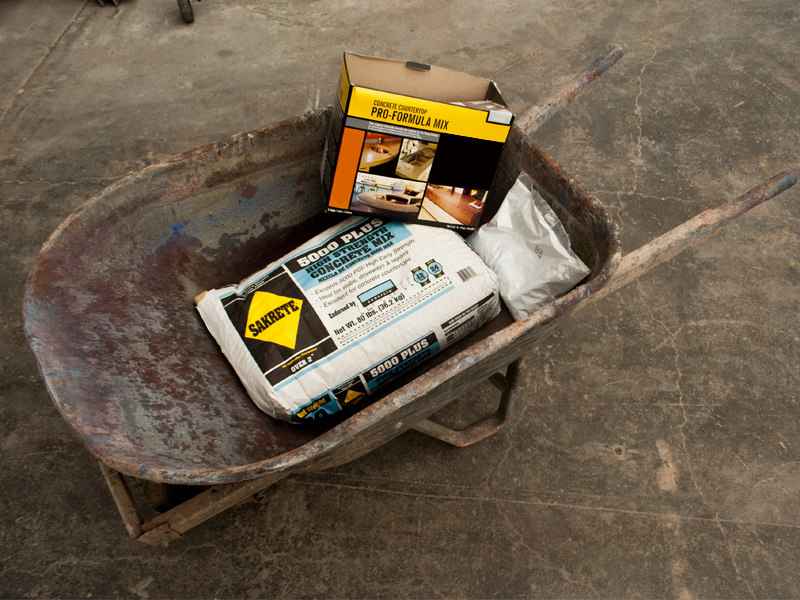
Mixing cement in a wheelbarrow might seem simple, but getting it just right can save you time, effort, and money. If you want strong, durable concrete for your project, you need to know the exact steps to mix it properly.
This guide will walk you through each part of the process, helping you avoid common mistakes that could ruin your work. By the end, you’ll feel confident handling cement like a pro, no matter what you’re building. Ready to get your hands dirty and create something that lasts?
Let’s dive in.

Credit: www.jlconline.com
Materials And Tools Needed
Mixing cement in a wheelbarrow is a simple task with the right materials and tools. Knowing what to use helps you make strong concrete.
This guide covers the types of cement, sand and gravel choices, water quality, and essential tools.
Cement Types
Choose the right cement type for your project. Ordinary Portland cement is common and works for most uses. Rapid-setting cement works faster for small jobs. White cement is for decorative work.
Sand And Gravel Selection
- Use clean, sharp sand with no clay or dirt.
- Gravel should be coarse and free of dust.
- Choose gravel size that fits the project size.
- Avoid using saltwater or muddy sand.
Water Quality
Good water makes strong cement. Use clean, fresh water without chemicals or dirt. Avoid salty or dirty water. Tap water is usually fine for mixing cement.
Essential Tools
| Tool | Purpose |
| Wheelbarrow | Mix materials and carry cement |
| Shovel | Mix and turn cement |
| Bucket | Measure and add water |
| Trowel | Spread and smooth cement |
| Gloves | Protect hands during mixing |
Credit: www.bathurstreadymix.ca
Preparing The Wheelbarrow
Mixing cement in a wheelbarrow needs a clean and steady base. Preparing the wheelbarrow well makes mixing easier and safer.
Start by checking the wheelbarrow’s condition. Fix any damage before adding materials.
Cleaning The Wheelbarrow
Always clean the wheelbarrow before mixing cement. Old cement or dirt can cause lumps and weaken the mix.
Use a stiff brush and water to scrub the inside. Remove all dust and debris. Let it dry if possible before use.
Choosing The Right Location
Place the wheelbarrow on flat, stable ground. This keeps it steady while mixing cement.
Pick a spot near your work area. This reduces the need to carry heavy cement over long distances.
- Avoid uneven or sloped surfaces
- Stay away from wet or muddy spots
- Choose a shaded area to keep cement cool
Measuring Ingredients
Mixing cement in a wheelbarrow needs the right ingredient amounts. Measuring well helps make strong concrete.
You will measure cement, sand, gravel, and water. Each part affects the mix’s strength and workability.
Cement To Sand Ratio
The cement to sand ratio is key for good concrete. It controls the mix’s hardness and durability.
A common ratio is one part cement to two or three parts sand. More cement makes the mix stronger but costlier.
- 1:2 ratio gives strong concrete
- 1:3 ratio is good for general use
- Use a clean, dry sand for best results
Adding Gravel
Gravel adds strength and bulk to the mix. It helps concrete resist cracks.
Use about twice the amount of gravel compared to cement. Make sure gravel is clean and free of dust.
- Gravel size should be about 10 to 20 mm
- Too much gravel weakens the mix
- Keep gravel dry to mix well
Water Amount Guidelines
Water makes the mix workable. Too little water makes dry concrete. Too much water weakens it.
Use about half the amount of cement by weight in water. Adjust to get a smooth, workable mix.
- Start with less water and add more if needed
- Mix should be wet but not runny
- Use clean water for best results
Mixing Process
Mixing cement in a wheelbarrow is simple if you follow the right steps. This process ensures strong and durable concrete.
Use the right amount of materials and mix them well. This guide covers the key parts of the mixing process.
Dry Mixing Cement And Sand
Start by mixing cement and sand without water. This helps spread the cement evenly through the sand.
Mix until the color is uniform. This dry mix forms the base for your concrete.
Adding Gravel
Next, add gravel to the dry cement and sand mix. Gravel adds strength to the concrete.
- Use clean, dry gravel
- Add gravel slowly while mixing
- Mix until gravel is spread evenly
Gradually Adding Water
Add water slowly to avoid making the mix too wet. Water activates the cement and binds the materials.
- Pour a small amount of water into the mix
- Use a shovel to mix thoroughly
- Check the texture after each addition
- Repeat until the right consistency is reached
Achieving Consistent Texture
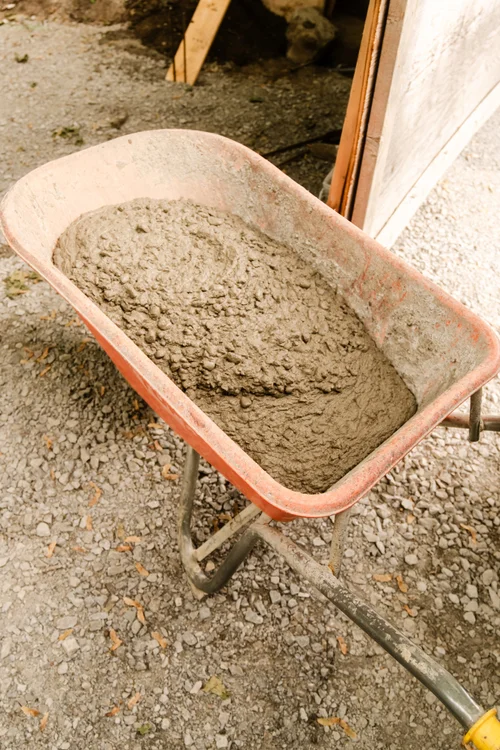
The final mix should be smooth but not too runny. A consistent texture makes concrete easier to work with.
| Texture | Characteristics | Use |
| Dry | Clumps, hard to move | Not good for pouring |
| Ideal | Smooth, holds shape, slightly wet | Best for most projects |
| Wet | Runny, loses shape | Weak and slow to set |
Tips For Efficient Mixing
Mixing cement in a wheelbarrow is easy if you follow some simple tips. Good mixing saves time and gives strong concrete.
Use the right tools and steps for smooth mixing. This guide helps you work smarter and faster.
Avoiding Clumps
Clumps make cement weak and uneven. Break clumps early by adding water slowly while mixing dry cement and sand first.
Stir the mix well with a hoe or shovel. Check for dry spots and keep mixing until smooth.
- Add water little by little
- Mix dry materials before water
- Use a strong tool for stirring
- Scrape sides of wheelbarrow to mix all
Maintaining Proper Consistency
Good cement is not too dry or wet. It should hold shape but be easy to work with.
Add water slowly and watch the mix. Stop when it looks like thick mud that sticks to your tools.
- Test mix by squeezing some in your hand
- Adjust water if it crumbles or runs off
- Keep mixing to combine water and dry mix well
Handling Hot Or Cold Weather
Weather changes how cement dries. Hot weather dries it fast, cold weather slows it down.
In hot weather, mix smaller amounts and work quickly. Keep water cool if you can.
In cold weather, use warm water and cover the mix to keep it warm. Do not add ice or frozen water.
- Hot weather: mix less, work faster
- Cold weather: warm water, cover mix
- Avoid extreme temperature changes during mixing

Credit: www.excalibur-generator.com
Safety Precautions
Mixing cement in a wheelbarrow can be dangerous without proper care. Safety is very important to avoid accidents.
Follow safety rules to protect yourself from injuries and health problems during mixing.
Protective Gear
Wear the right protective gear before you start mixing cement. This gear protects your skin, eyes, and lungs.
Always use gloves, goggles, and a mask to stay safe from dust and wet cement.
- Gloves protect your hands from chemicals and rough cement.
- Goggles keep cement and dust out of your eyes.
- A dust mask stops you from breathing in harmful cement dust.
- Wear long sleeves and pants to protect your skin.
- Use sturdy boots to protect your feet from spills.
Safe Handling Of Materials
Handle cement and other materials carefully. This prevents spills and injuries while mixing.
Lift bags correctly and keep your workspace clean to avoid accidents.
- Lift cement bags with your legs, not your back.
- Keep the wheelbarrow steady to avoid tipping over.
- Do not mix cement near children or pets.
- Store materials in a dry place to prevent clumps.
- Clean tools and wheelbarrow after use to keep them safe.
Cleaning Up After Mixing
Cleaning your tools and work area after mixing cement is very important. It helps keep your equipment in good shape and makes the next job easier.
Take time to remove all cement residue and store leftover materials safely. This will save you time and money on future projects.
Removing Residue
Once you finish mixing, clean the wheelbarrow and tools right away. Cement hardens quickly and is hard to remove later. Use water and a stiff brush to scrub off all cement bits.
- Pour water into the wheelbarrow to soften the cement.
- Scrub the inside and outside with a stiff brush.
- Rinse the tools and wheelbarrow thoroughly with clean water.
- Repeat if you see any dried cement spots.
- Dry tools to avoid rust.
Storing Leftover Materials
Store leftover cement, sand, and gravel properly to keep them usable. Cover them well and keep them dry to stop moisture from ruining the materials.
| Material | Storage Tips |
| Cement | Keep in a sealed, waterproof container away from moisture |
| Sand | Cover with plastic sheet and store in a dry place |
| Gravel | Store in a covered pile to prevent dirt and water mixing |
Frequently Asked Questions
How Do You Prepare A Wheelbarrow For Mixing Cement?
Clean the wheelbarrow thoroughly before use. Place it on level ground to ensure stability. Gather all materials nearby for easy access.
What Is The Ideal Cement To Sand Ratio?
Use a 1:3 cement to sand ratio for strong concrete. This mix offers durability for most construction tasks.
How Much Water Should Be Added When Mixing Cement?
Add water gradually until the mix is workable. Aim for a consistency similar to thick oatmeal, not too dry or runny.
How Long Should You Mix Cement In A Wheelbarrow?
Mix cement for 3 to 5 minutes. Ensure all materials are fully blended for a consistent mixture.
Conclusion
Mixing cement in a wheelbarrow can be simple and effective. Follow the steps carefully to ensure a smooth mix. Always have your tools ready before you start. Add water slowly and mix thoroughly for best results. Remember to wear safety gear to protect yourself.
Clean your tools immediately after use to prolong their life. Practice makes perfect, so don’t worry if it’s not perfect the first time. Keep these tips in mind, and you’ll improve with each attempt. Happy mixing!