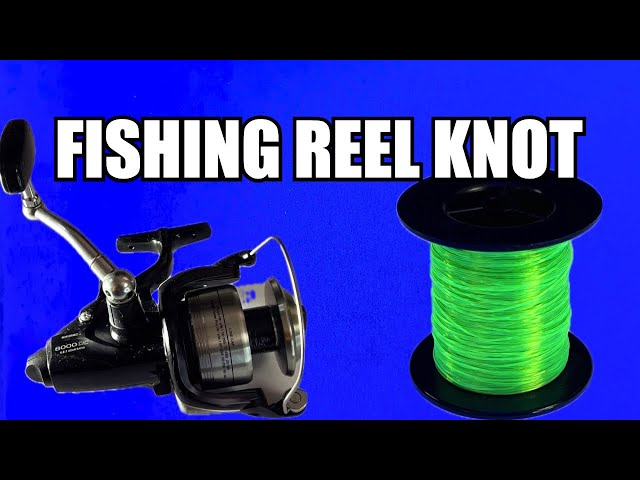
Are you ready to get your fishing gear set up perfectly? Knowing how to load fishing line on a spinning reel is a simple skill that can make a big difference in your fishing experience.
If your line is tangled, loose, or not properly loaded, it can ruin your cast and cost you a great catch. In this guide, you’ll learn step-by-step how to load your line quickly and correctly, so you can spend less time fixing gear and more time enjoying the water.
Keep reading, and soon you’ll handle your spinning reel like a pro.

Credit: windrider.com
Choosing The Right Line
Choosing the right fishing line is important for a good fishing experience. The line you pick affects how you cast and catch fish.
Knowing the types, strength, and fit for your reel helps you pick the best line. This guide will help you make the right choice.
Types Of Fishing Line
There are three main types of fishing line: monofilament, fluorocarbon, and braided. Each type has different features and uses.
- Monofilament:Soft and stretchable, good for beginners.
- Fluorocarbon:Less visible underwater and sinks faster.
- Braided:Very strong and thin, with no stretch.
Line Strength And Test
Line strength is called “test” and shows how much weight the line can hold. Choose a test strength based on the fish you want to catch.
Stronger lines hold more weight but are thicker. Thinner lines cast farther but may break easier.
- Light test (2-6 lbs) is good for small fish.
- Medium test (8-15 lbs) fits most fishing needs.
- Heavy test (20+ lbs) is for big fish and tough conditions.
Matching Line To Reel
Your reel has limits for line size and strength. Check the reel’s label or manual for the best line match.
Use a line that fits the reel spool to avoid problems like tangles and poor casting. Balance line strength with reel capacity.
- Light reels need light lines for smooth casting.
- Medium reels handle medium lines well.
- Heavy reels can hold strong, thick lines.

Credit: www.youtube.com
Preparing The Spinning Reel
Loading fishing line on a spinning reel starts with good preparation. This helps the line load evenly and lasts longer.
Properly setting up your spinning reel makes fishing easier. Follow these steps to prepare your reel well.
Removing Old Line
First, remove any old fishing line from the spool. Old line can be weak or tangled and cause problems.
Cut the old line near the spool and pull it off completely. Dispose of it properly to keep your gear clean.
Inspecting The Reel
Check your spinning reel for any damage or dirt. Look at the spool, bail arm, and handle carefully.
Clean the reel if needed and fix any parts that do not work smoothly. A clean reel helps the line spool better.
Setting Up The Reel For Spooling
Attach the reel firmly to the fishing rod. This holds the reel steady while you load the line.
Open the bail arm to allow the line to spool properly. Tie the line to the spool with a strong knot.
- Hold the line tight to avoid loose loops
- Keep the spool level and steady during spooling
- Close the bail arm after a few wraps to start loading the line
Attaching The Line
Attaching the fishing line to your spinning reel is the first step to setting up. It ensures the line stays secure while you fish.
Proper attachment prevents line slippage and makes casting easier. Let’s look at how to tie the arbor knot and secure the line to the spool.
Tying The Arbor Knot
The arbor knot is a simple and strong way to tie the fishing line to the reel spool. It works well with most lines.
Start by wrapping the line around the spool. Tie a simple overhand knot around the main line. Then tie another overhand knot in the tag end.
- Wrap line around spool
- Tie overhand knot around main line
- Tie overhand knot in tag end
- Pull knots tight and trim excess
Securing The Line To The Spool
After tying the arbor knot, pull it tight to secure the line on the spool. Make sure the knot sits flat against the spool.
Keep tension on the line as you wind it onto the reel. This prevents loose loops and keeps the line neat and ready for casting.
- Pull arbor knot tight
- Ensure knot is flat on spool
- Hold line with tension
- Wind line evenly on spool
Spooling The Line
Loading fishing line on a spinning reel is an important task for good fishing. Proper spooling helps the line flow smoothly and prevents tangles.
Spooling your reel carefully ensures better casting and fewer problems while fishing. Focus on keeping the line tight and even on the spool.
Maintaining Line Tension
Keeping the line tight while spooling stops it from twisting and tangling. Hold the line firmly but not too hard.
Use your fingers or a cloth to add steady tension as the line goes onto the spool. This helps the line wrap evenly.
- Keep firm pressure on the line
- Do not let the line go loose
- Check tension often during spooling
Filling The Spool Correctly
Fill the spool with line until it is almost full but not overfilled. Leave a small gap at the edge.
A properly filled spool helps casting distance and prevents line from slipping off the spool during use.
- Stop filling when line is 1/8 inch from spool edge
- Do not overfill to avoid tangles
- Underfilling can reduce casting performance
Avoiding Line Twist
Line twist causes knots and tangles that slow down fishing. It happens when the line spins too much while spooling.
Make sure the line comes off the spool in the same direction it goes onto your reel spool. This prevents twists.
- Use a line spooler or have someone hold the line spool
- Keep the line spool flat and rotate it correctly
- Check for twists by pulling line straight after spooling
Finishing Touches
After loading the fishing line on your spinning reel, some final steps ensure the setup works well. These finishing touches help protect your gear and improve your fishing experience.
Focus on trimming the excess line, checking the reel’s smooth operation, and storing it properly. Each step plays an important role in keeping your reel ready for action.
Trimming Excess Line
Cutting the extra fishing line prevents tangles and snags. Leave about 1/8 inch of line beyond the reel spool to avoid slippage.
- Use sharp scissors or a line cutter for a clean cut.
- Trim slowly to avoid cutting too close to the spool.
- Check the end for frays and smooth it if needed.
Checking For Smooth Operation
Test the reel to ensure it spins without resistance. A smooth reel helps when casting and retrieving your line.
| Action | What to Check | Fix if Needed |
| Turn the handle | Should spin smoothly without noise | Lubricate or clean the reel |
| Engage the bail | Bail should snap back easily | Check bail spring for damage |
| Pull line gently | Line should feed out smoothly | Adjust drag or spool tension |
Storing The Reel Properly
Proper storage keeps your reel safe and ready for the next trip. Avoid places with moisture or extreme temperatures.
- Loosen the drag to reduce pressure on internal parts.
- Store the reel in a dry, cool place.
- Use a reel cover or case to prevent dust and damage.
- Keep the reel upright to avoid bending the line.
Common Mistakes To Avoid
Loading fishing line on a spinning reel looks simple but can cause problems. Avoiding common errors helps your fishing experience.
These mistakes can cause line tangles, damage, or loss of fish. Learn what to watch out for.
Overfilling The Spool
Putting too much line on the spool causes tangles and line breaks. It also makes casting harder.
Leave about 1/8 inch of space from the spool edge. This space prevents line from spilling over.
- Overfilling leads to bird’s nests
- Too little line reduces casting distance
- Keep line level and neat on the spool
Using Incorrect Line Type
Not all lines fit all reels or fishing styles. Using the wrong line can cause poor performance.
Match your line type to the reel and fish you want to catch. Check line strength and diameter too.
- Nylon monofilament works for beginners
- Fluorocarbon is less visible underwater
- Braid offers high strength and sensitivity
Ignoring Line Twist Issues
Line twist causes tangles and weak spots. It happens when the line spins during casting or retrieval.
Use a swivel or spool line carefully to reduce twist. Check your line often for kinks and fix them.
- Twist causes knots and breakage
- Keep line tight while spooling
- Let the line hang loose to untwist if needed

Credit: www.youtube.com
Frequently Asked Questions
How Do You Spool A Spinning Reel Correctly?
To spool a spinning reel correctly, first attach the line to the reel spool. Then, fill the spool with line, keeping tension on it. Make sure the line is evenly distributed across the spool. This prevents tangles and ensures smooth casting.
What Type Of Fishing Line Should I Use?
Choose a fishing line based on your target species and fishing conditions. Monofilament is versatile and affordable, while braided line offers strength and sensitivity. Fluorocarbon is nearly invisible underwater and great for clear water. Consider your fishing environment for the best results.
How Much Line Should I Put On A Reel?
Fill your spinning reel to about 1/8 inch from the spool’s edge. This prevents overloading, which can cause tangles and casting issues. Ensure you have enough line for long casts and to handle fighting fish. Proper line capacity ensures optimal reel performance.
Why Is My Fishing Line Twisting?
Line twisting can occur if the line is overfilled or improperly spooled. Ensure the line is loaded with tension and evenly distributed. Avoid reeling against drag or letting the line twist during retrieval. Proper spooling prevents line twisting and enhances fishing efficiency.
Conclusion
Loading fishing line on a spinning reel is simple with the right steps. Take your time and follow each part carefully. A well-loaded reel helps you fish better and avoid problems. Practice a few times to get comfortable with the process.
Soon, it will feel natural and quick. Keep your gear ready, and enjoy your fishing trips more. Remember, patience and care make all the difference. Now, you are ready to cast your line with confidence. Happy fishing!