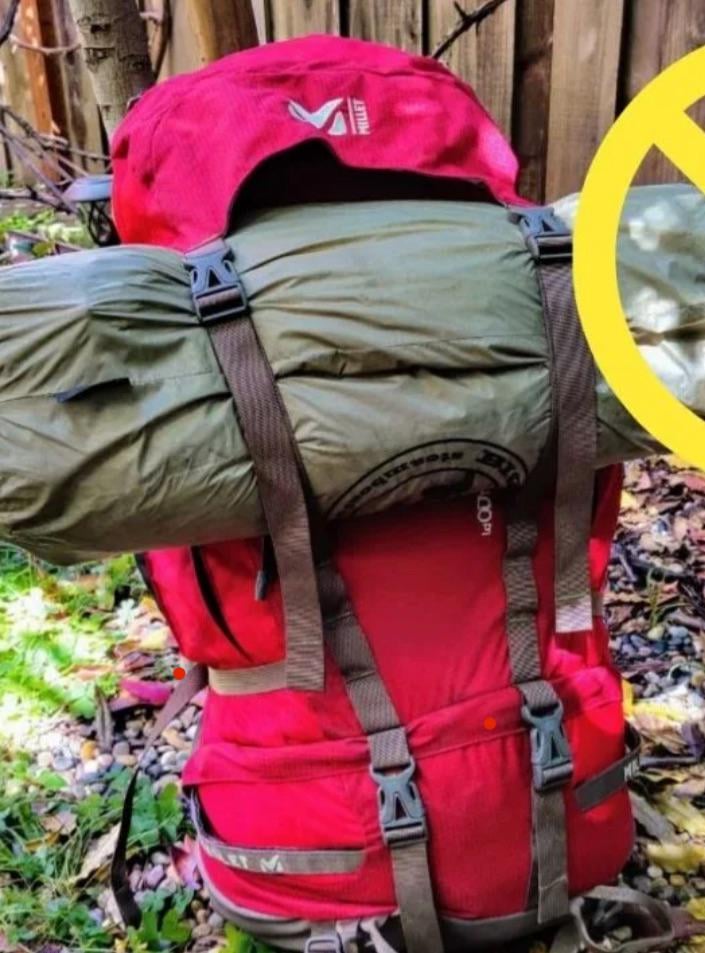
Packing a sleeping bag for backpacking might seem simple, but doing it the right way can save you space, keep your bag dry, and make your trek much easier. You want to make sure your sleeping bag stays warm and ready for a good night’s rest after a long day on the trail.
In this guide, you’ll discover easy steps to pack your sleeping bag efficiently, so it takes up less room and stays protected. Keep reading to learn the tricks that experienced backpackers use to make the most of every inch in their pack.
Your next adventure will thank you!
Credit: pangolinswithpacks.com
Choosing The Right Sleeping Bag
Packing the right sleeping bag is important for a good night outdoors. It keeps you warm and comfortable during your backpacking trip. Picking the right bag depends on many factors.
This guide covers key points to help you choose the best sleeping bag for your needs. Focus on temperature ratings, insulation types, and size and weight.
Temperature Ratings
Temperature ratings tell you the lowest temperature a sleeping bag can handle. Pick a bag with a rating lower than the coldest you expect. This keeps you warm and safe at night.
- Check the comfort rating for your sleeping style
- Look at the lower limit for extreme cold
- Consider extra layers if you get cold easily
Insulation Types
Sleeping bags use two main insulation types: down and synthetic. Each has pros and cons. Choose based on your trip conditions and budget.
| Insulation Type | Pros | Cons |
| Down | Lightweight, compresses small, very warm | Expensive, loses warmth when wet |
| Synthetic | Water-resistant, cheaper, dries fast | Heavier, bulkier, less warm |
Size And Weight Considerations
Backpackers need light and compact sleeping bags. Size and weight affect how easy it is to carry your bag.
- Choose a bag that fits your body size
- Look for bags with good compression stuff sacks
- Balance warmth with weight for your trip length
Credit: www.trespass.com
Preparing Your Sleeping Bag
Packing a sleeping bag correctly helps keep it clean and lasting longer. Preparing it well makes your backpack lighter and easier to carry.
Start by getting your sleeping bag ready before packing. This means cleaning, checking for damage, and using a liner if needed.
Cleaning And Drying
Clean your sleeping bag after every trip to remove dirt and sweat. Use a gentle wash and mild soap made for outdoor gear.
Dry your sleeping bag completely before packing it. Moisture can cause mold and bad smells inside your bag.
- Wash in cold water on a gentle cycle
- Use a front-loading washing machine if possible
- Air dry or use a low heat dryer with tennis balls
- Ensure the bag is fully dry before storing or packing
Checking For Damage
Look for tears, broken zippers, or loose seams before packing. Small damage can get worse on the trail.
Repair any issues with sewing kits or patches. Fixing your bag keeps it warm and comfortable for your trip.
- Inspect the fabric for holes or thin spots
- Test zippers to make sure they work smoothly
- Check drawstrings and closures for damage
- Patch small tears or holes promptly
Using A Sleeping Bag Liner
A sleeping bag liner adds extra warmth and keeps the bag clean. It is easy to wash and dries quickly.
Using a liner can extend your sleeping bag’s life and improve comfort. Choose a liner that fits your sleeping bag size.
- Choose cotton, silk, or synthetic liners
- Use liners for added warmth in cold weather
- Wash liners often to keep your bag fresh
- Pack the liner inside the sleeping bag to save space
Folding Vs Rolling Techniques
Packing a sleeping bag right saves space in your backpack. Two common ways are folding and rolling. Each way has good and bad points.
Choosing the best way depends on your trip and gear. Let’s look at folding and rolling in detail.
Pros And Cons Of Folding
Folding a sleeping bag means making flat folds to reduce its size. This keeps it neat but can be bulky.
- Pros:Easier to pack in tight spaces and keeps the bag flat.
- Pros:Less wrinkling and better for short trips.
- Cons:Takes more space than rolling in some cases.
- Cons:Can trap air and make the bag less compact.
Pros And Cons Of Rolling
Rolling means tightly wrapping the sleeping bag like a burrito. This method saves space well but can be harder to do neatly.
- Pros:Saves more space in your backpack.
- Pros:Compresses air out of the bag better.
- Cons:Can create wrinkles or damage insulation.
- Cons:Harder to pack quickly or in small areas.
When To Use Each Method
Use folding if you want to keep your sleeping bag neat and easy to store. Folding works well for short trips or when space is not tight.
Choose rolling when you need to save space and pack tightly. Rolling fits better in small backpacks and longer trips where space is limited.
- Fold for quick packing and easy access.
- Roll for maximum space saving and compression.
- Consider bag type: some bags pack better folded or rolled.
Compression Sack Tips
Packing a sleeping bag well saves space in your backpack. Using a compression sack helps you carry your bag tightly. This guide shares key tips to pack smartly and keep your sleeping bag safe.
Follow these tips to pick the right sack, stuff it properly, and protect the insulation inside your sleeping bag.
Selecting The Right Sack
Choose a compression sack that fits your sleeping bag size. It should be durable and easy to use. Some sacks have straps to tighten the bag more. Pick one with strong fabric to avoid tears.
- Match the sack size to your sleeping bag
- Look for water-resistant material
- Check for strong compression straps
- Choose lightweight sacks for easier carrying
Proper Stuffing Methods
Do not just shove the sleeping bag into the sack. Use a rolling or folding method to keep it neat. Stuffing gently helps keep the bag’s shape and warmth.
- Lay the sleeping bag flat and fold it in half lengthwise
- Roll the sleeping bag from the foot end tightly
- Place the rolled bag into the compression sack
- Tighten the straps slowly and evenly
Avoiding Damage To Insulation
Compression can harm the sleeping bag’s insulation if done too tightly or for too long. Keep these points in mind to protect your bag.
| Tip | Reason |
| Do not over-compress | Keeps insulation loft for warmth |
| Store loosely after trip | Prevents permanent flattening |
| Avoid sharp objects near sack | Prevents fabric tears |
| Let bag dry before packing | Stops mold and mildew growth |
Packing Strategies For Your Backpack
Packing a sleeping bag correctly helps you save space and stay comfortable. It makes your backpack lighter and easier to carry.
Good packing keeps your gear safe and dry. It also balances the weight inside your backpack for better hiking.
Optimal Placement
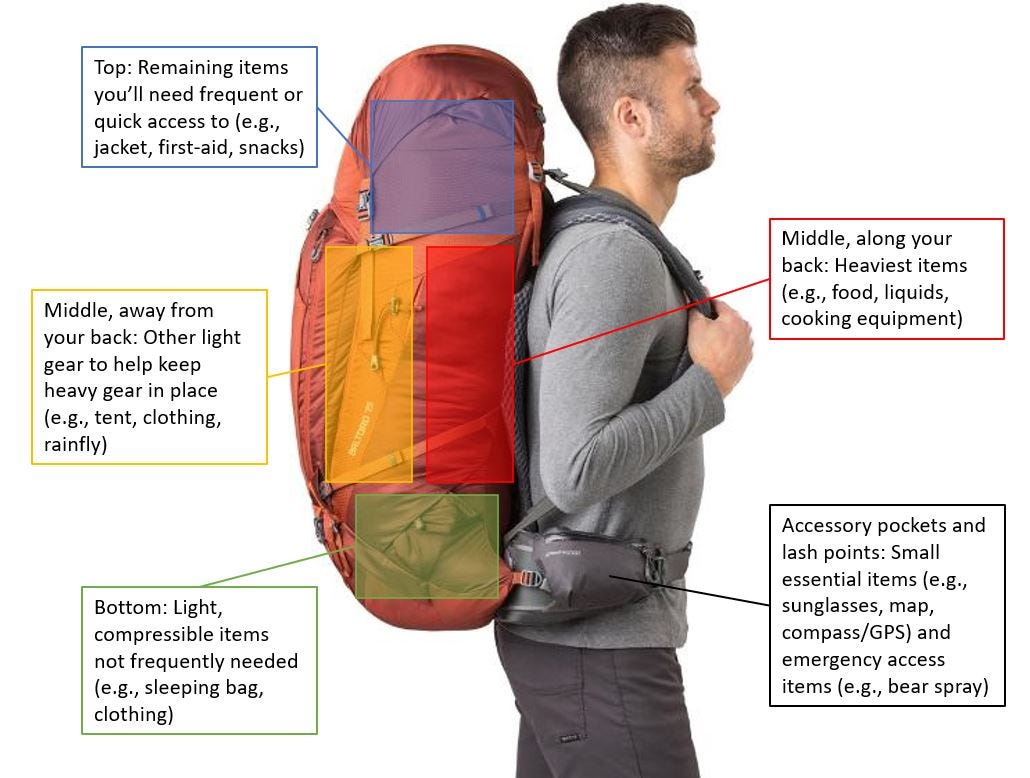
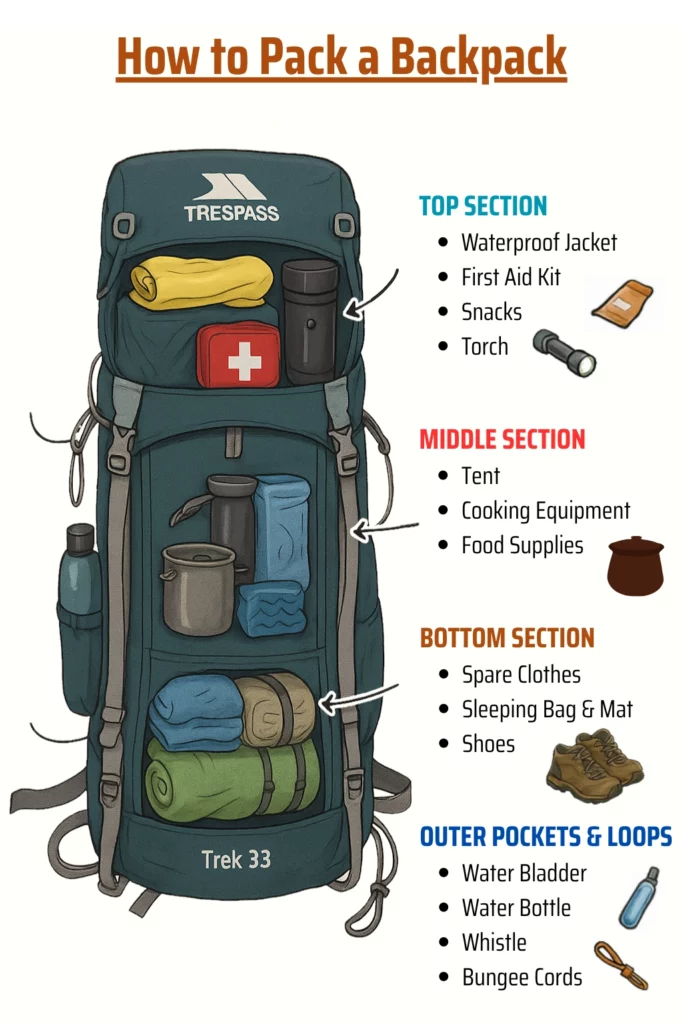
Place your sleeping bag at the bottom of your backpack. This spot supports heavier items on top and helps keep the bag flat.
Keep the sleeping bag near the back panel. It keeps your center of gravity close, making walking easier.
- Bottom of the pack
- Close to the back panel
- Away from sharp or heavy gear
Balancing Weight
Balance your backpack by placing heavy gear in the middle and close to your back. Lighter items go on top and outside.
Keep the sleeping bag with other soft, light items. This balance helps prevent strain and keeps you stable on the trail.
- Heavy items near the center
- Sleeping bag with light gear
- Distribute weight evenly side-to-side
Protecting From Moisture
Keep your sleeping bag dry by storing it in a waterproof stuff sack. This stops rain or sweat from soaking it.
Place the sleeping bag where it won’t touch wet gear. If your pack has a rain cover, use it to add extra protection.
- Use a waterproof stuff sack
- Avoid storing near wet clothes or shoes
- Use rain cover on your backpack

Credit: www.reddit.com
Maintaining Your Sleeping Bag On The Trail
Keeping your sleeping bag clean and dry on the trail helps it last longer. Proper care also keeps you warm and comfortable at night.
Use simple steps to handle your sleeping bag after each use. These tips help protect the insulation and fabric.
Air Drying After Use
Always air dry your sleeping bag before packing it away. Hang it in a shaded, well-ventilated spot. Avoid direct sunlight to prevent fabric damage.
- Unroll the bag fully to let air reach all layers
- Turn it occasionally to dry evenly
- Keep it off the ground to avoid dirt and moisture
- Allow several hours or overnight for drying
Handling Condensation
Condensation inside your sleeping bag can make it damp and cold. Use these tips to reduce moisture build-up during your trip.
| Cause | Solution |
| Breathing moisture | Use a breathable liner or vent the bag |
| Wet clothes inside bag | Change into dry clothes before sleeping |
| Cold ground contact | Use an insulated sleeping pad |
| High humidity | Air out the bag daily if possible |
Storing Between Trips
Store your sleeping bag loosely to keep its loft and warmth. Avoid tight compression for long periods.
- Use a large cotton storage sack or hang it in a closet
- Keep it in a dry, cool place away from sunlight
- Check the bag occasionally for moisture or pests
- Clean it before storing if it is dirty or damp
Frequently Asked Questions
How Do You Roll A Sleeping Bag Tightly?
To roll a sleeping bag tightly, start from the foot end. Roll the bag evenly while pressing out air. Secure it with straps or ties. This method ensures it takes up minimal space in your backpack. Consistent practice will help in achieving a compact roll every time.
Should I Use A Stuff Sack For Packing?
Yes, using a stuff sack is recommended. It compresses your sleeping bag, saving space in your backpack. It also protects the bag from moisture and dirt. Choose a waterproof stuff sack for added protection. This ensures your sleeping bag stays dry and clean during your trip.
Can A Sleeping Bag Be Compressed Too Much?
Yes, over-compressing can damage insulation fibers. This reduces the bag’s warmth and longevity. Use moderate compression to maintain insulation quality. Store the bag loosely when not in use to retain its loft. Proper care ensures your sleeping bag remains effective for future adventures.
What’s The Best Way To Pack In A Backpack?
Pack your sleeping bag at the bottom of your backpack. This provides a solid base and keeps your pack balanced. Use a compression sack to save space. Ensure it’s protected from wet items to keep it dry. This arrangement optimizes space and weight distribution.
Conclusion
Packing a sleeping bag right saves space and keeps it dry. Roll it tight and use compression sacks for best results. Keep the bag clean and dry before packing every time. Practice packing at home to pack faster on trips.
Proper packing makes your backpack lighter and easier to carry. Enjoy your adventure with a well-packed sleeping bag ready. Simple steps lead to better comfort and less hassle outdoors. Take care of your gear, and it will last longer.