Have you ever wondered how plants survive without eating like we do? It might surprise you, but plants have a special way to make their own food.
Understanding this process can change how you see the green world around you. You’ll discover the amazing secret behind how plants feed themselves and why it matters to you. Keep reading to unlock the mystery and see nature in a whole new light.

Credit: www.youtube.com
How Plants Create Food
Plants can make their own food through a process called photosynthesis. This process helps plants turn sunlight into energy.
Food made by plants is important for their growth and for other living things that eat plants.
Photosynthesis Basics
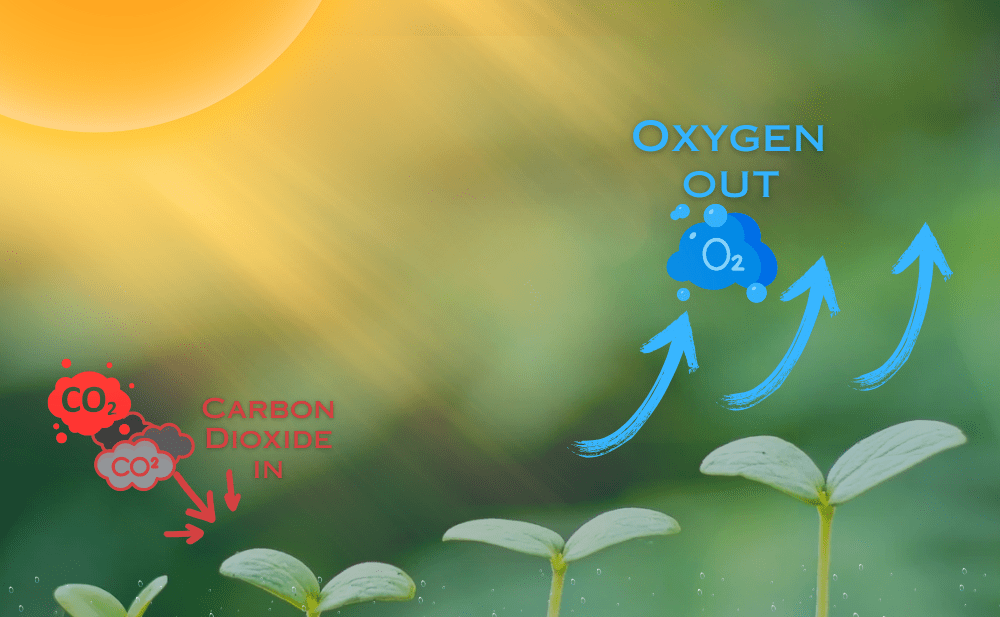
Photosynthesis is how plants make food using sunlight, water, and carbon dioxide. It happens mainly in the leaves.
The process changes these ingredients into glucose, a type of sugar, and oxygen. Glucose gives plants energy to grow.
- Plants take in water through their roots
- Leaves absorb carbon dioxide from the air
- Sunlight provides the energy needed
Role Of Chlorophyll
Chlorophyll is the green pigment in leaves that helps plants absorb sunlight. It is key for photosynthesis.
This pigment captures sunlight and uses its energy to start the food-making process inside plant cells.
- Gives leaves their green color
- Absorbs sunlight energy
- Helps convert light into chemical energy
Sunlight As Energy Source
Sunlight is the main energy source plants use to make food. Without sunlight, photosynthesis cannot happen.
Plants use sunlight to power the chemical reactions that turn water and carbon dioxide into glucose and oxygen.
- Sunlight provides energy needed for photosynthesis
- Energy is captured by chlorophyll in leaves
- Helps plants grow and produce oxygen

Credit: askabiologist.asu.edu
Key Ingredients For Food Production
Plants make their own food through a process called photosynthesis. They need certain key ingredients to do this. These ingredients help plants turn sunlight into energy.
Understanding these ingredients shows how plants survive and grow. Each one plays an important role in food production inside plants.
Carbon Dioxide Intake
Plants take in carbon dioxide from the air through tiny openings in their leaves. This gas is one of the main ingredients used to make food. Carbon dioxide combines with water to create glucose, a type of sugar plants use for energy.
Water Absorption
Water is absorbed by the roots from the soil. It travels up through the stem to the leaves. Water helps in several ways: it carries nutrients, keeps the plant cool, and is a raw material for food production.
- Water dissolves nutrients in the soil.
- It helps transport these nutrients inside the plant.
- Water splits during photosynthesis to release oxygen.
- It maintains the plant’s structure by keeping cells full.
Nutrient Importance
| Nutrient | Role in Food Production |
| Nitrogen | Builds proteins needed for growth |
| Phosphorus | Helps in energy transfer inside cells |
| Potassium | Supports photosynthesis and water regulation |
| Magnesium | Essential part of chlorophyll molecule |
These nutrients come from the soil and are absorbed by roots. They are vital for making chlorophyll and other molecules that plants need to make food.
The Food-making Process
Plants can make their own food through a process called photosynthesis. This process uses sunlight to turn water and carbon dioxide into food.
Photosynthesis happens in two main parts. These parts work together to create energy for the plant.
Light-dependent Reactions
Light-dependent reactions take place in the leaves when sunlight hits the plant. The plant uses light energy to split water into oxygen, electrons, and protons.
This process creates energy molecules called ATP and NADPH. These molecules store energy for the next stage.
Calvin Cycle Explained
The Calvin cycle uses ATP and NADPH from the first stage. It takes carbon dioxide from the air to make sugar.
Sugar is the food that plants use to grow. This cycle happens in the chloroplasts inside plant cells.
Oxygen Release
Oxygen is made during the light-dependent reactions. It is released into the air as a byproduct of splitting water.
This oxygen is important for animals and people to breathe. Plants help keep the air fresh through this process.
Adaptations In Different Plants
Plants make their own food through photosynthesis. They use sunlight, water, and air to create energy. Different plants live in various environments. They have special ways to survive and make food.
These special features help plants live in deserts, water, or places with little nutrients. Each plant adapts to get the food it needs.
Desert Plant Strategies
Desert plants get very little water. They store water in thick stems or leaves. Their leaves are small or spiny to reduce water loss.
Some desert plants open their stomata at night to save water. They use a special way to make food called CAM photosynthesis.
- Thick stems store water
- Small or spiny leaves reduce water loss
- Stomata open at night
- Use CAM photosynthesis
Aquatic Plant Mechanisms
Aquatic plants live in water or very wet places. They have thin leaves to let sunlight pass through. Their leaves often float on water to get more light.
These plants have air spaces in their tissues. This helps them float and get oxygen. They absorb nutrients directly from water.
- Thin leaves to catch sunlight
- Floating leaves for light access
- Air spaces for buoyancy and oxygen
- Absorb nutrients from water
Carnivorous Plant Nutrition
Carnivorous plants live in places with poor soil. They get extra nutrients by trapping insects. Their leaves change shape to catch prey.
These plants digest insects to get nitrogen and other nutrients. This helps them grow where soil is weak.
- Grow in nutrient-poor soil
- Trap insects with special leaves
- Digest insects for nutrients
- Get extra nitrogen and minerals
Impact On Ecosystems
Plants can make their own food through a process called photosynthesis. This ability shapes many parts of the ecosystem.
The food plants create supports life and keeps the environment balanced and healthy.
Oxygen Production
Plants release oxygen during photosynthesis. This oxygen is essential for animals and humans to breathe.
Without plants, the air would lack oxygen, making life difficult for most organisms.
Base Of The Food Chain
Plants are the first source of food in many ecosystems. They convert sunlight into energy that other creatures use.
Herbivores eat plants, and carnivores eat herbivores. This creates a food chain that supports many species.
- Plants capture sunlight energy
- Herbivores consume plants
- Carnivores eat herbivores
Supporting Wildlife
Plants provide food and shelter for many animals. They create habitats where wildlife can live and grow.
Many insects, birds, and mammals depend on plants for survival and reproduction.

Credit: askabiologist.asu.edu
Human Connection With Plant Food
Plants make their own food through a process called photosynthesis. This ability connects humans to plants in many ways.
People rely on plants for food, medicine, and a healthy environment. Understanding this link helps us care for nature better.
Agriculture And Crop Growth
Farmers grow crops by helping plants get sunlight, water, and nutrients. Plants use these to create their food and grow strong.
- Sunlight is essential for photosynthesis
- Water helps carry nutrients inside plants
- Soil provides minerals needed for growth
- Farmers monitor plant health to improve yield
Medicinal Plants
Many plants make natural chemicals that help fight diseases. Humans have used these plants for medicine for thousands of years.
| Plant | Use |
| Aloe Vera | Soothes skin burns |
| Chamomile | Calms and aids sleep |
| Willow Bark | Relieves pain and fever |
Sustainability And Conservation
Caring for plants helps keep the earth healthy. We must protect forests and gardens for future generations.
Simple actions to support plants include:
- Planting trees and flowers
- Reducing waste and pollution
- Using water wisely
- Supporting local farmers and gardens
Frequently Asked Questions
How Do Plants Make Their Own Food?
Plants make their own food through photosynthesis. They use sunlight, carbon dioxide, and water to produce glucose and oxygen. Chlorophyll in plant leaves absorbs sunlight, enabling this process. This mechanism is essential for plant growth and provides oxygen for other living organisms.
What Role Does Chlorophyll Play In Photosynthesis?
Chlorophyll is crucial in photosynthesis as it absorbs sunlight. This pigment gives plants their green color. By capturing light energy, chlorophyll enables plants to convert carbon dioxide and water into glucose. This energy-rich sugar is vital for plant growth and development.
Do All Plants Photosynthesize?
Most plants use photosynthesis to make food. However, some plants, like parasitic plants, rely on other sources. These plants may absorb nutrients from host plants instead of making their own food. Despite this, photosynthesis remains the primary method for most plants.
Why Is Photosynthesis Important For Ecosystems?
Photosynthesis is essential for ecosystems because it produces oxygen and organic compounds. Plants convert sunlight into energy, supporting themselves and herbivores. This process also releases oxygen, vital for animal and human respiration. Photosynthesis is the foundation of most food chains.
Conclusion
Plants make their own food using sunlight, water, and air. This process is called photosynthesis. It helps plants grow and gives us oxygen to breathe. Understanding how plants feed helps us appreciate nature’s balance. Every leaf plays a part in creating energy.
This natural process supports life on Earth. Learning about it can inspire care for our environment. Simple yet powerful. Nature’s way of feeding itself.