Choosing the right fishing line can make all the difference between a great catch and a missed opportunity. You might think all fishing lines are the same, but the truth is, a good fishing line can boost your chances of success and make your time on the water much more enjoyable.
Whether you’re just starting out or looking to upgrade your gear, understanding what makes a fishing line good is key. Keep reading, and you’ll discover the secrets to picking the perfect line that fits your style and helps you reel in more fish every time.
Types Of Fishing Lines
Fishing lines come in different types. Each type suits different fishing needs. Knowing the types helps you pick the right line.
The three main types are monofilament, braided, and fluorocarbon lines. Each has unique features and uses.
Monofilament Lines
Monofilament lines are made from a single strand of nylon. They are soft and stretch well. This makes them good for beginners. They float on water and work well for many fish types.
- Affordable and easy to use
- Good knot strength
- Stretches to absorb shocks
- Can weaken in sunlight over time
Braided Lines
Braided lines are made by weaving many fibers together. They are very strong and thin. They do not stretch much. This gives better control of the fish. Braided lines are good for deep water fishing.
| Feature | Monofilament | Braided |
| Strength | Good | Very Strong |
| Stretch | High | Low |
| Visibility | Higher | Lower |
| Diameter | Thicker | Thinner |
| Price | Lower | Higher |
Fluorocarbon Lines
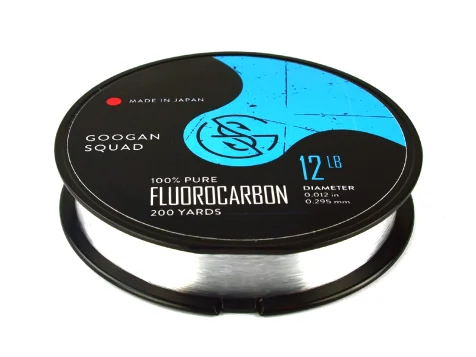
Fluorocarbon lines are made from a special plastic. They are nearly invisible in water. This helps catch fish that are shy. Fluorocarbon sinks fast and resists damage from sunlight and abrasion.
- Hard to see underwater
- Strong and durable
- Resistant to UV light
- Sinks quickly for deep fishing

Credit: mysterytacklebox.com
Key Features To Consider
Choosing a good fishing line is important for a successful fishing trip. The right line makes catching fish easier and more fun.
Look at features like strength, stretch, and how visible the line is underwater. These factors affect your fishing experience.
Strength And Durability
Strength means how much weight the line can hold before it breaks. Durability shows how well the line lasts over time.
A strong and durable line handles big fish and rough water without snapping or wearing out quickly.
- Check the pound test rating for strength
- Choose lines made with strong materials like braided or fluorocarbon
- Durable lines resist abrasion from rocks and debris
Stretch And Sensitivity
Stretch is how much the line can stretch when pulled. Sensitivity means how well you feel the fish bite.
A line with low stretch gives better sensitivity. You can feel small bites and react faster.
- Monofilament lines stretch more but are less sensitive
- Fluorocarbon lines stretch less and give better feel
- Braided lines have almost no stretch for high sensitivity
Visibility Underwater
Visibility is how easy the fish can see the line underwater. A less visible line helps catch more fish.
Pick a line color that blends with the water where you fish. Clear or green lines work well in most waters.
- Clear lines are hard to see in clear water
- Green lines blend well in weedy or green waters
- Bright lines help you see the line above water
Choosing Line Based On Fishing Style
Choosing the right fishing line is important for a good fishing experience. Different fishing styles need different lines.
Picking the correct line helps you catch more fish and reduces line breaks.
Freshwater Fishing Lines
Freshwater fishing uses lines that work well in lakes, rivers, and ponds. The line should be strong but flexible.
Monofilament and fluorocarbon lines are popular for freshwater. They are easy to handle and cast.
- Monofilament is good for beginners and general use.
- Fluorocarbon is less visible underwater and sinks faster.
- Choose line strength based on the fish size you target.
Saltwater Fishing Lines
Saltwater fishing needs lines that resist corrosion from salt. They also must handle bigger and stronger fish.
Braided lines are common in saltwater because of their strength and durability. Fluorocarbon is used as a leader.
- Braid offers high strength with low stretch.
- Fluorocarbon leaders help keep the line invisible.
- Pick line strength based on the fish and water conditions.
Fly Fishing Lines
Fly fishing uses special lines designed to cast light flies. These lines are thicker and heavier than others.
Fly lines come in floating, sinking, or sinking-tip types. The choice depends on the water and fish species.
- Floating lines stay on the water surface for dry fly fishing.
- Sinking lines help reach deeper fish.
- Match line weight to your fly rod for best casting.
Line Weight And Diameter
Choosing the right fishing line weight and diameter is key to good fishing. These factors affect your rod, reel, and how well you catch fish.
Understanding line weight and diameter helps you match gear and fish types for better results on the water.
Matching Line To Rod And Reel
Fishing rods and reels have recommended line weights. Using the right weight protects your gear and improves fishing.
- Check the rod’s label for line weight range.
- Match the reel’s capacity to the line diameter.
- Use lighter lines for small rods and heavier lines for big rods.
- Too heavy line can damage the rod or reduce casting distance.
Impact On Casting Distance
Line weight and diameter affect how far you can cast. Thin lines usually cast farther than thick lines.
| Line Weight (lbs) | Diameter (inches) | Casting Distance |
|---|---|---|
| 4 | 0.012 | Long |
| 8 | 0.018 | Medium |
| 15 | 0.025 | Short |
Handling Different Fish Sizes
Choose line weight and diameter based on the fish size you want to catch. Stronger lines help catch bigger fish.
- Light lines work for small fish like trout or panfish.
- Medium lines suit bass and walleye.
- Heavy lines are best for big fish like pike or catfish.
- Thicker diameter lines resist breaking under pressure.
Maintenance And Storage Tips
Taking care of your fishing line helps it last longer and perform better. Proper maintenance keeps the line strong and ready for use.
Storing your fishing line correctly prevents damage and tangles. Simple habits can protect your investment.
Preventing Line Damage
Fishing line can weaken from sun, dirt, and rough surfaces. Avoid exposing it to direct sunlight for long periods.
- Rinse the line with fresh water after saltwater use
- Check for nicks or abrasions before each fishing trip
- Avoid dragging the line over rocks or sharp edges
- Use gloves when handling to reduce friction and cuts
Proper Storage Practices
Keep your fishing line in a cool, dry place away from sunlight. Avoid high heat or humidity.
| Storage Tip | Reason |
| Use sealed containers or bags | Protects from dust and moisture |
| Store reels with line loosened | Prevents stretching and deformation |
| Keep line away from chemicals | Chemicals can weaken the line fibers |
| Label old and new line separately | Helps track age and usage |
When To Replace Your Line
Fishing line does not last forever. Replace it regularly to avoid breakage and lost catches.
- Replace line after signs of wear like frays or discoloration
- Change line after heavy use or long storage times
- Swap line if it loses strength or flexibility
- Use new line before big fishing trips or tournaments

Credit: mysterytacklebox.com
Popular Brands And Models
Choosing the right fishing line is important for a successful day on the water. Different types of lines suit different fishing styles and conditions.
This guide covers popular brands and models for monofilament, braided, and fluorocarbon lines. Each type has its own strengths and uses.
Top Monofilament Lines
Monofilament lines are flexible and easy to handle. They stretch well and are good for beginners and general fishing.
- Stren Original: Known for smooth casting and knot strength.
- Berkley Trilene XL: Offers good abrasion resistance and low memory.
- SpiderWire Stealth: Provides good sensitivity and toughness.
- P-Line Floroclear: Clear line with strong tensile strength.
Best Braided Lines
Braided lines have no stretch and high strength. They are thinner than monofilament with the same breaking strength.
| Brand | Model | Strength (lbs) | Color Options |
| PowerPro | Spectra Fiber | 20-80 | Green, Blue, Camouflage |
| SpiderWire | EZ-Braid | 10-65 | Low-Vis Green, White |
| Sufix | 832 Advanced Superline | 15-80 | Green, Moss Green |
| Sunline | Super PE | 12-60 | Yellow, Green |
Leading Fluorocarbon Lines
Fluorocarbon lines are nearly invisible underwater. They sink fast and resist abrasion from rocks and debris.
Popular fluorocarbon models include:
- Seaguar InvizX: Known for clear appearance and strength.
- Berkley Vanish: Offers good sensitivity and low memory.
- P-Line Tactical Fluorocarbon: Durable and abrasion resistant.
- Sunline Super FC Sniper: Thin diameter with high strength.
Budget Vs. Performance
Choosing a good fishing line means thinking about how much you spend and how well it works. Some lines cost less but still do a good job. Others cost more but offer better features.
Finding the right balance between budget and performance helps you get the most value. You want a line that fits your needs and your wallet.
Affordable Options
Affordable fishing lines are great for beginners and casual anglers. They usually use basic materials but can handle light to medium fishing tasks.
These lines often come in monofilament or simple braided types. They are easy to use and work well in many fishing spots.
- Monofilament lines are stretchy and forgiving.
- Basic braided lines offer better strength for the price.
- Good for light freshwater fishing.
- Less suitable for heavy or saltwater fishing.
Premium Lines Worth Investing In
Premium fishing lines provide higher strength and durability. They use advanced materials like fluorocarbon or high-quality braid.
These lines resist abrasion and handle tough conditions. They help you catch bigger fish and last longer on your reel.
- Fluorocarbon lines are nearly invisible underwater.
- High-end braided lines offer excellent sensitivity.
- Great for heavy freshwater and saltwater fishing.
- Usually cost more but perform well.
Balancing Cost And Quality
Choosing the right line means weighing price and performance. Decide what kind of fishing you do most often.
For casual fishing, affordable lines save money and work fine. For serious anglers, spending more on premium lines can improve results.
- Match line strength to your fishing style.
- Consider water type and fish size.
- Replace lines regularly to keep quality.
- Find a line that fits your budget and needs.
Credit: handingfishing.com
Frequently Asked Questions
What Makes A Fishing Line Good?
A good fishing line is durable, strong, and resistant to abrasion. It should have low visibility in water to avoid spooking fish. Additionally, it should have the right strength and flexibility for your specific fishing needs. Choosing the right line ensures better casting and improved catch rates.
How Do I Choose The Right Fishing Line?
Choosing the right fishing line depends on your fishing environment and target species. For clear waters, use a low-visibility line. For larger fish, opt for higher strength lines. Consider the line’s stretch and sensitivity based on your fishing technique. Match the line type to your fishing reel and rod for optimal performance.
What Is The Best Fishing Line For Beginners?
Monofilament lines are often recommended for beginners due to their versatility and ease of use. They are affordable and work well in various fishing conditions. Monofilament provides good knot strength and is easy to handle. It is a great starting point for those new to fishing.
How Does Line Thickness Affect Fishing?
Line thickness affects casting distance, sensitivity, and visibility. Thicker lines are more visible and may spook fish in clear waters. However, they provide greater strength for catching larger fish. Thinner lines offer better casting distance and are less visible but may lack strength for big catches.
Conclusion
Choosing a good fishing line helps catch fish with less trouble. Strong lines hold well and last longer. Thin lines cast farther and stay hidden underwater. Consider your fishing style and the fish you want. Test different lines to find what works best.
A good line makes fishing more fun and successful. Keep these tips in mind for your next trip. Fish smarter, not harder.