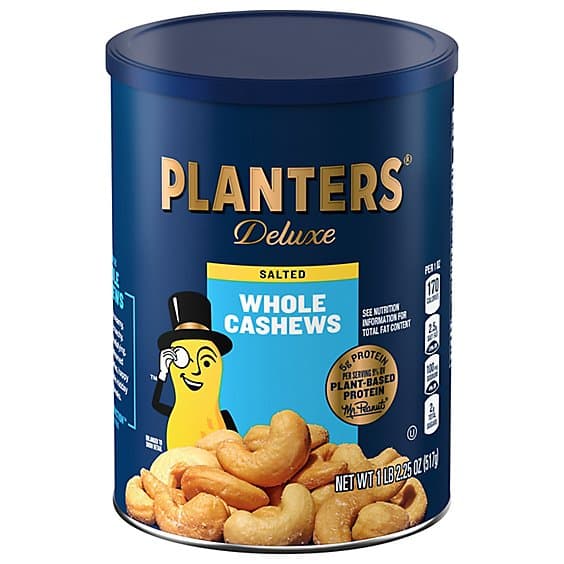
Are you wondering if Planters nuts fit into your gluten-free lifestyle? Whether you have celiac disease, gluten sensitivity, or just want to avoid gluten, knowing what’s safe to eat is crucial.
You might be surprised by what’s hidden in your favorite snacks. Keep reading to find out if Planters nuts are truly gluten free and how they can fit into your diet without worry. Your health and peace of mind depend on it!
Credit: www.safeway.ca
Planters Nuts And Gluten
Planters nuts are popular snacks. Many people want to know if they contain gluten. Gluten is a protein found in wheat, barley, and rye.
People with gluten intolerance or celiac disease must avoid gluten. This article looks at Planters nuts and their gluten content.
Ingredients In Planters Nuts
Planters nuts come in different varieties. Common ingredients include peanuts, almonds, cashews, and pecans. Some flavors have added salt, sugar, or spices.
| Product | Main Nut | Added Ingredients |
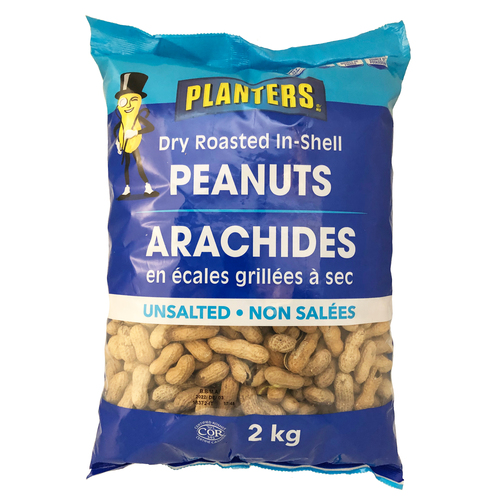
| Planters Dry Roasted Peanuts | Peanuts | Salt, oil |
| Planters Honey Roasted Peanuts | Peanuts | Honey, sugar, salt |
| Planters Deluxe Mixed Nuts | Mixed nuts | Salt, oil |
| Planters Salted Cashews | Cashews | Salt, oil |
Most Planters nuts do not list wheat or gluten-containing ingredients. This suggests many products are naturally gluten free.
Gluten Contamination Risks
Gluten contamination can occur during processing. Shared equipment may cause cross-contact with gluten.
- Check labels for gluten warnings
- Look for “gluten free” certification
- Avoid flavored nuts with wheat-based seasonings
- Contact the manufacturer for detailed info
People with severe gluten allergies should be cautious. Cross-contamination risks vary by product and factory.

Credit: www.preparedfoods.com
Gluten-free Certification
Many people want to know if Planters nuts are gluten free. Gluten-free certification helps answer this question. It shows if a product is safe for people with gluten allergies or celiac disease.
Certification means the product meets strict rules. These rules stop gluten contamination during production. This makes it easier for consumers to trust the product.
Labels To Look For
Look for gluten-free labels on the package to know if Planters nuts are safe. These labels are easy to spot and show the product has been tested.
- “Certified Gluten-Free” symbol
- “Gluten-Free” text on the package
- Third-party certification logos
- Allergen statements mentioning gluten
These labels help you choose products that follow gluten-free rules. Always check the package before buying.
Certification Standards
Certification groups set rules to keep gluten out of foods. They test products to make sure they have less than 20 parts per million of gluten. This level is safe for most people with gluten sensitivity.
- Gluten-Free Certification Organization (GFCO)
- Celiac Support Association (CSA)
- National Celiac Association (NCA)
- Food Allergy and Anaphylaxis Network (FAAN)
Planters nuts with certification from these groups show they meet strict gluten rules. This lowers the risk of gluten exposure for consumers.
Common Allergens Vs Gluten
Many people worry about allergens in their food. Gluten and nuts are two common concerns.
Understanding the difference helps you eat safely. This guide explains nut allergies and gluten sensitivity.
Nut Allergies
Nut allergies happen when the immune system reacts to proteins in nuts. Peanuts and tree nuts are common triggers.
Planters nuts are made from peanuts and tree nuts. These do not contain gluten but can cause allergic reactions for nut-sensitive people.
- Symptoms include itching, swelling, and breathing problems
- People with nut allergies must avoid Planters nuts
- Always check labels for possible nut ingredients
Gluten Sensitivity Cross-reactivity Concerns
Gluten is a protein found in wheat, barley, and rye. It does not appear in nuts naturally.
Planters nuts are gluten-free unless they are flavored or processed with gluten ingredients. Cross-contamination is possible in some facilities.
- People with gluten sensitivity should check packaging carefully
- Look for gluten-free labels on flavored nuts
- Plain Planters nuts are generally safe for gluten-sensitive people

Credit: www.gianteagle.com
Safe Planters Products
Many people want to know if Planters nuts are safe for a gluten-free diet. Planters offers a variety of nut products. Some are naturally gluten-free, but others may have gluten ingredients.
It is important to read labels carefully. Cross-contamination can happen in facilities that process gluten products. This guide helps you find safe choices.
Gluten-free Varieties
Many Planters nut products do not contain gluten ingredients. These are usually safe for gluten-sensitive people. Always check the package for “gluten-free” labeling.
- Planters Dry Roasted Peanuts
- Planters Salted Peanuts
- Planters Honey Roasted Peanuts
- Planters Deluxe Mixed Nuts (without added seasoning)
- Planters Cashews and Almonds (plain varieties)
Products To Avoid
Some Planters products contain gluten or may be cross-contaminated. Avoid these if you have gluten intolerance or celiac disease.
| Product | Reason to Avoid |
| Planters Trail Mix with M&Ms | Contains wheat ingredients |
| Planters Cajun Seasoned Nuts | May contain gluten seasonings |
| Planters Nut-rition Bars | Contains gluten grains |
| Planters P.B. Crisps | Processed in facility with gluten |
Tips For Gluten-free Nut Consumption
Nuts can be a healthy snack for people avoiding gluten. Still, it is important to check if the nuts are truly gluten-free. Cross-contamination and hidden gluten ingredients can cause problems.
This guide helps you read labels and prevent gluten exposure while eating nuts safely.
Reading Labels Effectively
Always read the ingredient list on nut packages. Gluten can hide in flavorings or coatings. Look for words like wheat, barley, rye, or malt.
- Check for gluten-free certification on the package.
- Look out for allergen warnings that mention wheat or gluten.
- Note if the nuts are raw, roasted, or flavored.
- Be cautious with mixed nuts or nut butters that may include gluten ingredients.
Preventing Cross-contamination
Cross-contamination happens when gluten touches nuts during processing. This can make safe nuts unsafe for gluten-free diets.
| Source of Contamination | How to Avoid |
| Shared equipment with gluten foods | Buy nuts from brands that use dedicated gluten-free facilities |
| Packaging in a factory with gluten products | Choose products labeled gluten-free or made in gluten-free plants |
| Storage near gluten items | Store nuts separately at home to avoid contact |
Alternatives To Planters Nuts
Planters nuts are popular snacks, but some people need gluten-free options. Not all nuts are gluten-free, so choosing the right brand matters.
This guide shows other gluten-free nut brands and ideas for homemade nut mixes. You can enjoy safe and tasty snacks without gluten.
Other Gluten-free Nut Brands
Many nut brands offer gluten-free products. Checking labels helps avoid gluten contamination. Here are some trusted brands:
- Blue Diamond Almonds
- Wonderful Pistachios
- Kirkland Signature Nuts
- Emerald Nuts
- Fisher Nuts
Each brand has different nut types and flavors. Make sure to read the packaging for gluten-free certification.
Homemade Nut Mix Ideas
Making your own nut mix is easy and safe. You control the ingredients and avoid gluten.
- Choose a variety of nuts like almonds, cashews, and walnuts.
- Add seeds such as pumpkin or sunflower seeds for extra crunch.
- Mix in dried fruits like raisins or cranberries for sweetness.
- Sprinkle with gluten-free spices like cinnamon or chili powder.
- Store in an airtight container to keep fresh.
| Ingredient | Amount | Notes |
| Almonds | 1 cup | Raw or roasted |
| Cashews | 1 cup | Unsalted |
| Walnuts | 1 cup | Chopped |
| Pumpkin Seeds | ½ cup | Optional |
| Dried Cranberries | ½ cup | No added sugar |
Frequently Asked Questions
Are Planters Nuts Gluten-free Certified?
Planters Nuts are not officially gluten-free certified. However, many of their nut products do not contain gluten ingredients. It’s important to check the label for any gluten-containing additives. Always consult with the manufacturer for the most accurate information.
Do Planters Nuts Contain Gluten Ingredients?
Most Planters Nuts do not contain gluten ingredients. However, cross-contamination is possible in shared facilities. It’s important to read the packaging for any allergen warnings. Consumers with celiac disease should verify with the manufacturer to ensure safety.
Can Celiacs Safely Consume Planters Nuts?
Many people with celiac disease consume Planters Nuts without issue. However, due to potential cross-contamination, it is crucial to check the packaging. Always consult with a healthcare professional or the manufacturer if in doubt.
Which Planters Products Are Naturally Gluten-free?
Planters offers several nut varieties that are naturally gluten-free, like peanuts and cashews. Always check for flavored varieties that may include gluten-containing additives. Reviewing the label for any allergen information is essential.
Conclusion
Planters nuts are mostly gluten free, but check the label. Cross-contamination can happen during processing. People with gluten allergies should be careful. Choose products labeled gluten free for safety. Reading ingredient lists helps avoid gluten exposure. Eating Planters nuts can be safe for many.
Always stay informed to protect your health. Simple steps make gluten-free eating easier. Enjoy your snacks without worry.