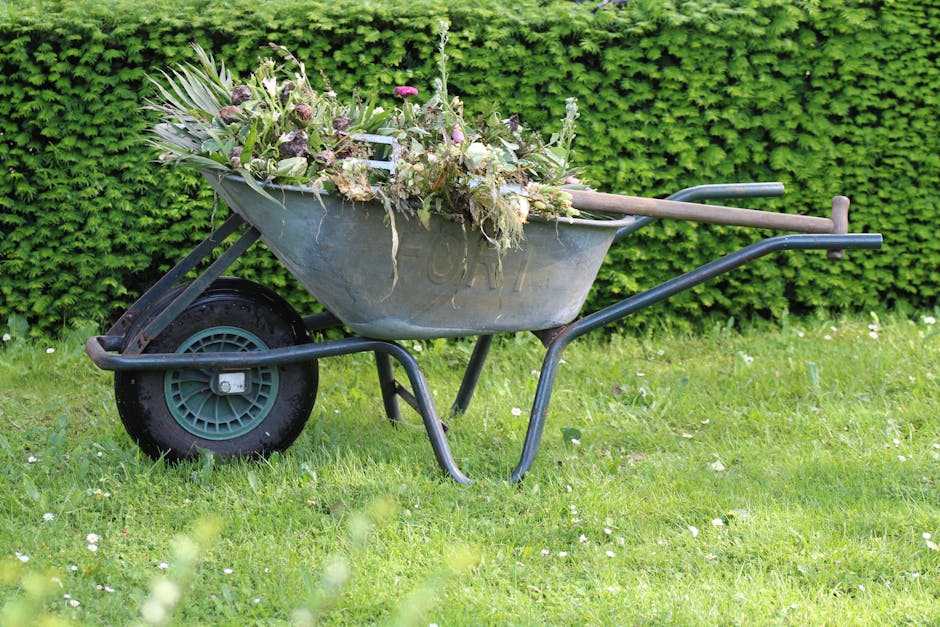
Are you tired of battling stubborn grass that keeps popping up in your garden beds? You might have heard that landscaping fabric can stop grass from growing, but does it really kill it?
If you’re looking for a simple way to keep your yard neat and weed-free, understanding how landscaping fabric works is key. You’ll discover the truth behind landscaping fabric and grass, so you can make the best choice for your outdoor space.
Keep reading to find out if this popular gardening tool will help you win your war against unwanted grass.
How Landscaping Fabric Works
Landscaping fabric is a material used to control weeds and grass growth. It works by blocking sunlight from reaching the plants below.
This stops grass and weeds from growing while allowing water and air to pass through the soil. It helps keep your garden neat and healthy.
Material Types And Properties
Landscaping fabrics come in different materials. Most are made from synthetic fibers like polypropylene or polyester.
These materials are strong and resist tearing. Some fabrics are woven, while others are non-woven. Woven fabrics have small holes to let water through.
- Polypropylene: lightweight and durable
- Polyester: strong and resistant to decay
- Woven fabrics: allow water flow and air
- Non-woven fabrics: thicker and block more light
Permeability And Water Flow
Good landscaping fabric lets water and air reach the soil. This helps plants get moisture and oxygen.
If fabric is not permeable, water can pool on top and harm plants. Most fabrics are designed to let water flow through quickly.
- Allows rainwater to soak into soil
- Prevents water buildup on surface
- Supports healthy root growth
- Reduces soil erosion
Installation Techniques
To install landscaping fabric, clear the area of grass and weeds first. Lay the fabric flat on the soil.
Secure the fabric with stakes or pins. Overlap edges to stop grass from growing through gaps. Cover the fabric with mulch or stones.
- Remove all grass and weeds before laying fabric
- Stretch fabric tight to avoid wrinkles
- Overlap edges by at least 6 inches
- Use stakes to hold fabric in place
- Cover fabric with mulch or rocks for protection
Credit: www.thecooldown.com
Effects On Grass Growth
Landscaping fabric is often used to control weeds and soil erosion. It can affect the grass growing underneath it in several ways.
Understanding how fabric impacts grass helps you decide if it is right for your lawn or garden.
Blocking Sunlight And Air
Grass needs sunlight to make food through photosynthesis. Fabric blocks much of the sunlight from reaching the grass blades.
The fabric also reduces air flow to the grass. Without fresh air, grass cannot get enough oxygen to breathe.
- Less sunlight slows grass growth
- Reduced air flow limits oxygen
- Grass leaves can become weak and pale
Impact On Root Development
Grass roots need air, water, and space to grow deep and strong. Landscaping fabric can block water from reaching the roots.
Roots may struggle to grow through the fabric or become shallow, making the grass less healthy and more fragile.
- Water penetration decreases under fabric
- Roots may not grow deep enough
- Grass becomes less stable in soil
Grass Survival Under Fabric
Grass can survive under fabric for a short time but will weaken without sunlight and air. Over time, the grass may die.
If fabric stays on the grass too long, the grass will thin out and patchy areas may appear.
- Short-term survival possible
- Long-term growth is poor
- Fabric removal helps grass recover
Common Misconceptions
Many people wonder if landscaping fabric kills grass. This topic has many wrong ideas. People often confuse how the fabric works with what it really does.
Understanding how landscaping fabric affects grass helps you make better gardening choices. Let’s clear up some common myths about this material.
Fabric As A Permanent Barrier
Some believe landscaping fabric stops grass forever. They think it acts like a solid wall under the soil. This is not true.
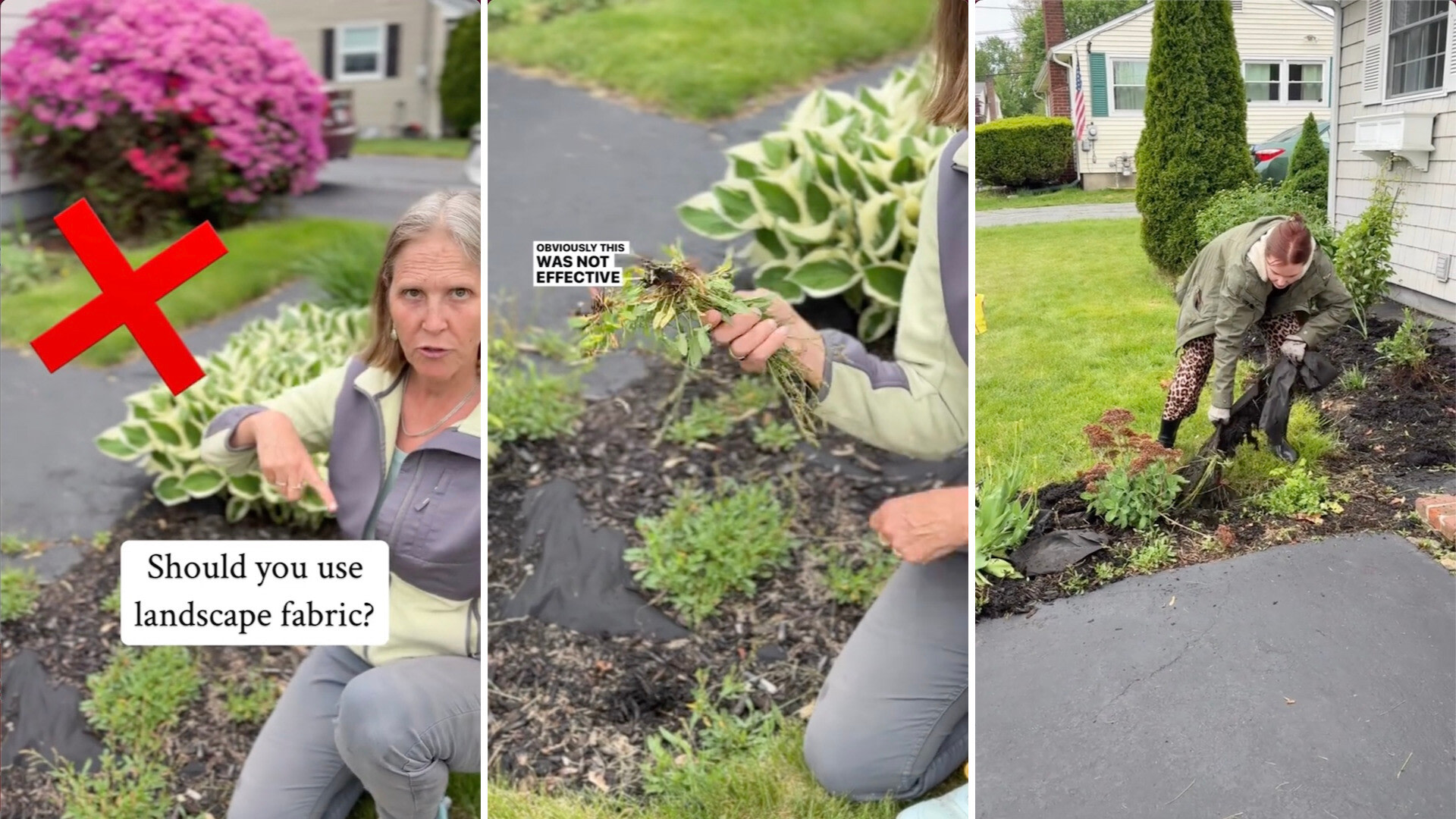
The fabric is designed to let water and air pass through. Grass roots can still grow if the fabric is thin or breaks down. Over time, grass may find ways to grow through or around the fabric.
Effectiveness Against Weeds Versus Grass
People often think landscaping fabric kills all plants, including grass. Actually, it works better against weeds than grass. Weeds struggle to grow without soil contact.
Grass is stronger and has deeper roots. If grass grows before the fabric is laid, it may survive. The fabric helps reduce weed growth but does not kill established grass.
- Weeds have shallow roots and less energy
- Grass has deep roots and can push through fabric
- Fabric blocks sunlight, which hurts weed growth
- Grass may survive if already established
Long-term Soil Health
Some think fabric harms the soil under it. They worry the soil will lose nutrients or become unhealthy. The truth is more complex.
Landscaping fabric can reduce natural decay of leaves and plants. This process feeds the soil. Also, fabric may slow water movement if not installed right. This can affect soil health over many years.
- Soil needs air and water to stay healthy
- Fabric allows some air and water but may block some
- Organic matter breaks down slower under fabric
- Regular soil care is needed for good health

Credit: www.heirloomsoul.com
Alternatives To Landscaping Fabric
Landscaping fabric can stop grass from growing by blocking sunlight and water. Many people look for other ways to keep weeds down without killing grass. These alternatives help protect your lawn and garden naturally.
Using natural options can improve soil health and keep your yard looking nice. Here are some good choices instead of landscaping fabric.
Organic Mulches
Organic mulches are materials like wood chips or leaves placed on soil. They stop weeds by covering the ground but let water and air reach the grass.
These mulches break down over time and add nutrients to the soil. They also help keep soil moist and cool.
- Wood chips
- Bark mulch
- Straw or hay
- Compost or leaf mold
Natural Weed Control Methods
Natural weed control avoids chemicals and fabric. It uses simple tools and natural sprays to keep weeds low.
Pulling weeds by hand or using a hoe can stop them before they spread. Vinegar or boiling water may kill weeds without harming grass.
- Hand pulling weeds regularly
- Using vinegar sprays carefully
- Pouring boiling water on weeds
- Planting ground covers to block weeds
Proper Lawn Maintenance
Good lawn care helps grass grow thick and strong. Thick grass can crowd out weeds naturally.
Watering, mowing, and fertilizing at the right times keep your lawn healthy. Aerating the soil lets roots breathe and grow better.
- Mow grass to the right height
- Water deeply but less often
- Fertilize with natural or slow-release products
- Aerate soil yearly for root health
Best Practices For Gardeners
Landscaping fabric can help control weeds in your garden. It also affects grass growth under it.
This guide explains when to use fabric, how to install it, and ways to keep your garden healthy.
When To Use Fabric
Use landscaping fabric to stop weeds in flower beds or paths. It blocks sunlight from reaching weed seeds.
Do not use fabric on healthy grass you want to keep. The fabric blocks light and can kill the grass below.
- Use fabric under mulch in garden beds
- Use fabric on bare soil to prevent weeds
- Avoid using fabric over grass you want to grow
Correct Installation Tips
Lay the fabric flat and smooth on the soil. Overlap edges by 6 inches to stop weeds from growing between.
Cut holes in the fabric for plants. Cover fabric with mulch to protect it from sun damage.
- Clear the area of weeds before placing fabric
- Use landscape staples to hold fabric in place
- Cover fabric with 2-3 inches of mulch
- Cut fabric carefully to avoid tearing
Monitoring And Maintenance
Check fabric regularly for tears or gaps. Repair any holes to keep weeds out.
Remove any weeds that grow on top of the fabric. Replace mulch as needed to keep fabric covered.
- Inspect fabric every few months
- Fix holes with new fabric pieces
- Pull weeds growing over fabric
- Refresh mulch yearly for best protection

Credit: www.reddit.com
Frequently Asked Questions
Does Landscaping Fabric Prevent Grass Growth?
Yes, landscaping fabric can prevent grass growth by blocking sunlight and inhibiting photosynthesis. It forms a barrier that stops grass from receiving essential nutrients. This helps control unwanted grass in garden areas. However, it’s essential to install it properly for effective results.
Can Grass Grow Through Landscaping Fabric?
Grass typically cannot grow through landscaping fabric due to its dense structure. The fabric is designed to block sunlight and prevent grass from penetrating. However, if the fabric gets damaged or improperly installed, grass may find a way through. Regular maintenance can help prevent this issue.
Is Landscaping Fabric Effective For Weed Control?
Yes, landscaping fabric is effective for weed control. It acts as a physical barrier, preventing weed seeds from reaching soil. This reduces the chance of germination. Additionally, it minimizes sunlight exposure, inhibiting weed growth. For optimal results, ensure proper installation and maintenance.
How Long Does Landscaping Fabric Last?
Landscaping fabric can last anywhere from 5 to 25 years, depending on quality and environmental conditions. High-quality fabrics tend to last longer. Proper installation and regular maintenance will extend its lifespan. It’s essential to choose a fabric suitable for your specific landscaping needs.
Conclusion
Landscaping fabric can stop grass from growing by blocking sunlight and air. Grass needs these to live and spread. Using fabric helps control weeds but may also kill grass under it. Always check the fabric type and how you install it.
Proper use can keep your garden neat and clean. Remember, fabric works best with regular care and watering. Think about your garden’s needs before choosing fabric. That way, you protect plants and keep grass healthy where you want it. Simple steps make a big difference in garden success.