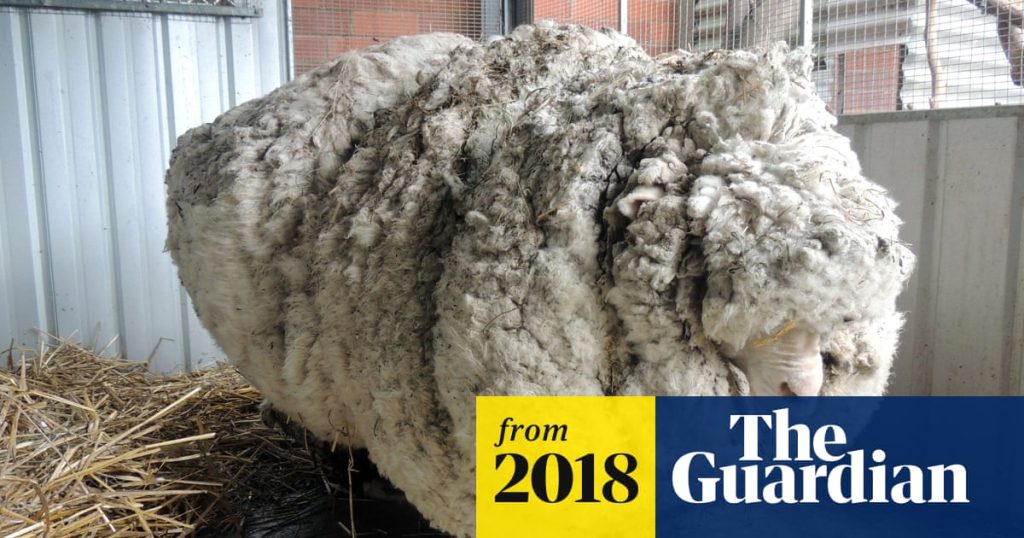
Have you ever wondered how wild sheep manage to stay comfortable without anyone stepping in to shear their wool? Unlike the sheep you see on farms, wild sheep don’t get regular haircuts.
Yet, they survive through harsh seasons and changing weather. If you think they must be struggling under thick, heavy coats, think again. Discovering the natural ways wild sheep handle their wool can change how you see nature’s clever designs—and maybe even inspire you in unexpected ways.
Keep reading to find out the surprising secrets behind their survival.
Wild Sheep Wool Growth
Wild sheep grow wool naturally to protect themselves from cold weather. Their wool helps keep them warm during harsh seasons. Unlike farm sheep, wild sheep do not need people to cut their wool.
Their wool grows and falls off on its own. This natural process helps wild sheep stay comfortable and healthy in the wild without human help.
Seasonal Shedding Patterns
Wild sheep shed their wool once or twice a year. This happens during warmer months when they do not need extra warmth. The wool loosens and falls off in patches.
Shedding helps them avoid overheating. It also makes room for new wool to grow back before cold weather returns.
- Wool grows thick in winter for warmth
- Wool sheds in spring or early summer
- Shedding occurs naturally without human help
- Loose wool often falls off during rubbing or movement
Differences From Domesticated Sheep
Domesticated sheep have been bred to grow more wool than wild sheep. They need regular shearing to stay healthy. Without shearing, their wool can become too heavy and cause problems.
Wild sheep have less wool and shed it naturally. Their wool grows in a way that helps them survive in nature without human care.
- Wild sheep shed wool naturally; farm sheep do not
- Domesticated sheep grow thicker wool continuously
- Shearing is necessary for farm sheep health
- Wild sheep wool is thinner and less dense
Natural Wool Management
Wild sheep live without human help to manage their wool. They have natural ways to keep their coats healthy and comfortable. Their wool grows and sheds in cycles that fit their environment.
This natural wool management helps wild sheep survive cold winters and hot summers. Their bodies adapt to changes in weather without needing shearing from people.
Self-shedding Mechanisms
Wild sheep naturally shed their wool without help. Their fleece becomes loose as new wool grows underneath. Over time, the old wool falls off by itself.
This process helps them avoid heavy, matted wool. It also stops wool from trapping dirt and pests. Shedding happens more in spring and summer when the weather warms up.
- New wool grows under old fleece
- Old wool loosens and falls off
- Shedding matches seasonal changes
- Prevents wool from becoming too thick
Role Of Weather And Environment
Weather and environment affect how wild sheep manage their wool. Cold seasons cause wool to grow thick for warmth. Warm seasons trigger shedding to keep cool.
Wild sheep live in places with changing weather. Their wool adapts to protect them from rain, wind, and sun. This natural cycle helps them stay healthy all year.
- Cold weather makes wool grow thick
- Warm weather causes wool to shed
- Wool protects from rain and wind
- Sunlight helps dry the wool
Behavioral Adaptations
Wild sheep survive without shearing by using smart behaviors. These behaviors help them manage their thick wool and stay comfortable.
Their habits reduce wool buildup and protect them from bad weather. These actions keep wild sheep healthy in nature.
Grooming And Rubbing Habits
Wild sheep often groom themselves by rubbing against trees and rocks. This helps remove loose wool and dirt.
- Rubbing sheds old wool naturally
- Scratching removes parasites
- Grooming keeps their coat clean
- Social grooming helps build bonds
Selecting Sheltered Habitats
Wild sheep choose places that protect them from wind and rain. Sheltered spots help reduce wool damage and keep them warm.
| Habitat Feature | Benefit for Sheep |
| Rocky caves | Protection from storms |
| Dense bushes | Wind block and shade |
| Steep slopes | Less predator access |
Credit: www.abc.net.au
Physical Traits Supporting Survival
Wild sheep live in many tough places. They do not get sheared by people like farm sheep.
Their bodies have special traits that help them stay safe and warm without shearing.
Wool Texture And Density
Wild sheep have wool that is different from farm sheep. Their wool grows thick and dense.
This dense wool keeps them warm in cold weather and protects them from rain and wind.
- The wool is coarse, so it dries quickly after rain.
- It traps air, which helps keep body heat inside.
- The dense wool blocks insects and dirt from reaching the skin.
Body Size And Shape Benefits
Wild sheep have a body shape that helps them survive without human help.
Their size and shape help with heat control and moving on rough land.
- They have strong legs for climbing steep mountains and rocky areas.
- A compact body helps keep warmth during cold nights.
- Smaller ears reduce heat loss in cold climates.
Predator Avoidance And Mobility
Wild sheep live in places with many dangers. They need to avoid predators and move fast to stay safe.
Not having heavy wool helps them run quickly and hide better in their environment.
Light Wool For Agility
Wild sheep have light wool that does not weigh them down. This helps them stay quick and alert.
With less wool, they can jump and climb steep hills easily. This agility helps them escape predators fast.
Camouflage Advantages
Their wool color blends with rocks and plants around them. This makes it hard for predators to spot them.
Changing wool color helps wild sheep stay hidden through different seasons. Camouflage keeps them safer from attacks.
Comparing Wild And Domestic Sheep
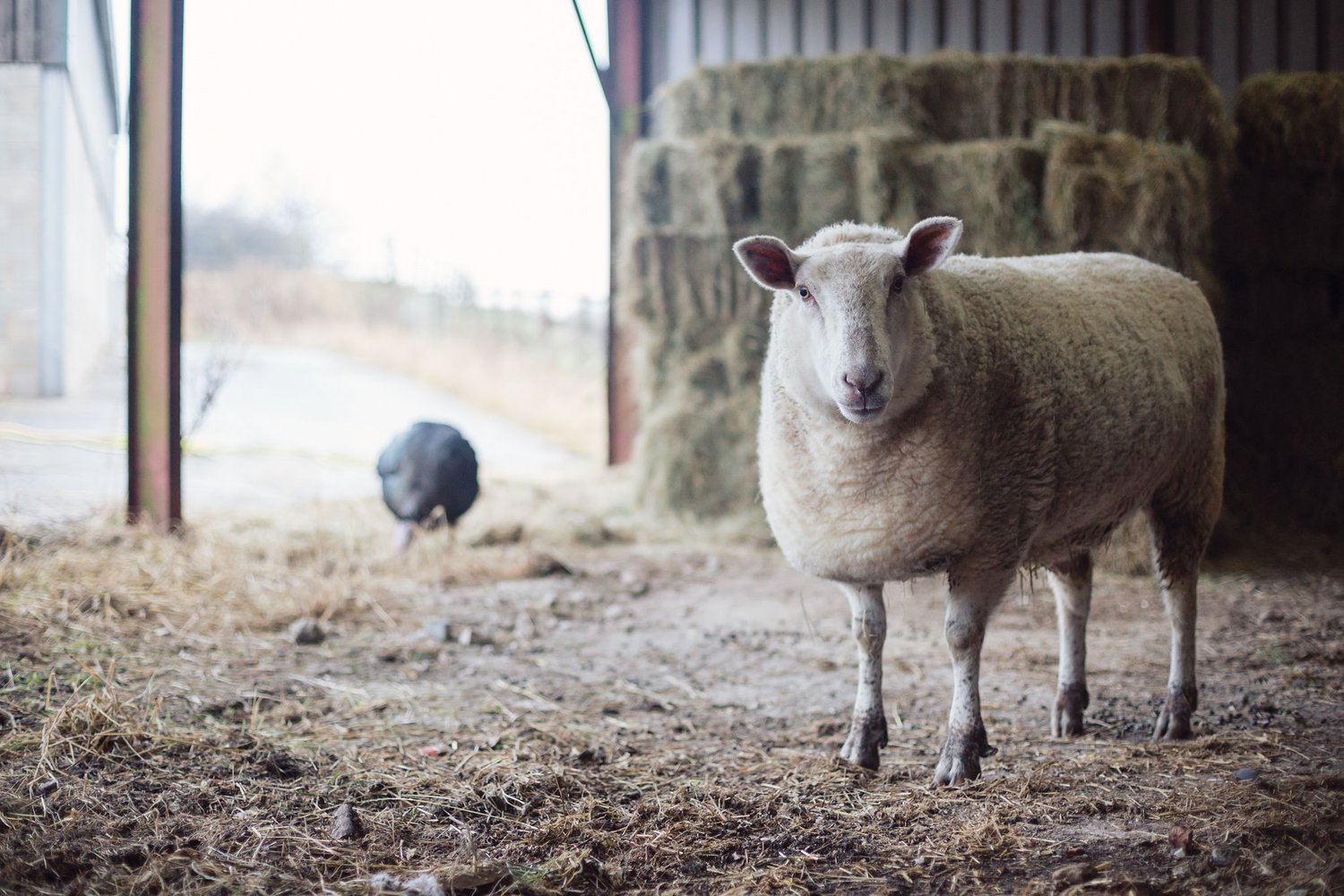
Wild and domestic sheep look similar but live very different lives. Wild sheep survive without help from people. Domestic sheep depend on humans for care and shearing.
Understanding how wild sheep manage their wool helps us learn why domestic sheep need regular shearing.
Wool Production Differences
Wild sheep grow wool naturally to protect them from cold and weather. Their wool stops growing once it reaches a certain length. This helps them stay warm without getting too heavy.
Domestic sheep have been bred to produce more wool. Their wool keeps growing nonstop. This can cause problems if the wool is not cut regularly.
- Wild sheep wool grows to a limited length.
- Domestic sheep wool grows continuously.
- Wild sheep shed wool naturally in some cases.
- Domestic sheep rely on humans to remove extra wool.
Human Influence On Wool Growth
Humans breed domestic sheep to have thick, heavy wool. This makes sheep produce more wool than they would in the wild. Without shearing, this wool can harm the sheep.
Wild sheep do not have human influence. Their wool stays manageable and they can survive without shearing. Domestic sheep need human care to stay healthy.
- Humans select sheep for more wool production.
- Domestic sheep depend on humans for wool care.
- Wild sheep manage wool growth by themselves.
- Shearing prevents wool overgrowth in domestic sheep.
Implications For Conservation
Wild sheep grow thick wool naturally. They do not need shearing like farm sheep. This helps them survive in cold and harsh places.
Understanding how wild sheep live can help protect them. Conservation efforts focus on keeping their homes safe and their numbers strong.
Maintaining Natural Habitats
Wild sheep depend on natural habitats for food, shelter, and safety. These areas must stay healthy and free from damage.
- Protect grasslands and mountain slopes where sheep graze
- Limit human activities like mining and construction
- Control invasive plants that harm native vegetation
- Preserve water sources for drinking and cooling
Protecting Wild Sheep Populations
Wild sheep need protection from hunting and diseases. Keeping their numbers healthy supports the whole ecosystem.
| Threat | Impact | Conservation Action |
| Illegal hunting | Reduces population | Enforce anti-poaching laws |
| Disease outbreaks | Causes deaths | Monitor health and vaccinate |
| Habitat loss | Limits space and food | Protect and restore habitats |
Credit: www.surgesanctuary.org
Credit: www.abc.net.au
Frequently Asked Questions
Why Don’t Wild Sheep Need Shearing?
Wild sheep naturally shed their wool through a process called molting. This occurs during warmer months. They have evolved to maintain a balance between insulation and shedding, which helps them adapt to various climates. This natural shedding process ensures they don’t carry excessive wool that could hinder their survival in the wild.
How Do Wild Sheep Manage Wool Growth?
Wild sheep have a natural ability to control wool growth. Their wool grows just enough to provide insulation. During warmer months, they shed excess wool, preventing overheating. This evolutionary adaptation allows them to survive without human intervention. Their wool growth is perfectly attuned to their environmental needs.
Do Wild Sheep Face Any Risks Without Shearing?
Wild sheep generally manage well without shearing. However, excessive wool can occasionally cause problems. In rare cases, tangled wool can trap debris or moisture, leading to skin issues. Nonetheless, their natural shedding process usually prevents these problems, allowing them to maintain healthy coats in their natural habitats.
Can Wild Sheep Survive Extreme Climates?
Yes, wild sheep are well-adapted to extreme climates. Their wool provides insulation in cold weather, while shedding helps in heat. Their ability to regulate wool growth and shedding ensures they thrive in diverse environments. This adaptability allows them to survive in various climates, from mountains to deserts.
Conclusion
Wild sheep stay safe and warm without needing shearing. Their wool naturally sheds as seasons change. This helps them avoid overheating in summer. They also live in places where weather suits their thick coats. Nature gives them all they need to survive.
Watching wild sheep shows how animals adapt well. Their wool care is simple and smart. Understanding this helps us respect how animals live free. Wild sheep teach us about natural balance and survival.