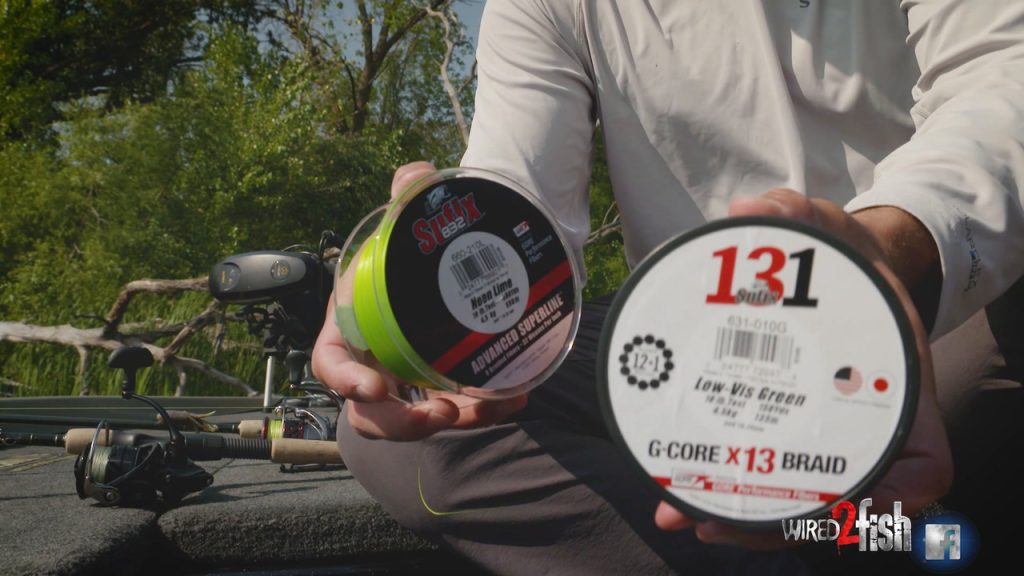
Have you ever wondered if the color of your fishing line really makes a difference? You might think it’s just about looks, but the right color can actually change your fishing game.
Whether you’re aiming to catch more fish or avoid spooking them, understanding fishing line color can give you an edge. Keep reading, and you’ll discover simple tips that could help you reel in your next big catch.

Credit: fishingbooker.com
Impact Of Line Color On Fish Behavior
Fishing line color can influence how fish react around your bait. Fish see colors differently than humans, which affects their behavior.
Understanding fish vision helps anglers choose the best line color. This can improve chances of catching fish.
How Fish See Colors
Fish see colors using special cells called cones in their eyes. These cones detect light and color in water. Some fish see many colors, while others see few.
- Freshwater fish often see reds and greens well.
- Saltwater fish may see blues and ultraviolet light better.
- Some fish see in black and white only.
Color Sensitivity Across Species
Different fish species react to colors in unique ways. Some avoid bright colors, while others are attracted to them.
| Fish Species | Color Sensitivity | Behavior Impact |
| Trout | Green and Brown | Less spooked by natural colors |
| Bass | Red and Orange | Attracted to bright bait colors |
| Salmon | Blue and Violet | Respond well to shiny lures |
| Catfish | Limited color vision | Use scent over color |
Effect Of Water Clarity
Water clarity changes how colors look to fish. Clear water shows true colors, while murky water changes them.
Choose line colors based on water clarity:
- Clear Water:Use natural colors like green or clear to avoid detection.
- Stained Water:Use brighter colors to increase visibility.
- Murky Water:Use high contrast colors like chartreuse or white.

Credit: www.youtube.com
Popular Fishing Line Colors
Fishing line color can affect how fish see your line. Choosing the right color helps you catch more fish.
Different colors work better in certain water types and light conditions. Let’s look at popular fishing line colors.
Clear And Fluorocarbon Lines
Clear lines are hard to see underwater. They blend well in clear water and bright light.
Fluorocarbon lines are almost invisible underwater. They have a refractive index close to water.
- Clear lines are good for sight-sensitive fish.
- Fluorocarbon is strong and sinks faster.
- Both work well in clean, clear water.
Green And Camouflage Lines
Green lines blend into water with plants or algae. They hide well in lakes and rivers.
Camouflage lines mix green and brown tones. They help in murky or muddy water.
- Green lines reduce line visibility near vegetation.
- Camouflage lines work in stained or dark water.
- Both colors help fish ignore the line.
Bright And High-visibility Lines
Bright lines like yellow or orange are easy to see above water. They help anglers watch the line.
These colors are good for windy or low-light conditions. They improve line tracking and control.
- Yellow lines are popular for braided fishing lines.
- High-visibility lines help detect bites faster.
- They are best for anglers, not for hiding line underwater.
Choosing Line Color By Fishing Environment
Choosing the right fishing line color can help you catch more fish. The water and light affect how fish see your line.
Picking a color that blends with your environment makes the line less visible to fish. This can increase your chances of success.
Freshwater Vs Saltwater
Freshwater and saltwater have different colors and clarity. This changes how you should pick your line color.
In freshwater, green or brown lines work well. They blend with plants and mud. Saltwater is often blue or clear, so clear or blue lines are best.
- Freshwater: green, brown, or camouflage colors
- Saltwater: clear, blue, or light gray colors
Daylight And Weather Conditions
Bright daylight makes lines easier for fish to see. Cloudy or low light hides lines better.
Use darker lines on sunny days. Use lighter or clear lines when it is cloudy or in low light to stay less visible.
- Sunny days: dark green or brown lines
- Cloudy or low light: clear or light-colored lines
Bottom And Surface Fishing
Fishing near the bottom or on the surface needs different line colors. The background color changes by depth.
Use dark colors for bottom fishing to blend with rocks and plants. Use clear or light colors for surface fishing to avoid spooking fish.
- Bottom fishing: dark green, brown, or black lines
- Surface fishing: clear, fluorescent, or light-colored lines
Line Color And Angler Techniques
The color of fishing line can change how fish see it in the water. Anglers use different line colors to improve their chances of catching fish.
Choosing the right line color helps with both hiding the line and managing it during fishing. Different techniques use line colors in unique ways.
Stealth Approaches
Using a line color that blends with the water helps keep the line hidden. Clear or green lines work well in clear water.
Fish are less likely to notice a line that matches the water color. This helps when fishing in calm or clear conditions.
Using Bright Lines For Line Management
Bright colored lines help anglers see the line above water. This makes it easier to control the line and detect bites.
Colors like yellow, orange, or pink stand out. They help during low light or when fishing in heavy cover.
- Bright lines improve visibility
- They help detect line movement
- Useful in rough or dark conditions
Matching Line Color To Lure
Choosing a line color similar to the lure can reduce fish suspicion. This can make the lure look more natural underwater.
For example, use green line with green lures or clear line with light-colored lures. This method helps in clear water and bright conditions.
Scientific Studies And Angler Experiences
Fishing line color can affect how fish see the line. Some studies test which colors are less visible underwater. Anglers also share their own stories about line color and fishing success.
We will look at research findings and real angler experiences. This helps understand if line color really matters when fishing.
Research Findings On Line Visibility
Scientists study how different colors show up in water. Water changes how light travels, so some colors stand out more. Tests show that some colors blend better in certain water types.
- Clear or green lines work well in clear water.
- Blue lines can disappear in deep water.
- Fluorescent colors are easy for anglers to see but may scare fish.
- Brown or camouflage lines blend in muddy water.
| Line Color | Best Water Type | Visibility to Fish |
| Clear | Clear Water | Low |
| Green | Clear or Weedy Water | Low |
| Blue | Deep Water | Very Low |
| Fluorescent | Any | High |
| Brown | Muddy Water | Low |
Anecdotes From Experienced Anglers
Many anglers say line color affects their catch. Some prefer bright lines to watch the line better. Others choose colors that fish cannot see easily.
- One angler uses green line in lakes with plants to avoid spooking fish.
- Another prefers clear line for all types of fishing because it is less visible.
- Some anglers change line color based on water color and weather.
- A few anglers say line color does not change their results much.
Tip:Test different line colors in your fishing spot. Notice which line lets you catch more fish.
Tips For Selecting The Right Line Color
Choosing the right fishing line color can improve your catch rate. It helps your line blend in or stand out, depending on the situation.
This guide covers how to pick a line color by looking at fishing conditions, trying different colors, and balancing visibility with stealth.
Assessing Fishing Conditions
Look at water clarity, light, and weather before picking your line color. Clear water needs less visible colors, while murky water calls for brighter colors.
- Use clear or light green lines in clear water
- Choose bright colors like orange or yellow in dark or stained water
- Match the line color to the bottom color if fishing near the lake or river floor
- Pick lines that are less visible in bright sunlight for better stealth
Trial And Error Methods
Trying different line colors helps you learn what works best in your fishing spots. Keep notes on which colors catch more fish.
| Line Color | Water Type | Success Rate |
| Clear | Clear Water | High |
| Fluorescent Yellow | Murky Water | Medium |
| Green | Weedy Areas | High |
| Blue | Open Water | Low |
Balancing Visibility And Stealth
Find a line color that fish do not see easily but you can still see. This balance helps you avoid spooking fish and keeps control of your line.
Tips for balancing visibility and stealth:
- Choose low-visibility colors for clear water to stay hidden
- Use bright colors near the surface to track your line
- Consider using a two-tone line for both visibility and camouflage
Credit: reactiontackle.com
Frequently Asked Questions
Does Fishing Line Color Affect Fish Bites?
Yes, fishing line color can impact fish bites. Some fish are sensitive to certain colors. Clear or light colors blend better in clear water. Darker lines work well in murky water. Choosing the right color increases catch chances.
Which Fishing Line Color Is Best For Clear Water?
For clear water, transparent or light blue lines work best. These colors are less visible to fish. They help avoid spooking fish and improve bite rates. Anglers often prefer fluorocarbon or clear monofilament lines in such conditions.
Can Fishing Line Color Reduce Visibility Underwater?
Yes, fishing line color influences underwater visibility. Matching line color with water type reduces detection by fish. Natural tones like green or brown blend well in vegetation. Proper color choice helps anglers stay stealthy and improves fishing success.
Does Fishing Line Color Matter In Different Light Conditions?
Fishing line color matters in varying light. Bright colors are easier to see in low light. Dark colors work better in bright sunlight to avoid glare. Adjusting line color based on light improves fishing efficiency.
Conclusion
Choosing the right fishing line color can affect your catch. Clear lines work well in clear water. Green or blue lines blend in with water color. Bright lines help you see the line better. Fish behavior and water conditions matter most.
Try different colors to find what works best. Your fishing success depends on many small choices. Remember, line color is one of them. Keep experimenting and enjoy your time fishing.