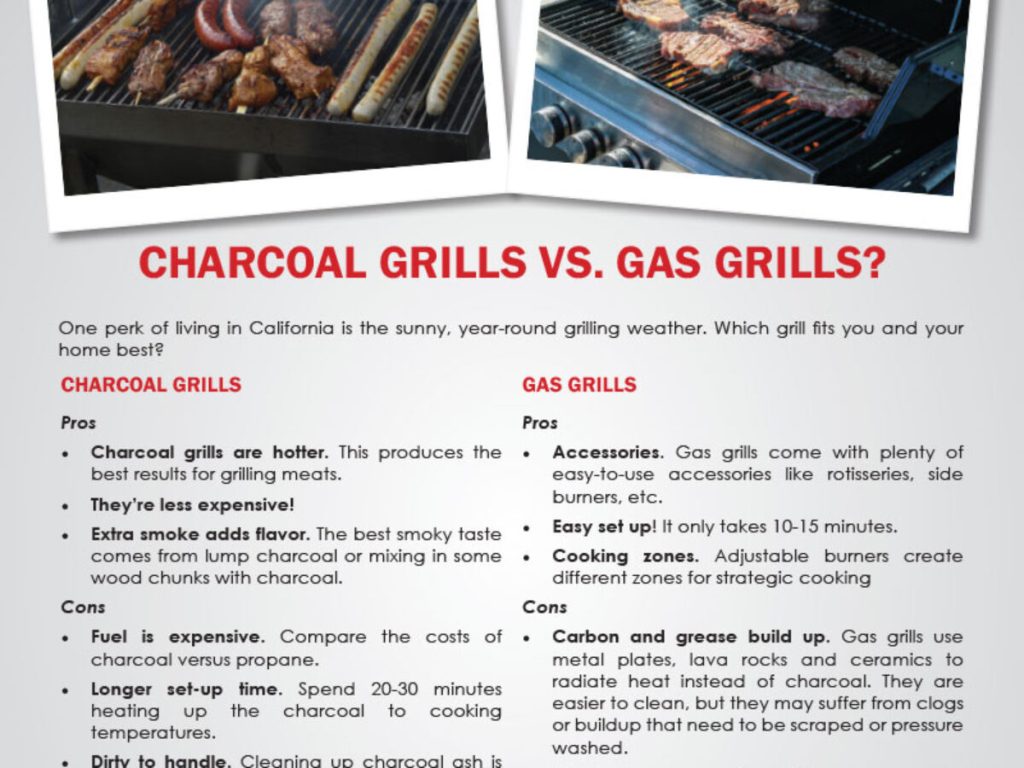
Have you ever wondered just how hot your charcoal grill can get? Knowing the answer can make a big difference in cooking your favorite meals perfectly every time.
Whether you’re aiming for a slow, smoky flavor or a quick sear, understanding your grill’s temperature is key. You’ll discover exactly how hot a charcoal grill can reach and how to control that heat to match your cooking needs. Keep reading to unlock the secrets that will take your grilling skills to the next level.
Credit: www.siuhaau.com
Charcoal Grill Heat Basics
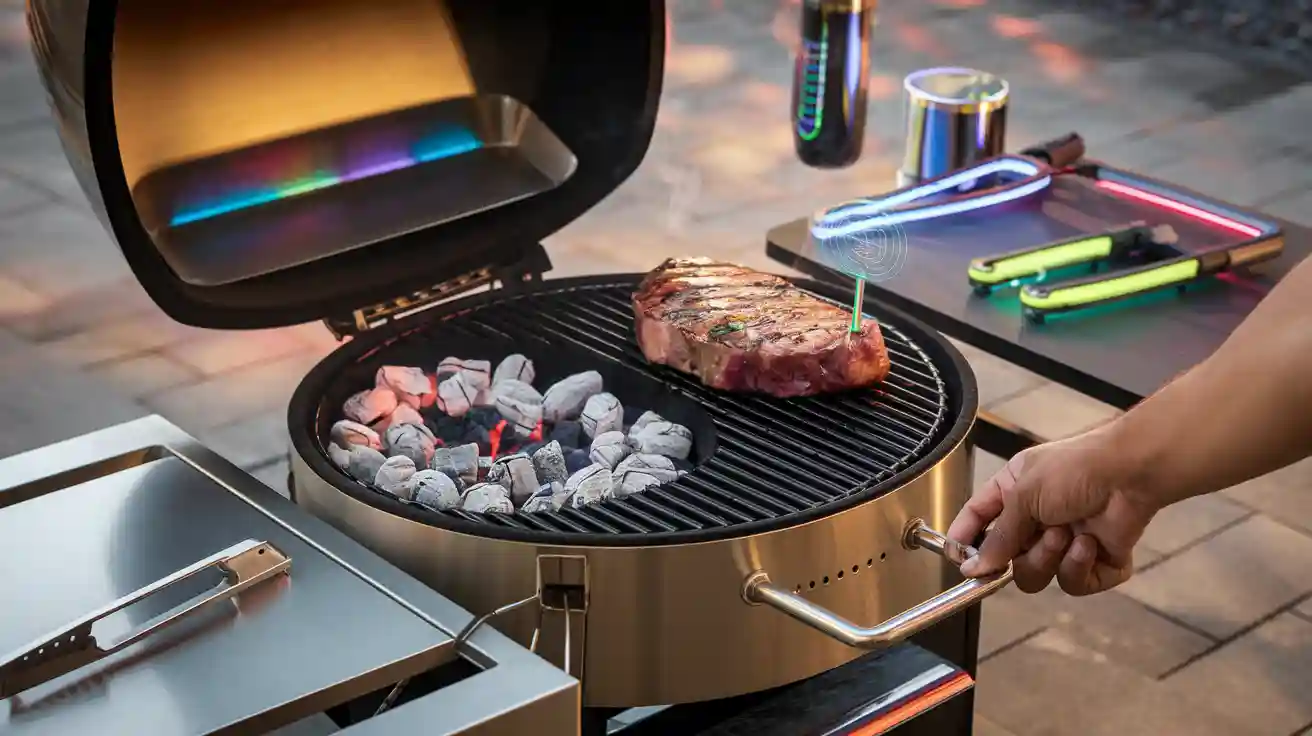
Charcoal grills use burning charcoal to create heat for cooking. The heat can get very high, making it good for grilling meat and vegetables.
Understanding how hot a charcoal grill gets helps you cook your food better. Different factors change the grill’s temperature.
Types Of Charcoal
There are different types of charcoal for grilling. Each type burns at a different heat level and time.
Choosing the right charcoal affects how hot your grill gets and how long it stays hot.
- Briquettes:Made from compressed charcoal and additives. They burn evenly and last longer.
- Lump Charcoal:Made from pure wood chunks. Burns hotter and faster but less even.
- Instant Light Charcoal:Contains chemicals to start quickly. Burns fast but may have less heat.
Factors Affecting Grill Temperature
Several things change how hot a charcoal grill gets. Knowing these helps you control the heat better.
Airflow, charcoal amount, and grill size all affect the temperature inside the grill.
- Airflow:More air means hotter fire. Open vents raise heat, closed vents lower it.
- Charcoal Amount:More charcoal makes more heat. Less charcoal creates lower temperatures.
- Grill Size:Bigger grills need more charcoal to reach high heat.
- Charcoal Arrangement:Piling charcoal in one spot makes a hot zone for direct cooking.
- Wind and Weather:Wind can increase heat, rain cools the grill down.
Credit: ddrbbqsupply.com
Temperature Ranges For Charcoal Grills
Charcoal grills can reach different temperature ranges. Knowing these ranges helps you cook food well.
Each heat level suits different types of grilling. Let’s explore the common temperature zones.
Low Heat (200-300°f)
Low heat is good for slow cooking and smoking. It cooks food gently without burning.
Use low heat to cook thick meats or delicate items like fish and vegetables.
- Ideal for smoking meats
- Keeps food tender
- Prevents charring
Medium Heat (300-450°f)
Medium heat is a versatile range for grilling most foods. It cooks food evenly and fast.
This heat level works well for burgers, chicken, and vegetables.
- Good for searing and cooking through
- Balances speed and control
- Prevents flare-ups
High Heat (450-700°f)
High heat grills food quickly and adds a nice crust. It is great for steaks and chops.
Use high heat to get grill marks and seal in juices fast.
- Best for quick searing
- Creates a smoky flavor
- Can char food if not watched
Extreme Heat Zones
Some charcoal grills can reach over 700°F in hot spots. These zones help with fast searing.
Use extreme heat zones carefully to avoid burning. Move food to cooler spots if needed.
- Ideal for quick searing steaks
- Creates deep grill marks
- Needs close attention
Measuring Grill Temperature
Knowing how hot your charcoal grill gets is important for cooking food right. Measuring temperature helps you control heat and avoid burning.
There are different ways to check the grill’s temperature. Some tools make it easy, while others use simple tests.
Using Built-in Thermometers
Many charcoal grills come with built-in thermometers on the lid. These show you the grill’s air temperature inside.
Built-in thermometers help you keep track of heat without opening the grill. But they may not be very accurate for cooking surface heat.
- Check the thermometer before cooking
- Keep the lid closed for steady readings
- Use it as a guide, not an exact measure
Digital Temperature Probes
Digital probes measure the exact heat of the grill surface or inside the meat. They give quick and accurate temperature readings.
Place the probe on the grill or in the food. Digital displays show the temperature in degrees Fahrenheit or Celsius.
- Insert probe tip near the cooking area
- Wait a few seconds for the reading
- Use probe readings to adjust charcoal or vents
Hand Test Method
The hand test is a simple way to estimate grill heat without tools. Hold your hand above the grill and count seconds before it feels too hot.
This method helps you judge low, medium, or high heat levels by how long you can keep your hand near the coals.
- Hold your hand 5 inches above the grill
- 4-5 seconds means low heat (250-300°F)
- 2-3 seconds means medium heat (350-450°F)
- 1 second means high heat (500°F or more)
Controlling Charcoal Grill Heat
Controlling the heat on a charcoal grill is key to cooking food well. You can change the temperature by adjusting air flow, charcoal placement, and charcoal amount.
Knowing how to manage these factors helps you cook different foods at the right heat. This guide explains simple ways to control your grill’s temperature.
Adjusting Air Vents
Air vents control how much oxygen reaches the charcoal. More oxygen means hotter coals. Less oxygen cools them down.
- Open vents fully for high heat.
- Partially close vents for medium heat.
- Close vents mostly to lower the temperature.
- Always keep some vents open to avoid choking the fire.
Charcoal Arrangement Techniques
How you place charcoal affects heat zones and cooking control. Different setups work for various grilling needs.
| Arrangement | Heat Level | Use |
| Single Layer | Medium to high | Direct grilling of burgers and steaks |
| Two-Zone | One side hot, one side cooler | Cooking and warming or slow cooking |
| Pile or Chimney | Very hot | Starting coals quickly or searing |
Adding Or Removing Charcoal
More charcoal means higher heat and longer cooking. Removing some charcoal lowers the temperature. Adding charcoal during cooking can raise heat again.
- Add fresh charcoal to increase heat quickly.
- Remove some charcoal to cool the grill down.
- Spread charcoal evenly for consistent heat.
- Use fewer coals for slow cooking or smoking.
Heat Levels For Different Bbq Foods
Charcoal grills can reach very high temperatures. Different foods need different heat levels for the best taste.
Knowing how hot your grill should be helps cook food evenly and safely. Let’s look at heat levels for common BBQ foods.
Searing Steaks And Burgers
Searing needs very high heat to create a crust on the outside. This locks in juices and flavor.
Charcoal grills should reach 450°F to 550°F for searing steaks and burgers. Use direct heat and cook quickly.
- Preheat grill until coals are glowing red
- Place meat directly over hot coals
- Cook steaks 3-5 minutes per side
- Flip burgers once for even cooking
Grilling Chicken And Pork
Chicken and pork need medium heat to cook through without burning. Too hot heat can dry the meat.
Set the grill between 350°F and 450°F. Use indirect heat for thicker pieces to avoid flare-ups.
- Start with direct heat to brown the outside
- Move to cooler side to finish cooking
- Cook chicken to 165°F internal temperature
- Pork should reach at least 145°F inside
Cooking Vegetables And Fish
Vegetables and fish cook best at low to medium heat. This keeps them from burning and dries out less.
Keep the grill around 300°F to 400°F. Use indirect heat or a grill basket for delicate foods like fish.
- Brush vegetables with oil to prevent sticking
- Use foil or grill baskets for fish
- Cook fish until it flakes easily with a fork
- Vegetables usually take 5-10 minutes to grill
Smoking Low And Slow
Smoking uses low heat over a long time. It adds smoke flavor and makes meat very tender.
Keep the charcoal grill between 225°F and 275°F. Use indirect heat and add wood chips for smoke.
- Place coals to one side for indirect cooking
- Keep grill lid closed to hold heat and smoke
- Cook large cuts for several hours
- Use a thermometer to check meat doneness
Common Heat Issues And Fixes
Charcoal grills can get very hot, but sometimes the heat is not right. This can make cooking hard or uneven.
Below are common heat problems with charcoal grills and easy ways to fix them. These tips help you cook better every time.
Grill Too Hot
If your grill gets too hot, food can burn outside and stay raw inside. High heat can also make it hard to control cooking.
This usually happens if you use too much charcoal or if air vents are wide open, letting in too much oxygen.
- Close the air vents partially to reduce airflow.
- Use fewer charcoal briquettes or spread them out more.
- Raise the grill grate to increase distance from coals.
- Keep the lid closed to keep heat stable.
Grill Too Cool
A grill that is too cool cooks food slowly and may not give a good sear. This can happen if there is not enough charcoal or if vents are mostly closed.
Low heat can also come from wet charcoal or wind that cools the fire.
- Add more dry charcoal or lighter fluid if needed.
- Open air vents to allow more oxygen in.
- Keep the grill in a sheltered spot to avoid wind.
- Use a chimney starter to get charcoal hot before adding it.
Uneven Heat Distribution
Uneven heat means some parts of the grill are hotter than others. This causes food to cook unevenly or burn in spots.
This problem happens if coals are not spread evenly or if the grill grate is warped or dirty.
- Spread charcoal evenly or create heat zones (hot and cool areas).
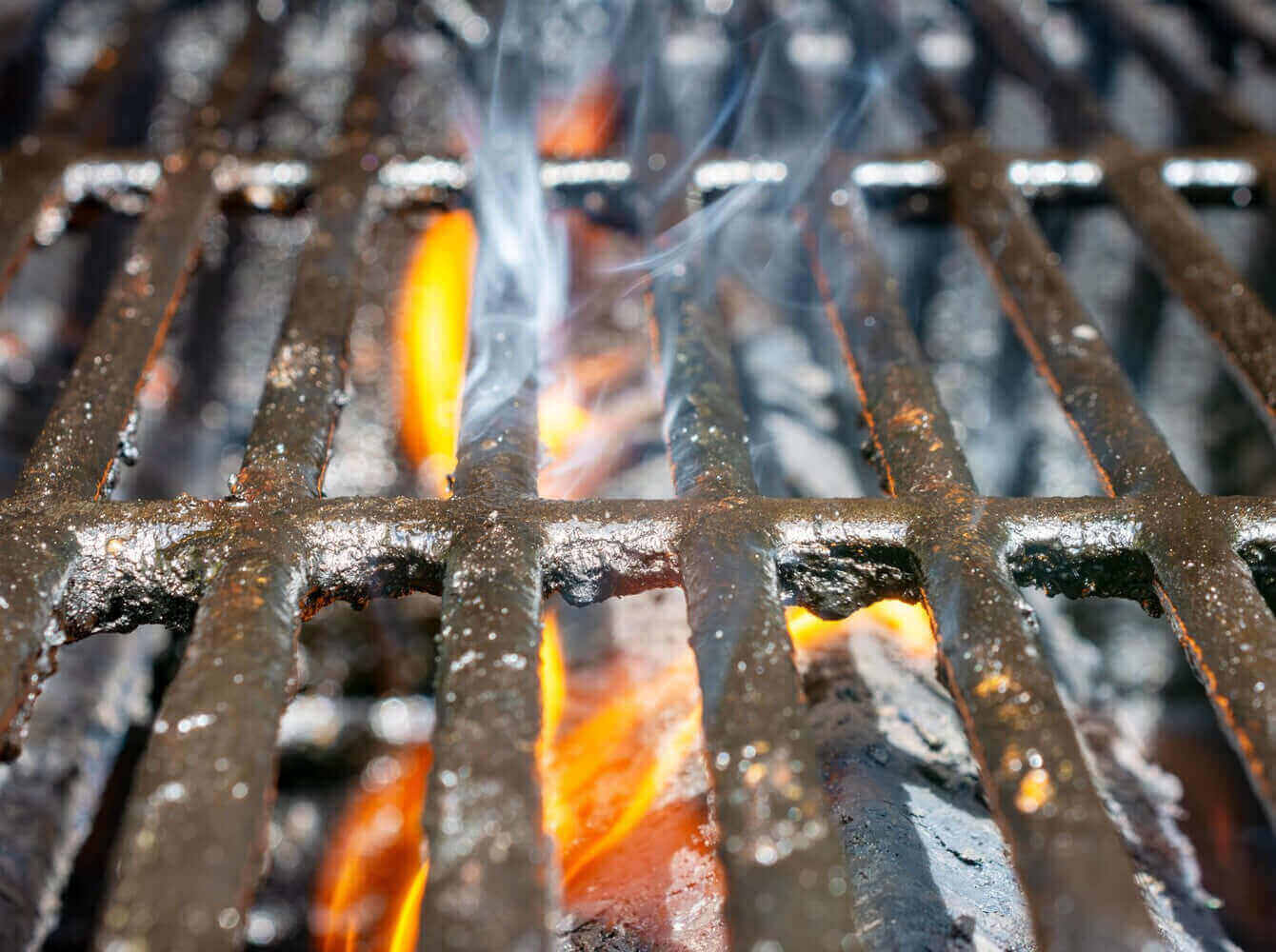
- Clean the grill grate before cooking.
- Check the grate for damage and replace if bent or warped.
- Use a drip pan to reduce flare-ups and hot spots.
Tips For Maintaining Consistent Heat
Keeping a steady temperature on your charcoal grill helps cook food evenly. It also saves fuel and makes grilling easier.
Here are some simple ways to keep your charcoal grill hot and stable during cooking.
Preheating Techniques
Preheating your grill properly sets the right base temperature. It helps the charcoal burn evenly and avoids cold spots.
- Open the vents fully to allow air to flow.
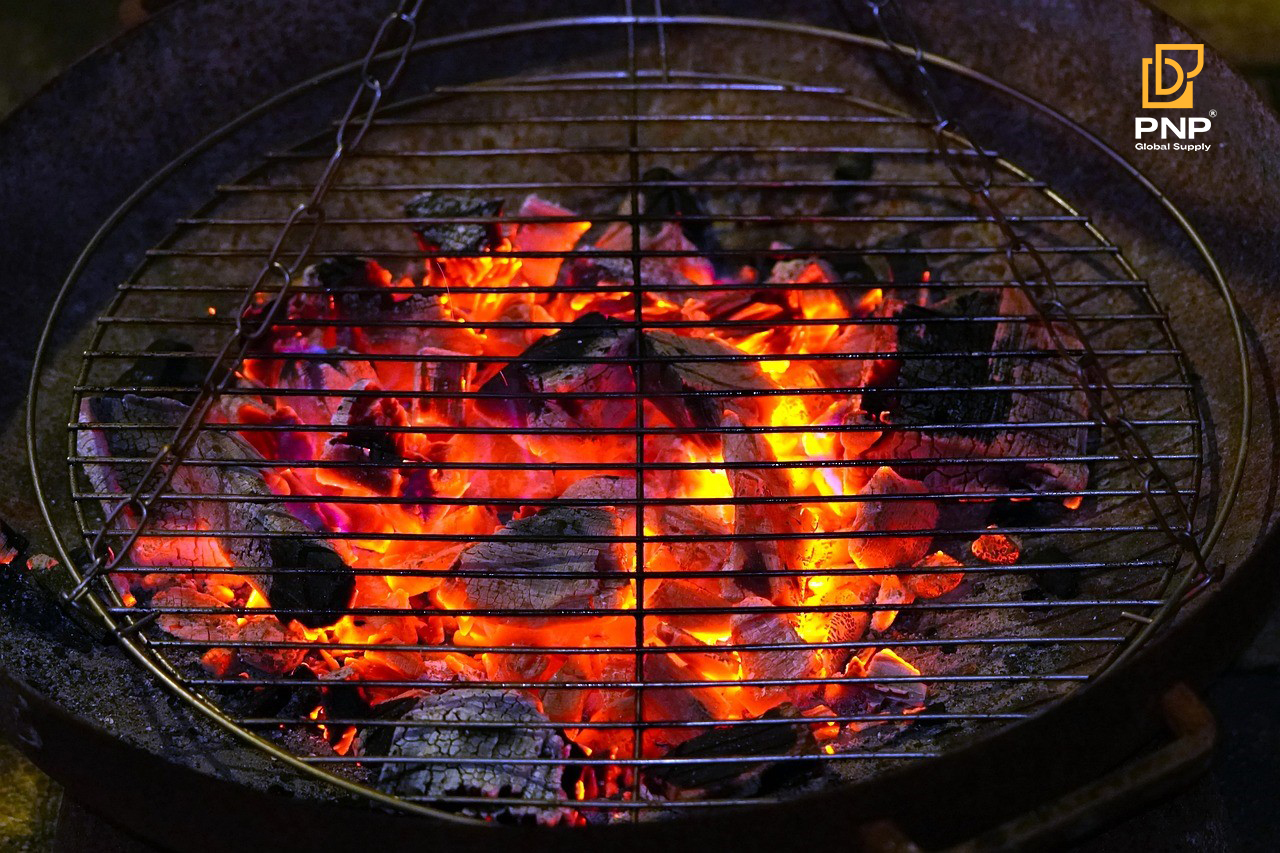
- Light the charcoal and let it burn until covered with white ash.
- Spread the coals evenly across the grill surface.
- Close the lid and wait 10-15 minutes before cooking.
Fuel Quality And Storage
Good charcoal burns hotter and longer. Storing it well keeps it dry and ready to use.
| Fuel Type | Heat Output | Burn Time |
| Natural Lump Charcoal | High | Long |
| Charcoal Briquettes | Medium | Medium |
| Instant Light Charcoal | Low | Short |
Store charcoal in a dry, cool place. Use airtight containers or bags to protect it from moisture.
Cleaning And Maintenance
Clean grills hold heat better. Removing ash and grease helps air flow and prevents flare-ups.
- Remove ashes after each use.
- Scrub grill grates with a wire brush before and after cooking.
- Check vents and keep them clear of blockages.
- Inspect charcoal trays and replace if damaged.
Credit: pnpcharcoal.com
Frequently Asked Questions
How Hot Can A Charcoal Grill Get?
A charcoal grill can reach temperatures between 500°F and 700°F. This high heat is ideal for searing meats and achieving those perfect grill marks. The temperature can vary based on factors like airflow, amount of charcoal, and grill type.
Why Does Charcoal Burn Hotter Than Wood?
Charcoal burns hotter because it is a more concentrated form of carbon. The production process removes moisture and volatile compounds, leaving mainly carbon. This results in a hotter, more efficient burn compared to wood, making it ideal for grilling.
How Do You Measure Charcoal Grill Temperature?
Use a grill thermometer to measure the temperature. Insert it into the grill through a vent or hole. Some grills come with built-in thermometers. Monitoring the temperature ensures optimal cooking conditions and prevents overcooking or undercooking your food.
How Long Does Charcoal Stay Hot?
Charcoal can stay hot for 30 to 60 minutes at peak heat. The burn time can extend to two hours with proper management. Adding more charcoal or adjusting airflow can help maintain the desired temperature for longer cooking sessions.
Conclusion
Charcoal grills can reach very high temperatures, often over 700°F. This heat helps cook food quickly and adds a smoky flavor. Controlling the airflow changes the heat level easily. Knowing how hot your grill gets helps you cook better. Keep safety in mind when handling hot charcoal.
Enjoy grilling with confidence and tasty results every time.