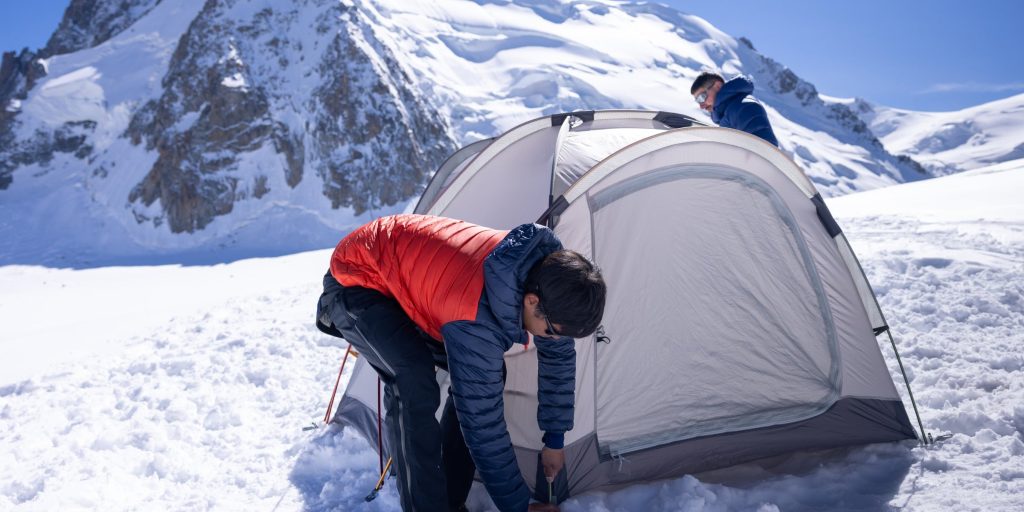
When you’re out tent camping, staying warm can make all the difference between a great night and a restless one. Imagine waking up cozy and refreshed, even when the temperature drops outside your tent.
You might think it’s hard to stay warm in the wild, but with the right tips and tricks, you can enjoy the crisp air without shivering through the night. This guide will show you simple, effective ways to keep your body heat up and make your camping experience comfortable and memorable.
Ready to discover how to stay warm while tent camping? Let’s dive in.
Choose The Right Tent
Staying warm while tent camping starts with picking the right tent. A good tent keeps cold air out and warmth inside.
Focus on features that protect you from cold weather. The right tent makes camping more comfortable and safe.
Select A Four-season Tent
Four-season tents are built to handle snow, wind, and cold temperatures. They have stronger poles and sturdier fabric.
These tents keep you warmer by blocking harsh weather better than three-season tents. Choose one if camping in winter.
Check Tent Insulation Features
Look for tents with good insulation to keep heat inside. Some tents have thicker fabrics or extra layers.
Features like sealed seams and insulated floors help stop cold air from entering the tent. These details improve warmth.
- Thick, durable tent fabric
- Double walls or insulated layers
- Sealed or taped seams
- Insulated or thick floor
Consider Tent Size And Ventilation
Choose a tent size that fits your group but is not too big. A smaller tent holds body heat better.
Good ventilation prevents moisture buildup, which can make you cold. Look for vents that you can open or close easily.
- Smaller tents keep warmth inside
- Adjustable vents reduce condensation
- Balance size and comfort for best warmth
Pick Warm Sleeping Gear
Staying warm is very important when tent camping. The right sleeping gear helps you sleep well and stay comfortable.
Choose gear that keeps heat close to your body. This will protect you from cold nights outdoors.
Use High-quality Sleeping Bags
Pick sleeping bags made for cold weather. Look for bags that are insulated well and fit your body size.
Check the temperature rating on the sleeping bag. Choose one rated for colder temperatures than you expect.
- Down-filled bags are warm and lightweight.
- Synthetic bags keep warmth even if wet.
- Choose mummy-shaped bags for better heat retention.
Add Sleeping Pads For Insulation
Sleeping pads keep cold from the ground away. They add an extra layer of insulation under your sleeping bag.
Choose pads that are thick and have a high insulation rating. This stops heat loss through the ground.
- Foam pads are durable and provide good insulation.
- Inflatable pads are compact and offer extra comfort.
- Use pads with an R-value of 3 or higher for cold camping.
Layer With Blankets And Liners
Adding blankets and liners inside your sleeping bag increases warmth. Layers trap heat close to your body.
Use fleece or thermal liners for extra insulation. Wool blankets also work well if you want more heat.
- Place liners inside the sleeping bag for warmth.
- Add blankets over you for extra heat at night.
- Remove layers if you get too warm to avoid sweating.
Dress For Cold Weather
Staying warm is key when tent camping in cold weather. Your clothing helps keep your body heat. Wearing the right layers can stop cold air from reaching your skin.
Focus on fabrics and layering to stay comfortable. Avoid cotton because it holds moisture. Use clothes that dry fast and keep heat in.
Wear Moisture-wicking Base Layers
Base layers sit next to your skin. They pull sweat away to keep you dry. Dry skin stays warm longer in cold weather. Choose synthetic or wool materials for best results.
- Wear long-sleeve tops and leggings made of wool or polyester.
- Avoid cotton base layers as they trap moisture.
- Choose tight-fitting layers to help with moisture transfer.
- Change base layers if they get wet or sweaty.
Add Insulating Mid Layers
The mid layer traps warm air close to your body. It works like a blanket to keep heat in. Fleece and down are great choices. You can add or remove mid layers to control warmth.
| Material | Warmth | Weight |
| Fleece | High | Light |
| Down | Very High | Very Light |
| Synthetic Insulation | High | Moderate |
Use Hats, Gloves, And Socks
Heat escapes fastest from your head and extremities. Wearing warm accessories helps keep your whole body warm. Use wool or thermal fabrics for best results.
- Wear a wool or fleece hat to cover your head and ears.
- Choose insulated gloves or mittens that fit well.
- Use thick wool or synthetic socks that wick moisture.
- Bring extra pairs of socks to stay dry.

Credit: m.youtube.com
Set Up Camp Strategically
Staying warm while tent camping starts with setting up your camp in the right spot. Choosing the best location helps keep out cold winds and traps heat.
Small choices in camp setup can make a big difference in staying cozy during chilly nights outdoors.
Choose Sheltered Campsites
Pick a campsite that is protected by natural barriers like trees or bushes. These block cold winds and help keep your tent warmer.
A sheltered spot also reduces the chance of rain or snow hitting your tent directly.
Avoid Low-lying Cold Spots
Cold air sinks, so avoid camping in valleys or depressions. These places collect cold air and feel much colder at night.
Choose higher ground or flat areas that allow air to flow and keep temperatures more stable.
Use Windbreaks And Tarps
Set up windbreaks using natural materials or camping gear to block cold winds. Tarps can add an extra shield around your tent.
Position tarps on the side where the wind usually blows to reduce heat loss from your tent.
- Use trees, bushes, or rocks as natural windbreaks
- Set up a tarp above or around your tent
- Secure tarps tightly to avoid flapping and heat loss
Use Heat Sources Safely
Staying warm is important when tent camping in cold weather. Using heat sources can help you stay comfortable. You must use these heat sources safely to avoid accidents.
Some heat sources are simple and safe if used correctly. Others need more care and attention. Always follow safety rules to protect yourself and your campsite.
Try Hot Water Bottles
Hot water bottles are an easy way to keep warm inside your sleeping bag. Fill a sturdy bottle with hot water and seal it tightly. Place it near your feet or under your jacket.
Use a cover or wrap the bottle in a cloth. This prevents burns and keeps the heat longer. Check the bottle for leaks before use to avoid spills.
Consider Portable Heaters
Portable heaters can warm your tent quickly. Use heaters made for camping and check their safety instructions. Never leave a heater unattended inside the tent.
Keep heaters away from flammable items like sleeping bags and clothes. Make sure the tent is well ventilated to avoid dangerous gases. Turn off heaters before sleeping.
- Choose heaters with automatic shut-off features
- Use carbon monoxide detectors if possible
- Keep a fire extinguisher nearby
Build A Safe Campfire
A campfire provides warmth and light outside your tent. Build the fire in a safe spot, away from tents and trees. Use a fire ring or clear stones to contain the fire.
Keep water or sand nearby to put out the fire quickly if needed. Never leave the fire unattended. Fully extinguish the fire before going to sleep or leaving the site.
- Clear dry leaves and sticks around the fire area
- Use small sticks and logs to control fire size
- Follow campground rules on fires

Credit: growattportable.com
Prepare And Stay Dry
Staying warm while tent camping starts with keeping dry. Wet clothes or gear make you cold fast.
Plan ahead to avoid moisture. This helps keep your body heat and comfort all night.
Keep Clothes And Gear Dry
Wet clothes lose heat quickly. Use waterproof bags to store clothes and gear inside your tent.
Bring rain gear and change out of wet clothes as soon as possible. Dry clothes keep you warm.
- Use dry bags or plastic sacks for clothes
- Keep rain jackets and pants handy
- Change into dry clothes before sleeping
- Store shoes outside or in a separate bag
Avoid Sweating At Night
Sweating makes your clothes damp and cool. Dress in layers to control your temperature.
Remove or add layers to stay comfortable. Avoid heavy sleeping bags if you tend to sweat a lot.
- Wear breathable, moisture-wicking clothes
- Adjust layers based on your heat
- Vent your tent to reduce heat buildup
- Use lighter sleeping bags if needed
Manage Condensation Inside Tent
Condensation happens when warm air meets cold tent walls. This can make your gear wet inside.
Keep tent vents open to let moisture escape. Avoid cooking or breathing too much inside the tent.
- Open tent vents or windows
- Set up tent in a breezy spot
- Keep wet items outside or in vestibule
- Use a ground tarp to reduce moisture from below
Optimize Body Heat
Staying warm during tent camping is very important. Your body heat keeps you comfortable at night.
Simple habits can help you keep your body heat steady. These include what you eat, drink, and do before sleep.
Eat High-calorie Meals
Your body burns calories to make heat. Eating high-calorie foods helps keep your body warm.
Foods rich in fats and carbohydrates give long-lasting energy to produce heat.
- Nuts and peanut butter
- Cheese and whole milk
- Oatmeal with honey
- Trail mix with dried fruits
Stay Hydrated
Water helps your body keep its temperature stable. Drink fluids even if you do not feel thirsty.
Warm drinks are especially good to help you feel cozy inside your tent.
- Warm herbal tea
- Hot water with lemon
- Warm broth or soup
Perform Light Exercise Before Bed
Light exercise raises your body temperature. It helps you feel warmer before going to sleep.
Simple movements like stretching or walking can improve blood flow and heat your body.
- Stretch arms and legs gently
- Walk around the campsite
- Do a few jumping jacks
Credit: www.theshowerpouch.com
Frequently Asked Questions
How Can I Insulate My Tent Effectively?
To insulate your tent, use a tent footprint or tarp under it. Layer the floor with foam pads or blankets for extra warmth. Ensure your tent is properly sealed to prevent drafts. Use a rainfly and guy lines to keep it secure and insulated against cold winds.
What Clothing Is Best For Cold-weather Camping?
Wear layered clothing to trap heat and keep warm. Start with moisture-wicking base layers, add fleece or wool for insulation, and finish with a waterproof outer layer. Don’t forget thermal socks, gloves, and a hat to protect extremities from the cold.
How Do I Keep My Sleeping Bag Warm?
Choose a sleeping bag rated for colder temperatures than expected. Use a sleeping pad underneath for extra insulation. Consider adding a liner for additional warmth. Keep your sleeping bag dry and use a hot water bottle to preheat it before sleeping.
Is It Safe To Use A Tent Heater?
Tent heaters can be safe if used correctly. Choose a heater designed for indoor or tent use. Ensure proper ventilation to prevent carbon monoxide buildup. Follow the manufacturer’s safety guidelines and never leave the heater unattended while sleeping.
Conclusion
Staying warm while tent camping takes some planning. Choose the right gear to keep cold out. Layer your clothes for better heat. Use sleeping bags made for low temperatures. Keep your body dry to avoid chills. Warm drinks help you feel cozy inside.
Set up your tent in a sheltered spot. Small steps make a big difference at night. Enjoy camping without freezing by staying prepared. Warm nights make your outdoor trip much better.