Are you thinking about using landscaping fabric in your garden or yard? You might have heard mixed opinions about it.
Some say it’s a great way to keep weeds away, while others warn it could cause problems down the line. So, is landscaping fabric bad for your outdoor space? Before you decide, it’s important to understand how it really works, what benefits it offers, and what risks you might face.
Keep reading to discover the truth and make the best choice for your garden’s health and beauty.
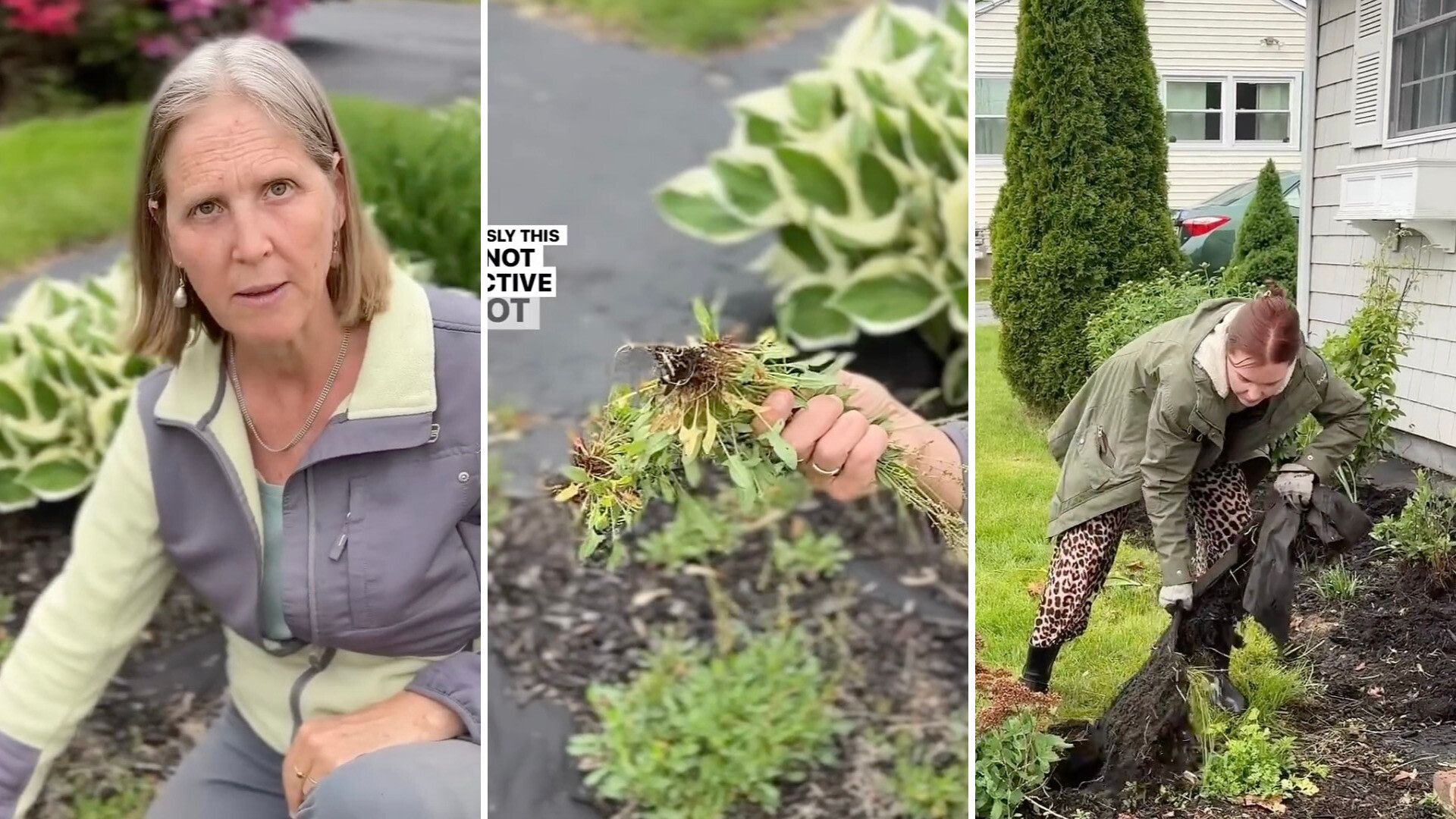
Credit: www.thecooldown.com
Benefits Of Landscaping Fabric
Landscaping fabric helps gardeners control weeds and protect plants. It is a popular choice for many outdoor projects.
This fabric can improve garden health and reduce the time spent on maintenance tasks.
Weed Control Efficiency
Landscaping fabric blocks sunlight, stopping weed seeds from growing. This reduces the number of weeds in your garden.
It creates a barrier that makes it harder for weeds to push through the soil.
- Prevents weed growth by blocking light
- Reduces the need for chemical weed killers
- Keeps garden beds tidy and clean
Soil Moisture Retention
The fabric helps keep moisture in the soil by reducing evaporation. This means plants get water for longer periods.
It supports healthy plant growth by keeping the soil damp and cool.
- Reduces water loss from soil surface
- Helps plants stay hydrated during dry weather
- Supports strong root development
Reduced Maintenance Efforts
Using landscaping fabric lowers the time spent weeding and watering. This allows for easier garden care.
The fabric also helps keep mulch in place, reducing the need for frequent replacements.
- Less weeding needed
- Watering becomes more efficient
- Mulch stays put longer
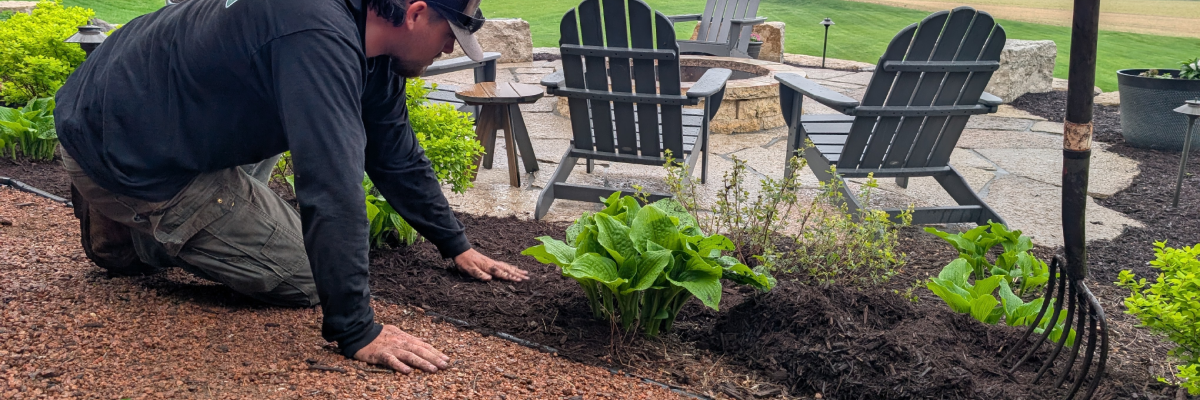
Credit: www.carringtonlawn.com
Common Drawbacks Of Landscaping Fabric
Landscaping fabric is used to control weeds and protect plants. It can keep soil in place and reduce maintenance. Still, it has some drawbacks that gardeners should know.
Understanding these issues helps you decide if landscaping fabric fits your garden needs. Below are some common problems linked to its use.
Soil Health Impact
Landscaping fabric can block natural material from reaching the soil. Leaves and organic matter do not break down well under the fabric. This limits nutrients returning to the soil.
Over time, soil under the fabric may lose its richness. This can make it harder for plants to get the food they need to grow strong.
Drainage Issues
Some fabrics do not let water pass through easily. This can cause water to build up on the surface. Poor drainage may lead to plant roots sitting in too much water.
Too much water around roots can cause diseases and kill plants. It is important to choose fabric that allows good water flow.
Root Growth Restrictions
Landscaping fabric can stop roots from spreading naturally. Plants may have trouble finding space and nutrients. This can stunt plant growth.
Over time, roots may grow on top of the fabric instead of into the soil. This can make plants less stable and healthy.
Environmental Concerns
Landscaping fabric is popular for weed control and soil management. It is important to understand its environmental effects. This helps gardeners make better choices.
This article covers three key concerns: plastic pollution, decomposition, and effects on soil life.
Plastic Pollution Risks
Most landscaping fabrics are made from plastic materials. These plastics can break down into small pieces over time. These tiny pieces add to plastic pollution in the environment.
- Plastic fragments can enter water bodies through runoff.
- Wildlife may mistake plastic for food and ingest it.
- Plastic pollution harms birds, fish, and other animals.
- Microplastics can spread toxins in the soil and water.
Decomposition Challenges
Landscaping fabric does not break down easily. It can stay in the soil for many years. This slow decomposition causes long-term waste buildup in gardens.
| Material Type | Estimated Decomposition Time |
| Polypropylene Fabric | 20 to 30 years |
| Polyethylene Fabric | 10 to 20 years |
| Biodegradable Alternatives | 6 months to 2 years |
Impact On Soil Microorganisms
Soil microorganisms keep the soil healthy. Landscaping fabric can affect these tiny organisms. It can block air and water flow to the soil, hurting their habitat.
Here are some ways landscaping fabric impacts soil life:
- Reduces oxygen reaching microorganisms.
- Lowers moisture exchange in the soil.
- Limits organic matter breakdown.
- Disrupts natural soil cycles.
When To Use Landscaping Fabric
Landscaping fabric helps control weeds and manage soil moisture. It is a useful tool in many gardening situations.
Knowing when to use landscaping fabric can save time and improve plant health. It is not always the best choice for every garden.
Best Applications
Use landscaping fabric under mulch to stop weeds from growing. It works well in flower beds and around shrubs.
It is also helpful under gravel paths or driveways to keep stones from sinking into the soil. Avoid using fabric where plants need to spread roots widely.
- Under mulch in garden beds
- Around trees and shrubs
- Below gravel or stone paths
- In areas with heavy weed problems
Choosing The Right Type
Pick a fabric that lets water and air pass through easily. This helps plants stay healthy and soil breathe.
Woven fabrics are strong and last longer. Non-woven fabrics are better for lighter use and break down faster in soil.
- Woven fabric: durable, good for heavy use
- Non-woven fabric: breaks down faster, good for light use
- Permeability: allows water and air to pass
Installation Tips
Clear the area of weeds and debris before laying the fabric. Smooth the soil to prevent holes under the fabric.
Overlap edges by a few inches to stop weeds from growing between pieces. Secure the fabric with landscape staples or pins.
- Remove all weeds and debris
- Level the soil surface
- Overlap fabric edges by 4-6 inches
- Use staples or pins to hold fabric down
- Cover fabric with mulch or stones
Alternatives To Landscaping Fabric
Landscaping fabric can stop weeds but may cause some problems. It can block water and air from reaching soil. This affects plant health. Many people look for better choices that work naturally.
Here are some good alternatives. They help keep weeds down and support plant growth.
Organic Mulches
Organic mulches are natural materials spread on soil. They help keep soil moist and stop weeds. They also add nutrients as they break down. Common types include wood chips, straw, and leaves.
- Wood chips slow weed growth and keep soil cool.
- Straw is light and easy to spread around plants.
- Leaves add nutrients and improve soil texture.
- Grass clippings provide quick mulch but dry fast.
Ground Covers
Ground covers are low-growing plants that spread across soil. They block weeds by covering the soil. Ground covers also add color and texture to gardens. Some popular choices are creeping thyme and clover.
| Plant | Benefits |
| Creeping Thyme | Attracts bees, smells nice |
| White Clover | Fixes nitrogen in soil |
| Ajuga | Grows well in shade |
| Periwinkle | Evergreen and fast-growing |
Natural Weed Barriers
Natural weed barriers use materials that stop weeds but allow water and air through. Examples include burlap and newspaper layers. These break down over time and improve soil health.
Here is a simple way to use natural weed barriers:
- Place wet newspaper or cardboard on soil.
- Cover with a layer of organic mulch.
- Water well to keep layers in place.
- Replace mulch as it decomposes.

Credit: www.sandiegouniontribune.com
Maintenance And Longevity
Landscaping fabric helps control weeds and keep soil healthy. Proper care affects how long it lasts. Maintenance can extend its life and keep your garden neat.
Understanding when to replace fabric and how to remove it helps avoid problems. This guide covers fabric lifespan, signs to replace it, and removal tips.
Fabric Lifespan
Most landscaping fabric lasts between 5 and 10 years. The exact time depends on the fabric quality and weather conditions. Strong sunlight and heavy rain can shorten its life.
Thicker, woven fabrics last longer than thin, non-woven types. Good installation also helps fabric stay effective for many years.
Signs To Replace
Replace landscaping fabric if you see tears or holes. Weeds growing through the fabric also show it is failing. Fabric that crumbles or feels brittle should be changed.
- Tears or rips in the fabric
- Weeds growing through or on top
- Brittle or crumbling material
- Soil washing away under fabric
Proper Removal Techniques
Remove old landscaping fabric carefully to avoid damaging plants. Pull back the edges and lift slowly. Use garden tools to cut fabric stuck under plants or roots.
Dispose of old fabric properly to prevent weed spread. Do not burn it. If you plan to reuse soil, remove all fabric pieces to avoid future problems.
Frequently Asked Questions
What Is Landscaping Fabric Used For?
Landscaping fabric is used to suppress weeds and control soil erosion. It is placed under mulch or gravel. This fabric helps in maintaining a neat and clean landscape. It reduces the need for chemical herbicides and promotes water conservation.
Does Landscaping Fabric Harm Soil Health?
Landscaping fabric can harm soil health by preventing natural decomposition. It restricts the movement of organic material into the soil. This can lead to reduced soil fertility over time. It may also hinder beneficial soil microorganisms and insects.
Can Landscaping Fabric Affect Plant Growth?
Yes, landscaping fabric can affect plant growth negatively. It restricts air and water flow to plant roots. This can lead to poor plant health and stunted growth. Over time, accumulated debris on the fabric can worsen the situation.
How Long Does Landscaping Fabric Last?
Landscaping fabric typically lasts 5 to 10 years. Its lifespan depends on the quality and environmental conditions. Exposure to sunlight and water can deteriorate it faster. Regular maintenance can help extend its useful life.
Conclusion
Landscaping fabric can help control weeds but has some downsides. It may stop water and air from reaching soil and plants. Over time, it can break down and become less useful. Choosing the right fabric and using it correctly matters a lot.
Consider your garden needs before deciding to use landscaping fabric. Think about other options like mulch or ground covers too. A good garden needs balance between protection and healthy soil.