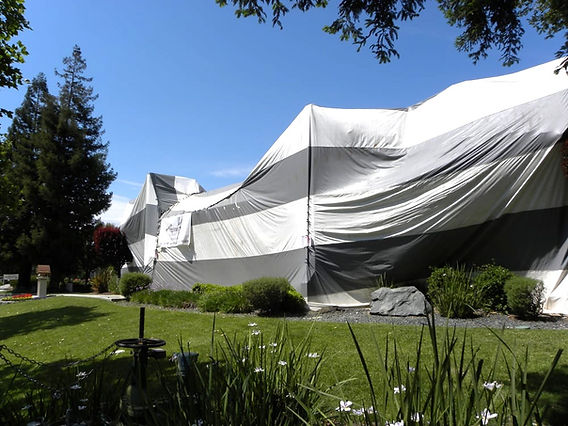
Have you ever wondered how professionals get rid of termites from your home completely? If you’re dealing with these tiny but destructive pests, you might have heard about a method called tenting.
But what exactly is tenting for termites, and why is it considered one of the most effective ways to protect your home? You’ll discover how tenting works, what to expect during the process, and why it could be the solution you need to keep your house safe and sound.
Keep reading to learn everything you should know before choosing this termite treatment.
Tenting Basics
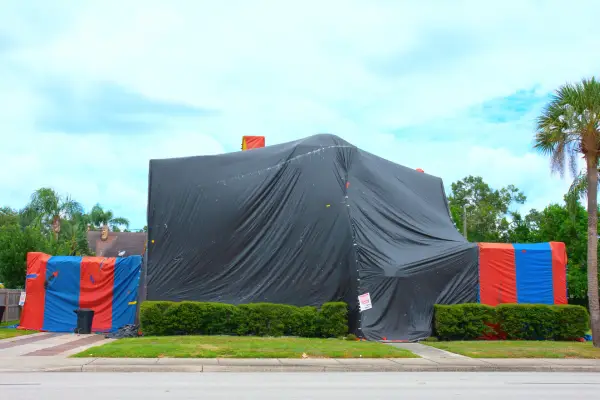
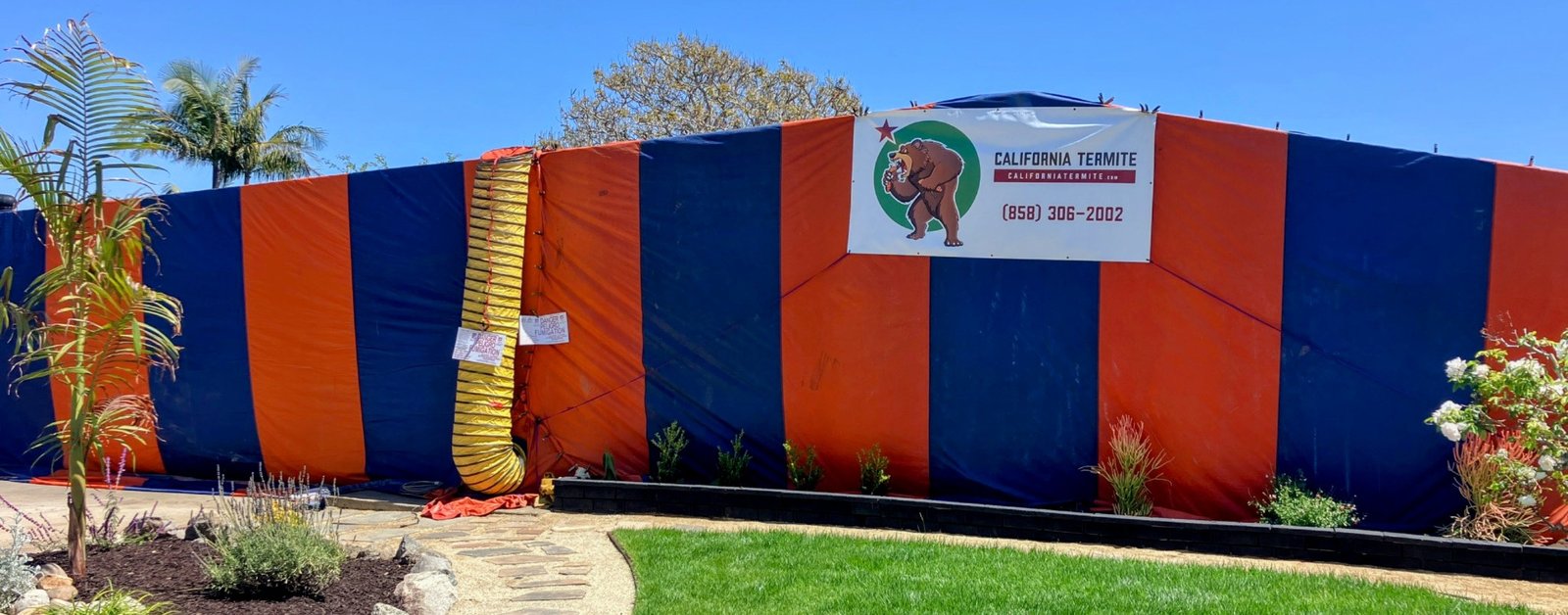
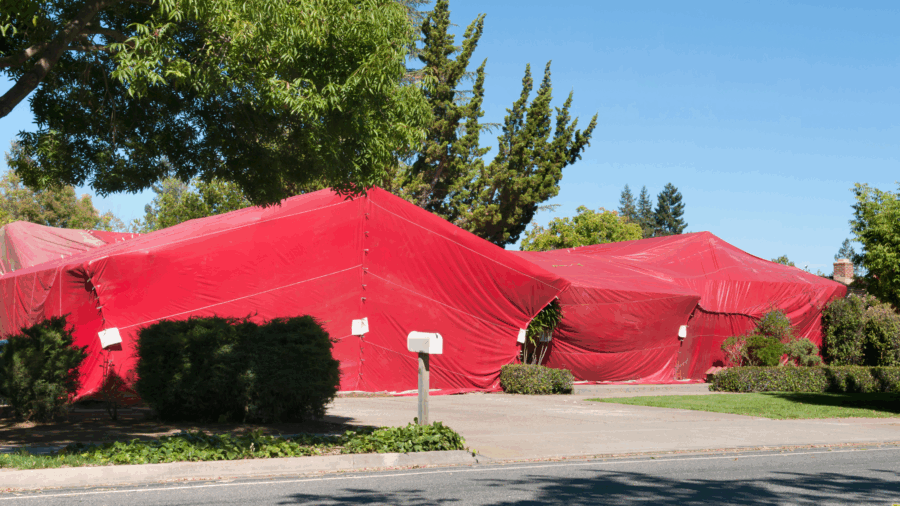
Tenting is a method used to control termites in a home. It involves covering the entire house with a large tent. This process helps to reach every part of the structure.
The goal is to remove termites safely and effectively. Tenting uses special chemicals that kill termites hiding inside walls and floors.
What Tenting Involves
Tenting requires careful preparation and steps to protect your home and family. The house must be sealed tightly to keep the chemicals inside.
- Move all people, pets, and plants out of the home.
- Cover and seal the house with a large tarp or tent.
- Apply fumigant gas inside the tented area.
- Keep the tent sealed for a set time to let the gas work.
- Ventilate the home thoroughly before re-entry.
Why Tenting Works
| Reason | Explanation |
| Penetrates Deep | The gas reaches termites inside wood and hidden spots. |
| Kills All Stages | It destroys termites at every life stage, including eggs. |
| Fast Action | Termites die within a few hours of treatment. |
| Complete Coverage | The tent traps gas around the whole home for full effect. |
Credit: gorocketpest.com
Signs You Need Tenting
Tenting is a way to get rid of termites in your home. It uses strong chemicals under a tent covering the house.
You may need tenting if termites cause serious damage. Knowing the signs helps protect your home early.
Identifying Termite Damage
Termite damage looks different from other pests. Wood may feel hollow or soft when you tap it.
Look for small holes or tunnels in wood. Termites also leave mud tubes on walls or foundations.
- Wood that sounds hollow when tapped
- Visible tunnels or holes in wood
- Cracked or bubbled paint on walls
- Mud tubes along baseboards or outside walls
Common Infestation Areas
Termites like moist and dark places. They often invade areas with wood and moisture.
Check these places carefully to find signs of termites early.
- Basements and crawl spaces
- Around plumbing or leaking pipes
- Wooden beams and floor joists
- Near windows and doors
- Decks, porches, and fences
Preparing For Tenting
Tenting is a way to kill termites in a house using gas. The house is covered with a large tent. The gas gets inside and kills the termites.
Proper preparation helps keep your home and belongings safe. It also makes the process smoother and faster.
Clearing The Home
Remove all food and drinks from the house. This keeps them safe from the gas used during tenting.
Clear pathways and remove clutter so workers can set up the tent easily. Move furniture away from walls to allow gas to reach all areas.
- Take out fresh and canned foods
- Move furniture to the center of rooms
- Clear floors and walkways
- Remove pets and plants
Protecting Belongings
Cover electronics with plastic to stop gas damage. Seal items that could absorb the gas, like mattresses and pillows.
Take out medicines and important documents. Keep them in a safe place outside the house during tenting.
- Wrap electronics in plastic covers
- Seal bedding and fabrics tightly
- Remove medicines and documents
- Store valuables outside the home
Safety Precautions
Stay out of the house during tenting and follow the time limits given by the pest control team. The gas used is harmful to people and pets.
Inform your neighbors about the tenting. Keep children and pets away from the site before and after the process.
- Leave the house during the gas treatment
- Follow all instructions from professionals
- Notify neighbors about the tenting
- Keep children and pets away
The Tenting Process
Tenting for termites is a method to remove these pests from a home. It uses a special gas that kills termites inside walls and wood. The house is covered with a large tent to keep the gas inside.
This process needs careful planning and safety checks. It protects the home and people nearby during treatment. Understanding the steps helps homeowners know what to expect.
Setting Up The Tent
Before fumigation, workers cover the entire house with a strong tarp. This tent seals the house and traps the gas inside. All doors and windows are tightly closed to prevent leaks.
- Move plants and pets away from the house
- Remove or seal food and medicines inside
- Turn off air conditioners and heaters
- Cover pools and outdoor furniture
- Check that no one stays inside during treatment
Fumigation Chemicals Used
The chemicals used in tenting are gases that kill termites but clear out fast. One common gas is sulfuryl fluoride. It enters wood and walls to reach hidden termites.
| Chemical Name | Purpose | Safety Notes |
| Sulfuryl Fluoride | Kills termites inside structures | Non-staining, clears quickly from air |
| Methyl Bromide | Used in some cases for pest control | Strong odor, requires careful handling |
Duration And Monitoring
The tent stays over the house for about one to three days. During this time, the gas fills the space to kill all termites. Experts monitor gas levels to ensure safety and effectiveness.
- Release gas inside the tented house
- Keep the tent sealed for required time
- Check gas concentration regularly
- Ventilate house after treatment
- Perform safety checks before re-entry
Post-tenting Steps
After tenting your home for termites, certain steps help ensure safety and success. These steps clear the house and prepare it for normal use again.
Following these steps carefully helps prevent termite return and keeps your home healthy.
Ventilation And Re-entry
Once the tent is removed, ventilate your home well. Open all doors and windows to let fresh air in. This clears out leftover gases from the treatment.
Wait for the recommended time before going back inside. This time varies based on the chemicals used and the pest control company’s advice.
Cleaning And Inspection
After re-entry, clean your home thoroughly. Remove dust and debris left from the tenting process. Use gloves and masks if needed.
Inspect your home for any termite damage or signs of new activity. Look at wood, walls, and floors carefully.
- Check for mud tubes on walls or foundations
- Look for hollow or damaged wood
- Watch for small piles of termite droppings
Follow-up Treatments
Sometimes, one tenting is not enough. Follow-up treatments may be needed to stop termites completely.
Schedule regular inspections and treatments as advised. Early detection helps avoid big problems later.
- Arrange termite inspections every 6 to 12 months
- Apply local treatments if termites return
- Keep your home dry and fix leaks to stop termites
Credit: californiatermiteandpestcontrol.com
Benefits Of Tenting
Tenting is a common way to control termites in homes. It covers the entire house with a tent and uses chemicals to kill termites.
This method protects your home from termite damage fast and well. It is a trusted choice for many homeowners.
Effectiveness Compared To Other Methods
Tenting kills termites throughout the house, reaching hidden areas. Other treatments may miss some spots.
Methods like baiting or spot treatment work slower. Tenting can eliminate termites in just a few days.
- Kills termites in all parts of the home
- Works faster than baiting or spot treatments
- Reduces risk of hidden termite colonies
Long-term Protection
Tenting helps protect your home from future termite attacks. It leaves a chemical barrier that lasts for months.
Regular inspections after tenting keep your home safe. This method supports long-term termite control.
- Creates a strong chemical barrier
- Prevents termites from returning easily
- Supports follow-up treatments and inspections
Potential Risks
Tenting for termites is a common method to remove these pests. It involves using chemicals under a sealed cover on a building. While effective, it comes with risks that homeowners should know about.
These risks can affect health and the property itself. Understanding them helps people prepare and stay safe during the process.
Health Concerns
Tenting uses strong chemicals that can harm people and pets. Exposure may cause breathing problems, headaches, or skin irritation. The sealed area traps fumes that can be dangerous if not handled properly.
- Respiratory issues from inhaling fumes
- Eye and skin irritation
- Allergic reactions in sensitive individuals
- Risk to pets if not removed during treatment
- Possible long-term effects from chemical exposure
Property Damage Risks
Tenting covers the entire home tightly. This can cause damage if done incorrectly. Moisture may build up inside, leading to mold or wood rot. The chemicals might also affect furniture or finishes.
| Risk | Possible Damage |
| Moisture buildup | Mold growth, wood damage |
| Chemical exposure | Damage to paint, fabrics, plants |
| Improper sealing | Escape of fumes, health hazard |
| Structural stress | Damage to fragile parts of the building |
Cost And Availability
Tenting for termites is a common method to remove these pests. It involves covering a building with a large tent and fumigating it. The cost and availability of this service vary widely.
Knowing what affects the price and how to find the right professionals can help you plan better. This guide explains key points about pricing factors and finding experts.
Pricing Factors
The price of termite tenting depends on many things. Size of the home, location, and severity of the infestation matter. The cost also changes based on the company you choose.
| Factor | Impact on Cost |
| Home Size | Larger homes cost more to tent |
| Infestation Level | Heavier infestations require more treatment |
| Location | Prices differ by region and local demand |
| Preparation Needs | Extra work before tenting adds to cost |
| Company Rates | Different companies charge different fees |
Finding Qualified Professionals
Choosing a skilled termite tenting company is important. Check if they have proper licenses and insurance. Experience with tenting is also key.
- Ask for referrals from friends or neighbors
- Read online reviews and ratings
- Verify licenses and certifications
- Request detailed estimates before work
- Confirm company uses safe fumigants
Credit: www.agpest.com
Frequently Asked Questions
What Is Termite Tenting?
Termite tenting is a pest control method used to eradicate termites. It involves covering a structure with a tent and releasing a fumigant. This penetrates the wood and kills termites. It’s effective for severe infestations and ensures complete termite elimination.
How Long Does Termite Tenting Take?
The termite tenting process typically takes about 24 to 72 hours. This includes preparation, fumigation, and aeration. The exact duration depends on the size of the structure and severity of the infestation. Always follow professional guidelines for safety and effectiveness.
Is Termite Tenting Safe For Humans?
Yes, termite tenting is safe when conducted by professionals. Fumigants are toxic to termites but dissipate quickly after aeration. Residents must vacate during the process and can return once it’s safe. Always follow the pest control company’s instructions for safety assurance.
What Should I Do Before Tenting For Termites?
Before tenting, remove all plants, pets, and food from the premises. Seal or remove medications and valuables. Ensure the pest control team has access to all areas needing treatment. Consult with professionals for specific preparation guidelines to ensure effective fumigation.
Conclusion
Tenting for termites helps protect your home from damage. It kills termites inside walls and floors. The process uses special chemicals that reach hidden areas. Though it takes time, results last longer than sprays. Professionals handle the tenting to keep everyone safe.
Regular checks after treatment stop termites from coming back. Knowing about tenting helps you choose the best solution. Keep your home strong and termite-free with proper care.