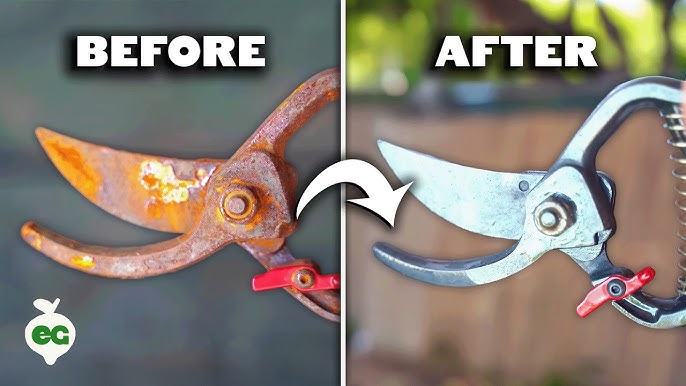
Are your garden shears feeling dull and tired? When your tools aren’t sharp, pruning becomes a frustrating chore, and your plants won’t get the clean cuts they need to thrive.
But don’t worry—sharpening your garden shears is easier than you think. In this guide, you’ll discover simple, step-by-step techniques to bring your shears back to life. By the end, you’ll save time, protect your plants, and enjoy gardening more than ever.
Ready to make your garden shears sharp again? Let’s get started!

Credit: m.youtube.com
Tools Needed
Sharpening garden shears needs the right tools. Using proper equipment makes the job easier and safer.
Before you start, gather everything you need. This guide helps you pick the best tools and stay safe.
Choosing The Right Sharpener
Not all sharpeners work well on garden shears. The right sharpener keeps blades smooth and precise.
- Diamond files: Good for hard metal and fine edges.
- Sharpening stones: Work well for all blade types.
- Rotary tools: Fast but need careful handling.
- Whetstones: Provide a smooth, polished edge.
- Metal files: Useful for quick touch-ups.
Safety Gear Essentials
Safety gear protects you from cuts and dust. Always wear the right equipment when sharpening.
| Safety Gear | Purpose |
| Protective gloves | Prevent cuts and injuries |
| Safety glasses | Shield eyes from metal shards |
| Dust mask | Keep dust from being inhaled |
| Long sleeves | Protect skin from sparks and debris |
Preparing The Shears
Before sharpening garden shears, prepare them properly for best results. Clean and inspect the blades carefully.
Taking the time to prepare will make sharpening easier and safer. Follow simple steps to get your shears ready.
Cleaning The Blades
Dirt and sap can build up on the blades. Cleaning removes this buildup and shows any damage clearly.
- Use warm soapy water and a soft brush to scrub the blades.
- Rinse and dry the blades completely to avoid rust.
- Apply rubbing alcohol or a degreaser to remove sticky sap.
- Wipe blades with a clean cloth before sharpening.
Disassembling For Better Access
Removing the blades from the handles gives better access for sharpening. It also helps you check the parts for wear.
| Tool Needed | Purpose |
| Screwdriver | Remove screws holding blades |
| Wrench | Loosen nuts if present |
| Cloth | Protect blades during removal |
Sharpening Techniques
Garden shears need sharp blades to cut plants cleanly. Dull blades can damage plants and make work hard. Sharpening your shears regularly keeps them working well.
This guide shows three ways to sharpen garden shears. Each way uses a different tool and skill level. Choose the one that fits your needs.
Using A Sharpening Stone
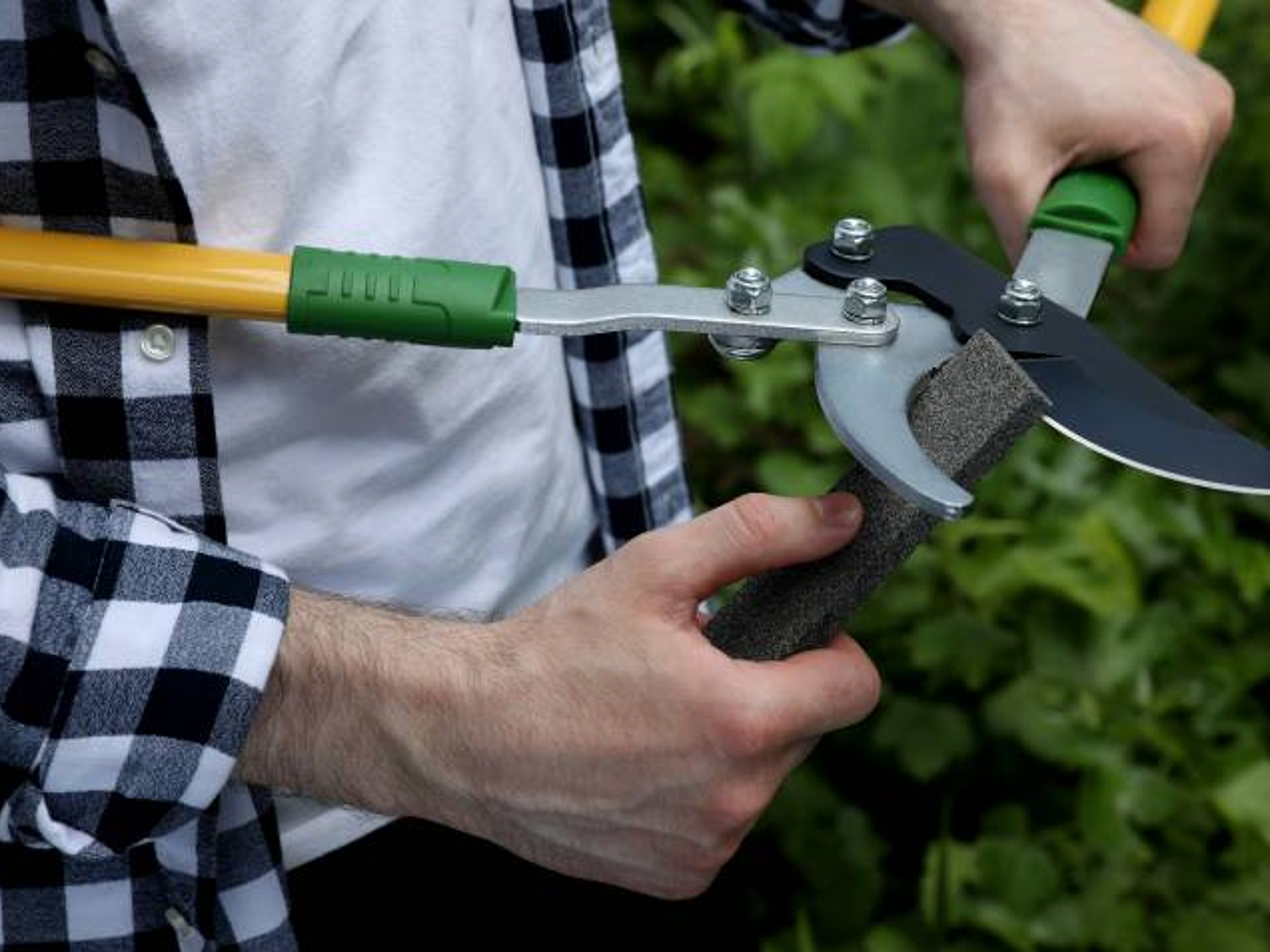
A sharpening stone is a simple tool to sharpen blades. It smooths the edge by rubbing the blade against it. You can use water or oil on the stone to help.
Hold the blade at a 20-degree angle to the stone. Move the blade across the stone in one direction. Repeat this until the edge feels sharp.
- Clean the blade before sharpening
- Use light pressure to avoid damage
- Sharpen both sides evenly
- Wipe the blade after sharpening
Employing A File
A file is a metal tool with a rough surface. It removes small bits of metal to create a sharp edge. Use a flat file for straight blades and a round file for curved blades.
Secure the shears in a clamp or hold them steady. Push the file along the blade edge in one direction. Keep the same angle and pressure for a smooth cut.
- Wear gloves to protect your hands
- File away from your body
- Check sharpness often
- Clean metal filings from the blade
Using A Rotary Tool
A rotary tool is an electric device with a spinning bit. It quickly sharpens blades but needs care to avoid damage. Use a grinding or sharpening bit made for metal.
Hold the rotary tool at a steady angle to the blade. Gently touch the blade edge with the bit. Move the tool along the edge evenly to sharpen all parts.
- Wear eye and ear protection
- Work in a well-lit area
- Keep the tool moving to avoid heat build-up
- Clean the blade after sharpening
Credit: www.airtasker.com
Finishing Touches
Sharpening garden shears is not complete without some final steps. These steps ensure your shears work smoothly and last longer.
Two important finishing touches are removing burrs and lubricating the shears. These steps keep your tools sharp and easy to use.
Removing Burrs
After sharpening, small rough edges called burrs may form on the blade. These can make cutting harder and damage plants.
Use a fine sharpening stone or a piece of fine sandpaper to gently remove burrs. Rub along the blade edge in one direction.
- Hold the blade steady
- Rub gently to avoid dulling the blade
- Check the blade edge for smoothness
Lubricating The Shears
Lubrication helps the blades move smoothly and stops rust from forming. It also protects the pivot point.
Apply a few drops of light machine oil or garden tool oil to the pivot and blades. Wipe off extra oil with a clean cloth.
- Open and close the shears to spread the oil
- Wipe off oil to prevent dirt buildup
- Store shears in a dry place after oiling
Maintenance Tips
Garden shears need regular care to stay sharp and work well. Proper maintenance keeps them safe and lasting longer.
Follow simple steps to clean and store your shears after each use. This helps prevent rust and damage.
Regular Cleaning
Cleaning your garden shears removes dirt and sap that can cause rust and stickiness. Clean shears cut better and last longer.
- Wipe blades with a dry cloth after use
- Use warm soapy water to remove sap and dirt
- Dry blades thoroughly to prevent rust
- Apply a light coat of oil to blades to keep them smooth
- Tighten loose screws and check for damage
Proper Storage
Storing garden shears correctly protects them from moisture and dulling. Keep them in a dry, safe place.
| Storage Tip | Reason |
| Hang shears on a hook or pegboard | Keeps blades dry and prevents damage |
| Store shears in a sheath or cover | Protects blades from dust and accidental cuts |
| Keep shears away from damp areas | Prevents rust and corrosion |
| Place shears in a toolbox or drawer | Stops loss and keeps tools organized |
Credit: klevarange.com.au
Troubleshooting Common Issues
Garden shears need regular care to work well. Some common problems can stop them from cutting properly. Fixing these issues keeps your tools sharp and safe.
This guide covers how to handle rust and loose blades. Both problems affect your shears’ performance but are easy to fix with the right steps.
Dealing With Rust
Rust can build up on garden shears if they stay wet or are stored in damp places. It makes the blades dull and hard to open or close.
- Use steel wool or a wire brush to scrub off rust spots.
- Apply white vinegar to heavily rusted areas and let it sit for 30 minutes before scrubbing.
- Rinse the shears with water and dry completely to prevent more rust.
- Lubricate the blades with oil to keep them smooth and protected.
Fixing Loose Blades
Loose blades make cutting unsafe and less accurate. Tightening the blade pivot can fix this problem quickly.
| Tool | Purpose | How to Use |
| Screwdriver | Tighten pivot bolt | Turn clockwise to tighten |
| Wrench | Hold nut in place | Use while tightening bolt |
| Lubricant | Ease blade movement | Apply after tightening |
Check the pivot bolt and nut. Tighten them until the blades move smoothly but do not wobble. Add lubricant to keep them working well.
Frequently Asked Questions
How Often Should I Sharpen Garden Shears?
Sharpen garden shears every few months or when cuts become uneven. Regular sharpening keeps blades efficient and prolongs tool life.
What Tools Do I Need To Sharpen Garden Shears?
Use a sharpening stone, diamond file, or whetstone. Clean blades first, then sharpen edges carefully for best results.
Can I Sharpen Garden Shears At Home?
Yes, you can sharpen garden shears at home using simple tools. Follow safety steps and sharpen blades slowly for precision.
How Do I Maintain Sharp Garden Shears?
Clean blades after use, oil joints regularly, and sharpen as needed. Proper maintenance prevents rust and keeps shears working smoothly.
Conclusion
Sharpening garden shears is easy with practice. Begin by cleaning the blades. Next, use a sharpening tool for better results. Regular maintenance keeps your shears in top shape. Clean them after each use to prevent rust. Store them in a dry place.
This extends their lifespan. Sharp shears make gardening a breeze. They cut cleanly, reducing plant damage. Enjoy smoother gardening tasks with well-maintained tools. Remember, safety first. Always wear gloves while sharpening. Happy gardening!