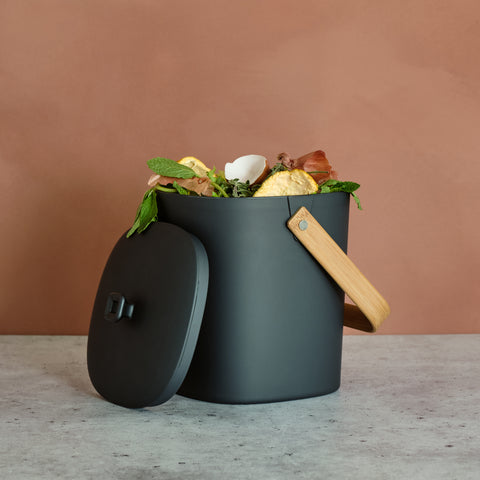
Are you looking for a simple way to reduce kitchen waste and help the environment at the same time? Using a kitchen compost bin is one of the easiest steps you can take right now.
Imagine turning your leftover fruit peels, coffee grounds, and veggie scraps into rich soil that can nourish your plants. Sounds great, doesn’t it? In this guide, you’ll discover how to use your kitchen compost bin effectively, avoid common mistakes, and make composting a habit you’ll love.
Keep reading to unlock the secrets of transforming your kitchen scraps into something valuable for your home and the planet.
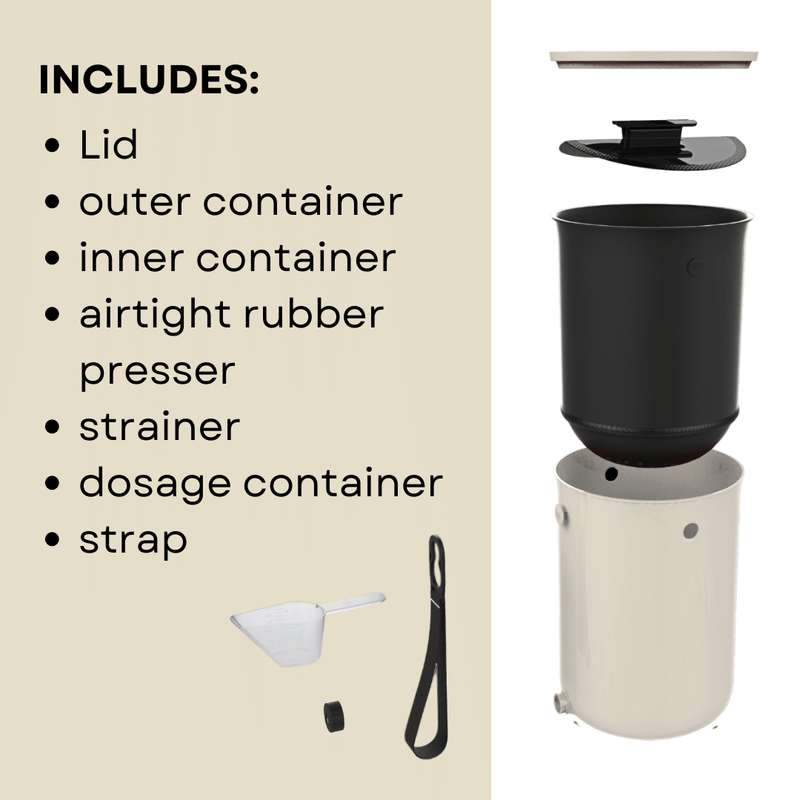
Credit: shop.epicgardening.com
Choosing The Right Compost Bin
Using a kitchen compost bin helps reduce food waste. It turns scraps into useful compost for plants.
Picking the right compost bin makes the process easier. Consider size, material, and where to place it.
Types Of Kitchen Compost Bins
There are many compost bin types for kitchens. Some are simple, and others have special features.
- Countertop bins with a lid keep smells inside
- Compost pails have filters to reduce odor
- Electric composters speed up decomposition
- Vented bins allow airflow to reduce moisture
Materials And Sizes
Kitchen compost bins come in different materials. Choose one that fits your kitchen style and cleaning needs.
- Plastic bins are lightweight and easy to clean
- Stainless steel bins resist stains and odors
- Ceramic bins look nice but are heavier
- Small bins hold 1 to 3 gallons for limited space
- Larger bins hold up to 5 gallons for bigger families
Placement Tips
Where you place your compost bin affects how often you use it. Keep it handy but out of direct heat.
- Keep the bin on the countertop near the sink
- Place it away from direct sunlight to prevent smells
- Use a bin with a lid if you have pets
- Empty it regularly to avoid overflow and odors
Preparing Your Compost Bin
Starting a kitchen compost bin helps reduce waste and creates rich soil. Preparing the bin correctly makes composting easier and more effective.
Follow simple steps to set up your bin, add a starter, and keep air flowing. These steps keep your compost healthy and active.
Setting Up The Bin
Choose a bin with a tight-fitting lid to keep pests out. Place it in a cool, dry spot in your kitchen. Make sure the bin is easy to reach for daily use.
- Pick a bin size that fits your kitchen space
- Use a container with ventilation holes
- Line the bottom with newspaper or cardboard for drainage
- Keep the bin clean by washing it regularly
Adding A Compost Starter
A compost starter helps speed up the breakdown of kitchen scraps. You can buy a starter or use natural materials like garden soil or finished compost.
| Starter Type | How to Use |
| Commercial Compost Starter | Sprinkle a small amount over food scraps |
| Garden Soil | Add a thin layer on top of scraps |
| Finished Compost | Mix a handful into the bin regularly |
Maintaining Airflow
Good airflow helps break down waste and stops bad odors. Without air, your compost can become wet and smelly.
Tips to keep airflow in your compost bin:
- Stir or shake the contents every few days
- Do not overfill the bin; leave some space on top
- Keep dry materials like paper or leaves to balance moisture
- Use a bin with holes or add some holes for ventilation
What To Compost
Using a kitchen compost bin helps reduce waste and create rich soil. Knowing what to compost keeps your bin healthy and odor-free.
Not all kitchen scraps belong in the compost. Some items can cause problems or attract pests. Learn which scraps are good and which to avoid.
Accepted Kitchen Scraps
Many food scraps break down well in compost. These scraps add nutrients to your compost pile and help it decompose.
- Fruit peels and scraps like apple cores and banana skins
- Vegetable peels, ends, and scraps
- Coffee grounds and used tea bags
- Eggshells, crushed for faster breakdown
- Nut shells, except for walnut shells which can be toxic
- Stale bread and grains without mold
- Cooked vegetable scraps without oils or sauces
Items To Avoid
Some items do not compost well or can cause smell and pests. Avoid putting these in your kitchen compost bin.
- Meat, fish, and bones as they attract animals
- Dairy products like cheese and milk
- Oils, fats, and greasy foods
- Pet waste from cats and dogs
- Diseased or insect-infested plants
- Non-biodegradable items like plastic and metal
- Large branches or wood that take too long to break down
Balancing Greens And Browns
Compost needs a mix of green and brown materials. Greens add nitrogen. Browns add carbon. Both help the compost break down well.
- Green materials: fruit and vegetable scraps, coffee grounds, fresh grass clippings
- Brown materials: dry leaves, shredded paper, cardboard, small twigs
- Keep a balance of about 2 parts browns to 1 part greens
- Too many greens cause smells. Too many browns slow decomposition.
Composting Process
Using a kitchen compost bin helps recycle food waste. It turns scraps into rich soil for plants.
The composting process needs care and attention. You must follow simple steps to keep it healthy.
Layering Techniques
Start by adding layers of green and brown materials. Greens are food scraps, and browns are dry leaves or paper.
- Place a layer of dry leaves or shredded paper at the bottom.
- Add a layer of fruit and vegetable scraps next.
- Alternate layers to balance moisture and air.
- Cover food scraps with a thin layer of soil or compost.
Turning And Aerating
Turning the compost helps air reach the materials. This speeds up decomposition and stops bad smells.
- Use a small tool or stick to stir the compost every few days.
- Mix the layers gently to avoid compacting them.
- Check that air flows through the bin for better breakdown.
Moisture Control
Keep the compost damp but not wet. Too much water slows the process and causes smell.
| Condition | What to Do |
| Too Dry | Add water carefully or wet scraps |
| Too Wet | Mix in dry leaves or paper |
| Just Right | Moist like a wrung-out sponge |
Harvesting And Using Compost
Using a kitchen compost bin is an easy way to recycle food scraps. It creates rich soil for your garden. Knowing when to harvest and how to use compost helps your plants grow well.
This guide explains how to tell if compost is ready, how to use it in your garden, and tips on storing it properly.
How To Know When Compost Is Ready
Compost is ready when it looks dark and crumbly. It should smell like fresh soil, not bad or rotten. You will not see food scraps or large pieces inside.
Check the compost temperature. It cools down when the process finishes. Finished compost feels cool to the touch.
- Dark brown or black color
- Earthy smell
- Crumbly texture
- No visible scraps
- Cool temperature
Using Compost In Your Garden
Spread compost around plants to improve soil health. It adds nutrients and helps soil hold water. Use it on flower beds, vegetable gardens, and potted plants.
Mix compost into garden soil before planting. You can also use it as mulch on top of soil to protect plants and keep moisture.
- Mix compost into soil for new plants
- Use as mulch to keep soil moist
- Add around trees and shrubs
- Top dress vegetable beds monthly
- Use in potting mixes for houseplants
Storage Tips
Store finished compost in a dry, shady spot. Keep it covered to avoid losing moisture. Use a breathable cover like burlap or a lid with holes.
Avoid storing compost in plastic bags or sealed containers. Stir it occasionally to keep it fresh and prevent odors.
- Keep compost in a dry, shaded area
- Cover with breathable material
- Do not seal in plastic bags
- Turn or stir compost now and then
- Use within a few months for best quality

Credit: pumpkinsandpetals.com
Troubleshooting Common Issues
Using a kitchen compost bin is simple, but sometimes problems can occur. These issues can stop your compost from working well.
This guide helps you fix common problems like bad smells, pests, and slow composting.
Odor Problems
Bad smells come from too much moisture or not enough air. Your compost bin can smell if it is too wet or full of food scraps.
To fix odor problems, add dry materials like shredded paper or dry leaves. Stir the compost to let air in. Avoid adding meat or dairy, which cause smells.
- Mix in dry brown materials
- Stir or turn the compost often
- Keep the bin covered but ventilated
- Avoid meat, dairy, and oily foods
Pests And Insects
Pests like flies, ants, and rodents come if food scraps are exposed. They are attracted to sweet or greasy scraps.
To stop pests, keep your compost bin clean and sealed. Bury food scraps under dry leaves or soil. Avoid adding meat and oily foods that attract pests.
- Use a bin with a tight lid
- Bury scraps under dry materials
- Clean the bin regularly
- Do not add meat, cheese, or oils
Slow Decomposition
Compost breaks down slowly if it lacks air, moisture, or the right mix of materials. Cold weather also slows the process.
Speed up compost by turning it to add air. Keep it moist but not wet. Add green materials like vegetable scraps and brown materials like paper.
- Turn compost every few days
- Keep compost damp like a wrung-out sponge
- Balance green and brown materials
- Keep compost in a warm place
Benefits Of Kitchen Composting
Using a kitchen compost bin is a simple way to reduce waste. It turns food scraps into useful compost for plants.
Composting at home helps the environment and supports healthy gardens. It is a smart choice for many households.
Reducing Household Waste
Kitchen compost bins keep food scraps out of the trash. This lowers the amount of garbage sent to landfills.
Less trash means less pollution and fewer greenhouse gases from waste decay.
- Reduce trash bags used
- Lower landfill waste
- Minimize bad smells in garbage
Improving Soil Health
Compost adds nutrients to garden soil. It improves soil structure and helps plants grow strong.
Healthy soil holds water better and supports beneficial microbes that protect plants.
- Increases soil nutrients
- Improves soil texture
- Enhances water retention
Supporting Sustainable Living
Using a kitchen compost bin saves natural resources. It reduces the need for chemical fertilizers.
Composting helps create a cycle where waste becomes useful again, supporting a cleaner planet.
- Reduces chemical use
- Encourages recycling of food waste
- Supports eco-friendly habits
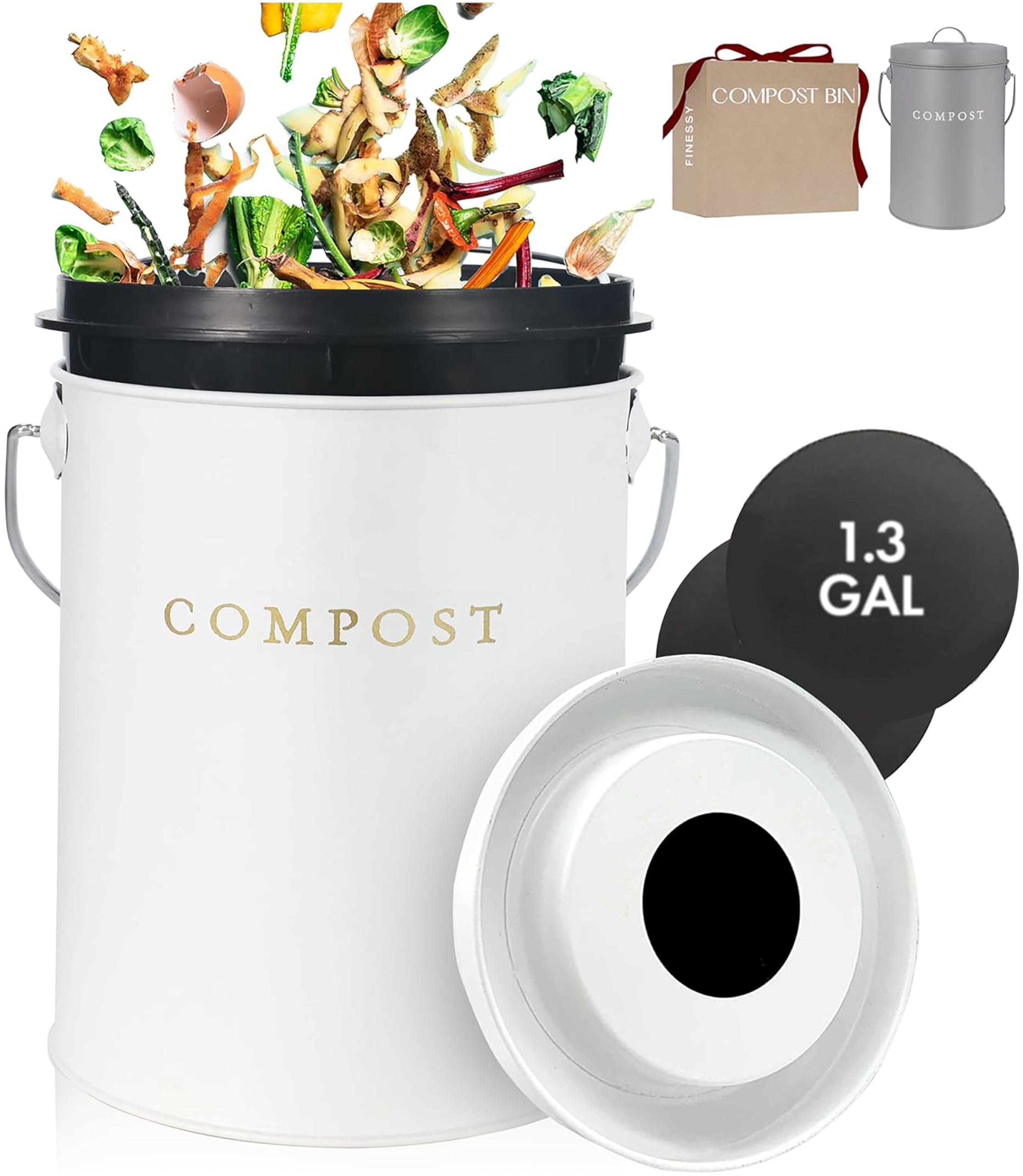
Credit: www.amazon.com
Frequently Asked Questions
What Is A Kitchen Compost Bin Used For?
A kitchen compost bin is used to collect organic waste, like food scraps, for composting. It keeps your kitchen tidy and reduces landfill waste. By composting, you can create nutrient-rich soil for your garden. It’s an eco-friendly practice that benefits both your home and the environment.
How Do You Maintain A Kitchen Compost Bin?
To maintain a kitchen compost bin, regularly empty it into an outdoor compost pile. Clean the bin with warm, soapy water to prevent odors. Use a charcoal filter or baking soda to absorb smells. Avoid adding meat, dairy, or oily foods, which can attract pests and cause bad odors.
What Can You Put In A Kitchen Compost Bin?
You can put fruit and vegetable scraps, coffee grounds, tea bags, and eggshells in a kitchen compost bin. Avoid adding meat, dairy, or greasy foods, as they can attract pests. Composting these organic materials reduces waste and creates valuable compost for gardening.
How Often Should You Empty Your Compost Bin?
Empty your kitchen compost bin every few days to prevent odors and pests. Frequent emptying keeps the bin fresh and manageable. Transfer the contents to an outdoor compost pile or bin. Regular maintenance ensures efficient decomposition and helps create high-quality compost for your garden.
Conclusion
Using a kitchen compost bin helps reduce waste and enrich soil. It keeps your kitchen clean and cuts down trash. Composting turns food scraps into valuable nutrients for plants. Start small and add scraps regularly for best results. Remember to keep the bin dry and mix it often.
This simple habit benefits your home and the environment. Give it a try and see the difference composting makes. Your garden will thank you!