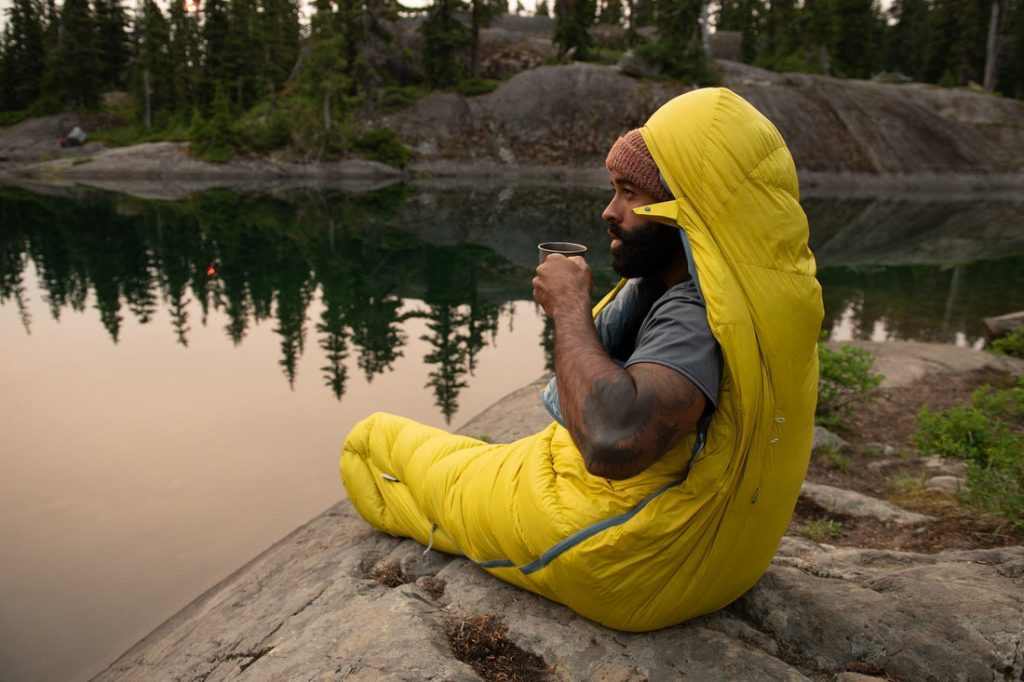
Your sleeping bag is more than just gear—it’s your cozy shelter after a long day outdoors. But if you don’t clean it properly, dirt, sweat, and oils can build up, making it less comfortable and even damaging the insulation.
You might be wondering, “How do I wash my sleeping bag without ruining it? ” This guide will show you simple, effective steps to keep your sleeping bag fresh and ready for your next adventure. Keep reading, and you’ll learn exactly how to wash your sleeping bag the right way—protecting its warmth and extending its life.
Choosing The Right Washing Method
Cleaning your sleeping bag properly keeps it fresh and lasts longer. Choosing the right washing method is important. It depends on the bag’s material and care instructions.
This guide explains how to decide between machine wash and hand wash. It also covers checking care labels and picking the right detergents.
Machine Wash Vs Hand Wash
Machine washing is easier for many sleeping bags. It works well for synthetic bags but can be rough on delicate materials. Hand washing is gentle and good for down or fragile bags.
- Machine wash uses a front-loading washer on a gentle cycle.
- Hand wash needs a large tub or sink with mild water movement.
- Machine wash dries faster but can damage the bag if not careful.
- Hand washing takes longer but reduces wear and tear.
Checking Care Labels
Always read the sleeping bag’s care label before washing. It tells you if the bag can go in a machine or needs hand washing. The label also shows water temperature and drying instructions.
| Care Label Symbol | Meaning |
| Machine icon with water | Safe for machine wash |
| Hand in water | Hand wash only |
| Triangle | May use bleach |
| Circle with X | No dry cleaning |
| Square with circle | Machine dry allowed |
Selecting Detergents
Choosing the right detergent keeps your sleeping bag clean without damage. Use mild, non-detergent soaps made for outdoor gear. Avoid regular detergents and fabric softeners.
Recommended detergent features:
- Free of bleach and enzymes
- Low suds for easy rinsing
- Protects water-repellent coatings
- Safe for down and synthetic fills

Credit: www.halfwayanywhere.com
Preparing The Sleeping Bag
Before washing your sleeping bag, you must prepare it well. Proper preparation helps keep it clean and safe.
Cleaning a sleeping bag starts with small tasks. These tasks protect the fabric and filling inside.
Emptying And Unzipping
Remove all items from inside the sleeping bag. Check pockets and the bag’s interior carefully.
Unzip the sleeping bag fully. This allows water and soap to reach all areas during washing.
Spot Cleaning Stains
Look for dirt or stains on the sleeping bag’s surface. Treat these spots before washing the whole bag.
Use a mild soap and a soft cloth or brush. Gently rub the stained area to lift the dirt.
- Mix a small amount of soap with water
- Apply the mixture to the stain with a cloth
- Rub gently to avoid damaging fabric
- Rinse with clean water after cleaning
Securing Zippers And Straps
Close all zippers on the sleeping bag before washing. This prevents damage to the zipper teeth.
Fasten any straps or Velcro. This keeps them from catching on fabric or other clothes in the wash.
- Zip all zippers completely
- Secure straps and Velcro closures
- Check for loose parts and fix them
Washing In A Machine
Washing a sleeping bag in a machine can save time and effort. It is important to use the right settings to protect the bag.
Using a machine helps clean the sleeping bag well. Follow these tips for best results.
Using A Front-loading Washer
Use a front-loading washer if possible. It is gentler on sleeping bags than top loaders.
Front loaders do not have an agitator. This reduces wear and tear on the fabric and filling.
Setting Water Temperature
Choose cold or warm water to wash your sleeping bag. Hot water can damage the materials and insulation.
Cold water is best for down or synthetic fills. It keeps the bag clean without shrinking or fading.
Choosing The Cycle
Select a gentle or delicate cycle on your washing machine. This cycle cleans well and protects the bag.
A slow spin speed helps keep the filling in place. Avoid fast spins that can cause clumping or damage.

Credit: www.gearaid.com
Hand Washing Techniques
Washing your sleeping bag by hand keeps it safe and clean. This method is gentle and helps avoid damage. It works well for most sleeping bags, especially those with delicate materials.
Follow these simple steps to wash your sleeping bag with care. Each part helps keep it fresh without harming the fabric or insulation.
Filling A Tub Or Basin
Use a clean tub or large basin to wash your sleeping bag. Fill it with cool or lukewarm water. Add a small amount of gentle soap made for outdoor gear or delicate fabrics.
- Choose a tub big enough to hold the sleeping bag loosely.
- Fill it with water about halfway full.
- Add the soap and mix until suds form.
- Place the sleeping bag in the water carefully.
Gentle Agitation
Move the sleeping bag slowly in the water to clean it. Avoid harsh scrubbing or twisting. This protects the insulation and fabric inside.
| Agitation Tips | Why It Matters |
|---|---|
| Press and lift gently | Keeps insulation fluffy and evenly spread |
| Do not wring or twist | Prevents fabric tears and damage |
| Repeat for 10–15 minutes | Ensures dirt and oils loosen without stress |
Rinsing Thoroughly
After washing, rinse your sleeping bag well to remove soap. Use clean, cool water and rinse several times. This stops soap from staying in the fabric and causing stiffness.
- Drain the soapy water completely.
- Refill the tub with clean water.
- Gently move the bag to rinse out soap.
- Repeat rinsing until water runs clear.
- Press out water softly without wringing.
Drying The Sleeping Bag
Drying your sleeping bag properly keeps it warm and fresh. It also stops mold and bad smells.
Use the right drying method to protect the fabric and insulation inside your sleeping bag.
Air Drying Tips
Air drying is gentle and safe for most sleeping bags. Choose a dry, shaded place to hang it.
- Spread the bag fully to let air flow inside
- Turn it occasionally to dry all parts evenly
- Avoid direct sunlight to prevent fabric damage
- Use a sturdy clothesline or drying rack
- Make sure the bag is completely dry before storing
Using A Dryer Safely
Dryers can speed up drying but use low heat and gentle settings only. High heat can harm the bag.
| Dryer Setting | Recommended Use |
| Low Heat | Safe for most sleeping bags |
| Air Fluff | Good for delicate bags |
| High Heat | Not recommended; may damage insulation |
| Dryer Balls | Helps keep insulation fluffy |
Fluffing The Insulation
Fluffing keeps the insulation loft and warmth. Do it after the bag is dry.
Try this simple fluffing routine:
- Lay the sleeping bag flat on a clean surface.
- Gently pat and shake the bag to separate the fill.
- Use your hands to lift and loosen the insulation.
- Repeat every few hours during drying for best results.
Maintaining Freshness Between Washes
Sleeping bags can hold odors and dirt after many uses. Washing them too often can damage the insulation and fabric. Keeping your sleeping bag fresh without washing it all the time helps it last longer.
This guide explains simple ways to keep your sleeping bag clean and fresh between washes. These tips help reduce the need for full washing and keep your bag ready for your next trip.
Proper Storage
Storing your sleeping bag correctly prevents odors and damage. Always dry your bag fully before storing it. Dampness can cause mold and bad smells.
Use a large, breathable storage sack instead of a tight stuff sack. This keeps the insulation fluffy and prevents mildew. Store the bag in a cool, dry place away from direct sunlight.
- Dry your sleeping bag completely before storing
- Use a large cotton or mesh storage sack
- Keep it in a cool, dry, and dark place
- Avoid tight compression when storing long-term
Regular Spot Cleaning
Spot cleaning removes dirt and stains without washing the whole bag. Use a damp cloth with mild soap to clean small dirty areas. This keeps the bag fresh and clean between washes.
Focus on the parts that touch your skin, like the hood and collar. Rinse the cleaned spots with a wet cloth and let the bag dry fully before packing it away.
- Use mild soap and water for spot cleaning
- Clean areas that get dirty first
- Rinse soap off with a damp cloth
- Air dry the bag completely before storage
Using Sleeping Bag Liners
Sleeping bag liners add a layer between you and the bag. They protect the bag from sweat, dirt, and oils from your skin. Liners are easier to wash than the whole sleeping bag.
Using a liner can reduce how often you need to wash your sleeping bag. Choose liners made from lightweight and breathable materials for comfort.
- Liners protect your sleeping bag from dirt and sweat
- They are easier to wash regularly
- Choose breathable fabrics for comfort
- Use liners to extend your sleeping bag’s freshness

Credit: alpkit.com
Frequently Asked Questions
How Often Should You Wash A Sleeping Bag?
Washing a sleeping bag after every camping trip is ideal. Regular washing helps maintain its insulation and longevity. However, if it’s lightly used, washing it once a season should suffice. Always follow the manufacturer’s care instructions for best results.
Can You Machine Wash A Sleeping Bag?
Yes, most sleeping bags can be machine washed. Use a front-loading machine on a gentle cycle with mild detergent. Avoid using top-loading machines as they might damage the bag. Always air dry or use a tumble dryer on a low setting.
What Detergent Is Best For Sleeping Bags?
Use a mild, non-detergent soap or a specialized sleeping bag cleaner. Regular detergents can strip the bag’s insulation and water-repellent coating. Nikwax Tech Wash and Granger’s Performance Wash are popular choices among campers for maintaining sleeping bags.
How Do You Dry A Sleeping Bag?
After washing, air dry your sleeping bag completely. Hang it out in a well-ventilated area away from direct sunlight. If using a dryer, select a low heat setting and toss in a few clean tennis balls to maintain loft.
Conclusion
Washing your sleeping bag keeps it fresh and lasts longer. Use gentle soap and cool water for best results. Avoid harsh detergents that can damage the fabric. Dry it slowly, away from direct heat or sunlight. Store your sleeping bag loosely to keep its shape.
Clean sleeping bags help you sleep better outdoors. Take care of your gear, and it will take care of you. Simple steps make a big difference in your camping comfort. Keep your sleeping bag ready for every adventure ahead.