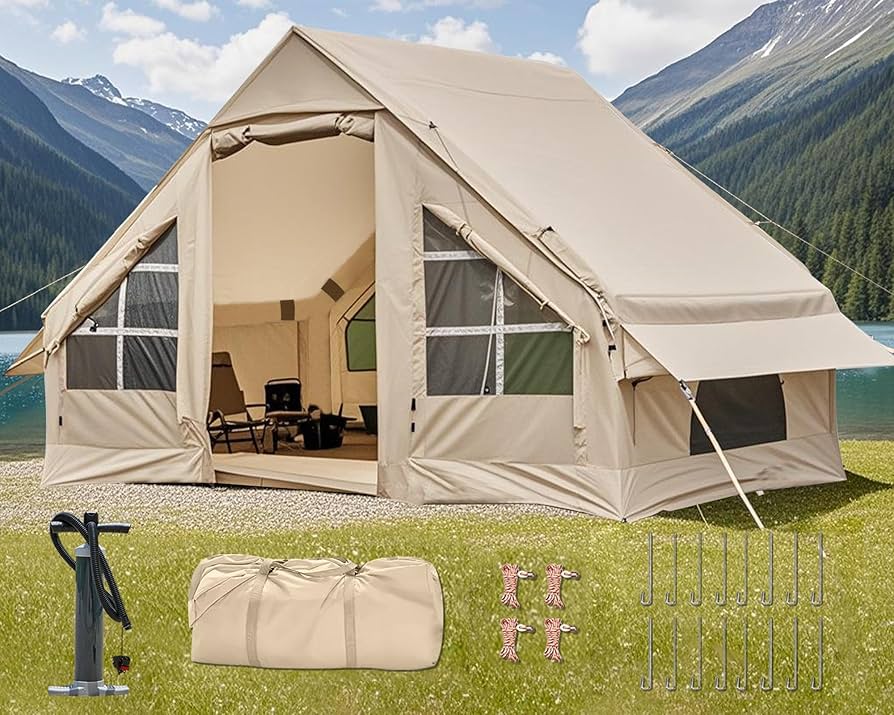
Imagine planning a camping trip. You dream of the perfect spot, the smell of fresh air, and the sound of birds chirping.
But then, a thought hits you: setting up a traditional tent can be a daunting task. What if there’s an easier way? Enter inflatable tents. They promise simplicity, speed, and comfort. But are they really as good as they seem?
Before you invest in one, you need to know if it’s worth it. We’ll dive into the benefits and drawbacks of inflatable tents, helping you decide if they are the right choice for your adventures. Stick around and discover if this modern twist on camping could enhance your outdoor experiences.
Benefits Of Inflatable Tents
Inflatable tents use air beams instead of traditional poles. This design offers several advantages for campers and outdoor users. They are easy to carry and set up in many environments.
These tents provide comfort and stability while saving time and effort. Below are some key benefits that make inflatable tents a popular choice.
Quick Setup And Takedown
Inflatable tents inflate quickly with a pump. This process takes only a few minutes compared to setting up pole tents. Deflating and packing the tent is also fast and simple.
Lightweight And Portable
These tents weigh less than many traditional tents. They fold into compact sizes that fit easily in backpacks or car trunks. This makes them great for hiking and traveling.
- Easy to carry on long trips
- Takes less space in storage
- Good choice for solo campers or small groups
Enhanced Stability In Wind
Air beams flex with the wind instead of breaking. This feature improves the tent’s stability and safety during storms or gusty weather.
| Feature | Inflatable Tent | Traditional Pole Tent |
|---|---|---|
| Wind Resistance | High, flexible beams | Less flexible, can break |
| Setup Time | 5-10 minutes | 15-30 minutes |
| Weight | Lightweight | Heavier |
Comfort And Space Advantages
Inflatable tents often have more usable space inside. The curved beams create higher ceilings and better headroom. This adds comfort for sitting and moving around.
Durability Factors
Inflatable tents must be durable to last through many uses. Durability depends on many parts of the tent. This includes the materials and how well it is built.
We will look at four key factors that affect the strength and life of inflatable tents. These are material quality, seam strength, resistance to punctures and tears, and weatherproof features.
Material Quality
The quality of the material used in inflatable tents is very important. Strong materials help the tent hold air and keep its shape. Common materials include polyester and nylon with coatings for extra strength.
- Polyester is tough and resists stretching.
- Nylon is lightweight and strong.
- Coatings like polyurethane add water resistance.
- Thicker fabrics last longer under rough use.
Seam Strength
Seams join the tent pieces together. Strong seams prevent air leaks and tearing. Double stitching or welded seams are the best types to look for in an inflatable tent.
| Seam Type | Durability | Air Tightness |
| Single Stitch | Low | Low |
| Double Stitch | Medium | Medium |
| Welded Seam | High | High |
Resistance To Punctures And Tears
Inflatable tents must resist holes and rips from sharp objects or rough ground. Materials with a tight weave and extra coatings help protect the tent. Some tents have reinforced areas where damage is more likely.
- Look for thick, coated fabrics.
- Check if the tent has reinforced corners and seams.
- A repair kit may come with the tent for quick fixes.
Weatherproof Features
Weatherproof tents keep you dry and safe during rain and wind. Strong zippers, sealed seams, and waterproof coatings help keep water out. Good tents also allow air to flow to reduce condensation inside.
| Feature | Purpose |
|---|---|
| Waterproof Coating | Keeps rain from soaking the tent |
| Sealed Seams | Prevents leaks through stitched areas |
| Strong Zippers | Stops water and wind from entering |
| Ventilation Vents | Reduces inside moisture build-up |
Comparing Inflatable And Traditional Tents
Inflatable tents use air beams instead of metal poles. Traditional tents have poles made of metal or fiberglass.
This comparison looks at setup time, weight, durability, and cost to help you understand both types better.
Setup Time And Ease
Inflatable tents are quick to set up. You just use a pump to fill the air beams. Traditional tents need pole assembly and threading.
- Inflatable tents take about 5 to 10 minutes to set up.
- Traditional tents can take 15 to 30 minutes, depending on size.
- Inflatable tents require a pump, either manual or electric.
- Traditional tents need some skill to assemble poles correctly.
Weight And Pack Size
Weight and pack size affect how easy tents are to carry. Inflatable tents have fewer poles, but air beams add weight.
| Type | Average Weight | Pack Size |
| Inflatable Tent | 6 to 12 kg | Medium-sized bag |
| Traditional Tent | 4 to 10 kg | Smaller, compact bag |
Durability And Lifespan
Inflatable tents use thick air beams that resist bending but can puncture. Traditional tents use strong poles that last longer but can bend.
Both types use similar fabric materials. Proper care can extend the life of either tent.
Cost And Value
Inflatable tents often cost more due to their technology. Traditional tents have many options at lower prices.
- Inflatable tents: higher upfront cost, easier setup.
- Traditional tents: lower cost, more manual work.
- Consider how often you camp and ease of use.

Credit: questoutdoors.com.au
Common Issues And Solutions
Inflatable tents are easy to set up and carry. Still, they have some common problems users face.
Knowing these issues helps you fix them quickly and keep your tent in good shape.
Leaks And Repairs
Leaks are the most common problem with inflatable tents. Small holes or tears can cause air to escape.
Fixing leaks quickly stops the air loss and keeps the tent sturdy.
- Find the leak by listening for hissing sounds or feeling for escaping air.
- Use soapy water to spot bubbles on the tent surface.
- Clean the area around the hole before repairing.
- Apply a patch kit made for inflatable materials.
- Press the patch firmly and let it dry completely.
Maintenance Tips
Regular care helps your inflatable tent last longer and work better.
Check your tent for damage before and after each use. Clean it gently with mild soap and water.
- Keep the tent dry before storing it to avoid mold.
- Inspect air tubes for cracks or weak spots regularly.
- Avoid sharp objects near the tent to prevent punctures.
- Use the tent on flat, clean surfaces to reduce damage risk.
Storage Best Practices
Proper storage keeps your inflatable tent safe and ready for the next trip.
Make sure the tent is completely dry and clean before packing it away.
- Fold the tent carefully to avoid creases and stress points.
- Store it in a cool, dry place away from direct sunlight.
- Keep the tent in its storage bag or a protective cover.
- Do not place heavy items on top of the tent during storage.
Top Inflatable Tent Brands
Inflatable tents are growing in popularity for their ease of use. Many brands now offer models with strong materials and fast setup.
Choosing the right brand helps you get a quality tent that lasts and feels comfortable outdoors.
Popular Models
Several models stand out for their design and reliability. These tents suit different needs from camping to festivals.
- Intex Quick-Up Tent – Easy to inflate and lightweight
- Vango AirBeam – Offers great wind resistance and space
- Heimplanet Fistral – Known for durability and unique shape
- Outwell Airville – Comfortable with good ventilation
- Kampa Dometic Hayling – Quick setup for casual campers
User Reviews And Ratings
Users often praise inflatable tents for fast setup and comfort. Some mention the need for careful maintenance.
| Brand | Average Rating | Common Feedback |
| Intex | 4.0/5 | Good for beginners, affordable |
| Vango | 4.5/5 | Stable in wind, roomy |
| Heimplanet | 4.7/5 | Strong material, stylish look |
| Outwell | 4.3/5 | Well ventilated, easy to pack |
| Kampa Dometic | 4.1/5 | Quick to set up, good value |
Price Range
Prices vary by brand and features. Inflatable tents can fit many budgets.
- Budget models: $100 to $200 – Basic features, good for casual use
- Mid-range: $200 to $400 – Better materials and larger sizes
- High-end: $400 and above – Durable, stylish, and great for frequent camping

Credit: www.amazon.ca
Choosing The Right Inflatable Tent
Inflatable tents are easy to set up and take down. They are useful for camping, events, or outdoor activities.
Picking the right inflatable tent depends on several factors. Knowing what to look for helps you get the best fit.
Capacity And Size
Think about how many people will use the tent. The size should fit everyone comfortably.
Also, consider the space for gear and movement inside the tent. Bigger tents offer more comfort but are heavier.
- Small tents: 1-2 people, light and easy to carry
- Medium tents: 3-5 people, good for families
- Large tents: 6+ people, best for groups or events
Intended Use And Environment
Choose a tent that matches where you will use it. Different environments need different features.
Think about weather, ground type, and how often you will use the tent. Some tents handle wind and rain better.
- For camping: look for water resistance and ventilation
- For festivals or events: easy setup and transport matter
- For harsh weather: strong materials and secure anchors are key
Additional Features To Consider
Extra features can make your tent more comfortable and practical. Think about what will help you most.
Some tents have built-in lights, multiple doors, or extra pockets for storage. Check what fits your needs.
- Multiple air chambers for safety if one leaks
- UV protection for sunny days
- Good ventilation to reduce condensation
- Repair kits included for quick fixes

Credit: www.reddit.com
Frequently Asked Questions
Are Inflatable Tents Durable For Outdoor Use?
Inflatable tents are made from strong, weather-resistant materials. They handle wind and rain well. Proper care and maintenance extend their lifespan. However, extreme weather may affect durability, so choose quality brands for best results.
How Easy Is It To Set Up Inflatable Tents?
Inflatable tents are very easy to set up. They use air pumps instead of poles, saving time and effort. Most models inflate within minutes, making them perfect for quick camping or festivals.
Are Inflatable Tents Lightweight And Portable?
Yes, inflatable tents are generally lightweight and compact when deflated. They fit into carry bags easily, making transportation simple. This portability suits travelers and campers who prefer minimal gear.
Can Inflatable Tents Withstand Strong Winds?
Many inflatable tents are designed to resist moderate winds. Their flexible structure absorbs wind pressure better than rigid poles. Still, securing them properly with stakes and guy lines is essential for safety.
Conclusion
Inflatable tents offer quick setup and lightweight design. They work well for casual camping and short trips. Durability can vary, so choose carefully. These tents provide good comfort and weather protection. They save time and reduce effort during camping. Overall, inflatable tents suit many outdoor needs.
Consider your camping style before buying one. They bring ease but might not fit all situations. A smart choice for easy, fun camping adventures.