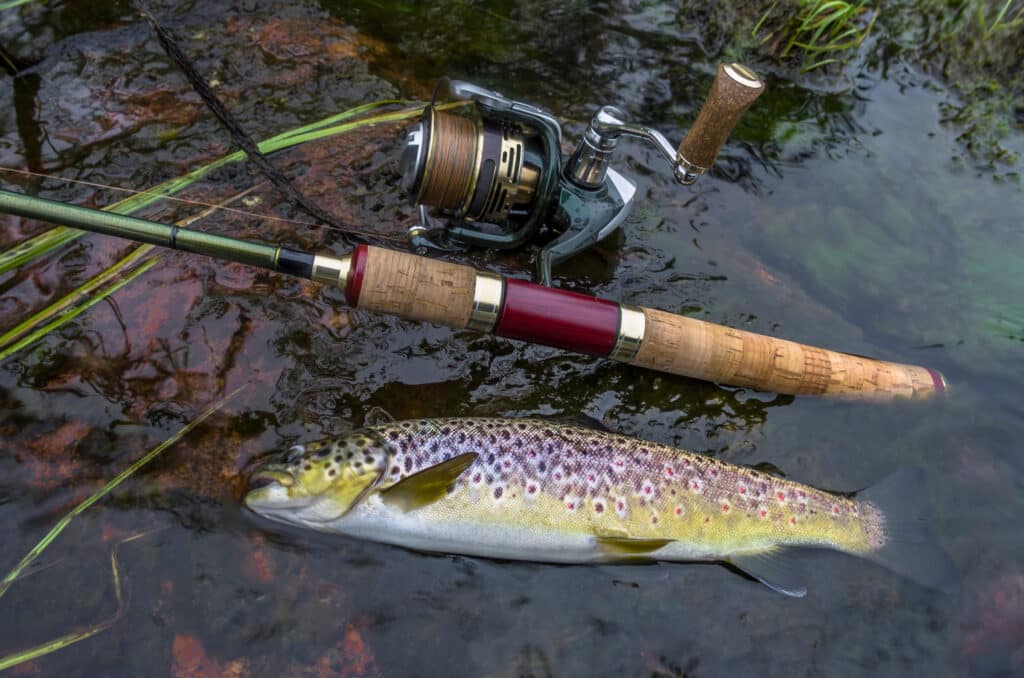
Have you ever wondered if you can fly fish with a spinning rod? Maybe you already have a spinning rod at home and want to try something new without buying extra gear.
Or perhaps you’re curious if this simple switch can change your fishing experience. This article will clear up the confusion and show you exactly how spinning rods and fly fishing can work together—sometimes in surprising ways. Keep reading to discover practical tips and expert insights that can help you make the most of your fishing time.
Credit: www.battlbox.com
Fly Fishing Basics
Fly fishing is a unique way to catch fish using light gear and artificial flies. It is different from other fishing methods.
This style requires skill in casting and choosing the right equipment for the fish and water conditions.
What Is Fly Fishing
Fly fishing uses a special rod and line to cast lightweight flies. These flies look like insects or bait fish.
The goal is to trick the fish into thinking the fly is real food. Anglers use a smooth, controlled cast to place the fly on the water.
Essential Gear For Fly Fishing
Fly fishing needs specific gear. Each piece plays a role in success and enjoyment.
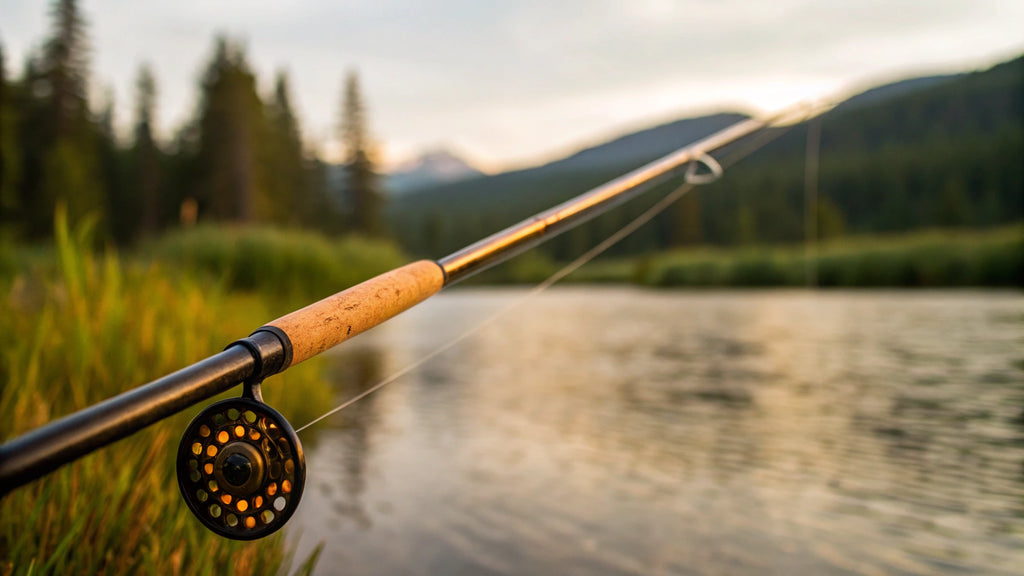
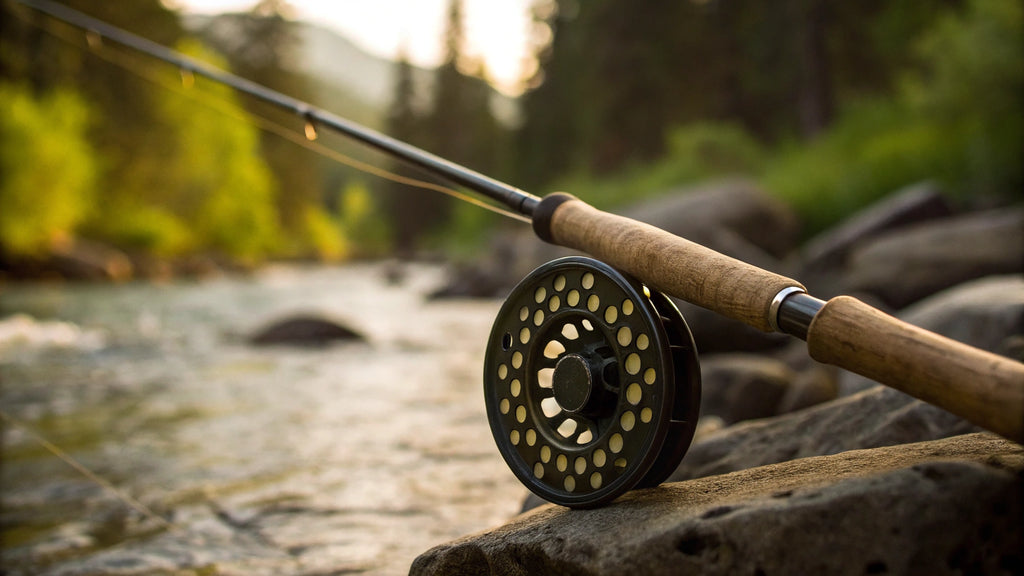
- Fly rod: Longer and lighter than spinning rods
- Fly reel: Holds the fly line and helps control fish
- Fly line: Heavier than regular line to carry the fly
- Leader and tippet: Thin lines that connect the fly to the main line
- Flies: Artificial lures made to look like insects
- Waders: Waterproof pants to stand in water
- Vest or pack: To carry gear and flies
Credit: www.battlbox.com
Spinning Rod Features
Spinning rods are popular for many types of fishing. They are easy to use and work well with spinning reels.
Many anglers wonder if they can fly fish using a spinning rod. To understand this, we must look at the spinning rod’s features.
Design And Components
Spinning rods have a long, thin design with guides along the rod. These guides hold the fishing line and help cast the lure or bait.
The reel seat on a spinning rod is below the rod. The reel hangs under the rod when fishing. The handle is usually made of cork or foam for comfort.
- Long, flexible blank made of graphite or fiberglass
- Line guides that are larger near the reel and smaller near the tip
- Reel seat below the rod for spinning reels
- Comfortable handle with cork or foam
- Designed to cast lures or bait with a spinning reel
How Spinning Rods Differ From Fly Rods
Fly rods are made for a different fishing style. They are lighter and longer than spinning rods. Fly rods use fly lines that are heavy to help cast the light fly.
Spinning rods use thinner lines and rely on the weight of the lure or bait. Fly rods have different reel positions and guides compared to spinning rods.
- Fly rods are longer and more flexible than spinning rods
- Fly rods have larger guides and the reel sits below the handle
- Spinning rods use thin lines and smaller guides
- Fly rods cast heavy fly lines, spinning rods cast lures or bait
- Fly fishing requires different casting techniques than spinning fishing
Using A Spinning Rod For Fly Fishing
Fly fishing usually uses special rods and reels. But you can try fly fishing with a spinning rod. It takes some changes to your gear and technique.
This guide covers how to adapt your setup, which flies to use, and casting tips. You can enjoy fly fishing even without the usual fly rod.
Adapting The Setup
Spinning rods are not made for fly lines. You must change your setup to make it work. Use lighter, floating lines and smaller reels. Attach a long leader to help control the fly.
- Choose a light spinning rod with fast action.
- Use floating or light fly lines designed for spinning reels.
- Add a long monofilament leader for better presentation.
- Pick a small spinning reel with smooth drag.
- Match your line weight with the rod’s rating.
Types Of Flies Suitable
Not all flies work well on spinning rods. Heavier flies are easier to cast. Dry flies and small streamers are good choices. Avoid very light or tiny flies that need delicate casting.
| Fly Type | Best Use |
| Woolly Bugger | Streamers for trout and bass |
| Clouser Minnow | Imitates baitfish, good for spinning rods |
| Marabou Jigs | Heavier flies for bigger fish |
| Large Dry Flies | Easy to see and cast |
Casting Techniques
Casting with a spinning rod is different from fly casting. Use smooth, long casts to avoid tangles. Keep the rod tip high and control the line with your fingers. Practice sidearm and overhead casts.
- Grip the rod firmly but relaxed.
- Pull the line out with your non-rod hand.
- Make a smooth forward cast with the rod tip.
- Let the fly land gently on the water.
- Use short strips to move the fly naturally.
Advantages Of Spinning Rods In Fly Fishing
Many anglers wonder if they can use spinning rods for fly fishing. The answer is yes, and there are good reasons to consider it. Spinning rods bring some benefits that make fly fishing easier for beginners and casual fishers.
This article highlights the main advantages of spinning rods in fly fishing. It looks at how they add versatility and convenience, and how they are cost-friendly and accessible for most people.
Versatility And Convenience
Spinning rods work well in many fishing situations. They let you use different types of lures and baits, not just fly fishing flies. This makes them handy for switching between fishing styles without changing gear.
- Cast lighter or heavier lures easily
- Use in rivers, lakes, or streams
- Handle various fish species
- Require less practice to cast well
Cost And Accessibility
Spinning rods are often cheaper than fly fishing rods and reels. You can find good quality spinning gear at lower prices. This makes fly fishing more accessible for those on a budget.
| Type of Rod | Average Price |
| Spinning Rod | $30 – $100 |
| Fly Fishing Rod | $100 – $300 |
Challenges And Limitations
Fly fishing with a spinning rod is possible but not always easy. This setup has some limits that anglers should know.
Understanding these challenges helps you decide if a spinning rod fits your fly fishing needs.
Casting Distance And Accuracy
Spinning rods are not made for the smooth, long casts needed in fly fishing. Their design limits how far and how well you can cast a fly.
- Spinning rods use a different casting motion than fly rods.
- Heavier spinning reels and lines reduce casting distance.
- Accuracy is harder because the fly line does not move freely.
- Shorter casts limit fishing spots and techniques.
Line And Leader Compatibility
Spinning rods work with thin, light lines, unlike fly rods. This difference creates issues when matching the line and leader.
| Aspect | Spinning Rod | Fly Rod |
| Line Type | Monofilament or braided thin line | Weighted fly line |
| Leader Type | Usually short, tied to thin line | Long tapered leader for casting |
| Line Weight | Light, not designed for heavy flies | Heavier, designed for fly weight |
| Compatibility | Hard to cast fly line properly | Made to work with fly line and leader |

Credit: www.youtube.com
Expert Tips For Success
Fly fishing with a spinning rod is possible and can be fun. It takes some practice and the right setup.
This guide shares expert tips to help you fish well using a spinning rod for fly fishing.
Choosing The Right Line
Use a light, floating line for better control. A 4 to 6 pound test line works well. Avoid heavy lines that can tangle.
Monofilament or fluorocarbon lines are good choices. They help the fly land softly on water.
- Pick a line that matches your rod’s strength
- Choose floating lines for surface flies
- Use lighter lines for delicate casts
Improving Casting Skills
Practice short, smooth casts before trying longer ones. Keep your wrist firm and use your arm to cast.
Watch your line to avoid tangles. Try to cast gently to keep the fly on the water surface.
- Start with slow, steady casting motions
- Focus on timing your cast to avoid slack
- Practice in open areas to improve accuracy
Targeting Suitable Fish Species
Spinning rods work well for trout, bass, and panfish. These fish often feed near the surface.
Choose flies that match insects in the water. Use smaller flies for picky fish.
- Trout: Use dry flies or small nymphs
- Bass: Use larger flies that mimic baitfish
- Panfish: Use bright, small flies
Maintenance And Care
Taking care of your spinning rod and reel helps them last longer. Regular maintenance keeps them working well for fly fishing.
Proper cleaning and storage are key. These simple steps protect your gear from damage and wear.
Cleaning The Rod And Reel
After each fishing trip, rinse your rod and reel with fresh water. This removes dirt, salt, and debris that can cause rust.
Use a soft cloth to wipe the rod and dry it well. For the reel, take off any line and clean the spool gently. Apply light reel oil to moving parts to keep them smooth.
- Rinse rod and reel with fresh water
- Wipe rod with a soft, dry cloth
- Remove line from reel for cleaning
- Use reel oil on moving parts
- Check guides for cracks or damage
Storage Recommendations
Store your spinning rod and reel in a cool, dry place. Keep them away from direct sunlight to avoid damage to the materials.
Use a rod sleeve or case to protect the rod from scratches. Hang the rod vertically or lay it flat to keep it straight and avoid bending.
- Keep gear in a dry, cool area
- Avoid direct sunlight exposure
- Use protective rod sleeves or cases
- Store rod vertically or flat
- Loosen reel drag before storage
Frequently Asked Questions
Can You Use A Spinning Rod For Fly Fishing?
Yes, you can use a spinning rod for fly fishing. It requires some adjustments to technique and gear. Using a casting bubble or fly adapter can help cast flies effectively. This method is ideal for beginners or those without specialized fly fishing equipment.
What Are The Benefits Of Fly Fishing With A Spinning Rod?
Fly fishing with a spinning rod offers versatility and accessibility. It allows anglers to explore fly fishing without investing in specialized gear. Spinning rods provide easier casting techniques, making them beginner-friendly. This approach also allows anglers to switch between traditional lures and flies effortlessly.
How To Set Up A Spinning Rod For Fly Fishing?
To set up a spinning rod for fly fishing, attach a casting bubble or fly adapter. Use a lightweight leader and tie your fly securely. Ensure your spinning reel has a smooth drag system. Practice casting techniques to improve distance and accuracy.
This setup mimics traditional fly fishing effectively.
Is Fly Fishing With A Spinning Rod Effective?
Fly fishing with a spinning rod can be effective if done correctly. It allows for easy casting and versatility in lure selection. While not as precise as traditional fly fishing, it offers convenience and accessibility. With practice, anglers can achieve good results, especially in areas with limited space.
Conclusion
Spinning rods can work for fly fishing in many cases. They are easier to find and use for beginners. While not perfect, they offer a fun way to try fly fishing. Different gear suits different styles and fish types. Experiment with what feels best in your hands.
Enjoy the water and the thrill of catching fish. Try spinning rods next time you want to fly fish. You might be surprised by the results. Keep practicing and learning with each cast. Fishing is about patience, fun, and the love of nature.