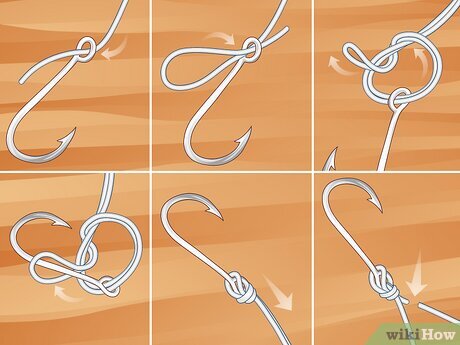
If you want to improve your fishing skills, learning how to tie a swivel onto your fishing line is a must. A properly tied swivel keeps your line from twisting, making your casts smoother and your catches easier.
But if you’ve ever struggled with knots that slip or break, you’re not alone. In this guide, you’ll discover a simple, step-by-step method that anyone can master. By the end, you’ll feel confident tying a swivel quickly and securely every time.
Ready to make your fishing experience better? Let’s dive in and get your line knot perfect!

Credit: www.youtube.com
Choosing The Right Swivel
Choosing the right swivel is important for fishing success. The swivel prevents line twisting and helps connect different parts of your rig.
Knowing the types and sizes of swivels will help you pick the best one for your fishing needs.
Types Of Swivels
Swivels come in several types. Each type serves a different fishing purpose and line strength.
- Barrel Swivels:Most common and simple. Good for general fishing.
- Ball Bearing Swivels:Smooth rotation to reduce line twist. Best for heavy or fast fishing.
- Three-Way Swivels:Allow attaching multiple lines or rigs. Used in bottom fishing.
- Snap Swivels:Have a clip for quick lure changes. Convenient for changing baits.
Selecting The Appropriate Size
Swivel size depends on the line strength and fish type. Using the wrong size can cause line breakage or poor movement.
| Swivel Size | Line Test Range (lbs) | Common Use |
| Small (00 to 1) | 4 to 10 | Light freshwater fishing |
| Medium (2 to 4) | 10 to 20 | General freshwater and light saltwater |
| Large (5 to 7) | 20 to 50 | Heavy freshwater and saltwater fishing |
| Extra Large (8+) | 50+ | Big game fishing |
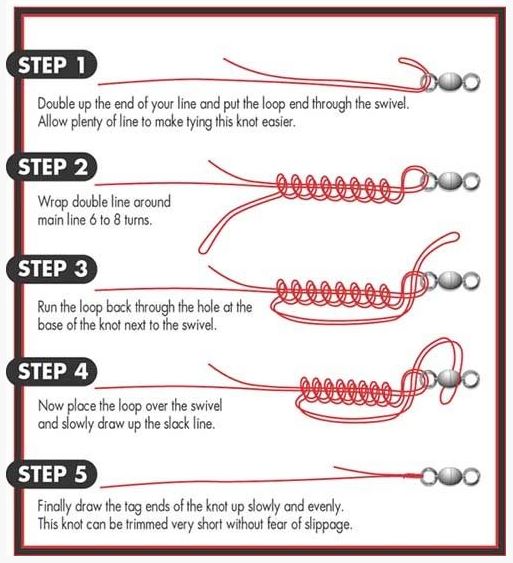
Credit: www.beadinggem.com
Preparing The Fishing Line
Before tying a swivel onto your fishing line, you need to prepare the line properly. Proper preparation helps avoid problems while fishing.
Two important tasks are cutting the line correctly and checking it for damage. These steps make sure your line is strong and ready.
Cutting The Line
Cut the fishing line cleanly to make tying easier. Use sharp scissors or a line clipper to avoid frayed ends.
- Measure the length of line needed for your setup.
- Cut the line straight across with sharp scissors.
- Avoid crushing or bending the line while cutting.
- Trim any stray fibers to get a neat end.
Checking For Line Damage
Check the line carefully for any damage before tying the swivel. Damaged line can break easily.
| Type of Damage | How to Check |
| Abrasion | Look for rough or worn spots |
| Cracks | Run your fingers gently over the line |
| Discoloration | Check for faded or clear spots |
| Knots or Twists | Untangle or cut out problem areas |
Tying The Knot
Tying a swivel onto a fishing line is an important skill. It helps keep your line from twisting.
Follow these simple steps to tie a strong and secure knot for your swivel.
Making A Loop
Start by making a loop at the end of your fishing line. This loop will help you tie the swivel tightly.
- Hold the line and form a small loop about 6 inches from the end.
- Pass the end of the line back over the standing line to form the loop.
- Make sure the loop is large enough to pass the swivel through.
Threading The Swivel
Next, thread the swivel through the loop you just made. This step connects the swivel to the line.
- Pick up the swivel with the eye facing you.
- Pass the loop through the eye of the swivel.
- Pull enough of the loop through so you can start tightening.
Tightening The Knot
Finally, tighten the knot to secure the swivel firmly in place. A tight knot prevents slipping.
- Hold the swivel and the standing line separately.
- Pull the tag end and the standing line slowly to close the loop.
- Make sure the knot tightens evenly around the swivel eye.
- Trim the excess tag end close to the knot.
Testing Knot Strength
After tying a swivel onto your fishing line, you must check if the knot is strong. Testing knot strength helps avoid losing fish or gear.
There are two main ways to test your knot: visual inspection and pull test. Both ensure your knot holds well under pressure.
Visual Inspection
Look closely at the knot to find any mistakes or weak points. A good knot is neat and tight without loose loops or twists.
Check if the line is evenly wrapped around the swivel and that the ends are trimmed properly to avoid slipping.
- The knot should lie flat and not overlap itself too much
- Ensure no frayed or damaged parts of the line near the knot
- Trim tag ends close but leave a small length to prevent unraveling
Pull Test
Hold the swivel and pull the line with firm pressure. The knot should hold tight without slipping or breaking.
Try pulling in different directions to check if the knot stays secure under real fishing conditions.
- Pull slowly at first, then increase force gradually
- Stop if you feel the knot slipping or the line weakening
- Retie the knot if it fails during the pull test
Troubleshooting Common Issues
Tying a swivel onto fishing line can sometimes cause problems. Common issues include weak knots and line twists.
Fixing these problems helps keep your fishing setup strong and reliable.
Weak Knot Solutions
A weak knot can cause you to lose your catch. Make sure to wet the line before tightening the knot.
Use the right knot type for your fishing line and swivel. Try the improved clinch knot for better strength.
- Wet the line before tightening
- Use multiple wraps around the swivel eye
- Pull the knot slowly and firmly
- Trim excess line close to the knot
Preventing Line Twists
Line twists weaken your setup and cause tangles. Always let the swivel spin freely to avoid twists.
Check the swivel for damage before use. Replace it if it does not spin well.
- Use a quality swivel that rotates smoothly
- Keep tension on the line when reeling in
- Avoid spinning the lure too fast
- Use swivels with ball bearings for less twist
Pro Tips For Secure Swivels
Tying a swivel onto your fishing line keeps your setup strong and tangle-free. Using the right techniques helps your knots stay tight and reliable.
These tips will show you how to tie a swivel securely. Follow them to avoid losing fish or gear.
Using Knot Tying Tools
Knot tying tools make it easier to create tight and neat knots. They help you hold the line steady and avoid slipping.
Tools like knot tiers or pliers improve your grip. They save time and reduce hand strain, especially with small swivels.
- Knot tiers guide the line for perfect loops
- Pliers help pull the knot tight without damage
- Use a hook or needle to thread the line smoothly
Maintaining Knot Integrity
Keep your knots strong by wetting the line before tightening. This lowers friction and stops the line from weakening.
Check your knots regularly for wear or loosening. Replace or retie knots if you see any damage to avoid losing your swivel.
- Wet the line with water or saliva before pulling tight
- Pull the knot slowly and evenly for a firm hold
- Trim excess tag ends close to the knot
- Inspect knots before each fishing trip

Credit: www.ohero.com
Frequently Asked Questions
How Do You Tie A Swivel Onto Fishing Line?
To tie a swivel, thread the line through the swivel eye. Use a strong knot like the improved clinch knot. Tighten it firmly and trim excess line for a secure connection.
Why Use A Swivel On Fishing Line?
Swivels prevent line twisting and tangling. They allow the bait or lure to spin freely. This improves casting and reduces line damage, enhancing your fishing experience.
What Is The Best Knot For Tying A Swivel?
The improved clinch knot is ideal for swivels. It’s strong, easy to tie, and reliable. This knot ensures the swivel stays securely attached during fishing.
Can I Tie A Swivel Without Special Tools?
Yes, you can tie a swivel using just your hands. No special tools are needed, but a good knot technique is essential for strength.
Conclusion
Tying a swivel onto your fishing line is simple and quick. Follow the steps carefully to avoid slips or tangles. A strong knot keeps your line secure and helps you fish better. Practice a few times before heading out. Soon, it will become a natural part of your fishing routine.
Keep your gear ready and enjoy your time on the water. Good knots make fishing easier and more fun. Try different knots to see what works best for you.