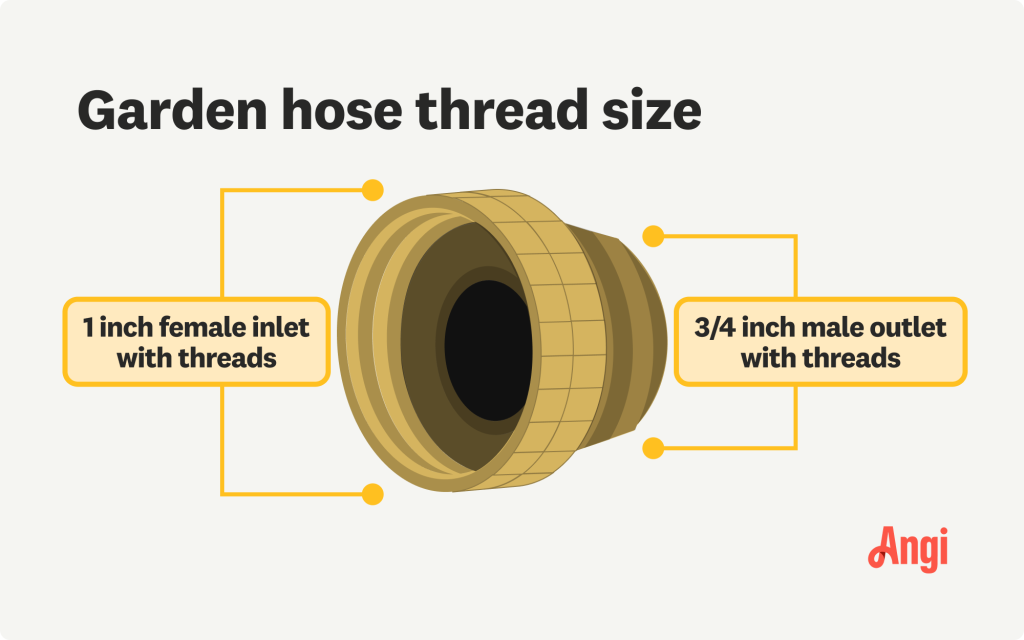
Have you ever struggled to connect a garden hose because the threads just don’t match? Knowing what thread a garden hose uses can save you time, money, and frustration.
Whether you’re replacing an old hose or adding new fittings, understanding the right thread type ensures a perfect fit every time. Keep reading to discover exactly what thread your garden hose uses and how this simple knowledge can make your gardening tasks easier and more efficient.
Types Of Hose Threads
Garden hoses connect to water sources using different thread types. These threads ensure a tight and leak-free fit. Knowing the common thread types helps you pick the right hose for your needs.
Three main thread types are used worldwide. Each has unique features and sizes. This guide covers National Pipe Thread, Garden Hose Thread, and British Standard Pipe.
National Pipe Thread (npt)
National Pipe Thread is a U.S. standard for threaded pipes and fittings. It uses a tapered thread to create a tight seal. This thread type is common in plumbing and industrial hoses.
- Thread angle: 60 degrees
- Thread taper: 1 in 16
- Seals by thread interference and tape
- Used in water, gas, and air lines
Garden Hose Thread (ght)
Garden Hose Thread is the standard for garden hoses in the U.S. It has a straight thread and uses a rubber washer for sealing. GHT fittings are easy to connect and disconnect.
| Feature | Description |
|---|---|
| Thread type | Straight |
| Thread size | 3/4 inch diameter |
| Thread pitch | 11.5 threads per inch |
| Seal method | Rubber washer inside fitting |
| Common use | Garden hoses and outdoor faucets |
British Standard Pipe (bsp)
British Standard Pipe threads are common outside the U.S. BSP uses parallel or tapered threads. It is often found in plumbing systems in the UK and many other countries.
| Thread Type | Thread Angle | Seal Method |
|---|---|---|
| BSPP (Parallel) | 55 degrees | Uses a gasket or O-ring |
| BSPT (Tapered) | 55 degrees | Seals by thread interference |
Measuring Hose Thread Size
Knowing the thread size of your garden hose helps you find the right connectors. Threads are the spiral ridges on the hose end.
Measuring hose thread size is easy if you have the right tools and follow simple steps. This guide will help you measure correctly.
Tools For Measurement
You need a few tools to measure hose thread size accurately. These tools help you check the diameter and thread pitch.
- Caliper or ruler for measuring diameter
- Thread gauge to count thread pitch
- Magnifying glass to see small threads
- Marker to mark measurement points
Step-by-step Measurement Guide
First, clean the hose end to see the threads clearly. Dirt can cause wrong measurements.
Measure the outside diameter of the male thread or inside diameter of the female thread. Use a caliper for best results.
- Place the caliper jaws over the thread’s widest points.
- Record the diameter in inches or millimeters.
- Use a thread gauge to count threads per inch (TPI).
- Note down the thread pitch and diameter together.
Compare your measurements to standard sizes to find the matching hose thread size.
Common Size Conversions
Garden hoses usually use standard thread sizes. Here are common size conversions to help you understand them better.
| Thread Size | Diameter (inches) | Diameter (mm) | Threads Per Inch (TPI) |
|---|---|---|---|
| GHT (Garden Hose Thread) | 0.875 (7/8″) | 22.23 | 11.5 |
| NPT (National Pipe Thread) | 0.840 (13/16″) | 21.34 | 14 |
| BSP (British Standard Pipe) | 0.825 (21mm) | 21 | 14 |
Choosing The Right Hose Thread
Garden hoses come with different types of threads. The right thread helps connect your hose to faucets and accessories without leaks.
Choosing the correct hose thread ensures a tight fit and prevents water loss. It also protects your hose from damage.
Factors To Consider
Check the hose thread size before buying. Common sizes include 3/4 inch and 5/8 inch threads. Also, thread type matters.
Threads can be National Hose (NH), Garden Hose Thread (GHT), or British Standard Pipe (BSP). Each fits specific fittings.
- Measure the thread diameter carefully
- Know the thread type used in your region
- Match thread pitch to avoid leaks
Climate And Material Compatibility
Climate affects the hose material and thread choice. Cold weather can make some materials crack or shrink.
Choose hose threads and materials that work well in your climate. Some threads resist rust and corrosion better.
- Metal threads suit hot and cold climates
- Plastic threads resist corrosion but may crack in cold
- Check if thread seals handle temperature changes
Usage And Durability
Think about how often you will use the hose. Frequent use needs strong, durable threads to avoid leaks.
Hose threads should match your usage needs. Heavy-duty threads last longer with daily watering or washing.
- Heavy-duty metal threads resist wear and tear
- Plastic threads are light but less durable
- Choose threads that fit your watering tools securely
Credit: www.walmart.com
Connecting Different Hose Threads
Garden hoses come with different thread types and sizes. These threads must match to connect hoses properly.
Sometimes you need to connect hoses with different thread sizes or types. Using the right parts helps avoid problems.
Adapters And Converters
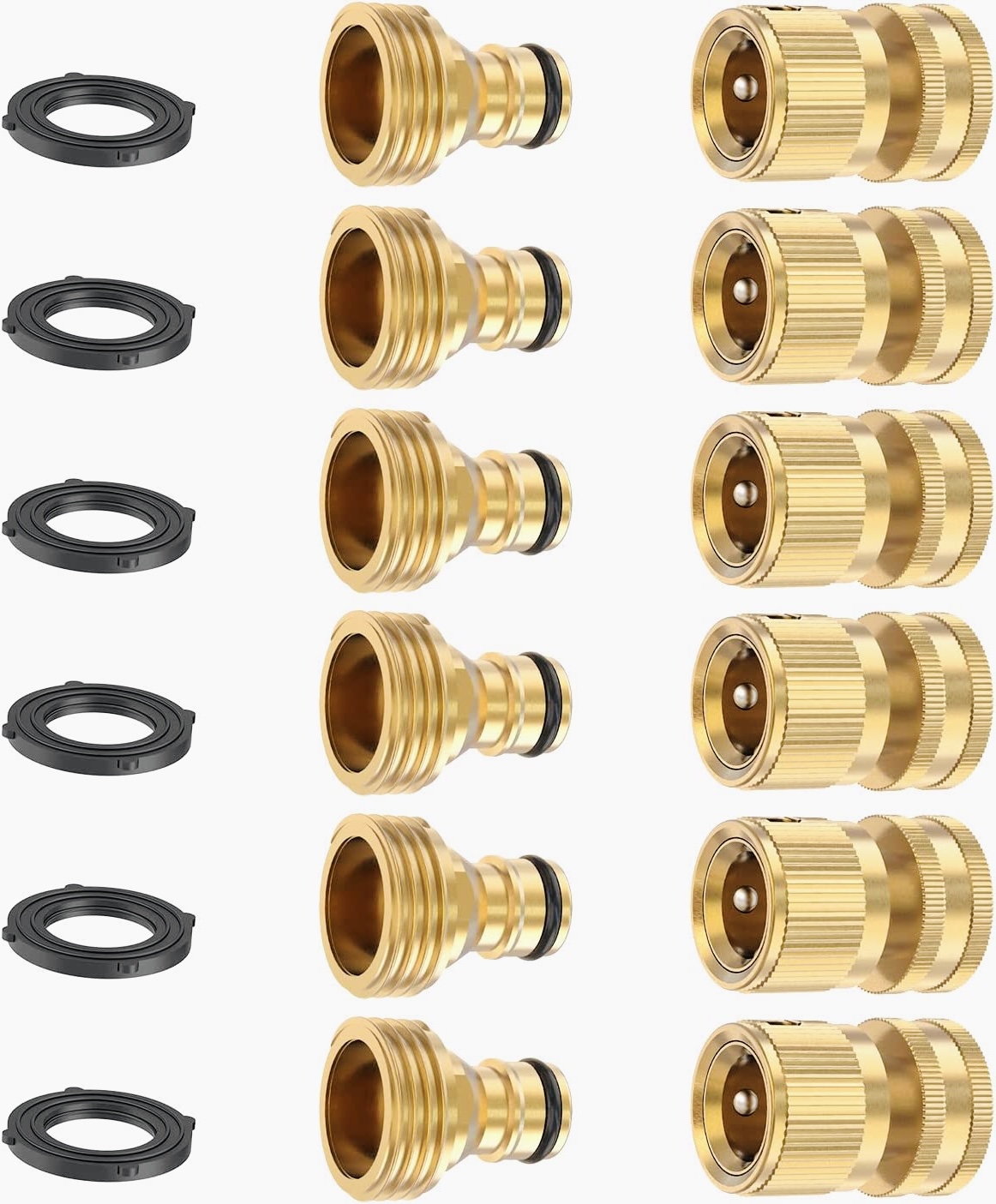
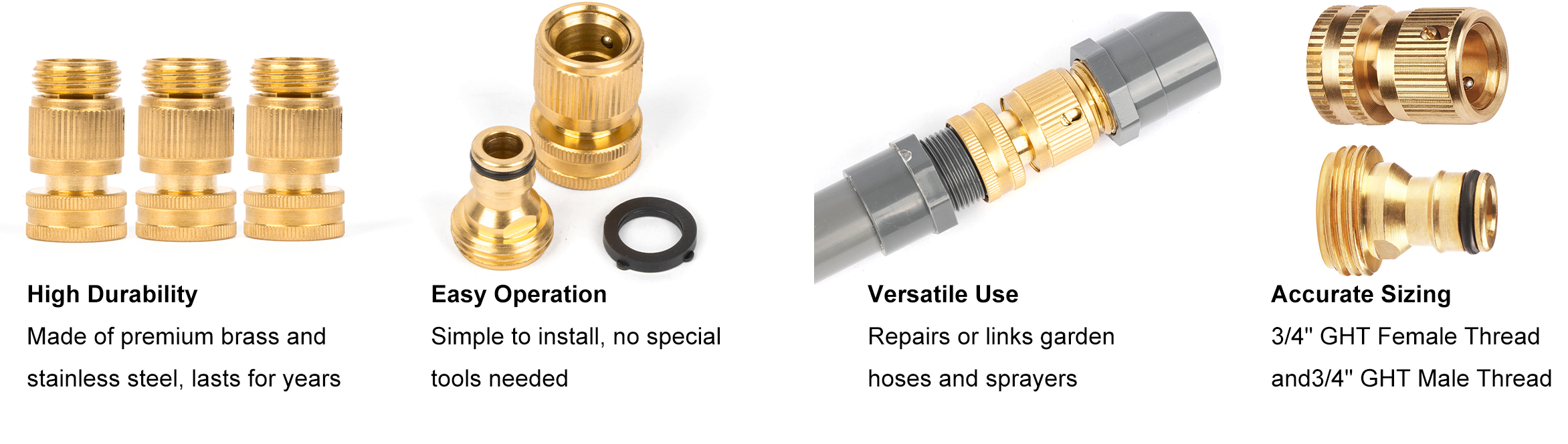
Adapters and converters join hoses with different thread sizes or types. They fit one thread size on one side and another on the other side.
Common adapters include:
- Male to female thread adapters
- Different size thread adapters (e.g., 3/4 inch to 1/2 inch)
- Adapters for different thread standards (e.g., BSP to NPT)
Tips For Secure Connections
Make sure threads match and screw parts on tightly by hand. Use tools only if needed to avoid damage.
Here are some tips:
- Clean threads before connecting
- Use thread tape for extra seal
- Tighten connections securely but avoid over-tightening
- Check for cross-threading when screwing parts together
Avoiding Leaks And Drips
Leaking happens when connections are loose or threads are damaged. Fix leaks quickly to save water.
To prevent leaks:
- Use rubber washers inside hose fittings
- Replace worn or cracked washers
- Apply plumber’s tape on threads
- Check connections regularly and tighten if needed
Maintenance And Care
Keeping a garden hose in good shape helps it last longer. Proper care prevents leaks and blockages.
Learn simple ways to clean, store, and fix common garden hose problems.
Regular Cleaning Techniques
Cleaning your garden hose stops dirt and buildup from blocking water flow. Rinse the hose inside and outside regularly.
- Disconnect the hose from the faucet.
- Run water through the hose to flush out debris.
- Use a soft cloth to wipe the outer surface.
- For tough dirt, use mild soap and water.
- Allow the hose to dry fully before storing.
Storage Tips To Prevent Damage
Proper storage stops cracks and kinks that damage your hose. Keep it in a cool, dry place away from direct sun.
| Storage Method | Benefit |
|---|---|
| Coiling on a reel | Keeps hose neat and avoids kinks |
| Hanging on a hook | Prevents ground contact and damage |
| Storing indoors in winter | Protects hose from freezing |
Troubleshooting Common Issues
Some common hose problems include leaks, low water flow, and kinks. Check connections and look for holes.
- Find leaks by looking for wet spots or spraying water on the hose.
- Fix small holes with waterproof tape or hose repair kits.
- Clear clogs by disconnecting the hose and flushing with water.
- Remove kinks by straightening the hose and storing it properly.
- Replace worn washers inside connectors to stop drips.
Credit: ussolid.com
Top Brands And Products
Garden hoses come with different threads that fit various connectors. Knowing the thread type helps you buy the right hose. Several brands offer top-quality hoses with standard threads.
This guide covers popular garden hoses, features to check, and how prices compare. It helps you pick a hose that matches your needs and budget.
Best-selling Garden Hoses
Many top brands sell garden hoses with standard 3/4 inch GHT threads. These brands are known for durability and ease of use. Here are some popular options:
- Flexzilla – Lightweight and flexible with kink resistance
- Gilmour – Durable and strong with abrasion resistance
- Craftsman – Affordable and reliable for everyday use
- BrassCraft – Heavy-duty with all-metal fittings
- Dramm – Professional grade with reinforced layers
Innovative Features To Look For
Garden hoses come with special features that improve performance. These features make watering easier and extend the hose life.
- Kink-resistant material to prevent twisting and tangling
- UV protection to avoid damage from sunlight
- Heavy-duty fittings made of brass or stainless steel
- Lightweight design for easy handling
- Expandable hoses that grow with water pressure
Price And Quality Comparisons
| Brand | Price Range | Thread Type | Durability |
| Flexzilla | $$$ | 3/4″ GHT | High |
| Gilmour | $$ | 3/4″ GHT | Medium |
| Craftsman | $ | 3/4″ GHT | Medium |
| BrassCraft | $$$ | 3/4″ GHT | Very High |
| Dramm | $$$$ | 3/4″ GHT | Very High |

Credit: www.spraysmarter.com
Frequently Asked Questions
What Thread Size Fits Most Garden Hoses?
The most common garden hose thread size is 3/4-inch GHT (Garden Hose Thread). It fits most standard hoses and fittings.
How Do I Identify My Garden Hose Thread Type?
Look for markings on the hose or measure the diameter. Most garden hoses use 3/4-inch GHT with 11. 5 threads per inch.
Can Garden Hose Threads Be Interchangeable?
Garden hose threads are standardized, so most 3/4-inch GHT fittings are interchangeable. However, check thread type before connecting.
Are Garden Hose Threads Male Or Female?
Garden hoses typically have female threads, while connectors and nozzles have male threads for easy attachment.
Conclusion
Knowing the right garden hose thread helps you pick the correct hose. It saves time and avoids leaks or loose connections. Most garden hoses use standard threads like GHT or NPT. Check your hose and faucet before buying new fittings.
Matching threads ensures water flows smoothly and your tools last longer. Simple steps make garden watering easier and less frustrating. Keep this guide handy next time you shop for hose parts. Clear thread knowledge makes your garden care more effective and stress-free.