Are you ready to catch more fish and make your fishing trips more successful? Knowing how to tie a fishing lure properly is one of the easiest ways to improve your chances on the water.
A strong, secure knot means your lure stays attached, even when the big one bites. In this guide, you’ll learn simple, step-by-step techniques that anyone can master quickly. Keep reading, and you’ll discover how a small change in your tackle setup can lead to bigger catches and more fun every time you fish.
Essential Fishing Knots
Tying fishing lures securely is key to a good fishing trip. Using the right knot keeps your lure attached and helps catch more fish.
Here are three important knots every angler should know. Each knot works well with different types of fishing lines and lures.
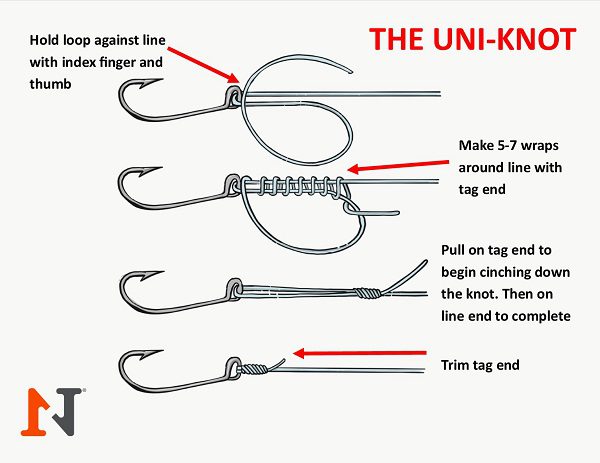
Improved Clinch Knot
This knot is popular for its strength and ease of tying. It works well with monofilament and fluorocarbon lines.
- Thread the line through the lure eye.
- Wrap the tag end around the standing line 5 to 7 times.
- Pass the tag end through the small loop near the eye.
- Then pass it back through the big loop you just made.
- Moisten the knot and pull tight.
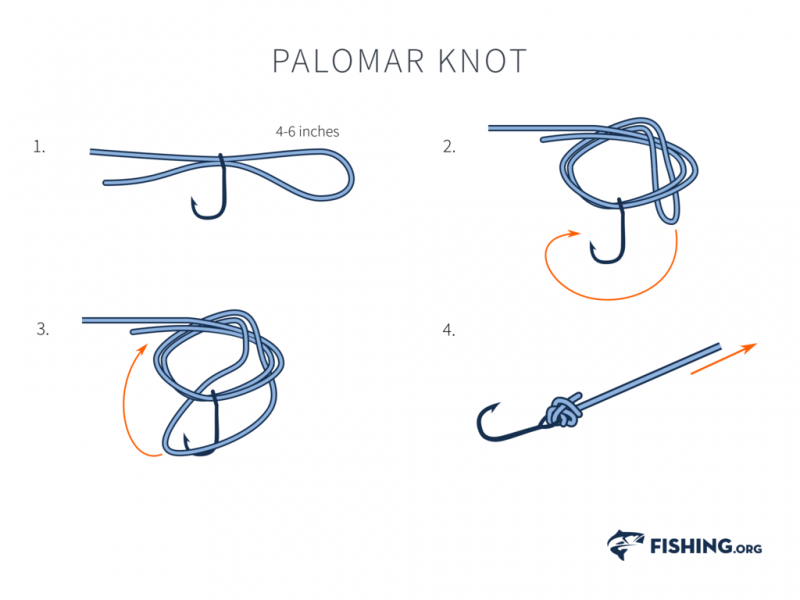
Palomar Knot
The Palomar knot is strong and simple. It works great with braided lines and keeps a good knot strength.
- Double about 6 inches of line and pass it through the lure eye.
- Tie a loose overhand knot with the doubled line.
- Pass the lure through the loop of the overhand knot.
- Pull on both ends to tighten the knot.
- Trim the tag end if needed.
Loop Knot
This knot allows the lure to move freely, making it more natural in the water. It is good for topwater lures and spoons.
| Loop Knot Steps |
| Make an overhand knot in the line, leaving extra tag end. |
| Pass the tag end through the lure eye. |
| Thread the tag end back through the overhand knot. |
| Wrap the tag end around the standing line 4 times. |
| Pass the tag end back through the overhand knot. |
| Moisten and pull tight, adjusting the loop size. |
Tools And Materials
Tying a fishing lure needs the right tools and materials. Picking these helps you catch fish better.
We will cover fishing line types, how to choose a lure, and tools for tying knots.
Fishing Line Types
Different fishing lines work best for different lures and fish. Choose the right line for your setup.
| Type | Description | Best For |
| Monofilament | Flexible and easy to knot | Light lures and beginners |
| Fluorocarbon | Low visibility underwater | Clear water and wary fish |
| Braided | Strong and thin diameter | Heavy lures and deep water |
Choosing The Right Lure
Pick a lure that matches the fish and water conditions. Size and color matter.
- Match lure size to the fish you want.
- Use bright colors in murky water.
- Choose natural colors in clear water.
- Consider lure action, like wobbling or diving.
Knot Tying Tools
Good tools make tying knots easier and stronger. Keep these handy when fishing.
- Needle-nose pliers to hold hooks and tighten knots.
- Scissors or line cutters to trim excess line.
- Knot tying tool for small or slippery lines.
- Water spray bottle to wet knots before tightening.
Step-by-step Knot Tying
Tying fishing lures securely is important for a good catch. Strong knots help keep your lure attached.
We will cover three simple knots to tie your fishing lure: the Improved Clinch Knot, the Palomar Knot, and the Loop Knot.
Tying The Improved Clinch Knot
The Improved Clinch Knot is strong and easy to tie. It works well with most fishing lines and lures.
Follow these steps to tie the knot:
- Thread the line through the lure eye.
- Wrap the line around itself 5 to 7 times.
- Pass the tag end through the small loop near the eye.
- Then, pass the tag end through the big loop you just made.
- Pull the tag end and main line to tighten the knot.
- Trim the excess line close to the knot.
Executing The Palomar Knot
The Palomar Knot is very strong and simple. It works great with braided and monofilament lines.
Here is how to tie the Palomar Knot:
- Double about 6 inches of line and pass it through the lure eye.
- Tie a loose overhand knot with the doubled line.
- Pass the lure through the loop of the overhand knot.
- Pull both ends of the line to tighten the knot firmly.
- Cut off the tag end close to the knot.
Creating A Loop Knot
A Loop Knot gives your lure more movement in the water. It is useful for natural lure action.
Use these steps to create a Loop Knot:
- Make a small loop in the line above the lure.
- Wrap the tag end around the main line 4 to 5 times.
- Pass the tag end back through the small loop.
- Pull the knot tight while leaving a loop for lure movement.
- Trim the tag end close to the knot.

Credit: medium.com
Common Mistakes
Tying a fishing lure can be tricky for beginners. Many make mistakes that cause lost fish or broken lines. Learning common errors helps you improve your fishing skills.
This guide covers three key areas: avoiding line twists, ensuring knot tightness, and selecting the correct knot. Each section explains what to watch out for.
Avoiding Line Twists
Line twists happen when the lure or bait spins freely. Twists weaken the line and cause tangles. To prevent this, use a swivel between the line and lure.
- Attach a quality swivel to your line
- Check the lure’s action for spinning
- Use braided or low-memory lines to reduce twists
- Inspect the line often for kinks
Ensuring Knot Tightness
Loose knots can slip and lose your lure. Tight knots hold better but can weaken if over-tightened. Always wet the line before pulling tight to reduce friction.
| Common Knot Problems | Fix |
|---|---|
| Knot slips when pulled | Make more wraps or use a stronger knot |
| Knot breaks under tension | Wet line before tightening and avoid over-tightening |
| Line twists after knot tying | Check knot type and use a swivel |
Selecting The Correct Knot
Choosing the right knot depends on the lure type and fishing line. Using the wrong knot causes weak connections or hard tying.
- Use Palomar knot for braided lines
- Choose Improved Clinch knot for monofilament lines
- Try Loop knots to increase lure movement
- Avoid knots that are too complex for your line type
Tips For Successful Lure Fishing
Lure fishing can be fun and rewarding. Using the right lure and technique helps catch more fish. This guide shares simple tips for better results.
Follow these steps to improve your lure fishing skill. Focus on matching the lure, adjusting for weather, and tying strong knots.
Matching Lure To Fish Species
Different fish like different lures. Choosing the right lure increases your chance to catch fish. Consider size, color, and movement of the lure.
- Use small, shiny lures for trout and bass.
- Bright colors work well for pike and muskie.
- Soft plastic lures attract catfish and panfish.
- Match lure action to the fish’s natural prey movement.
Adjusting For Weather Conditions
Weather affects fish behavior. Adjust your lure choice and fishing method based on temperature, light, and wind.
| Weather | Lure Color | Lure Type | Fishing Tip |
| Sunny | Natural, light colors | Fast-moving lures | Use quick retrieves |
| Cloudy | Bright or dark colors | Slow-moving lures | Try pauses between pulls |
| Windy | Bright colors | Heavy lures | Cast into the wind |
| Cold | Dark colors | Slow action lures | Fish near bottom |
Practicing Knot Tying
Tying strong knots keeps your lure secure. Practice these basic knots often. They work well for most fishing situations.
- Improved Clinch Knot: Easy and strong for most lines.
- Palomar Knot: Great for braided and monofilament lines.
- Loop Knot: Allows lure to move freely in water.
Practice tying knots at home with your fishing line and lure. Wet the line before tightening to avoid damage. Check knots before fishing to prevent losing fish.
Credit: medium.com
Advanced Knot Techniques
Tying fishing lures securely requires strong knots. Advanced knots keep your lure safe during tough catches. These knots are reliable and useful for many fishing lines.
Learn about the Double Uni Knot, Albright Knot, and Surgeon’s Knot. Each has its own way to join lines or tie lures firmly. Practice these to improve your fishing skills.
Double Uni Knot
The Double Uni Knot joins two lines of similar or different diameter. It is strong and easy to tie. This knot works well for connecting braided and monofilament lines.
- Overlap the ends of the two lines.
- Make a loop with one line around the other line twice.
- Pull the tag end to tighten the loop.
- Repeat the same loop with the second line.
- Pull both standing lines to slide the knots together.
- Trim the tag ends close to the knots.
Albright Knot
The Albright Knot connects heavy and light lines. It is popular for tying a leader to the main line. This knot is strong and smooth, passing easily through guides.
| Step | Action |
|---|---|
| 1 | Form a loop with the heavier line. |
| 2 | Pass the lighter line through the loop from the bottom. |
| 3 | Wrap the lighter line around both parts of the loop 10-12 times. |
| 4 | Pass the tag end of the lighter line back through the loop. |
| 5 | Moisten the knot and pull both lines to tighten. |
| 6 | Trim the tag ends closely. |
Surgeon’s Knot
The Surgeon’s Knot is quick and easy to tie. It is good for lines of different thickness. This knot holds well even if the line is slippery.
Follow these steps to tie the Surgeon’s Knot:
- Overlap the ends of the two lines by several inches.
- Make a simple overhand knot with both lines together.
- Pass the tag ends through the knot again for extra security.
- Tighten the knot slowly by pulling on both standing lines.
- Trim the tag ends close to the knot.
Credit: www.youtube.com
Frequently Asked Questions
How Do You Tie A Fishing Lure Properly?
To tie a fishing lure properly, use a strong knot like the improved clinch knot. Thread the line through the lure eye, wrap it around 5-7 times, then pass the tag end through the loop. Pull tight and trim the excess line.
What Is The Best Knot For Fishing Lures?
The improved clinch knot is the best for fishing lures. It’s strong, reliable, and easy to tie. It holds well under tension, preventing the lure from slipping off during casting or retrieving.
How Tight Should The Fishing Lure Knot Be?
The knot should be pulled tight enough to secure the lure firmly. Avoid over-tightening, which can weaken the line. A snug, firm pull ensures the knot holds without damaging the fishing line.
Can I Use Any Fishing Line To Tie Lures?
Yes, you can use various fishing lines like monofilament, fluorocarbon, or braided. Each line type requires slight knot-tying adjustments for best results. Choose based on your fishing conditions and lure type.
Conclusion
Tying a fishing lure is simple with the right steps. Practice each knot slowly to gain confidence. A strong knot keeps your lure secure in water. It helps catch more fish and avoids losing your gear. Take your time and try different knots to see what works best.
Remember, patience and practice improve your fishing skills. Soon, tying your lure will feel natural and easy. Keep fishing and enjoy every moment by the water.