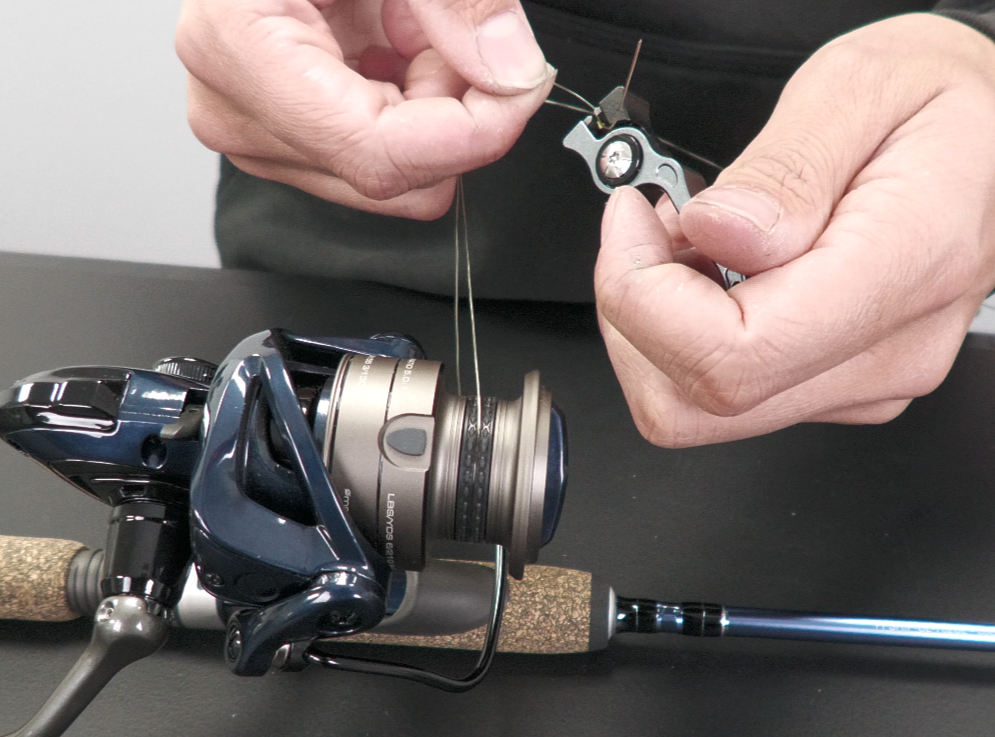
Are you ready to get the most out of your fishing trips? Knowing how to spool a fishing rod correctly can make all the difference between a frustrating day and a successful catch.
If your line is tangled, loose, or poorly spooled, you could miss that big fish waiting just beneath the surface. But don’t worry—this simple skill is easier to master than you think. In this guide, you’ll learn clear, step-by-step tips to spool your rod like a pro.
Keep reading, and soon you’ll have smooth casts, fewer snags, and more time enjoying the water.
Credit: intothebluefishing.com
Choosing The Right Fishing Line
Choosing the right fishing line is important for a good fishing experience. The line connects your rod to the hook and bait.
Picking the right type and strength helps you catch fish better and avoid line breakage.
Types Of Fishing Lines
There are three main types of fishing lines: monofilament, fluorocarbon, and braided. Each has different features.
Monofilament is smooth and stretchy. Fluorocarbon is nearly invisible underwater. Braided is very strong and thin.
- Monofilament:Good for beginners, affordable, and easy to handle.
- Fluorocarbon:Hard to see in water, sinks faster, and resists abrasion.
- Braided:Very strong, thin diameter, and has little stretch.
Factors To Consider
Think about the type of fish you want to catch and where you will fish. These affect your line choice.
Also, consider the line strength, stretch, and visibility. These help you fish better and avoid losing fish.
- Line Strength:Choose a line that can handle the fish weight.
- Stretch:Stretch absorbs shocks but reduces sensitivity.
- Visibility:Clear lines are good for clear water; bright lines help you see the line.
- Durability:Strong lines resist damage from rocks and plants.
Gathering Essential Tools
Before you spool a fishing rod, it is important to have the right tools. These tools help you work faster and avoid problems.
Gather all your equipment in one place. This makes the spooling process smooth and easy.
Necessary Equipment
These items are needed to spool your fishing rod correctly. Without them, you may damage your line or rod.
- Fishing line spool
- Fishing reel
- Fishing rod
- Scissors or line cutter
- Line conditioner or lubricant (optional but helpful)
Optional Accessories
These accessories make spooling easier and protect your equipment. They are not required but can improve your experience.
| Accessory | Purpose |
| Rubber band | Hold line spool steady |
| Line spooler tool | Helps keep tension on the line |
| Masking tape | Secure line end during spooling |
| Gloves | Protect hands from line cuts |
Preparing The Fishing Rod
Before spooling a fishing rod, you need to prepare it properly. This helps the line go on smoothly and lasts longer.
Two important tasks are cleaning the reel and inspecting the guides. These steps keep your rod in good shape.
Cleaning The Reel
Cleaning the reel removes dirt and old grease. This keeps it working well and prevents damage.
Use a soft cloth and mild soap to wipe the reel. Avoid using harsh chemicals that can harm the parts.
- Remove the reel from the rod
- Wipe the outside with a damp cloth
- Use a soft brush to clean small parts
- Dry the reel completely before use
Inspecting The Guides
Check the guides for cracks or damage. Broken guides can cut or weaken your fishing line.
Run your fingers along each guide to feel for rough edges or chips. Replace any damaged guides before spooling.
- Look for cracks or missing inserts
- Check for sharp edges with your fingers
- Ensure guides are firmly attached
- Replace or repair damaged guides

Credit: windrider.com
Attaching The Line To The Reel
Attaching the fishing line to your reel is an important first step in spooling your rod. It helps keep the line secure and prevents slipping during casting and reeling.
This guide shows simple ways to attach the line firmly to your reel. Follow the steps carefully for a strong connection.
Securing The Line
Start by threading the line through the reel’s spool. Hold the line tight and wrap it around the spool a few times. This keeps the line from slipping while you tie the knot.
- Thread the line through the spool’s hole or slot.
- Wrap the line around the spool two to three times.
- Hold the line firmly to keep tension.
- Prepare to tie the knot while keeping the wraps tight.
Using The Arbor Knot
The arbor knot is a strong and simple knot for tying the line to the reel. It creates a secure hold that prevents the line from slipping off the spool.
| Action | Instructions |
| 1. Pass line | Pass the line around the spool. |
| 2. Tie overhand knot | Tie a loose overhand knot around the main line. |
| 3. Tie second knot | Tie a second overhand knot on the tag end. |
| 4. Tighten | Pull both knots tight against the spool. |
| 5. Trim | Cut excess tag end close to the knot. |
Spooling The Fishing Line
Spooling the fishing line onto your rod is an important step before fishing. It helps your line stay strong and ready for use.
Proper spooling prevents problems like tangles and weak spots. Follow simple tips to do it right.
Maintaining Tension
Keep the fishing line tight while spooling. Loose line can cause tangles and reduce casting distance.
Use your fingers or a cloth to hold the line firmly. Make sure the line wraps evenly on the spool.
- Apply gentle pressure to the line
- Keep the spool turning smoothly
- Check that the line lays flat
- Avoid letting the line loosen during spooling
Avoiding Line Twists
Line twists cause knots and weak spots. They happen when the line spins too much during spooling.
To stop twists, let the line come off the filler spool in the same direction it goes onto your reel.
- Place the filler spool facing the same way as the reel spool
- Keep the line tight to prevent loops
- Check for twists as you spool and fix them early
- Use a swivel if your line twists often

Credit: www.youtube.com
Adjusting Line Tension
Adjusting line tension is key when spooling a fishing rod. It helps the line wind evenly on the reel.
Proper tension stops the line from twisting or tangling during fishing.
Testing Line Play
After spooling, check how the line moves on the reel. It should move smoothly without slack.
Hold the rod and pull the line gently. Feel for any loose or tight spots in the line.
- Pull the line slowly to test tension
- Watch for even winding on the spool
- Adjust the drag if the line feels too loose
- Tighten the spool knob to increase tension
Ensuring Smooth Casts
Smooth casts need correct line tension. Too loose or too tight can cause problems.
Check the tension by casting a few practice throws. The line should flow off the reel easily.
- Adjust tension knob for balanced resistance
- Practice casting to check line release
- Fix any line bunching or tangles immediately
- Keep the line taut while spooling for best results
Final Checks And Adjustments
After spooling your fishing rod, it is important to check the setup carefully. This ensures your line is secure and ready for fishing.
Making small corrections now can prevent problems later while fishing. Take your time to inspect every part.
Inspecting The Setup
Look over the fishing rod and line closely. Check that the line is tight and evenly wrapped on the spool.
- Make sure the line does not overlap or tangle
- Check that the line flows smoothly through the rod guides
- Look for any damage or weak spots on the line
- Confirm the reel’s drag system is working properly
- Ensure the line is tied securely to the reel spool
Making Necessary Corrections
If you find any issues, fix them before you fish. Adjust the line tension or rewind the spool if needed.
| Problem | Correction |
| Line overlap or bunching | Re-spool the line evenly with steady tension |
| Line not flowing through guides | Check rod guides for dirt or damage; clean or replace |
| Damaged line spots | Cut out damaged line and tie a new section |
| Loose line knot | Retie knot securely using proper fishing knots |
| Drag system not smooth | Adjust drag settings or service the reel |
Tips For Efficient Spooling
Spooling a fishing rod correctly saves time and prevents line problems. It also helps your fishing line last longer and work better.
This guide gives easy tips to spool your rod efficiently. You will learn what to avoid and the best ways to spool your line.
Common Mistakes To Avoid
Many people make simple errors that cause line twists or tangles. Avoid these to spool your rod the right way.
- Not tightening the line enough on the spool, which causes loose wraps.
- Spooling the line in the wrong direction, creating line twists.
- Using old or damaged line that breaks easily.
- Failing to keep the line under tension while spooling.
- Ignoring the reel’s maximum line capacity, leading to overfilling.
Best Practices
Follow these steps for smooth and strong spooling on your fishing rod.
| Practice | Description |
| Keep Line Tight | Hold the line with moderate tension while winding it onto the spool. |
| Match Spooling Direction | Spool the line in the same direction the reel turns to avoid twists. |
| Use Proper Line | Choose the right type and strength of line for your fishing style. |
| Check Line Capacity | Do not exceed the reel’s line capacity to prevent tangles and damage. |
| Inspect Line Before Use | Look for frays or damages and replace old line as needed. |
Frequently Asked Questions
How Do I Prepare My Fishing Rod For Spooling?
First, clean the reel and rod guides. Next, secure the reel to the rod firmly. Finally, thread the line through the guides starting from the tip.
What Type Of Fishing Line Should I Use?
Choose line based on your fishing style. Monofilament is versatile, fluorocarbon is invisible underwater, and braided line offers high strength and sensitivity.
How Much Fishing Line Should I Spool On?
Fill the reel spool to about 1/8 inch below the rim. This prevents line overflows and reduces tangles during casting.
Can I Spool Fishing Line Without A Machine?
Yes, you can spool by hand. Hold the line spool tightly and rotate the reel handle slowly to wind the line evenly.
Conclusion
Spooling a fishing rod is easier than it seems. Follow the steps carefully and take your time. Make sure the line is tight and even on the spool. Avoid twists and tangles for a smooth cast. Practice helps you get better and faster.
Enjoy your fishing trips with properly spooled gear. Now, you are ready to fish with confidence. Keep learning and have fun by the water.