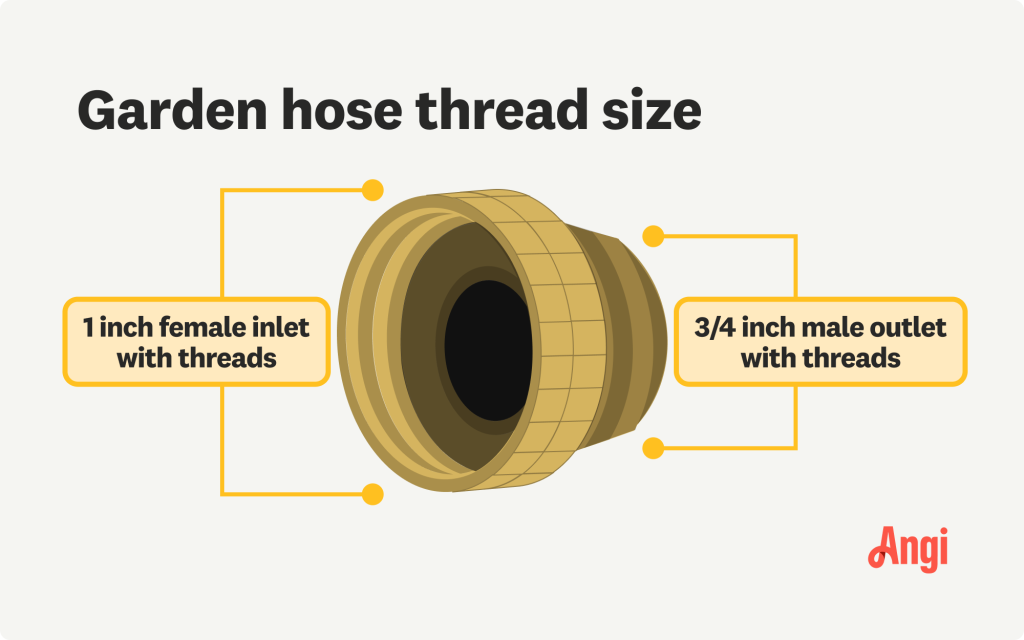
Are you confused about choosing the right garden hose for your outdoor needs? You’re not alone.
Knowing the standard garden hose size can save you time, money, and frustration. Whether you’re watering your plants or washing your car, the correct hose size makes all the difference. You’ll discover everything you need to know about garden hose sizes, so you can pick the perfect one for your yard.
Keep reading to make your next garden project easier and more efficient!

Credit: www.amazon.ca
Common Garden Hose Sizes
Garden hoses come in different sizes to fit various watering needs. Choosing the right size helps water flow well and makes gardening easier.
Two main factors define a garden hose size: diameter and length. These affect how much water flows and how far you can reach.
Popular Diameter Options
The diameter of a garden hose means the width inside the hose. Common diameters are 1/2 inch, 5/8 inch, and 3/4 inch. The bigger the diameter, the more water flows through.
- 1/2 inch:Best for light watering and small gardens.
- 5/8 inch:Most common size for home use. Good water flow and easy to handle.
- 3/4 inch:Used for heavy watering, like large lawns or washing cars.
Length Variations
Garden hoses come in many lengths. The choice depends on the size of your garden and how far you need to reach.
| Length | Best Use |
| 25 feet | Small gardens and close watering tasks |
| 50 feet | Medium gardens and general watering |
| 75 feet | Larger gardens needing more reach |
| 100 feet | Very large gardens or farms |
Factors Influencing Hose Size Choice
Choosing the right garden hose size is important for effective watering. The hose size affects water flow and ease of use.
Several factors help decide the best hose size for your needs. These include water pressure, garden size, and the tasks you want to complete.
Water Pressure Considerations
Water pressure affects how well water flows through the hose. If the pressure is too low, a small hose may restrict water flow.
Higher water pressure works better with larger hoses. This helps deliver more water without losing pressure.
- Low pressure needs smaller diameter hoses
- High pressure supports larger hose sizes
- Choose hose size to keep steady water flow
Garden Size And Layout
The size of your garden affects how long your hose should be. A bigger garden needs a longer hose to reach all areas.
The shape and layout also matter. Complex layouts may need flexible hoses or different sizes for easy handling.
- Large gardens often need hoses 50 feet or longer
- Small gardens can use shorter hoses for convenience
- Complex layouts may benefit from lighter or flexible hoses
Intended Use And Tasks
The tasks you want to do with the hose affect your size choice. Light watering needs smaller hoses that are easy to carry.
For heavy tasks like washing cars or filling pools, larger hoses work better. They deliver more water quickly.
- Light watering fits small diameter hoses
- Heavy watering or washing needs wider hoses
- Choose size based on how much water you need
Benefits Of Choosing The Right Hose Size
Choosing the right garden hose size makes watering easier and more efficient. It helps you save water and time.
The right size hose fits your needs and improves your gardening experience. It also lasts longer and works better.
Efficiency In Watering
A properly sized hose delivers water at the right flow rate. This helps plants get enough water without waste.
Using a hose that is too small can reduce water pressure. A hose that is too large may be hard to control.
- Right size keeps steady water flow
- Prevents water pressure loss
- Reduces water waste
Ease Of Handling
The right hose size is lighter and easier to carry. This makes watering less tiring for you.
A hose that is too heavy or thick can be hard to move. The right size fits your garden and strength.
- Lighter hoses are easy to carry
- Proper size reduces bending and kinks
- Makes watering faster and simpler
Longevity And Durability
Choosing the correct hose size helps it last longer. Too much pressure can wear out a hose fast.
Right size hoses handle water pressure better. They resist cracks, leaks, and damage from use.
- Proper size reduces stress on hose
- Prevents early wear and tear
- Maintains hose strength over time
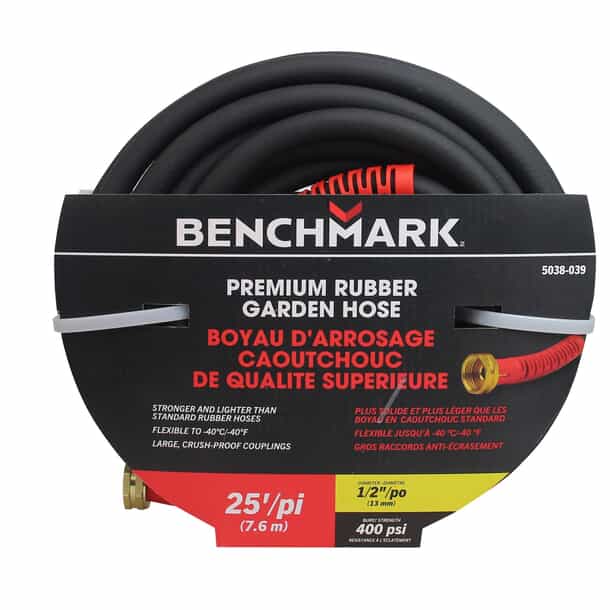
Credit: www.homehardware.ca
Trends In Garden Hose Design For 2025
The garden hose is a simple tool that helps water plants and clean outdoor spaces. In 2025, new trends are changing how hoses are made and used.
These trends focus on better materials, saving the environment, and adding technology to make watering easier and smarter.
Innovative Materials
Manufacturers use new materials to make hoses stronger and lighter. These materials resist cracks and kinks. They also last longer in sun and cold weather.
- Thermoplastic elastomers for flexibility
- Reinforced rubber for durability
- Lightweight polymers to reduce weight
- UV-resistant coatings to protect from sun damage
Eco-friendly Options
Garden hoses now often use eco-friendly materials. These reduce pollution and waste. Some hoses are made from recycled plastics or biodegradable parts.
| Eco-Friendly Feature | Benefit |
| Recycled plastic | Less waste, saves resources |
| Biodegradable tubing | Breaks down naturally |
| Low-toxicity dyes | Safer for plants and soil |
| Energy-efficient production | Lower carbon footprint |
Smart Hose Technology
Smart hoses use sensors and apps to help users control watering. They save water and time by adjusting flow and schedules automatically.
Smart hose features include:
- Automatic shut-off to prevent leaks
- Flow rate control via smartphone
- Weather-based watering schedules
- Alerts for hose damage or low water pressure
Tips For Maintaining Your Garden Hose
Garden hoses need care to last long and work well. Simple maintenance keeps them from leaking or cracking.
Follow easy tips to store, clean, and repair your hose. This saves money and helps your garden stay healthy.
Proper Storage Techniques
Store your garden hose in a cool, dry place. Keep it out of direct sunlight to prevent damage.
Coil the hose loosely to avoid kinks. Use a hose reel or hanger for neat storage.
- Drain all water before storing
- Avoid sharp bends or tight coils
- Keep away from harsh weather conditions
Routine Cleaning Practices
Clean your hose every few months to remove dirt and debris. This stops clogs and keeps water flowing well.
Use mild soap and water. Rinse the inside by running water through the hose after cleaning.
- Use a soft cloth to wipe the outside
- Flush the inside with clean water
- Check for mold or mildew and clean it off
Repair And Replacement Advice
Check your hose often for leaks or cracks. Small holes can be fixed with patch kits or tape.
Replace the hose if damage is large or water flow is poor. A new hose works better and saves water.
- Use hose repair kits for small leaks
- Replace washers to stop drips at connectors
- Buy a new hose if cracks spread or burst

Credit: www.reddit.com
Frequently Asked Questions
What Is The Most Common Garden Hose Size?
The most common garden hose size is 5/8 inch in diameter. It balances water flow and pressure well for general outdoor use. This size fits most standard outdoor faucets and watering tools, making it versatile for home gardening and lawn care.
Why Choose A 5/8 Inch Garden Hose?
A 5/8 inch garden hose offers optimal water flow and pressure. It’s suitable for most watering tasks without being too heavy. This size provides good durability and flexibility, ensuring ease of use and efficient water delivery for gardens and lawns.
Are Garden Hoses Available In Other Sizes?
Yes, garden hoses come in 1/2 inch, 5/8 inch, and 3/4 inch diameters. Smaller sizes save water, while larger sizes increase flow for heavy-duty tasks. Choosing the right size depends on your watering needs and water pressure requirements.
How Does Hose Size Affect Water Pressure?
Hose size affects water pressure by controlling flow rate. Smaller diameters can increase pressure but reduce flow volume. Larger diameters provide higher flow but may lower pressure slightly. Selecting the right hose size balances pressure and flow for effective watering.
Conclusion
Choosing the right garden hose size helps water your plants well. Most people use 5/8 inch hoses for good water flow. Smaller hoses save space but may limit water pressure. Larger hoses carry more water but can be heavy. Think about your garden’s needs before buying.
A proper hose size makes watering easier and faster. Keep this guide in mind for your next garden project. Simple steps lead to better garden care.