Are you struggling to tie braided fishing line to your spool without it slipping or tangling? You’re not alone.
Getting this right is key to a smooth, successful fishing experience. Imagine casting your line with confidence, knowing it won’t unravel or cause frustration. In this guide, you’ll learn simple, effective steps to secure your braided line perfectly every time.
Keep reading, and you’ll master a skill that makes your fishing trips easier and more enjoyable.

Credit: www.youtube.com
Choosing The Right Equipment
Using the right equipment helps you tie braided fishing line to the spool. It makes fishing easier and more fun. This guide will help you pick the right gear.
Choosing the right line and spool keeps your setup strong. It also stops problems like tangles or slipping.
Selecting The Appropriate Braided Line
Pick braided line based on strength and thickness. Thicker lines hold more weight but may cast less smoothly. Thin lines cast farther but break easier.
Check the line’s test strength. This shows how much weight it can hold before breaking. Choose a line that fits the fish you want to catch.
- Pick line strength between 10 and 50 pounds for most fishing
- Use thinner line for light fishing and thick line for heavy fishing
- Match line color to water and weather for better fishing
Identifying The Correct Spool Type
Choose a spool that fits your fishing reel. The spool must hold braided line without slipping or tangling. Different reels need different spool types.
Look for spools made for braided lines. These often have special surfaces to hold the line tightly. Make sure the spool size matches your reel’s capacity.
- Spools come in sizes to hold from 100 to 300 yards of line
- Match spool size to your reel model for best fit
- Use spools with braided line grips to prevent slippage
Preparing The Fishing Line
Tying braided fishing line to a spool starts with good preparation. This helps the line stay secure and last longer.
Two key steps are measuring the line length and pre-treating the line. Both make sure your fishing setup works well.
Measuring The Line Length
Measure enough line to fill your spool without overfilling. Too much line can cause tangles. Too little line reduces fishing time.
- Check your reel’s line capacity in the manual.
- Use a tape measure or marked stick to measure line length.
- Leave some extra room to avoid tight packing.
- Mark the desired length on the line with a small piece of tape.
Pre-treating The Line
Pre-treating braided line helps reduce memory and stiffness. It also makes the line easier to handle and tie.
| Method | Description |
| Soaking | Soak the line in warm water for 10 minutes to soften it. |
| Stretching | Gently pull the line to remove twists and memory. |
| Applying Conditioner | Use a line conditioner spray to improve flexibility. |
Spool Attachment Techniques
Tying braided fishing line to a spool needs care. The right attachment keeps the line strong and ready.
This guide covers how to attach braided line without slipping or breaking. Use easy steps for a good setup.
Knot Choices For Secure Attachment
Pick knots that hold tight on braided line. Braided line is slick, so the knot must grip well.
Strong knots stop the line from loosening on the spool. Some knots work better for braided lines.
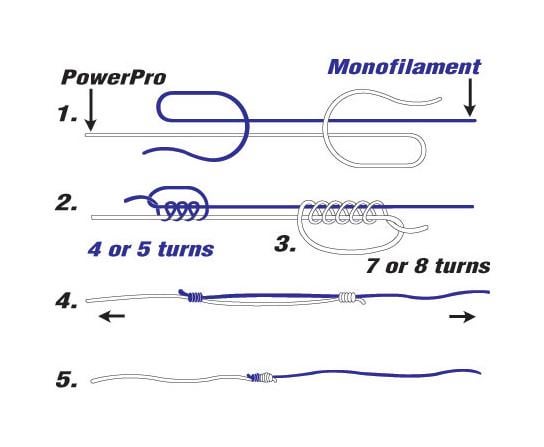
- Improved Clinch Knot: Simple and holds well
- Palisade Knot: Good for slippery lines
- Uni Knot: Easy to tie and very strong
- Snell Knot: Secures line to hook and spool
Avoiding Line Slippage
Prevent slippage by tying the line tightly. Keep the line under pressure while securing the knot.
Wrap the line around the spool a few times before tying. This adds friction and helps the line stay put.
- Wet the line before tightening the knot
- Tighten knots slowly and firmly
- Use backing line for extra grip
- Check the knot before casting
Step-by-step Spooling Process
Tying braided fishing line to a spool is easy with the right steps. This process helps your line stay secure and ready for fishing.
Follow these steps to tie and spool your braided line properly. This will prevent tangles and line slippage during use.
Aligning The Line With The Spool
Start by placing the line near the spool opening. Make sure the line sits evenly on the spool surface.
Hold the line so it runs straight along the spool’s edge. This helps the line wrap smoothly without bunching.
- Check the line direction to match spool rotation
- Place the line close to the spool lip
- Avoid twisting the line before wrapping
Maintaining Proper Tension
Keep the line tight while spooling to avoid loose wraps. Loose line can cause tangles and reduce casting distance.
Use your fingers or a cloth to hold the line with steady pressure. This keeps the line snug as you wind it onto the spool.
- Apply firm but gentle pressure on the line
- Do not let the line slack during winding
- Turn the reel slowly to control tension
Securing The Braided Line
Securing braided fishing line to your spool is important to avoid slippage and line tangles. It helps maintain strong knots and steady casting. This guide shows how to finalize the knot and test line strength effectively.
Finalizing The Knot
After wrapping the braided line around the spool, you must secure the knot tightly. A loose knot may slip and cause line loss. Use a strong knot like the Palomar or Double Uni knot for best results.
- Pass the line through the spool eye twice for extra grip.
- Tie the knot slowly and pull all loops tight.
- Trim excess line close to the knot without cutting the main line.
- Apply a small drop of super glue on the knot for extra security if needed.
Testing The Line Strength
Testing the knot and line strength ensures your setup will hold during fishing. Pull the line firmly and check for any slipping or weak points before casting.
| Test Method | What to Check | Action |
| Pull Test | Line slips or knot loosens | Retie knot |
| Visual Check | Frayed or damaged line | Cut and replace |
| Cast Test | Line feeds smoothly | Ready to fish |
Common Mistakes And Solutions
Tying braided fishing line to a spool can be tricky. Many anglers face problems that cause line damage or poor casting.
Understanding common mistakes helps you fix them early. This guide covers key errors and how to avoid them.
Preventing Line Twists
Line twists cause tangles and weak knots. They happen when the line spins too much during tying or casting.
- Do not let the spool spin freely while tying the line.
- Use a swivel between the line and lure to reduce twisting.
- Keep the line tight and straight when wrapping it on the spool.
- Check the reel’s drag system to avoid line over-spin.
Avoiding Overfilling The Spool
Overfilling the spool causes line to spill over. This leads to tangles and casting problems.
| Mistake | Problem | Solution |
| Filling line above spool rim | Line slips off easily | Fill line 1/8 inch below rim |
| Using too thick line for spool size | Spool holds less line | Choose correct line diameter |
| Not tightening line while spooling | Loose coils cause tangles | Keep tension when wrapping line |
Maintenance Tips For Longevity
Taking care of your braided fishing line helps it last longer. Proper maintenance keeps the line strong and ready to use.
Simple habits can prevent damage and save money. Follow these tips to keep your fishing line in good shape.
Regularly Inspecting The Line
Check your braided fishing line before and after each use. Look for cuts, frays, or weak spots that can cause breaks.
Replace or repair damaged sections to avoid losing fish or gear. Use a bright light to see small damages clearly.
- Look for discoloration or worn spots
- Feel for rough or thin areas
- Check knots for tightness and wear
- Remove any dirt or debris from the line
Proper Storage Techniques
Store your braided line in a cool, dry place away from sunlight. Heat and UV rays weaken the fibers over time.
Keep the line on its spool and avoid tight bends. Loose coils prevent kinks and maintain line strength.
- Use a line spool holder or case
- Avoid storing near chemicals or oils
- Keep line dry to prevent mold or mildew
- Re-spool line if it becomes tangled

Credit: www.reddit.com

Credit: www.reddit.com
Frequently Asked Questions
How Do I Tie Braided Fishing Line To A Spool?
Start by threading the line through the spool’s eyelet. Use an Arbor knot to secure it tightly. Wrap the tag end around the main line twice, then pull it through the loop. Finally, tighten the knot firmly for a strong hold.
What Is The Best Knot For Braided Fishing Line?
The Arbor knot is ideal for tying braided fishing line to a spool. It creates a secure, slip-resistant connection, preventing line slippage during casting. This knot is easy to tie and holds well under pressure, making it a top choice for anglers.
Can I Use Any Fishing Line With Braided Line Spools?
Not all lines are compatible with braided line spools. Braided lines require smooth spools to avoid abrasion. Using the wrong line type may cause damage or poor performance. Always match the line type with the spool specifications for optimal results.
How Tight Should I Tie Braided Line To The Spool?
Tighten the knot firmly to avoid slippage, but don’t overtighten. Excessive tension can weaken the line or cause breakage. A snug, secure knot ensures smooth casting and reel performance without damaging the braided line fibers.
Conclusion
Tying braided fishing line to a spool is simple with the right steps. This skill helps keep your line secure and ready to use. Practice makes your knots stronger and more reliable each time. Always check your knot before fishing to avoid line slips.
A good knot saves time and prevents lost fish. Now, you can confidently prepare your fishing gear for any trip. Keep your line tight and enjoy a smooth fishing experience.