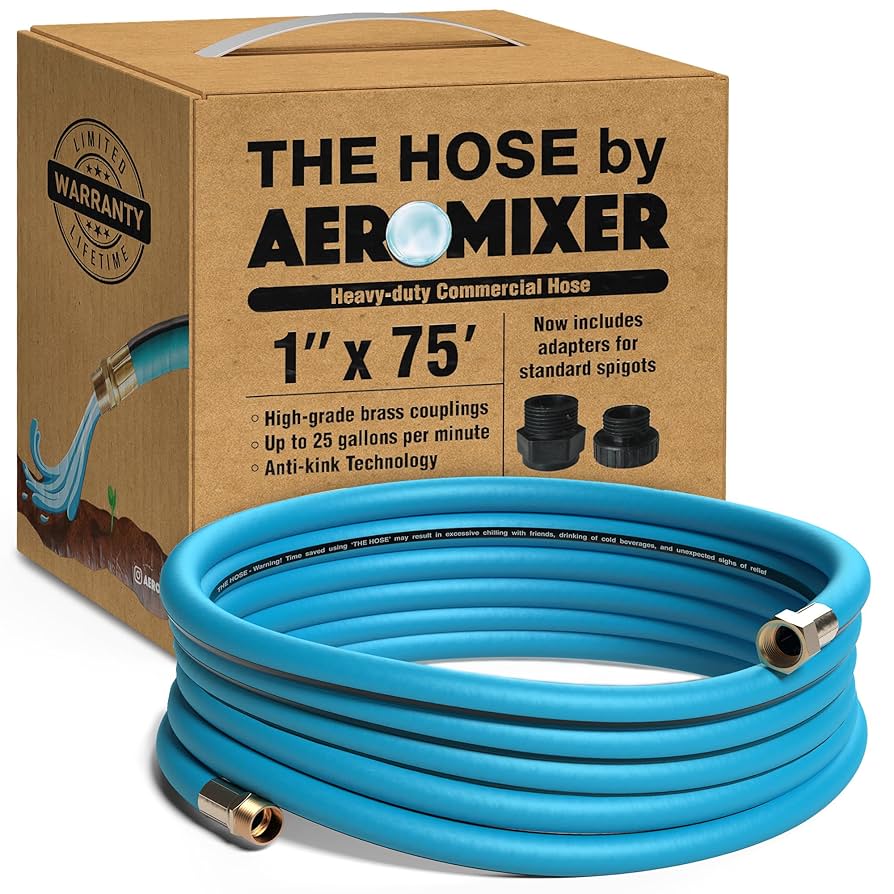
Have you ever wondered how much water flows through your garden hose every minute? Knowing how many gallons per minute your hose delivers can help you water your plants better, save water, and even choose the right hose for your needs.
Whether you’re watering a small flower bed or filling a large pool, understanding this simple fact can make a big difference. Keep reading, and you’ll discover easy ways to measure your hose’s flow rate and why it matters for your garden and home.
Factors Affecting Garden Hose Flow Rate
The flow rate of a garden hose depends on several factors. These factors control how much water comes out each minute.
Understanding these can help you pick the right hose for your watering needs.
Hose Diameter
The diameter of a hose affects water flow. A wider hose lets more water flow through it.
- Smaller diameter hoses have less flow rate.
- Larger diameter hoses carry more gallons per minute.
- Common diameters are 1/2 inch, 5/8 inch, and 3/4 inch.
Water Pressure
Water pressure pushes water through the hose. Higher pressure means faster flow.
Pressure is measured in pounds per square inch (PSI). Most homes have 40 to 60 PSI.
Hose Length
Longer hoses reduce flow rate because water faces more resistance.
| Hose Length | Effect on Flow Rate |
| 25 feet | Minimal flow loss |
| 50 feet | Moderate flow loss |
| 100 feet | Significant flow loss |
Hose Material
Hose material affects water flow inside the hose. Some materials create more friction.
Materials and their effects:
- Rubber:Smooth inside, less friction, better flow.
- Vinyl:Rougher inside, more friction, lower flow.
- Reinforced:Durable but may reduce flow slightly.
Measuring Flow Rate
Knowing how many gallons per minute your garden hose delivers helps in watering efficiency. You can measure the flow rate easily with simple tools.
This guide shows how to find the flow rate using common household items and a step-by-step process.
Tools Required
- A container with a known volume (like a 5-gallon bucket)
- A stopwatch or timer
- A garden hose connected to a water source
- A marker or tape to mark water levels (optional)
Step-by-step Measurement Process
Follow these steps to measure your garden hose flow rate accurately.
- Place the container under the garden hose nozzle.
- Turn on the water fully and start the timer at the same time.
- Fill the container for a set time, such as 30 seconds.
- Turn off the water and stop the timer.
- Measure the amount of water collected in the container.
- Calculate gallons per minute (GPM) by dividing gallons collected by the time in minutes.
| Time (seconds) | Gallons Collected | Flow Rate (GPM) |
|---|---|---|
| 30 | 2.5 | 5 |
| 60 | 5 | 5 |
Average Gallons Per Minute For Common Hose Types
Garden hoses come in different sizes and types. Each type moves water at different speeds. Knowing gallons per minute helps you pick the right hose.
This guide explains the average gallons per minute for common garden hoses. It covers standard sizes, high-pressure hoses, and expandable hoses.
Standard Hose Sizes
Standard garden hoses usually come in 5/8 inch or 3/4 inch diameters. The bigger the diameter, the more water flows through the hose.
A 5/8 inch hose moves about 9 to 17 gallons per minute. A 3/4 inch hose can move 15 to 25 gallons per minute at normal water pressure.
- 5/8 inch hose: 9-17 gallons per minute
- 3/4 inch hose: 15-25 gallons per minute
- 1/2 inch hose: usually less than 9 gallons per minute
High-pressure Hoses
High-pressure hoses are designed for strong water flow. They have thicker walls and can handle higher water pressure.
These hoses usually move water faster than standard hoses. They can deliver about 20 to 30 gallons per minute, depending on the size.
- Thicker walls for pressure
- Water flow: 20-30 gallons per minute
- Best for pressure washers and heavy-duty tasks
Expandable Hoses
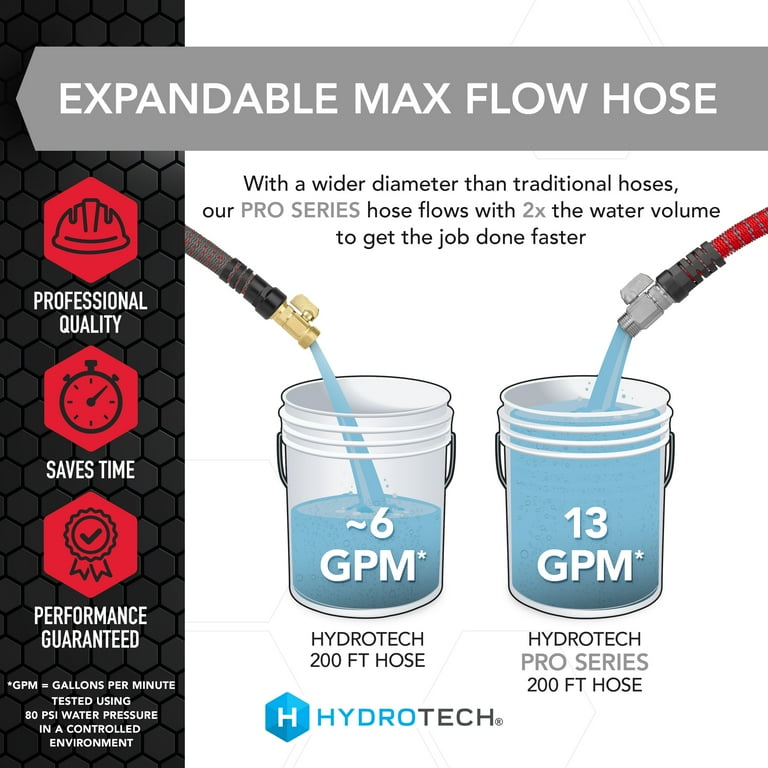
Expandable hoses stretch when filled with water. They are lightweight and easy to store but have smaller inner diameters.
These hoses usually move less water, about 6 to 12 gallons per minute. They are good for light watering and small gardens.
- Smaller inner diameter
- Water flow: 6-12 gallons per minute
- Lightweight and easy to handle
Credit: www.dripworks.com
Optimizing Garden Hose Efficiency
Knowing how many gallons per minute your garden hose delivers helps save water and time. You can get better results by making simple adjustments to your hose setup.
This guide explains ways to improve garden hose flow and pressure for efficient watering.
Reducing Hose Length
Long hoses lose water pressure and reduce flow rate. Shorter hoses deliver water faster and use less energy.
- Use only the hose length needed for your garden.
- Store extra hose on reels to avoid stretching.
- Check for leaks or damage that waste water.
Using Pressure Regulators
Pressure regulators keep water flow steady and prevent damage from high pressure. They help keep your hose working well.
| Pressure Level (PSI) | Effect on Flow |
| Below 20 | Low flow, slow watering |
| 20 to 50 | Optimal flow for most hoses |
| Above 50 | Risk of hose damage, wasted water |
Choosing The Right Hose Type
Different hose materials and sizes affect water flow. Pick a hose that matches your watering needs.
- Diameter:Wider hoses move more water per minute.
- Material:Rubber hoses last longer and resist kinks better.
- Length:Shorter hoses improve flow and reduce pressure loss.
- Reinforcement:Hoses with braided layers handle pressure well.
Common Mistakes And Troubleshooting
Knowing the flow rate of a garden hose helps keep your watering tasks efficient. Many face issues with low water flow or pressure. These problems often come from simple mistakes or blockages.
Fixing these problems quickly ensures your hose works well and lasts longer. The following sections explain how to spot and solve common problems.
Identifying Blockages
Blockages can reduce water flow or stop it completely. Dirt, leaves, or mineral buildup are common causes. Check your hose and nozzle carefully for any clogs.
- Remove the nozzle and inspect for debris.
- Flush the hose with water from the faucet.
- Use a long flexible brush to clear mineral deposits.
- Check the hose end for kinks or sharp bends.
- Replace damaged sections if blockages remain.
Addressing Low Water Pressure Issues
Low water pressure can be caused by several factors. It may come from the water source, hose, or nozzle. Testing each part helps find the problem fast.
| Cause | What to Check | Solution |
| Water supply | Is the main valve fully open? | Open valve completely |
| Hose diameter | Is the hose too narrow? | Use a wider hose |
| Length of hose | Is the hose too long? | Use a shorter hose or booster pump |
| Nozzle type | Is the nozzle restricting flow? | Switch to a nozzle with larger openings |
| Kinks or damage | Are there bends or holes? | Straighten hose or replace if damaged |
Correct Hose Storage Practices
Improper storage can cause damage and reduce flow. Follow these tips to keep your hose in good shape during storage.
- Drain all water before storing.
- Coil the hose loosely to avoid kinks.
- Store in a shaded, dry place.
- Avoid placing heavy objects on the hose.
- Use hose reels or hangers for proper support.

Credit: www.amazon.ca
Environmental Considerations
Using a garden hose affects water usage and the environment. It is important to understand how to use water wisely. This helps save water and protect natural resources.
Choosing the right hose and using water carefully can reduce waste. This guide covers tips for saving water and eco-friendly hose choices.
Water Conservation Tips
Saving water when using a garden hose helps lower your water bill and saves the environment. Here are some simple ways to reduce water use:
- Use a nozzle with an automatic shut-off to stop water flow when not needed
- Water plants early in the morning or late in the evening to reduce evaporation
- Fix leaks in hoses or connectors quickly to avoid wasting water
- Use a watering can for small plants instead of a hose
- Consider collecting rainwater for garden use
Eco-friendly Hose Options
Choosing the right garden hose can reduce environmental impact. Some hoses use safer materials and last longer. This reduces waste and pollution.
| Hose Type | Material | Environmental Benefit |
| Natural Rubber | Biodegradable rubber | Breaks down faster in landfills |
| Recycled PVC | Recycled plastic | Reduces new plastic production |
| Soaker Hose | Porous material | Uses less water by slow release |
| Expandable Hose | Lightweight synthetic | Easy to store, reduces waste |
Credit: www.walmart.com
Frequently Asked Questions
How Many Gallons Per Minute Does A Typical Garden Hose Deliver?
A standard garden hose delivers about 9 to 17 gallons per minute. The flow rate depends on hose diameter and water pressure. A 5/8-inch hose at 40 PSI usually flows around 9 to 12 GPM. Larger hoses or higher pressure increase this rate.
What Affects The Gallons Per Minute Of A Garden Hose?
Gallons per minute depend on hose diameter, length, and water pressure. Narrower or longer hoses reduce flow rate. Higher water pressure boosts gallons per minute. Also, hose material and nozzle type can slightly affect water flow.
How To Measure Gallons Per Minute From A Garden Hose?
To measure GPM, fill a container with a known volume, like 5 gallons. Time how long it takes to fill the container. Divide the gallons by the fill time in minutes. This gives an accurate gallons per minute rate.
Does Hose Diameter Impact Water Flow Rate?
Yes, hose diameter greatly affects flow rate. Larger diameter hoses carry more water at once. For example, a 5/8-inch hose flows less than a 3/4-inch hose. Choosing the right diameter ensures efficient watering and proper gallons per minute.
Conclusion
A garden hose usually delivers between 5 and 10 gallons per minute. This rate depends on the hose size and water pressure. Knowing this helps you water plants efficiently and save water. A steady flow prevents overwatering and keeps your garden healthy.
Measure your hose’s flow to plan your watering better. Small changes can make a big difference. Keep your hose in good shape for best results. Simple steps lead to a greener, happier garden.