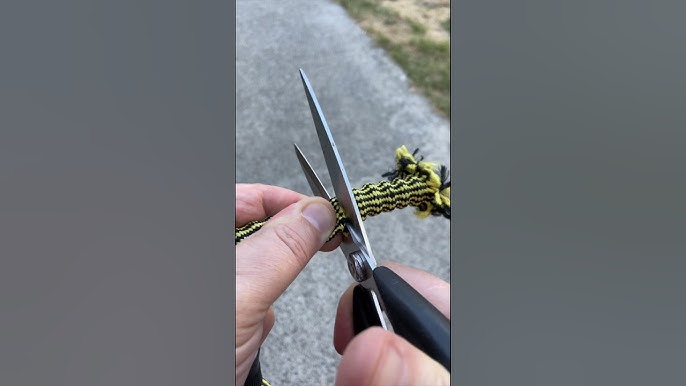
Your expandable garden hose is a handy tool that makes watering your plants easier and less tiring. But what happens when it starts leaking or stops expanding properly?
You might feel frustrated or ready to toss it out. Before you do, there’s good news: you can fix it yourself. You’ll discover simple, step-by-step ways to repair your expandable garden hose quickly. By the end, your hose will work like new, saving you money and stress.
Keep reading—you’ll be surprised how easy it is to bring your hose back to life.

Credit: www.amazon.ca
Common Issues With Expandable Garden Hoses
Expandable garden hoses are popular for their lightweight design and easy storage. Despite their benefits, they can have some common problems.
Understanding these issues can help you fix your hose and keep it working well for a long time.
Leaks And Punctures
Leaks are the most common issue with expandable hoses. Small holes or punctures can appear from sharp objects or rough surfaces. These leaks reduce water pressure and waste water.
Kinks And Twists
Kinks happen when the hose twists or folds during use. This blocks water flow and can damage the inner tube. It also makes the hose harder to expand and contract.
Connection Problems
Loose or damaged connectors cause leaks at the hose ends. Worn-out washers or cracked fittings stop the hose from sealing properly. This leads to dripping or water loss.
Material Wear And Tear
Over time, the fabric cover and inner tube of the hose wear out. Sun exposure, heat, and rough handling cause the material to weaken. This can lead to splitting or bursting.
- Sun damage causes fading and brittleness
- Rough surfaces can tear the fabric cover
- Cold weather may make the hose stiff
- Improper storage shortens the hose life
Water Pressure Issues
Expandable hoses need proper water pressure to work right. Too low pressure stops the hose from expanding fully. Too high pressure may cause bursts or leaks.
| Pressure Problem | Effect on Hose |
| Low Water Pressure | Hose fails to expand |
| High Water Pressure | Risk of bursts and leaks |
| Fluctuating Pressure | Weakens hose over time |
Identifying Leaks And Tears
Expandable garden hoses are useful for watering plants. They grow when filled with water and shrink when empty. Over time, they may develop leaks or tears that cause water loss.
Finding the exact spot of a leak or tear is important. You can fix the hose properly if you know where the damage is. This guide helps you spot problems fast.
Visual Inspection
Look closely at the hose surface for cracks or holes. Check both the outer fabric and the inner tube. Tears may be small and hard to see at first.
- Spread the hose out flat on the ground
- Use good light to see any damage clearly
- Look for worn or thin spots in the material
- Check fittings and connectors for cracks
Water Test
Turn on the water to fill the hose. Watch for water dripping or spraying from the hose surface. This helps find leaks not visible by eye.
- Extend the hose fully and connect to water
- Turn water on slowly to avoid bursts
- Move along the hose watching for wet spots
- Mark leak spots with a waterproof marker
Listening For Leaks
Leaks often make a hissing or dripping sound. In quiet areas, listen carefully along the hose. This method works well at night or indoors.
- Turn off other noisy devices nearby
- Place your ear close to the hose surface
- Move along the hose to find unusual sounds
- Mark the spots where you hear leaks
Checking Hose Fittings
Leaks often start where the hose connects to the faucet or spray nozzle. Tighten fittings and look for cracks or damage. Replace parts if needed.
- Remove fittings and check washers inside
- Look for worn or cracked rubber seals
- Replace washers if they look old or cracked
- Reattach fittings tightly but don’t overtighten
Tools And Materials Needed
Fixing an expandable garden hose requires some basic tools and materials. These items help you repair leaks or damage quickly.
Having the right tools makes the process easier and saves time. Here is a list of what you will need.
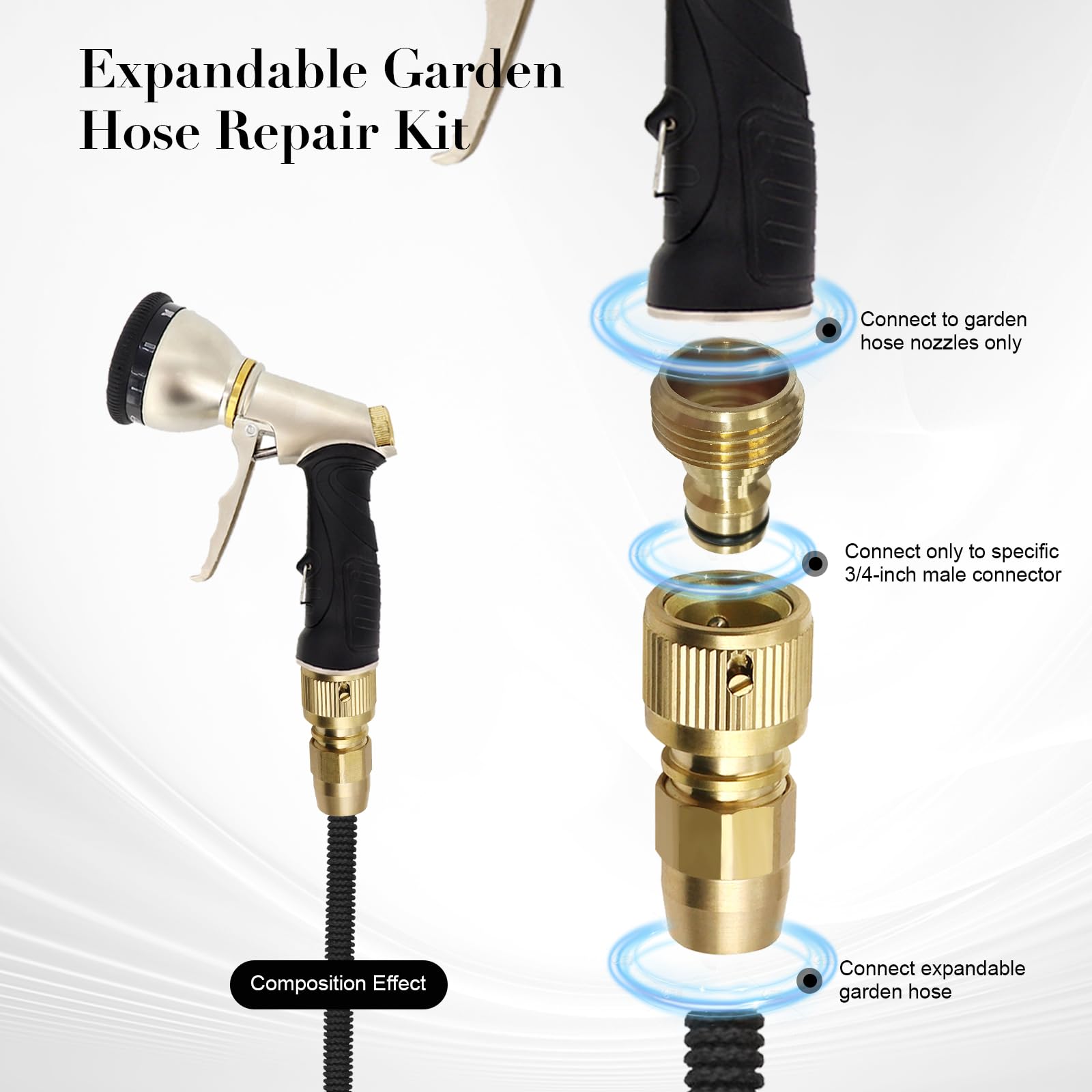
Replacement Hose Connector
The hose connector joins parts of your garden hose or connects it to the water supply. A damaged connector can cause leaks.
Choose a connector that fits your expandable hose size. Brass or plastic connectors are common options.
Utility Knife Or Scissors
You need a sharp utility knife or scissors to cut the hose cleanly. A neat cut helps create a good seal when fixing the hose.
Make sure your cutting tool is sharp to avoid frayed edges that can cause problems later.
Hose Repair Kit
A hose repair kit includes connectors, clamps, and other parts to fix leaks or breaks. These kits fit most expandable garden hoses.
They are affordable and make repairing your hose simple and effective.
Screwdriver
A screwdriver helps tighten hose clamps or screws on connectors. It ensures all parts stay secure after repair.
Use a flat-head or Phillips screwdriver depending on the clamp type.
Teflon Tape
Teflon tape seals threaded connections and prevents leaks. Wrap it around the threads before attaching connectors.
This tape improves the water-tightness of your repair.
Cleaning Cloth
A clean cloth helps wipe dirt and water from the hose before you start fixing it. Clean surfaces improve repair quality.
Dry the hose well to ensure all parts fit tightly.
Fixing Small Leaks
Expandable garden hoses can develop small leaks over time. Fixing these leaks quickly saves water and keeps your hose working well. You can repair leaks yourself using simple materials.
This guide shows two easy ways to fix small leaks. Both methods work well and can be done at home.
Using Hose Repair Tape
Hose repair tape is a flexible tape that seals leaks on expandable hoses. It sticks tightly to the hose and stops water from escaping.
First, dry the area around the leak. Wrap the tape around the hose several times, covering the leak fully. Press the tape down to make it stick well.
- Clean and dry the hose surface
- Wrap tape tightly around the leak
- Overlap tape layers for a strong seal
- Press tape firmly to stick
- Wait a few minutes before using
Applying Epoxy Glue
Epoxy glue is a strong adhesive that can seal small holes in expandable hoses. It hardens and blocks water from leaking.
Clean and dry the leak area. Mix the two parts of the epoxy glue as instructed. Apply the glue over the leak and spread it evenly. Let it dry completely before using the hose.
- Clean and dry the hose leak area
- Mix epoxy glue parts well
- Apply glue evenly on the leak
- Allow glue to dry fully
- Test hose for leaks after drying
Repairing Larger Tears
Larger tears in an expandable garden hose need careful repair. Fixing these tears can stop leaks and save your hose.
This guide shows two easy ways to repair big holes or rips in your hose. Both use common tools and parts.
Cutting And Rejoining With Couplers
Cutting out the damaged section and joining the hose with couplers is a strong repair. It restores the hose’s shape and function.
- Use a sharp knife or scissors to cut cleanly around the tear.
- Make sure both cut ends are even and dry.
- Insert a coupler fitting inside each end of the hose.
- Push the couplers together to join the two hose parts.
- Tighten any clamps or screws on the coupler to secure it.
- Check the repair by slowly running water through the hose.
Using A Hose Mender Kit
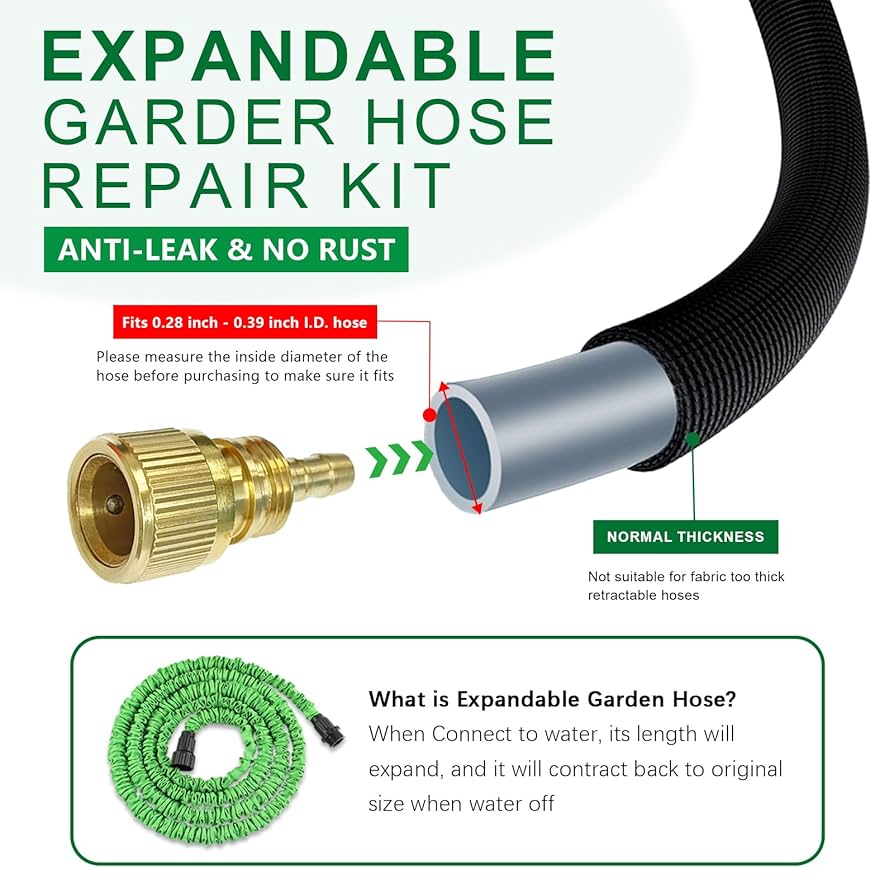
A hose mender kit has all parts needed to fix tears without cutting much hose. It works well for quick, strong repairs.
| Item | Purpose |
| Rubber Insert | Fits inside the hose to seal the tear |
| Plastic Coupler | Connects both ends of the hose together |
| Clamps | Hold the repair parts tightly in place |
To fix the hose, push the rubber insert into the cut ends. Then attach the plastic coupler over the ends. Secure clamps tightly to avoid leaks.
Credit: www.amazon.com
Dealing With Connector Issues
Expandable garden hoses often face connector problems. These issues cause leaks or poor water flow.
Fixing connector problems can extend the hose’s life. It also saves water and keeps your garden healthy.
Replacing Damaged Connectors
Check the connectors for cracks or breaks before use. Damaged connectors let water leak out and lower pressure.
To replace connectors, buy new ones that fit your hose size. Unscrew the old connector and attach the new one tightly.
- Turn off water and drain the hose
- Unscrew the damaged connector carefully
- Match the new connector with your hose diameter
- Attach and tighten the new connector by hand
- Use pliers for extra tightness, but avoid over-tightening
- Test for leaks by turning on the water
Securing Loose Connections
Loose connections cause dripping and reduce water flow. Tighten them regularly to avoid problems.
You can also use plumber’s tape on the threads. This tape helps seal the connection and stops leaks.
- Turn off the water before adjusting
- Check if the connector wiggles or moves easily
- Hand-tighten the connection firmly
- Wrap plumber’s tape around the threads
- Screw the connector back on securely
- Turn on water and check for leaks
Preventive Maintenance Tips
Taking care of your expandable garden hose helps it last longer. Simple steps keep it working well.
Preventive maintenance stops damage and saves money on repairs. Follow these tips to protect your hose.
Proper Storage Techniques
Store your expandable hose correctly to avoid cracks and leaks. Keep it away from harsh sun and cold.
- Drain all water before storing
- Keep hose in a shaded, dry place
- Avoid sharp bends or kinks
- Use a hose reel or hanger to store neatly
- Do not leave hose on rough surfaces
Regular Inspection For Wear And Tear
Check your hose often for signs of damage. Early detection stops bigger problems.
| Check Area | What to Look For | Action |
| Fittings | Loose or cracked connections | Tighten or replace |
| Hose Body | Holes or thin spots | Patch or replace section |
| Couplings | Rust or corrosion | Clean or swap out |
| Nozzle | Leaks or poor spray | Repair or buy new |
When To Consider Professional Help
Repairing an expandable garden hose can be simple. Many small problems you can fix yourself. Sometimes, the damage is too big or complex.
Knowing when to call a professional saves time and avoids more damage. Here are signs that you need expert help.
Major Leaks Or Burst Hose
If your hose has large leaks or bursts open, it may be beyond a simple fix. These issues can cause water waste and damage your garden.
A professional can assess if the hose can be repaired or if replacement is better. They have the right tools for big leaks.
Internal Damage Or Blockages
Expandable hoses can get damaged inside, or blocked by dirt or debris. This can stop water flow completely or reduce pressure.
Professionals can safely open the hose and clear blockages. They can also fix internal tears you cannot see or reach.
Damaged Connectors Or Fittings
Connectors often break or crack due to wear and tear. Damaged fittings cause leaks and poor water flow.
A professional can replace or repair connectors properly. They ensure a tight fit to prevent leaks and hose damage.
Frequent Leaks After Repairs
If you fix your hose but it keeps leaking, there may be hidden issues. Repeated leaks mean the hose needs expert inspection.
Professionals can find the root cause and fix it correctly. This stops future leaks and extends hose life.
Lack Of Tools Or Experience
Some repairs require special tools or skills. Without them, you might damage the hose more.
Hiring a professional ensures the repair is done right. They have the tools and experience to fix your hose safely.
Credit: www.amazon.ca
Frequently Asked Questions
How Do You Fix Leaks In An Expandable Garden Hose?
To fix leaks, first identify the damaged area. Use waterproof tape or hose repair kits. Replace damaged washers if needed. Ensure all connections are tight and secure to prevent future leaks.
Can I Repair An Expandable Hose Burst Myself?
Yes, you can repair small bursts yourself. Cut out the damaged section and use a repair coupling. Follow instructions carefully to restore hose functionality without professional help.
What Tools Are Needed To Repair An Expandable Garden Hose?
Basic tools include scissors or a utility knife, waterproof tape, and a hose repair kit. Some repairs may require replacement washers or connectors. Having these ready speeds up the repair process.
How Long Does It Take To Repair An Expandable Garden Hose?
Most repairs take between 10 to 30 minutes. The time depends on damage severity and repair method. Simple leaks are quicker to fix than bursts or extensive damage.
Conclusion
Repairing your expandable garden hose saves money and extends its life. Small leaks and holes can be fixed with basic tools at home. Regular care prevents bigger problems later. Keep your hose clean and store it properly after use. This helps avoid damage from the sun or cold weather.
A well-maintained hose works better and lasts longer. Try these simple repair steps to enjoy a healthy garden hose year-round. Taking time for repairs makes watering easier and more reliable. Easy fixes can keep your garden growing strong.