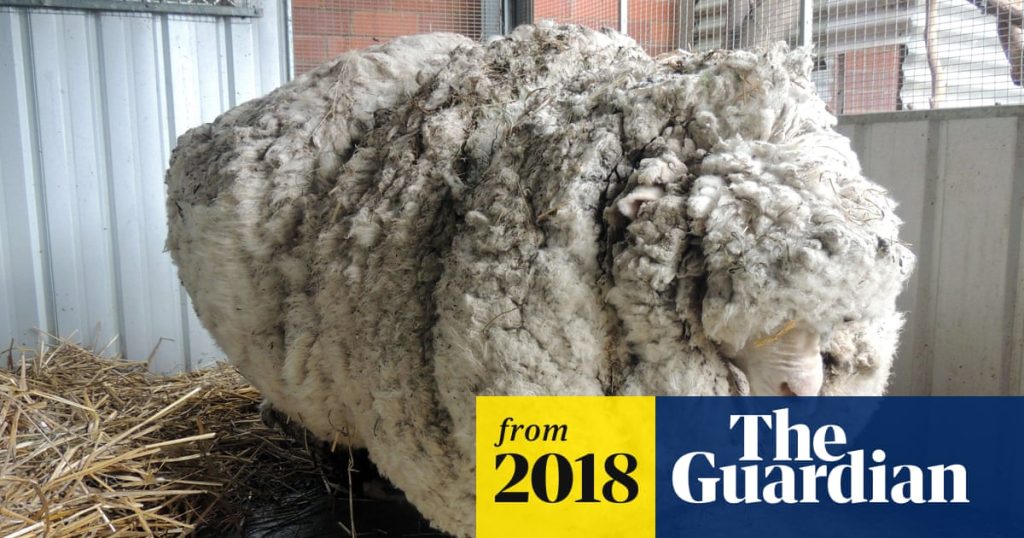
Have you ever wondered if sheep need to be sheared? If you’re caring for sheep or just curious about these fluffy animals, understanding the importance of shearing is key.
Shearing isn’t just about keeping sheep looking neat—it’s vital for their health and comfort. You’ll discover why shearing matters, how it affects your sheep, and what could happen if it’s neglected. Keep reading to learn everything you need to know about shearing your sheep the right way.
Sheep Wool Growth
Sheep grow wool continuously. This wool needs care to keep sheep healthy.
Shearing is the process of cutting wool off sheep. It helps manage wool growth.
How Fast Does Sheep Wool Grow?
Sheep wool grows about half an inch each month. This speed varies by breed.
Some breeds grow wool faster. Others have slower wool growth rates.
Why Do Sheep Need To Be Sheared?
Sheep need shearing because wool keeps growing. Too much wool can harm them.
Heavy wool can cause heat stress and make sheep hard to move. Shearing keeps them cool.
What Happens If Sheep Are Not Sheared?
Without shearing, wool grows thick and dirty. It can trap pests and moisture.
Too much wool can lead to skin infections and other health problems.
How Often Should Sheep Be Sheared?
Most sheep are sheared once a year. Some may need shearing twice a year.
- Once a year is common for many breeds
- Twice a year for fast-growing wool breeds
- Shearing timing depends on climate and wool length
Credit: www.surgesanctuary.org
Natural Shedding Vs. Shearing
Sheep have thick wool that grows continuously. Farmers often shear sheep to keep them healthy.
Some sheep can naturally shed their wool. This means the wool falls off by itself.
Natural Shedding
Natural shedding happens when sheep lose their wool on their own. This usually occurs in spring or early summer.
Sheep that shed naturally often have thinner wool. Their wool comes off in patches or large pieces.
- No need for human help to remove wool
- Wool falls off gradually
- Common in some wild or primitive sheep breeds
- Reduces risk of cuts or injuries from shearing
Shearing
Shearing is the process of cutting wool off sheep with special tools. It is done by farmers or professionals.
Shearing keeps sheep cool and stops wool from getting dirty or matted. It also helps prevent health problems.
- Done once or twice a year
- Prevents wool overgrowth
- Protects sheep from heat and pests
- Requires skill to avoid harming the sheep
Health Benefits Of Shearing
Shearing sheep is an important task for their health. It helps keep them comfortable and free from problems. Removing wool at the right time can protect sheep from heat and pests.
Understanding the health benefits of shearing helps farmers care for their animals better. This process supports sheep well-being and prevents illnesses.
Prevents Overheating
Shearing stops sheep from getting too hot in warm weather. Thick wool traps heat and can cause heat stress. Removing wool helps sheep cool down and stay healthy during summer.
Reduces Parasite Risk
Wool can hide parasites like lice and ticks. Shearing removes the place where pests live. This lowers the chance of infections and skin diseases.
Improves Skin Health
Shearing allows air to reach the skin and keeps it dry. This stops fungal and bacterial growth. Clean skin means fewer health problems for sheep.
Supports Mobility And Comfort
Heavy wool can weigh sheep down and make moving hard. Shearing lightens the load. It helps sheep walk and graze more easily.
Signs Of Health Benefits After Shearing
| Benefit | Signs in Sheep |
| Better Temperature Control | Less panting and more activity in warm weather |
| Fewer Parasites | Less scratching and clearer skin |
| Healthier Skin | Reduced redness and fewer sores |
| Improved Movement | More walking and grazing |

Credit: www.westplace.org
Timing And Frequency
Shearing sheep is an important task to keep them healthy and comfortable. Knowing when and how often to shear is key to good sheep care.
Sheep grow wool continuously, so regular shearing prevents problems like overheating and matting. Let’s explore the best timing and how often shearing should happen.
Best Time To Shear Sheep
Sheep are usually sheared once a year. The best time is in the spring before the hot weather starts. This timing helps sheep stay cool in summer.
Shearing in spring also gives wool time to grow before the cold winter months. Avoid shearing in winter because it can make sheep cold and stressed.
How Often To Shear Sheep
Most sheep need shearing once per year. Some breeds with faster wool growth may need shearing twice a year. Overgrown wool can cause health issues.
- Annual shearing keeps wool healthy and manageable.
- Twice a year shearing suits certain fast-growing breeds.
- Shearing frequency depends on breed, climate, and wool type.
Factors Affecting Shearing Schedule
| Factor | Effect on Shearing |
| Breed | Some need more frequent shearing |
| Climate | Warm areas may require earlier shearing |
| Wool Growth Rate | Faster growth means more frequent shearing |
| Health | Wool condition influences shearing timing |
Tools And Equipment
Shearing sheep is important to keep them healthy and comfortable. Using the right tools makes the job easier and safer for the sheep.
There are different tools available for shearing. Two common ones are hand shears and electric clippers.
Hand Shears
Hand shears look like large scissors. They need manual effort to cut the wool. This tool has been used for many years.
Hand shears are good for small jobs and quiet shearing. They give more control but take more time and effort.
- Made of strong metal blades
- Require sharpening regularly
- Affordable and easy to carry
- Best for small flocks
Electric Clippers
Electric clippers use a motor to move the blades fast. They cut wool quickly and with less effort. Many farmers prefer this tool.
Electric clippers need electricity or batteries to work. They are heavier but save time for large numbers of sheep.
- Powerful and fast cutting
- Require regular cleaning and oiling
- More expensive than hand shears
- Good for big farms and flocks

Credit: www.reddit.com
Shearing Techniques
Shearing sheep is an important task to keep them healthy and comfortable. It removes the thick wool that can cause overheating and other problems.
There are different ways to shear sheep. Each method uses a different position for the sheep to make shearing easier and safer.
Stand-up Method
The stand-up method keeps the sheep standing on all four legs. This position helps the shearer move around the animal quickly.
- Hold the sheep’s head gently to keep it calm.
- Use long, smooth strokes with the shears.
- Start shearing from the belly area.
- Work evenly on both sides to avoid cuts.
- Keep the wool clean and avoid pulling the skin.
Floor Method
The floor method involves laying the sheep on its side or back. This position helps control the sheep and gives better access to all wool areas.
| Floor Position | Benefits |
| Sheep lying on its side | Easier to control head and legs |
| Sheep lying on its back | Better access to belly and chest wool |
| Use padding or mat | Prevents injury and keeps sheep comfortable |
Common Challenges
Shearing sheep is necessary but can be tricky. Many challenges come with it.
Understanding these issues helps keep sheep safe and healthy during shearing.
Behavioral Issues
Sheep may act nervous or scared during shearing. This can make the process harder.
- Some sheep try to run away or resist being held.
- They may kick or struggle, risking injury to themselves or others.
- Stress can cause sheep to become aggressive or uncooperative.
- Young or untrained sheep often show more fearful behavior.
Injuries And Cuts
Shearing can cause small cuts or injuries if done quickly or carelessly.
| Type of Injury | Cause | Prevention |
| Minor Cuts | Dull blades or fast shearing | Use sharp tools and slow down |
| Deep Cuts | Improper handling or rushing | Hold sheep gently and carefully |
| Bruises | Rough handling or falls | Handle sheep calmly and securely |
Environmental Considerations
Shearing sheep affects the environment in several ways. Managing wool harvest impacts land, water, and energy use. Understanding these factors helps in making eco-friendly choices.
Sheep wool is a natural, renewable resource. Proper shearing supports animal health and reduces environmental harm. This section explores how shearing relates to environmental care.
Land Impact
Sheep grazing affects soil and vegetation. Overgrazing can cause erosion and loss of plants. Regular shearing keeps sheep healthy, encouraging balanced grazing habits.
Water Use
Shearing requires water for cleaning wool and sheep. Efficient water use during shearing lowers environmental strain. Clean wool reduces pollution from washing processes.
Energy Consumption
Shearing tools and wool processing use energy. Choosing manual or energy-efficient equipment cuts energy waste. Proper shearing timing reduces the need for extra heating or cooling.
Benefits Of Wool Recycling
Wool recycling lowers waste and saves resources. Recycled wool reduces demand for new wool production. This helps protect land and water from overuse.
- Reduces landfill waste
- Decreases energy needed for new wool
- Limits chemical use in wool processing
- Supports sustainable fashion and textiles
Shearing And Animal Welfare
Shearing prevents sheep from overheating and getting infections. Healthy sheep need less medical care, which lowers chemical use on farms. This benefits the environment by reducing pollution.
| Factor | Environmental Impact |
| Land Use | Grazing balance protects soil and plants |
| Water Use | Cleaning wool uses water but prevents pollution |
| Energy | Shearing tools consume power; efficiency matters |
| Waste | Wool recycling lowers landfill and resource use |
| Animal Health | Healthy sheep reduce chemical treatments |
Economic Impact
Shearing sheep plays a key role in the economy of wool producers. It affects income, costs, and market demand.
Understanding the financial effects helps farmers and businesses make better choices about sheep care.
Income From Wool Sales
Shearing provides raw wool that farmers sell for profit. The quality and amount of wool impact the price.
Regular shearing keeps wool healthy and in demand, increasing sales potential.
Costs Of Shearing
Shearing requires labor and equipment. These costs reduce the overall profit from wool sales.
- Hiring skilled shearers
- Maintaining shearing tools
- Transporting wool to buyers
- Managing sheep health during shearing
Market Demand And Pricing
Wool prices depend on global demand and quality standards. Proper shearing improves wool quality.
| Factor | Impact on Price |
| Wool Cleanliness | Higher prices |
| Wool Length | Better value |
| Sheep Health | Improved wool quality |
| Market Trends | Price fluctuations |
Economic Benefits Of Shearing
Shearing helps farmers earn money and supports local economies through jobs and trade.
Farmers benefit by:
- Increasing wool production
- Accessing better markets
- Reducing health risks for sheep
- Creating employment in rural areas
Ethical Considerations
Shearing sheep is a common farming practice. It helps keep sheep healthy and comfortable.
Ethics in shearing focus on the sheep’s well-being and humane treatment.
Why Shearing Is Important
Sheep grow thick wool that can cause problems if not removed. Wool can trap dirt, pests, and moisture.
Shearing prevents overheating and skin infections. It helps sheep stay clean and healthy.
Humane Shearing Practices
Shearing should be done carefully to avoid hurting sheep. Sharp tools and skilled shearers reduce stress and injury.
- Use trained professionals for shearing
- Handle sheep gently to reduce fear
- Shear during cooler parts of the day
- Avoid shearing in wet or cold weather
- Check sheep for injuries after shearing
Ethical Concerns About Shearing
Some worry about the stress and pain sheep may feel. Rough handling or poor timing can harm sheep.
It is important to balance wool harvesting with animal care. Keeping sheep safe and calm is key.
Comparing Shearing Methods
| Shearing Method | Pros | Cons |
| Manual Shearing | Gentle, less noise | Slower, needs skill |
| Machine Shearing | Fast, efficient | Can cause cuts if careless |
| Natural Wool Drop | No handling needed | Wool quality drops, risk of matting |
Frequently Asked Questions
Do Sheep Need Regular Shearing?
Yes, sheep need regular shearing to stay healthy. Shearing prevents wool overgrowth, which can cause overheating and infections. It also helps maintain hygiene and comfort.
How Often Should Sheep Be Sheared?
Sheep are typically sheared once a year, usually in spring. This timing helps them stay cool in summer and regrow wool before winter.
What Happens If Sheep Are Not Sheared?
If sheep are not sheared, their wool grows excessively. This can lead to heat stress, skin infections, and difficulty moving due to heavy wool.
Is Shearing Painful For Sheep?
No, proper shearing is painless for sheep. Skilled shearers use sharp tools and gentle techniques to avoid cuts or stress.
Conclusion
Sheep need regular shearing to stay healthy and comfortable. Their wool grows fast and can cause problems if left too long. Shearing helps prevent overheating and skin issues. It also keeps sheep clean and free from pests. Caring for sheep means paying attention to their wool.
Simple shearing routines make a big difference for their well-being. Taking time to shear shows you care about your animals. It’s an important task for every sheep owner.