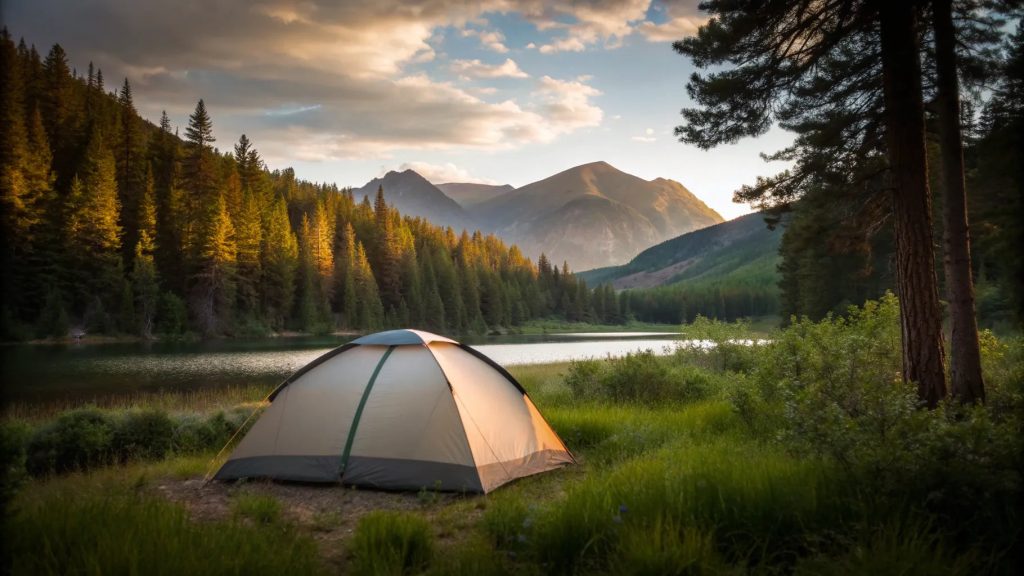
Looking to set up your tent without spending a dime? Finding a great spot to camp for free can turn your outdoor adventure from ordinary into unforgettable.
You don’t want to waste time searching or worry about unexpected fees. Imagine waking up surrounded by nature, knowing you didn’t have to pay a thing to enjoy that peaceful moment. You’ll discover the best places where you can pitch your tent for free, making your next trip easier, cheaper, and way more fun.
Keep reading to unlock the secrets to free camping spots near you!
National Forests
National Forests offer many places to pitch a tent for free. These lands let you camp away from crowded sites. You can enjoy nature in a quiet, natural setting.
Dispersed camping is allowed in many National Forests. It means camping outside of developed campgrounds. You must follow rules to protect the forest and wildlife.
Dispersed Camping Rules
Dispersed camping means no facilities like toilets or water. Campers must pack out all trash and avoid damaging plants. Fires may be limited or banned in dry seasons.
- Camp at least 200 feet from roads and trails.
- Use existing fire rings or build small fires carefully.
- Do not cut live trees or plants for firewood.
- Keep noise low to avoid disturbing wildlife and others.
- Stay no longer than 14 days in one spot.
- Check local forest rules before camping.
Locating Ideal Spots
Find flat, dry ground away from water sources. This protects nature and keeps your site safe from floods. Avoid areas with heavy brush or dead trees overhead.
| Ideal Spot Features | Reason |
| Flat, dry ground | Comfort and safety |
| At least 200 feet from water | Protects water quality |
| Away from trails and roads | Privacy and less damage |
| Near natural windbreaks | Shelter from wind |
| Clear of dead branches | Reduces fire risk |

Credit: www.freepik.com
Bureau Of Land Management Areas
The Bureau of Land Management (BLM) manages millions of acres of public land. Many of these areas allow free tent camping. These lands offer a chance to camp in nature without fees.
BLM lands are often in remote places. They provide peaceful spots for camping. Campers should learn the rules before setting up a tent.
Camping Restrictions
Camping on BLM land is usually free, but some rules apply. Campers must follow restrictions to protect the land and wildlife. Some areas have limits on how long you can stay.
Here are common camping restrictions on BLM land:
- Stay no longer than 14 days in one spot
- Camp at least 200 feet away from water sources
- No campfires during fire bans or dry seasons
- Pack out all trash and waste
- Use existing campsites when possible
- No motor vehicles off designated roads
Finding Remote Locations
BLM lands are vast and often far from cities. To find quiet spots, use maps and satellite images. Look for areas with few roads and signs of use.
Remote locations offer privacy and a natural experience. Before you go, check the weather and tell someone your plans. Always bring enough supplies and water.
- Use BLM websites or apps for land maps
- Look for undeveloped areas without facilities
- Check for access roads open to vehicles
- Respect wildlife and avoid sensitive habitats
Wildlife Management Areas
Wildlife Management Areas (WMAs) are public lands managed to protect animals and plants. They often allow camping, including pitching tents for free.
These areas offer a quiet place to camp and enjoy nature. You should follow rules to keep the land safe and clean.
Understanding Access Rights
Access to WMAs varies by state and area. Some allow free camping while others have limits or require permits.
Check local rules before you camp. Respect signs and stay in allowed zones to avoid fines.
- Research the specific WMA online or at a local office
- Ask about camping rules and permit needs
- Camp only in designated spots if required
- Follow seasonal restrictions to protect wildlife
Best Practices For Conservation
Camping in WMAs needs care to protect nature. Follow simple steps to keep the area healthy for animals and plants.
Leave no trace by cleaning up and minimizing your impact. Use existing fire rings and avoid damaging plants.
- Pack out all trash and leftover food
- Use a camp stove instead of open fires when possible
- Keep noise low to avoid disturbing wildlife
- Stay on trails and avoid fragile areas
- Respect wildlife and observe from a distance

Credit: www.reddit.com
State Forests And Parks
State forests and parks offer great places to pitch a tent for free. Many of these areas allow camping without fees. They provide a natural setting for outdoor lovers.
These spots are perfect if you want to camp quietly away from busy campsites. It is important to know the rules before you set up your tent.
Permitting And Regulations
Some state forests and parks require a permit for camping. These permits may be free or low cost. Check with the park office or website first.
Rules help protect nature and keep campers safe. Follow all guidelines about where to camp and how long you can stay. Leave no trace of your visit.
- Get a permit if needed
- Camp only in allowed areas
- Respect quiet hours and fire rules
- Pack out all trash
Exploring Off-the-beaten-path Areas
Look for less known spots in state forests and parks. These areas often allow free camping with fewer visitors. You can enjoy peace and nature fully.
Use maps and guides to find hidden camping places. Stay on trails and avoid fragile environments. Always camp at least 200 feet from water sources.
- Find quiet, lesser-known sites
- Use maps to explore safely
- Camp away from lakes and streams
- Respect wildlife and plants
Free Campsites Websites And Apps
Finding free places to pitch a tent can save money and add adventure. Many websites and apps list free campsites for outdoor lovers.
These tools help you find spots in nature without paying fees. They show locations, rules, and user reviews.
Top Platforms To Use
Several platforms focus on free camping spots. They offer maps and detailed info for tent campers.
- FreeCampsites.net – Shows free camping areas across the US and Canada.
- Campendium – Lists free and paid campsites with reviews and photos.
- iOverlander – A global app for travelers, including free tent spots.
- AllStays Camp & RV – Includes free camping locations and nearby services.
- Google Maps – Can help find public lands and dispersed camping areas.
Tips For Accurate Information
Check recent reviews before visiting a free campsite. Rules and conditions can change quickly.
Use multiple sources to confirm details. Contact local ranger stations if possible.
- Read user comments for up-to-date info.
- Look for photos to verify campsite condition.
- Check if permits are needed for free camping.
- Note access roads and vehicle limits.
- Respect local laws and landowner rules.
Camping On Private Land
Camping on private land offers a quiet and unique outdoor experience. It lets you enjoy nature away from crowded public parks.
To camp for free on private property, you must follow certain rules and respect the landowner’s wishes. This keeps camping legal and safe.
Seeking Permission
Always ask the landowner for permission before pitching your tent. This shows respect and avoids legal trouble.
- Find the owner’s contact through local property records
- Explain your camping plans clearly and politely
- Promise to leave no trace and clean up after yourself
- Ask about any rules or restrictions on the land
- Offer a small gift or thank-you to show appreciation
Utilizing Online Platforms
Several websites connect campers with private landowners who allow free camping. These platforms make it easier to find spots.
| Platform | What It Offers | Cost |
| FreeCampsites.net | List of private and public free camping spots | Free |
| iOverlander | User-submitted locations and reviews | Free |
| Hipcamp | Private land camping with booking options | Some free, some paid |
Leave No Trace Principles
When you pitch a tent for free, it is important to follow Leave No Trace principles. These rules help protect nature and keep it clean for everyone.
Leaving no trace means you do not harm the environment or disturb animals. It also means you clean up after yourself and leave the place as you found it.
Environmental Impact
Setting up a tent can damage plants and soil if done carelessly. Choose a spot that is already clear or used by others to avoid harming new areas.
Use established campsites when possible. Avoid digging or moving rocks and plants. This helps keep the land healthy for future visitors.
- Pick flat, durable ground to pitch your tent
- Stay on existing trails and campsites
- Do not cut or break branches
- Pack out all trash and leftover food
Respecting Wildlife And Nature
Wild animals live in the areas where you camp. Keep a safe distance and do not feed or touch them. Feeding animals can harm their health and behavior.
Keep noise low and avoid bright lights at night. This helps animals rest and stay safe. Also, store your food securely to prevent attracting wildlife.
- Observe animals quietly from afar
- Store food in sealed containers or bear-proof lockers
- Do not disturb nests, dens, or burrows
- Use a flashlight with a red filter to reduce light

Credit: boutiquecamping.com
Frequently Asked Questions
Where Can I Legally Pitch A Tent For Free?
You can pitch a tent for free on public lands managed by the Bureau of Land Management or National Forests. These areas allow dispersed camping without fees. Always check local regulations and practice Leave No Trace principles to protect the environment and avoid fines.
Are There Free Camping Sites In National Parks?
Most national parks charge fees for camping, but some have free backcountry sites. You must obtain permits for backcountry camping. Check the specific park’s website for details. Free sites often require more preparation and respect for nature.
Can I Camp For Free On State-owned Lands?
Some state parks and forests offer free camping or primitive campsites. Policies vary by state and location. Always verify with the local park office or website before camping. Follow all rules to ensure a safe and legal camping experience.
What Are The Best Apps To Find Free Camping Spots?
Apps like iOverlander, Freecampsites. net, and Campendium help locate free tent camping sites. They provide user reviews, maps, and amenities info. These tools are useful for finding legal, safe, and scenic camping spots on public lands.
Conclusion
Finding free spots to pitch a tent can save money and bring adventure. Many public lands, forests, and parks allow free camping with simple rules. Always check local guidelines before setting up your tent. Respect nature and leave no trace behind.
With a little research, you can enjoy peaceful nights outdoors without paying fees. Happy camping!