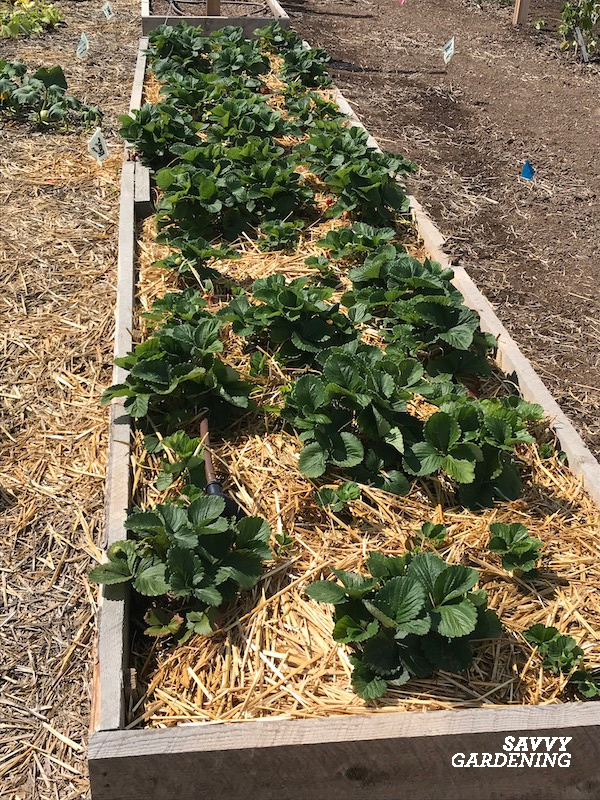
Are you ready to enjoy fresh, juicy strawberries right from your own garden? Growing strawberries in raised garden beds is one of the easiest and most rewarding ways to get delicious fruit at your fingertips.
Whether you have a small space or want to avoid common garden pests, raised beds give your strawberries the perfect home to thrive. In this guide, you’ll discover simple steps and insider tips that make growing strawberries not just possible but fun and successful.
Keep reading, and soon you’ll be picking sweet berries that taste better than anything from the store.
Benefits Of Raised Garden Beds
Raised garden beds offer many benefits for growing strawberries. They make it easier to control soil quality and drainage.
These beds also reduce weeds and pests. They help plants grow strong and healthy.
Better Soil Control
Raised beds let you choose the best soil mix for strawberries. You can add compost and nutrients easily.
This control helps strawberries get the right amount of water and air. It supports healthy root growth.
Improved Drainage
Strawberries do not like soggy soil. Raised beds drain water well and prevent root rot.
Good drainage keeps plants safe from diseases caused by too much water.
Easier Weed Management
Raised beds have fewer weeds than ground gardens. The soil is less likely to contain weed seeds.
It is easier to pull out weeds before they spread. This helps strawberries grow without competition.
Better Pest Control
Raised beds keep strawberries away from some pests. It is easier to add barriers or covers.
You can spot and remove pests faster in a raised bed. This protects your plants from damage.
Comfort And Accessibility
Raised beds are higher off the ground. This means less bending or kneeling while gardening.
This makes growing strawberries easier for people with back or knee problems.

Credit: www.youtube.com
Choosing The Right Location
Picking the best spot for your raised garden bed is key to growing strawberries. The right location helps plants grow strong and produce sweet fruit.
Think about sunlight and wind when choosing where to plant. These factors affect how well your strawberries will do.
Sunlight Requirements
Strawberries need full sun to grow well. They do best with at least six hours of direct sunlight each day. Too little sun means fewer berries and weak plants.
- Choose a spot that is not shaded by trees or buildings.
- Morning sun is good to dry dew and reduce disease.
- South-facing areas usually get the most sunlight.
Protection From Wind
Strong wind can hurt strawberry plants and dry out the soil fast. It can also damage flowers and reduce fruit production.
| Wind Protection Method | Benefits |
| Planting near a fence | Blocks strong gusts |
| Using windbreak shrubs | Reduces wind speed |
| Positioning bed behind a wall | Offers shelter and warmth |
Selecting The Ideal Soil
Good soil helps strawberries grow healthy and strong. The right soil gives plants nutrients and space to grow roots.
Raised beds let you control the soil type. Choose soil that drains well and has rich nutrients.
Soil Composition
Strawberries need soil that holds moisture but drains well. Sandy loam soil is the best choice.
This soil type mixes sand, silt, and clay. It keeps water from pooling and lets roots breathe.
- Sandy soil drains quickly
- Loam soil holds nutrients well
- Clay soil holds water but can cause root rot
Ph Levels
Strawberries grow best in soil with a pH between 5.5 and 6.5. This range helps plants absorb nutrients.
Test your soil pH before planting. Adjust it using lime to raise pH or sulfur to lower pH if needed.
- Ideal pH: 5.5 to 6.5
- Too low pH can cause nutrient problems
- Too high pH reduces nutrient uptake
Building Your Raised Bed
Growing strawberries in raised garden beds helps keep them healthy. Raised beds improve soil drainage and reduce weeds.
Building a good raised bed is the first step to a fruitful strawberry patch. It is simple with the right tools and materials.
Materials Needed
Choose durable materials that last outside. Wood is popular but metal and stone work well too.
- Cedar or redwood boards (resist rot)
- Galvanized screws or nails
- Drill or hammer
- Measuring tape
- Level tool
- Weed barrier fabric
- Quality soil and compost
Construction Tips
Pick a flat, sunny spot for your raised bed. The bed should be about 12 inches high for strawberries.
Secure corners tightly to keep soil inside. Use a level to make sure the bed is even.
- Cut wood to the right size before assembling
- Pre-drill holes to avoid splitting wood
- Use a level to check all sides
- Place weed barrier fabric at the bottom
- Fill with a mix of garden soil and compost
Planting Strawberries
Growing strawberries in raised garden beds is easy and fun. Raised beds give good drainage and warm soil.
Plant strawberries in early spring for the best results. They need full sun and well-drained soil.
Best Strawberry Varieties
Choose strawberry types that suit your climate and space. There are three main types: June-bearing, everbearing, and day-neutral.
- June-bearing:Produce one large crop in late spring or early summer.
- Everbearing:Give two to three smaller harvests from spring to fall.
- Day-neutral:Produce fruit all season, as long as temperatures stay moderate.
Select varieties that resist diseases and pests. This helps plants stay healthy and produce more fruit.
Spacing And Arrangement
Space strawberry plants about 12 inches apart in your raised bed. This gives them room to grow and spread runners.
Arrange plants in rows or clusters, leaving 2 to 3 feet between rows for easy care and harvesting.
- Keep plants evenly spaced to avoid crowding
- Use mulch to keep soil moist and reduce weeds
- Trim runners if you want bigger fruit instead of more plants
Watering Techniques
Watering strawberries in raised garden beds is key for healthy growth. Proper watering helps plants produce sweet fruits.
Too much or too little water can harm your strawberry plants. Use the right watering techniques for best results.
Frequency And Amount
Strawberries need regular watering, especially in warm weather. Water them deeply to reach the roots.
Check the soil moisture before watering. The soil should be moist but not soggy.
- Water 1 to 2 times per week in cool weather
- Increase to 3 times per week in hot weather
- Use about 1 to 1.5 inches of water each time
- Water early in the morning to reduce evaporation
Mulching Benefits
Mulch helps keep soil moist by reducing water loss. It also controls weeds around your strawberries.
Use straw or wood chips as mulch in your raised beds. Mulch keeps roots cooler and protects fruit from dirt.
- Retains moisture to reduce watering needs
- Prevents soil from drying out too fast
- Reduces weed growth that competes for water
- Keeps fruit clean and free from soil contact
Fertilizing For Optimal Growth
Strawberries need good nutrition to grow big and sweet. Fertilizing helps plants get the nutrients they need.
Using the right fertilizer at the right time improves fruit size and plant health.
Types Of Fertilizers
There are many fertilizers for strawberries. Some give nutrients fast. Others release nutrients slowly.
- Balanced fertilizers with equal nitrogen, phosphorus, and potassium (N-P-K)
- Organic fertilizers like compost or manure
- Slow-release fertilizers that feed plants over time
- Liquid fertilizers for quick nutrient boost
Choose fertilizers based on soil tests and plant needs. Strawberries like a little more potassium for fruit growth.
Application Schedule
Feed strawberries regularly during the growing season. Timing helps plants absorb nutrients well.
- Apply fertilizer before planting to prepare the soil
- Feed plants again when leaves start growing
- Use fertilizer after the first fruit set to support berry growth
- Avoid fertilizing late in the season to prevent leaf growth over fruit
Follow package directions for amounts. Too much fertilizer can harm plants or soil.
Managing Pests And Diseases
Growing strawberries in raised garden beds can lead to a healthy harvest. Managing pests and diseases helps keep plants strong. Watch your garden often to spot problems early.
Using natural methods protects your plants and the environment. This guide covers common pests and ways to prevent diseases in your strawberry bed.
Common Pests
Strawberries attract several pests. These can damage leaves, flowers, and fruit. Knowing these pests helps you act quickly to protect your plants.
- Spider Mites: Tiny bugs that cause yellow spots on leaves.
- Slugs and Snails: Eat holes in leaves and fruit.
- Aphids: Small green or black insects that suck plant sap.
- Strawberry Weevils: Lay eggs in buds, causing them to die.
- Thrips: Cause silvery marks on leaves and fruit.
Disease Prevention
Diseases can spread fast in strawberry beds. Good care and cleanliness reduce the risk. Use these tips to keep your plants healthy.
| Prevention Method | Description |
| Crop Rotation | Change strawberry bed location yearly to avoid soil diseases. |
| Proper Spacing | Leave space between plants for air circulation. |
| Watering Practices | Water at the base to keep leaves dry and reduce fungus. |
| Remove Debris | Clear dead leaves and old fruit to stop disease spread. |
| Use Resistant Varieties | Plant disease-resistant strawberry types. |
Harvesting Strawberries
Harvesting strawberries at the right time is important for the best taste. Picking strawberries too early or late can affect their sweetness and texture.
Using good techniques helps protect the plants and keeps the fruit fresh longer. Let’s look at how to know when strawberries are ready and how to pick them properly.
Signs Of Ripeness
Ripe strawberries are bright red all over. Avoid berries with white or green tips because they are not ripe yet.
Look for berries that are plump and firm but not hard. They should smell sweet and fresh. Overripe berries may look soft or have dark spots.
- Bright red color on the whole berry
- Plump and firm to touch
- Sweet, fresh smell
- No white or green areas
- No soft spots or bruises
Proper Picking Techniques
Pick strawberries carefully to avoid damaging the plant and fruit. Use your thumb and forefinger to gently pinch the stem just above the berry.
Do not pull or twist the berry. Leave a small part of the stem attached to keep the berry fresh. Place the picked strawberries in a shallow container to avoid crushing.
- Pinch the stem above the berry
- Avoid pulling or twisting the fruit
- Leave a small stem on the berry
- Use a shallow container for collection
- Pick berries every two to three days

Credit: savvygardening.com
Seasonal Care And Maintenance
Growing strawberries in raised garden beds needs care all year. Each season brings tasks to keep plants healthy. Proper seasonal steps help strawberries grow strong and produce well.
This guide covers what to do in winter and how to prepare for the next season. Follow these tips to protect your plants and get ready for new growth.
Winterizing Your Beds
Winter can harm strawberry plants if not protected. Prepare your raised beds before cold weather arrives. This keeps roots safe and soil healthy.
- Remove old leaves and debris to reduce pests and diseases.
- Apply a thick layer of mulch like straw or pine needles over the beds.
- Check for any damaged plants and remove them to prevent spread.
- Water plants well before the first freeze to keep roots hydrated.
- Cover beds with frost cloth or garden fabric if very cold weather is expected.
Preparing For Next Season
Early spring is the best time to get your beds ready for new strawberry plants. This helps them grow quickly and produce fruit on time.
| Task | Action | Timing |
| Soil check | Test soil and add compost or fertilizer if needed | Late winter to early spring |
| Bed cleaning | Clear mulch and old plant debris from beds | Early spring |
| Planting | Set new strawberry plants or runners | Early spring after frost risk |
| Watering | Keep soil moist but not wet | After planting |
| Mulching | Add fresh mulch to keep weeds down and retain moisture | After planting |

Credit: farmhouseharvest.net
Frequently Asked Questions
What Soil Is Best For Strawberries In Raised Beds?
Strawberries thrive in well-draining, sandy loam soil rich in organic matter. Use a mix of compost and peat moss. Ensure the soil pH ranges between 5. 5 and 6. 5 for optimal growth and fruit production in raised garden beds.
How Often Should I Water Strawberries In Raised Beds?
Water strawberries regularly, keeping the soil consistently moist but not soggy. Aim for about 1 inch of water weekly. Early morning watering is best to reduce disease risks and support healthy plant growth in raised beds.
When Is The Best Time To Plant Strawberries?
Plant strawberries in early spring or late fall for best results. This timing allows roots to establish before hot weather. Choose disease-free runners or bare-root plants to ensure a healthy and productive strawberry crop.
How Do I Prevent Pests In Raised Strawberry Beds?
Use natural pest deterrents like neem oil or insecticidal soap. Mulch beds with straw to keep pests away. Regularly inspect plants for aphids, slugs, and birds. Companion planting with herbs can also reduce pest problems.
Conclusion
Growing strawberries in raised garden beds brings fresh fruit close to home. These beds improve soil and drainage, helping plants thrive. Regular watering and sunlight keep your strawberries healthy. Watch for pests and remove old leaves to prevent disease. Harvest berries when they turn red and enjoy their sweet taste.
Raised beds make gardening easier and more fun. Start small, care for your plants, and enjoy fresh strawberries all season. Simple steps lead to a fruitful garden. Give it a try and see the results yourself.