Packing your backpacking tent the right way can make a huge difference on your trip. Imagine struggling with a tangled mess when you’re tired and ready to rest.
You don’t want that. You want a smooth, quick setup that saves you time and effort. In this guide, you’ll learn simple, practical steps to pack your tent efficiently. Whether you’re a beginner or have some experience, these tips will help keep your gear organized and ready to go.
Keep reading—you’re about to make your next adventure easier and more enjoyable.
Choosing The Right Tent
Picking the right tent is key for a good backpacking trip. The right tent keeps you safe and comfortable outdoors.
Think about your needs before buying. Size, weight, and weather matter a lot.
Size And Capacity
Choose a tent size that fits the number of people. Also, consider space for gear inside the tent.
- One-person tents are light and small.
- Two-person tents offer more space and comfort.
- Three-person tents fit more gear and people but weigh more.
Weight Considerations
Weight is important for backpacking. A heavy tent makes hiking harder.
| Tent Type | Average Weight |
| Ultralight | 1 to 2 pounds |
| Lightweight | 2 to 4 pounds |
| Standard | 4 to 6 pounds |
Seasonal Features
Tents have features for different seasons. Pick one that matches your trip weather.
- 3-Season:Best for spring, summer, and fall. Good ventilation and rain protection.
- 4-Season:Designed for winter. Strong against snow and wind but heavier.
- Convertible:Can change between 3 and 4-season use.
Essential Packing Gear
Packing the right gear is important for a successful backpacking trip. Your tent gear helps you stay dry and comfortable outdoors.
This guide covers tent stakes and poles, ground tarps and footprints, and repair kits and accessories. Each item plays a key role in your setup.
Tent Stakes And Poles
Tent stakes hold your tent firmly to the ground, keeping it stable against wind. Poles give your tent its shape and structure. Carry extra stakes and a spare pole section to fix breaks or losses.
- Use lightweight aluminum stakes for most conditions
- Bring snow stakes if camping in snowy areas
- Carry a pole repair sleeve or splint for quick fixes
- Check your tent pole sections before you pack
Ground Tarps And Footprints
Ground tarps protect your tent floor from sharp rocks and moisture. Footprints are custom-sized tarps that fit perfectly under your tent. Using one extends your tent’s life and adds extra insulation.
| Type | Benefits | Material |
| Generic Tarp | Protects from dirt and water | Polyethylene or nylon |
| Footprint | Custom fit, better protection | Lightweight ripstop nylon |
| Silicone-Coated | Waterproof and durable | Silicone-treated nylon |
Repair Kits And Accessories
Repair kits fix tears and broken parts on the trail. They keep your gear usable until you get home. Include patches, strong tape, and a multi-tool in your kit.
- Sticky fabric patches
- Tenacious tape or duct tape
- Spare zipper pulls and clips
- Mini sewing kit with needles and thread
- Small multi-tool with pliers and scissors
Step-by-step Packing Guide
Packing a backpacking tent properly helps keep it safe and easy to carry. Follow simple steps to organize and pack your tent for your trip.
This guide covers how to sort tent parts, fold and roll the tent, and secure it for transport.
Organizing Tent Components
Start by laying out all the parts of your tent. This includes the tent body, rainfly, poles, stakes, and any accessories.
- Check each item for dirt or damage before packing.
- Group similar parts together to avoid losing anything.
- Remove excess dirt or moisture from the fabric.
- Keep poles separate to prevent bending.
- Place stakes in a small bag or pouch.
Folding And Rolling Techniques
Folding and rolling your tent correctly saves space and keeps the fabric safe. Use smooth, even folds to avoid creases.
| Folding Step | Tips |
| Spread the tent flat | Smooth out wrinkles and fold edges evenly |
| Fold the tent lengthwise | Make the width narrow enough to roll tightly |
| Roll tightly from one end | Keep the roll firm to save space |
| Wrap with tent straps | Use built-in straps or tie with cord |
Securing For Transport
Secure your packed tent to prevent damage and make carrying easier. Use compression sacks or straps to keep it tight.
Follow these tips to secure your tent:
- Place the rolled tent in a compression sack.
- Tighten the sack straps to reduce volume.
- Attach the sack to your backpack’s external straps.
- Check that the tent is stable before hiking.

Credit: www.andreaference.com
Maximizing Space And Efficiency
Packing a backpacking tent can be tricky. You want to save space and keep things easy to carry.
Using smart methods helps you pack your tent tightly and balance your load well.
Using Compression Bags
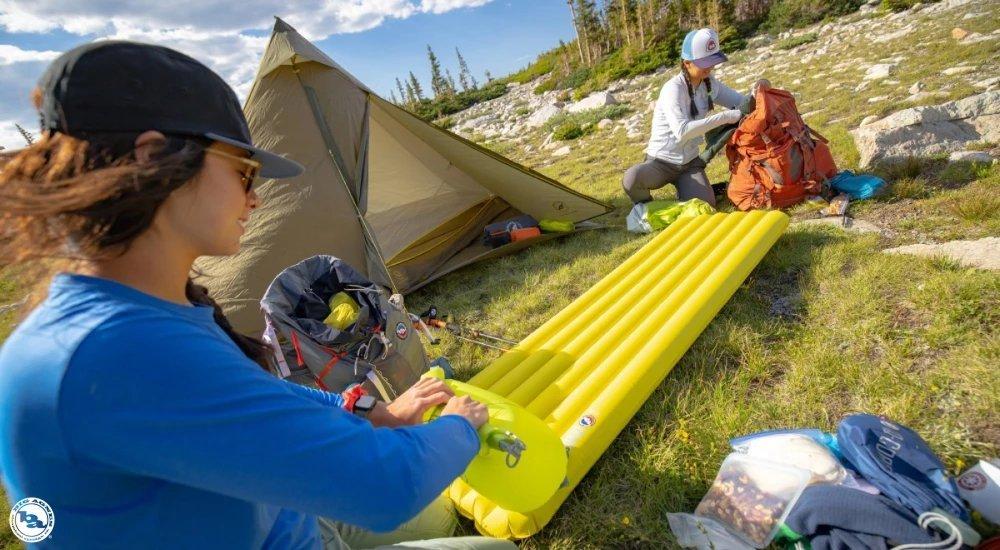
Compression bags reduce the size of your tent and its parts. They squeeze out air and make everything compact.
- Choose a compression bag that fits your tent size.
- Place the tent fabric and stakes inside first.
- Roll the bag tightly to push out extra air.
- Seal the bag to keep it compressed during travel.
Layering And Weight Distribution
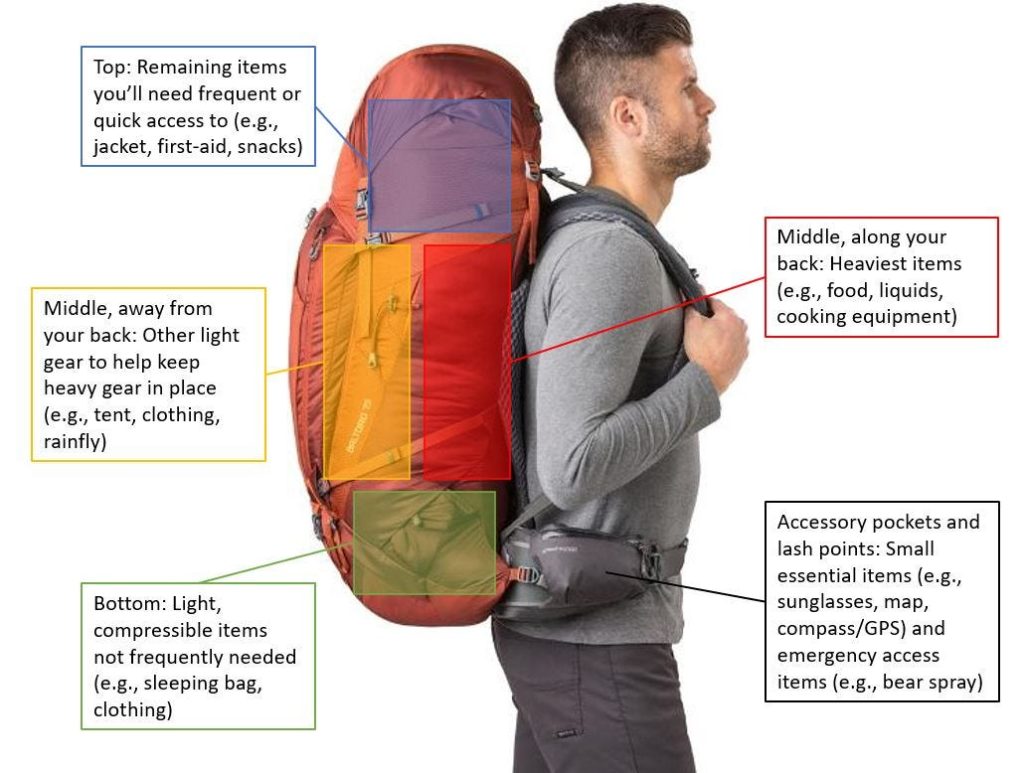
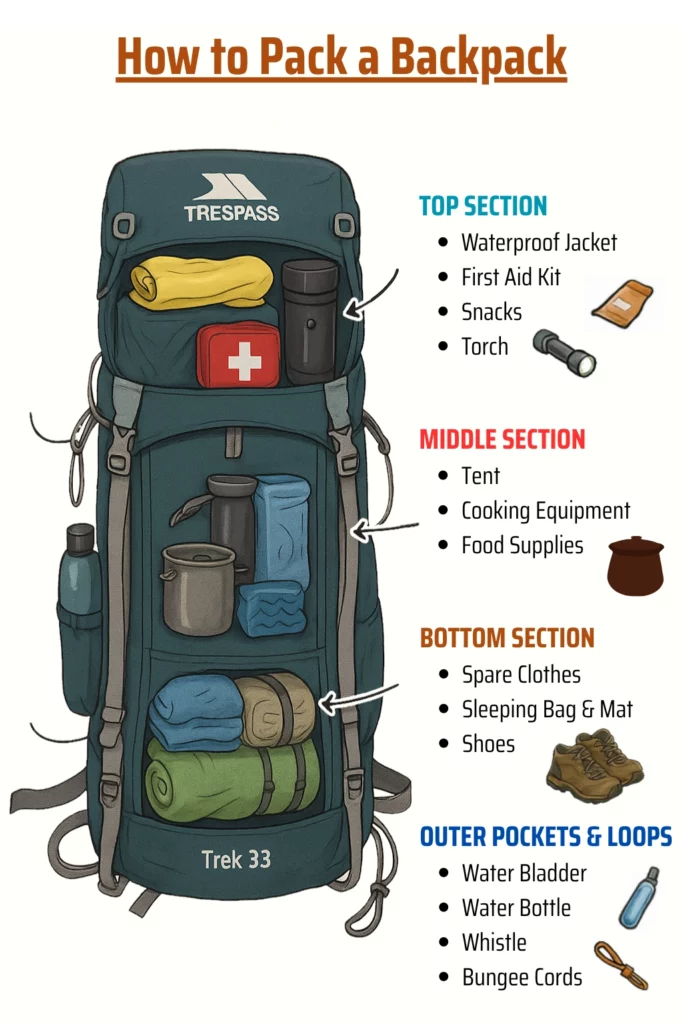
Put heavier items close to your back. This keeps your balance and eases carrying.
| Layer | What to Pack | Reason |
| Bottom | Light items like sleeping pad | Protects heavier gear |
| Middle | Tent body and stakes | Center of gravity |
| Top | Light, bulky items like rain gear | Easy access and balance |
Attaching To Backpack
Use backpack straps and loops to attach your tent outside. This saves space inside your pack.
- Use the bottom straps for the tent body or sleeping pad.
- Attach poles and stakes in side loops or mesh pockets.
- Secure everything tightly to avoid swinging.
- Cover with a rain cover if possible to keep dry.
Tips For Quick Setup And Takedown
Packing and setting up a backpacking tent can take time if you are not prepared. Learning simple tips can help you set up and take down your tent quickly. This saves energy and lets you enjoy more time outdoors.
Practice and planning are key. Knowing how to handle your tent before your trip reduces stress. Follow these tips to make your tent setup and takedown smooth and fast.
Pre-trip Practice
Practice setting up your tent at home before your trip. This helps you learn the parts and process. You will get faster and more confident.
- Read the instructions carefully.
- Set up the tent in your backyard or a park.
- Time yourself to improve speed.
- Practice folding and packing the tent neatly.
- Check that all parts are included and in good condition.
Site Selection And Preparation
Choose a flat, clear spot for your tent. Remove rocks, sticks, and debris. This helps you set up faster and protects your tent floor.
| Factor | Why It Helps |
| Flat Ground | Makes pitching easier and keeps tent stable |
| Clear Area | Prevents damage and speeds up setup |
| Near Water Source | Convenient but avoid flooding spots |
| Wind Direction | Place tent door away from strong wind |
Efficient Takedown Strategies
Take down your tent carefully but quickly. Keep your gear organized and dry. Use these tips to pack fast and avoid damage.
- Remove stakes and poles in order to avoid tangling.
- Shake out dirt and debris from the tent before folding.
- Fold the tent tightly to save space.
- Pack poles and stakes in their bags to keep them secure.
- Store the tent in a dry place to prevent mildew.
Common Mistakes To Avoid
Packing a backpacking tent needs care to avoid problems later. Many people make simple mistakes that make camping hard.
Knowing what not to do helps keep your tent safe and your trip smooth. Avoid these common errors to enjoy your adventure.
Overpacking
Carrying too much gear makes your backpack heavy and tiring. Overpacking your tent means bringing extra parts or accessories you don’t need.
Heavy packs slow you down and use more energy. Pack only what is necessary for your trip and the weather.
- Only bring tent parts listed in the instructions
- Skip extra stakes or poles unless needed
- Leave bulky items that do not fit easily
- Check your gear before packing to avoid duplicates
Ignoring Weather Conditions
Weather affects how you pack your tent. Ignoring rain, wind, or cold can cause damage or discomfort.
Pack rain flies, extra stakes, or footprints if the forecast shows bad weather. Adjust your packing to match the conditions.
- Check weather before packing
- Include waterproof covers for rain
- Use strong stakes for windy areas
- Add an insulated footprint for cold ground
Neglecting Tent Maintenance
Not caring for your tent before packing can cause damage. Dirt, moisture, and tears can get worse if ignored.
Clean your tent and dry it fully before packing. Check for holes or broken parts and fix them early.
- Remove dirt and debris from the tent
- Dry all parts completely to prevent mold
- Inspect poles and zippers for damage
- Repair small tears before packing
Caring For Your Tent Post-trip
After a backpacking trip, your tent needs proper care. This keeps it in good shape for the next adventure.
Taking time to clean, dry, store, and check your tent helps it last longer and perform well.
Cleaning And Drying
Remove dirt and debris from your tent before packing it away. Use a soft brush or cloth for cleaning.
Always dry your tent fully. Store it damp, and it can develop mold and bad smells.
- Shake out loose dirt and leaves
- Wipe spots with mild soap and water
- Air dry in shade, avoid direct sun
- Make sure all parts are dry before storage
Storage Tips
Store your tent in a cool, dry place. Avoid places with high heat or moisture.
Keep your tent loosely packed. Do not store it tightly compressed for a long time.
- Use a large breathable bag, not the small stuff sack
- Keep away from direct sunlight
- Store off the floor to avoid dampness
- Check storage area for pests regularly
Inspecting For Damage
Look over your tent for any tears, holes, or broken parts after each trip.
Fix small problems quickly to stop them from getting worse and to keep your tent safe.
- Check seams and zippers carefully
- Look for holes or thin spots in the fabric
- Inspect poles and clips for cracks or bends
- Repair tears with patch kits or tape
Credit: www.scheels.com
Credit: www.trespass.com
Frequently Asked Questions
How Do I Choose The Right Backpacking Tent?
Choose a tent based on weight, size, season, and durability. Prioritize lightweight and compact designs for easy carrying. Check tent materials and waterproof ratings to ensure weather protection. Consider tent capacity for your group size. Always balance comfort with portability.
What Is The Best Way To Pack A Backpacking Tent?
Pack your tent in its stuff sack tightly to save space. Disassemble poles and stakes neatly and secure them inside the bag. Place the tent at the bottom of your backpack for weight balance. Use compression sacks for better packing efficiency.
How Can I Protect My Tent While Backpacking?
Use a groundsheet or footprint to protect the tent floor. Avoid setting up on sharp rocks or rough terrain. Always dry the tent before packing to prevent mold. Store tent poles and stakes separately to avoid damage.
When Should I Pitch My Tent During A Backpacking Trip?
Pitch your tent before dark to avoid setup difficulties. Choose flat, sheltered areas away from water and wind. Set up on durable ground to minimize environmental impact. Early pitching ensures safety and comfort for the night.
Conclusion
Packing a backpacking tent takes practice and patience. Keep your tent clean and dry before packing. Fold it neatly to save space and avoid damage. Use the stuff sack to keep all parts together. Remember to pack poles and stakes carefully.
A well-packed tent makes your hike easier and more fun. Take your time and enjoy the process. Ready for your next outdoor adventure?