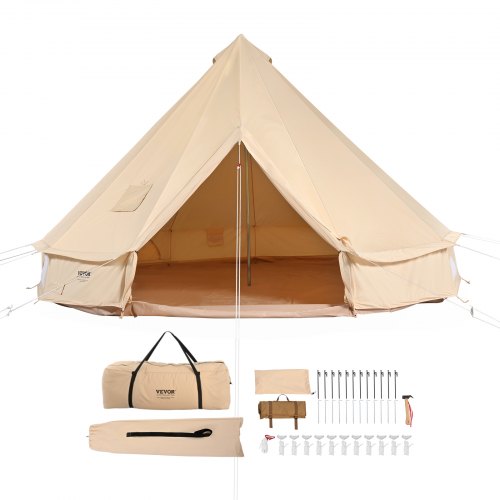
Have you ever wondered what makes a bell tent so special? If you’re looking for a camping experience that combines comfort, style, and a touch of adventure, a bell tent might be exactly what you need.
Picture yourself stepping inside a spacious, cozy shelter that feels like a home away from home. You’ll discover what a bell tent is, why so many people love it, and how it can transform your outdoor trips. Keep reading to find out how this simple yet elegant tent could change the way you enjoy nature.

Credit: www.amazon.ca
History Of Bell Tents
Bell tents have a long history of use around the world. They are known for their round shape and central pole design.
This type of tent has been popular for centuries because it is easy to set up and offers good protection from the weather.
Origins And Early Use
Bell tents originated in the 19th century. They were first used by the military for camping and temporary housing.
The design allowed soldiers to quickly set up tents while staying protected from rain and wind.
Military And Civilian Use
In the 1800s, bell tents were common in British military camps. They offered more space than other tents of that time.
- Easy to carry and transport
- Durable canvas material
- Good ventilation with a central pole
- Simple to clean and maintain
After military use, bell tents became popular for civilian camping and outdoor events.
Modern Use And Design
Today, bell tents still use the classic shape but include modern materials. These tents are used for glamping and festivals.
| Period | Use | Material |
|---|---|---|
| 19th Century | Military camps | Canvas |
| 20th Century | Civilian camping | Canvas and cotton blends |
| 21st Century | Glamping and festivals | Waterproof canvas and synthetic fabrics |
Design And Structure
A bell tent is a classic style of tent known for its simple yet strong design. It stands out because of its unique shape and sturdy build.
The design focuses on comfort and space, making it popular for camping and outdoor events. Its structure allows for good airflow and weather resistance.
Shape And Dimensions
The bell tent has a round, cone-like shape with a single central pole. This pole holds up the roof, creating a high ceiling inside.
The walls slope gently outward from the center, giving extra floor space near the edges. This shape helps wind flow around the tent easily.
- Diameter ranges from 3 to 6 meters
- Height usually between 2.5 to 3.5 meters
- Floor space can fit several people comfortably
- Large entrance for easy access
Materials Used
Bells tents use strong and weatherproof materials to protect from rain and wind. The fabric is often thick and treated to resist water.
The frame is made from metal or wood, giving the tent stability and support. The groundsheet is usually waterproof to keep moisture out.
- Canvas fabric for walls and roof
- Waterproof coating on fabric
- Steel or aluminum for the center pole
- Waterproof groundsheet made of PVC or similar
Setting Up A Bell Tent
Setting up a bell tent can make your outdoor stay more comfortable. This guide helps you find the right spot and pitch your tent safely.
Follow simple steps to ensure your bell tent stands firm and lasts during your trip.
Site Selection
Choose a flat and dry area to set your bell tent. Avoid places that collect water when it rains.
- Look for a level ground free of rocks and sharp objects.
- Pick a spot away from strong winds, like behind trees or bushes.
- Check if the area is safe from flooding or falling branches.
- Make sure the ground is firm enough to hold tent pegs.
Pitching Techniques
Proper pitching keeps your bell tent stable and secure. Follow these key steps to pitch your tent correctly.
- Lay out the tent and spread it on the chosen site.
- Insert the center pole and raise the tent upright carefully.
- Secure the tent base with pegs, starting at the door side.
- Tighten the guy ropes and fix them to the ground at a 45-degree angle.
- Check all connections and adjust tension for even support.
| Common Pitching Mistakes | How to Avoid |
| Loose guy ropes | Tighten ropes firmly but do not over-stretch |
| Uneven ground | Choose a flat surface before pitching |
| Incorrect peg angle | Insert pegs at 45 degrees for strong hold |
| Weak center pole placement | Place pole straight in the center and secure base |

Credit: stouttent.com
Key Features And Benefits
A bell tent is a type of round tent with a single central pole. It has a conical shape that looks like a bell. Many people use bell tents for camping and outdoor activities.
These tents are known for their simple design and strong structure. They offer many benefits that make camping more comfortable and fun.
Spacious Interiors
Bell tents have wide, open spaces inside. The single central pole helps create a large living area without many poles in the way. This makes it easier to move around and store gear.
The high ceiling lets you stand up and walk inside. This space is good for families or groups who want to share one tent. You can also add furniture for more comfort.
Weather Resistance
Bell tents are made from strong, waterproof canvas material. This helps keep rain and wind out. The shape also helps rainwater run off easily.
The tents can handle different weather conditions. They stay cool in summer and warm in colder weather. This makes them reliable for many camping trips.
Versatility In Use
Bell tents are not just for camping. People use them for events like weddings and festivals. Their classic look fits many styles and settings.
You can set up a bell tent in many places. They work well in forests, fields, and even beaches. This makes them a flexible option for many outdoor needs.
Customization Options
A bell tent is a popular choice for camping and events. It offers many ways to customize it. You can change its look and feel to fit your style.
Customizing a bell tent makes your space more comfortable and unique. You can add personal touches to enjoy your time inside.
Decor Ideas
Decorating your bell tent creates a cozy and inviting space. Use soft fabrics and warm colors to make it feel like home.
Consider adding rugs, cushions, and fairy lights. These small items add charm and comfort.
- Layered rugs for warmth and style
- Throw pillows in different textures
- String lights or lanterns for soft lighting
- Wall hangings or tapestries for color
- Small furniture like foldable stools or tables
Add-ons And Accessories
Add-ons improve your bell tent’s function and look. You can choose items that fit your camping needs.
Popular accessories include extra windows, stove jacks, and awnings. They help with ventilation, heating, and shade.
- Extra windows with mesh for better airflow
- Stove jack for safe use of wood stoves
- Awnings to create shaded outdoor areas
- Ground mats to keep the floor clean
- Storage pockets for organizing small items
Maintenance And Care
Taking care of your bell tent helps it last longer and stay clean. Proper maintenance keeps the fabric strong and free from damage.
Simple care routines can protect your tent from dirt, mold, and wear. Regular cleaning and smart storage are key to preserving your tent’s quality.
Cleaning Tips
Clean your bell tent after every trip to remove dirt and stains. Use gentle methods to avoid damaging the fabric and waterproof coatings.
- Brush off loose dirt with a soft broom or brush.
- Spot clean stains with mild soap and water.
- Use a sponge to gently scrub dirty areas.
- Rinse well with clean water to remove soap.
- Allow the tent to dry fully before packing.
- Avoid harsh chemicals or bleach on the fabric.
- Air out the tent to prevent mold and odors.
Storage Solutions
Storing your bell tent correctly protects it from moisture, pests, and damage during long breaks between uses.
| Storage Tip | Reason |
|---|---|
| Dry Completely | Prevents mold and mildew growth |
| Fold Loosely | Avoids creases that weaken fabric |
| Use Breathable Bag | Allows air circulation and reduces moisture |
| Store in Cool, Dry Place | Protects from heat and dampness |
| Keep Off the Ground | Prevents pest damage and dirt buildup |
Comparing Bell Tents With Other Tents
Bell tents are a popular choice for camping and outdoor events. They have a round shape and a central pole. Many people wonder how bell tents compare to other tent types. This guide looks at bell tents, dome tents, and cabin tents.
Each tent style has unique features. Understanding these differences helps you pick the right tent for your needs. We will compare bell tents with dome tents and cabin tents below.
Bell Tent Vs. Dome Tent
Bell tents have a tall center pole and sloping sides. Dome tents use flexible poles that cross to create a dome shape. Dome tents are usually smaller and lighter than bell tents.
Bell tents offer more space inside because of their height. They are good for groups and long stays. Dome tents are easy to set up and carry. They are perfect for quick trips and small groups.
- Bell Tent:Large, tall, spacious, needs more setup time
- Dome Tent:Compact, lightweight, quick to set up, less space
Bell Tent Vs. Cabin Tent
Cabin tents have straight walls and a boxy shape. Bell tents have round walls and a peaked roof. Cabin tents create more usable floor space with their vertical walls.
Bell tents are easier to set up with one central pole. Cabin tents need multiple poles and take longer to assemble. Cabin tents usually have more windows and doors for ventilation.
| Feature | Bell Tent | Cabin Tent |
|---|---|---|
| Shape | Round with peaked roof | Boxy with vertical walls |
| Setup | One central pole, quicker | Multiple poles, longer |
| Space | Good height, less floor space | More floor space, less height |
| Ventilation | Few windows | Many windows and doors |
Popular Brands And Models
Bell tents are a popular choice for camping and outdoor events. Many brands offer different models to suit various needs.
These tents vary in size, material, and features. Here are some well-known brands and their popular bell tent models.
Canvascamp Bell Tents
CanvasCamp is known for making strong and durable bell tents. Their tents use heavy cotton canvas for weather protection.
The CanvasCamp bell tents come in sizes from 3 meters to 5 meters in diameter. These tents have good ventilation and easy setup.
- Sizes: 3m, 4m, 5m
- Material: 320g/m² cotton canvas
- Features: mesh windows, waterproof base
Kodiak Canvas Flex-bow Deluxe
Kodiak Canvas makes strong tents for long camping trips. The Flex-Bow Deluxe model is easy to set up with its flexible poles.
This tent is made from heavy-duty cotton canvas. It offers great weather resistance and good airflow with its mesh panels.
- Size: 13 feet diameter
- Material: 8.5 oz cotton duck canvas
- Setup: flexible bow poles for quick assembly
Heimplanet The Cave
Heimplanet’s The Cave is a modern take on bell tents. It uses inflatable beams instead of poles for quick setup.
The tent is made of waterproof polyester fabric. It is lightweight and packs small for easy transport.
- Size: approx. 3.5 meters diameter
- Material: waterproof polyester
- Setup: inflatable beams in minutes
Lonecone Cotton Canvas Bell Tents
Lonecone offers traditional cotton canvas bell tents. These tents are good for campers who want classic style and durability.
They come in various sizes and have features like mesh windows and waterproof floors to keep bugs out and water away.
- Sizes: 3m to 5m diameter
- Material: heavy cotton canvas
- Features: mesh windows, waterproof floor
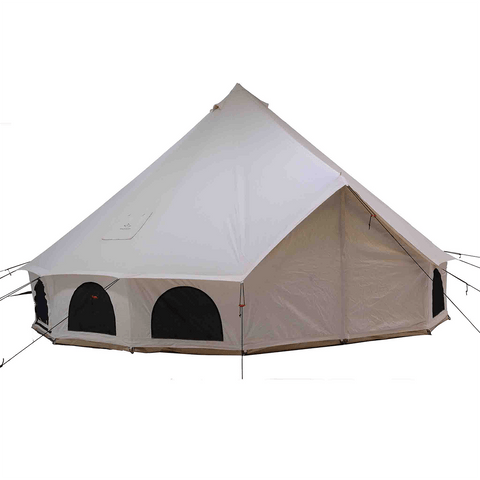
Credit: whiteduckoutdoors.ca
Frequently Asked Questions
What Is A Bell Tent Used For?
A bell tent is mainly used for camping and glamping. It offers spacious, comfortable shelter with easy setup. Its design suits festivals, outdoor events, and family trips. Bell tents combine traditional style with modern convenience, making them popular for nature lovers and adventure seekers.
How Big Is A Typical Bell Tent?
Bell tents vary in size, typically ranging from 10 to 20 feet in diameter. The interior space comfortably fits 2 to 6 people. Larger models offer more room for furniture and gear. Size choice depends on the number of occupants and intended use.
What Materials Are Bell Tents Made From?
Bell tents are commonly made from heavy-duty cotton canvas. This material is breathable, durable, and weather-resistant. The poles are usually made of steel or aluminum for stability. Quality fabrics ensure comfort and protection in various weather conditions.
How Do You Set Up A Bell Tent?
Setting up a bell tent involves spreading the canvas on flat ground, assembling the central pole, and lifting the tent. Then, secure the guy ropes and stakes for stability. The process is straightforward and can be completed quickly with two people.
Conclusion
A bell tent offers comfort and style for outdoor stays. It stands tall with a simple, strong design. Many enjoy its roomy space and easy setup. Perfect for camping or backyard fun alike. Choose a bell tent to enjoy nature with ease.
It brings a cozy feeling wherever you go. Simple, sturdy, and inviting—this tent suits many needs. Give it a try for your next adventure.