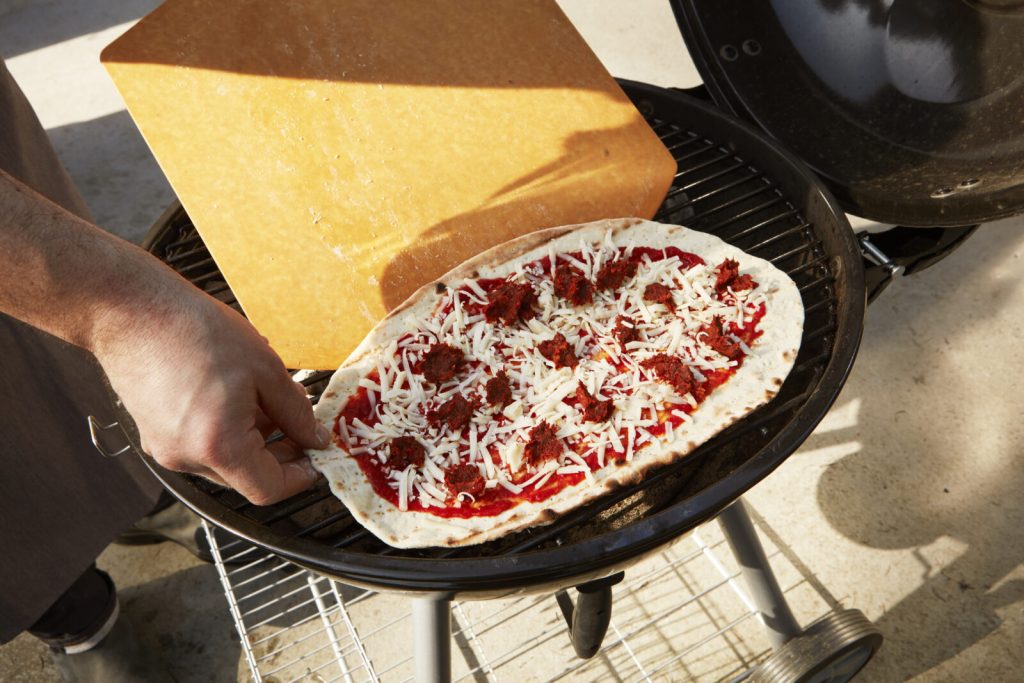
There’s something special about the smoky flavor that a charcoal grill adds to your food. Now, imagine combining that rich taste with a crispy, cheesy pizza fresh off the grill.
You might think cooking pizza on charcoal is tricky, but it’s easier than you expect. In this guide, you’ll discover simple steps to turn your grill into a pizza oven and impress everyone with delicious homemade pizza. Ready to unlock a new level of flavor and fun?
Let’s dive in!

Credit: modernistcuisine.com
Choosing The Right Charcoal
Cooking pizza on a charcoal grill needs good heat. The right charcoal helps you get the best flavor and temperature. This guide explains how to pick the best charcoal for your pizza grilling.
Not all charcoal types are the same. Some burn hotter or longer. Knowing the types helps you choose what fits your cooking style.
Types Of Charcoal
There are mainly two types of charcoal used for grilling: briquettes and lump charcoal. Each type has its own features and uses.
- Briquettes:Made from compressed charcoal and fillers. They burn evenly and last longer.
- Lump Charcoal:Made from natural wood pieces. It lights quickly and burns hotter.
- Charcoal Chunks:Larger pieces used for slow cooking and long heat.
Benefits Of Natural Lump Charcoal
Natural lump charcoal is popular for pizza grilling. It gives a clean, smoky flavor that works well with pizza toppings. It heats up fast and reaches high temperatures.
Lump charcoal burns with less ash than briquettes. This means less mess and better airflow in your grill. It also allows you to control the heat more easily.
- Lights quickly for faster cooking
- Burns hotter for crispy crusts
- Produces less ash for cleaner grilling
- Gives natural smoky flavor to pizza
Setting Up The Grill
Start by arranging the charcoal for even heat. Use more lump charcoal for a hotter fire. You can create two zones: one for high heat and one cooler zone.
Light the charcoal and wait until the edges turn gray. This means the charcoal is ready. Use a grill grate or pizza stone to cook your pizza evenly.
- Place charcoal in a pile or spread for two heat zones
- Light charcoal with a chimney starter or lighter cubes
- Wait 15-20 minutes until charcoal turns gray
- Use a pizza stone or grill grate for best cooking
Prepping The Grill
Cooking pizza on a charcoal grill needs proper preparation. A well-prepped grill gives you the best heat and flavor.
Start by cleaning and arranging the grill. Then get the temperature just right before cooking.
Cleaning The Grates
Clean grates stop the pizza from sticking. Use a grill brush to remove old food and ashes.
Heat the grill for a few minutes first. This loosens grime and makes cleaning easier.
- Heat the grill for 10 minutes
- Scrub grates with a stiff brush
- Wipe down with a damp cloth
- Apply a thin layer of oil to prevent sticking
Arranging The Charcoal
Arrange charcoal to get even heat and good airflow. Use a two-zone setup for better control.
Place most coals on one side. Leave the other side empty for indirect heat.
- Light the charcoal and wait until covered in white ash
- Push most coals to one side
- Keep the other side free for cooler cooking
- Close the lid to keep heat inside
Achieving The Ideal Temperature
Pizza cooks best at 500°F to 600°F. Use a grill thermometer to check the heat.
Adjust vents to control airflow. More air raises the temperature, less air lowers it.
- Open vents fully to increase heat
- Partially close vents to lower heat
- Keep the lid closed to hold temperature
- Wait for stable heat before placing pizza
Preparing The Pizza Dough
Making pizza dough for a charcoal grill needs care and patience. Good dough gives your pizza a great texture and flavor.
This guide covers selecting flour, kneading, and letting the dough rise for best results.
Selecting The Flour
Flour choice affects the pizza crust’s chewiness and crunch. Different flours have different protein levels.
- All-purpose flour:Easy to find, good for a soft crust.
- Bread flour:Higher protein, creates a chewier texture.
- 00 flour:Finest grind, traditional for Italian pizza.
Kneading Techniques
Kneading develops gluten, which gives dough strength and elasticity. Use your hands or a mixer.
Follow these kneading tips:
- Mix ingredients until dough forms a ball.
- Press and fold dough for about 10 minutes.
- Use a lightly floured surface to prevent sticking.
- Test dough by stretching it thin without tearing.
Allowing Time To Rise
Rising lets yeast create air bubbles. This makes the dough light and airy.
| Rising Time | Effect on Dough |
| 30 minutes | Light rise, soft crust |
| 1 to 2 hours | Better flavor, airy texture |
| Over 4 hours (cold rise) | Strong flavor, chewy crust |
Creating The Perfect Sauce
Making the right sauce is key for great pizza on a charcoal grill. The sauce adds flavor and moisture to the crust.
A good sauce balances fresh ingredients with the right spices. It should complement the smoky taste from the grill.
Fresh Ingredients For Base
Start with fresh, ripe tomatoes for the best flavor. You can use canned tomatoes if fresh ones are not available.
- Use Roma or plum tomatoes for a thick sauce
- Fresh garlic adds a strong and natural taste
- Fresh basil leaves bring a sweet aroma
- Extra virgin olive oil enhances richness
Balancing Flavors
Balancing acidity, sweetness, and herbs creates a tasty sauce. Too much acid can make the sauce sharp.
| Flavor Component | How to Adjust |
| Acidity | Add a pinch of sugar to reduce sharpness |
| Sweetness | Use fresh or canned tomatoes with natural sugars |
| Saltiness | Season lightly with salt, taste often |
| Herbs | Add fresh basil and oregano for aroma |
Storing And Using Sauce
Store sauce in a clean container in the fridge. Use it within a week for best taste and safety.
- Cool sauce completely before storing
- Use an airtight container to keep it fresh
- Reheat gently before applying to pizza dough
- Freeze extra sauce for up to three months
Selecting And Preparing Toppings
Choosing the right toppings is key to a tasty pizza on a charcoal grill. Fresh ingredients and proper preparation make a big difference.
Learn how to pick fresh ingredients, prepare meats and vegetables, and balance toppings for the best flavor.
Choosing Fresh Ingredients
Fresh ingredients give your pizza the best taste and texture. Look for bright colors and firm textures in vegetables.
Use fresh mozzarella or other cheeses that melt well. Avoid pre-cut or old toppings for better results.
- Pick ripe tomatoes and fresh basil
- Choose fresh mushrooms and bell peppers
- Use quality cheese like mozzarella or provolone
- Avoid wilted or soft vegetables
Preparing Meat And Vegetables
Prepare meats by slicing thinly so they cook quickly on the grill. Precook thick meats to avoid undercooking.
Clean and slice vegetables evenly. Some vegetables like onions and peppers can be grilled before adding.
- Slice meats thinly or precook thick pieces
- Wash and slice vegetables evenly
- Grill some vegetables before adding to pizza
- Pat dry wet vegetables to avoid soggy crust
Balancing Toppings For Flavor
Use toppings in balanced amounts to avoid overpowering the pizza. Mix strong and mild flavors for a nice taste.
Limit toppings to keep the crust crisp. Too many toppings can make the pizza soggy and hard to cook evenly.
- Combine mild and strong flavor toppings
- Use toppings sparingly for even cooking
- Avoid heavy toppings that release too much water
- Consider texture contrast for interest

Credit: modernistcuisine.com
Grilling Techniques For Pizza
Cooking pizza on a charcoal grill gives it a unique smoky flavor. Using the right grilling methods helps achieve a crispy crust and perfectly melted cheese.
Understanding heat control and timing is key to grilling a great pizza outdoors. Let’s explore techniques to use direct and indirect heat, manage temperature, and watch cooking time closely.
Direct Vs. Indirect Heat
Direct heat means placing the pizza right above the hot coals. This cooks the crust quickly and adds charred spots. Indirect heat means placing the pizza away from the coals. This cooks the pizza evenly without burning.
- Use direct heat for a crispy base and fast cooking.
- Use indirect heat to cook toppings gently and avoid burning.
- Start with direct heat to crisp the crust, then move pizza to indirect heat to finish cooking.
Managing Grill Temperature
Keeping the grill at the right temperature is important. Too hot and the pizza will burn. Too cool and it will cook too slowly.
| Temperature Range | Effect on Pizza |
| 450°F – 500°F | Ideal for crispy crust and melted cheese |
| Above 550°F | Risk of burning crust before toppings cook |
| Below 400°F | Long cooking time, less crispy crust |
Monitoring Cooking Time
Pizza cooks fast on a charcoal grill. Watch the pizza closely to prevent burning. Check the bottom of the crust every few minutes.
- Place pizza on the grill and close the lid.
- Check crust every 2-3 minutes.
- Rotate pizza to cook evenly.
- Remove pizza when cheese bubbles and crust is golden.
Achieving The Perfect Crust
Cooking pizza on a charcoal grill gives a unique flavor. The crust is the base that holds all toppings. Getting it just right is important for a great pizza.
This guide explains how to get the perfect crust by choosing texture, adjusting dough, and using the right tools.
Crispy Vs. Chewy Texture
Decide if you want your crust crispy or chewy. The heat and cooking time affect this. High heat and longer cooking make a crispy crust. Lower heat with shorter time keeps it chewy.
- Crispy crust needs direct heat and thin dough.
- Chewy crust cooks slower with thicker dough.
- Use less water in dough for crispiness.
- More water in dough helps chewiness.
Adjusting Dough Thickness
Dough thickness changes how the crust cooks. Thin dough cooks fast and gets crispy. Thick dough takes longer and stays soft inside.
| Dough Thickness | Cooking Effect | Best For |
| Thin (about 1/8 inch) | Fast cooking, crisp crust | Crispy crust lovers |
| Medium (about 1/4 inch) | Balanced cook, slight chew | Mixed texture |
| Thick (1/2 inch or more) | Slower cook, soft inside | Chewy crust fans |
Using Pizza Stones Or Trays
Pizza stones and trays help spread heat evenly. Stones absorb heat and give a crispy bottom. Trays can hold toppings and prevent burning.
- Preheat the stone or tray on the grill for 30 minutes.
- Place pizza carefully to avoid burns.
- Use a pizza peel or flat tray to transfer pizza.
- Clean stones only with water, no soap.
Flavor Enhancements
Cooking pizza on a charcoal grill adds a unique flavor. You can boost this taste with a few simple tricks. Using wood chips, herbs, and oils can change your pizza’s aroma and flavor.
These flavor enhancements make your grilled pizza special. They give it smokiness, freshness, and a rich finish. Let’s explore how to use these ingredients well.
Adding Wood Chips For Smokiness
Wood chips add a smoky flavor to your pizza. You can soak chips in water before adding them to the hot charcoal. This slows burning and creates smoke to flavor the food.
- Soak wood chips for 30 minutes before use.
- Use fruit woods like apple or cherry for mild smoke.
- Place chips on coals or in a smoker box.
- Avoid strong woods like mesquite that may overpower the pizza.
- Keep the grill lid closed to trap smoke.
Infusing Herbs And Spices
Herbs and spices add fresh and spicy notes. You can mix them into your pizza sauce or sprinkle them on top before grilling. Fresh herbs also work well as toppings.
| Herb/Spice | Flavor Profile |
| Basil | Sweet and peppery |
| Oregano | Earthy and slightly bitter |
| Red Pepper Flakes | Spicy and hot |
| Garlic Powder | Strong and savory |
| Rosemary | Pine-like and woody |
Finishing Touches With Oils
Oils add richness and aroma to grilled pizza. Drizzling flavored oils after cooking enhances taste. You can use olive oil or experiment with garlic or chili infused oils.
- Use extra virgin olive oil for a smooth finish.
- Try garlic-infused oil for a bold flavor.
- Chili oil adds a spicy kick.
- Drizzle oils lightly to avoid sogginess.
- Apply oils just before serving.
Troubleshooting Common Issues
Cooking pizza on a charcoal grill is fun but can be tricky. You may face some common problems while grilling.
This guide helps you fix issues like burnt crust, soggy centers, and uneven cooking. Follow these tips for better results.
Preventing Burnt Crust
Burnt crust happens if the heat is too high or the pizza cooks too close to the flames. It can make your pizza taste bitter.
Keep the grill temperature between 400°F and 500°F. Use indirect heat by placing charcoal on one side only.
- Use a pizza stone or heavy pan to spread heat evenly.
- Rotate the pizza often to avoid hot spots.
- Move pizza away from direct flames if it cooks too fast.
Avoiding Soggy Centers
Soggy centers happen when the dough does not cook fully or the toppings release too much moisture. This makes the pizza heavy.
Preheat your grill and pizza stone well. Use thin toppings and avoid watery vegetables. Cook longer on indirect heat.
- Pat vegetables dry before adding to pizza.
- Use less sauce or spread it thinly.
- Keep the lid closed to keep heat steady.
Managing Uneven Cooking
Uneven cooking can leave some parts raw and others burnt. This happens due to hot spots or uneven heat on the grill.
Arrange charcoal evenly or use a pizza stone. Turn the pizza every few minutes and move it around the grill.
- Check grill temperature with a thermometer.
- Use a grill cover to trap heat.
- Turn pizza 90 degrees each time you rotate it.
Serving And Enjoying
Cooking pizza on a charcoal grill creates a smoky flavor that is hard to beat. Serving it right helps you enjoy every slice. This guide covers slicing, pairing, and storing pizza after grilling.
Slicing And Presentation
Use a sharp pizza cutter or chef’s knife to slice the pizza. Cut it into equal wedges for easy sharing. Let the pizza cool for a few minutes so the cheese sets.
- Place the pizza on a wooden board or large plate
- Cut slices evenly, usually into 6 or 8 pieces
- Garnish with fresh basil or a sprinkle of parmesan
- Serve with small bowls of chili flakes or olive oil
Pairing With Beverages
Drinks can bring out the flavors in your charcoal-grilled pizza. Choose beverages that match the toppings and smoky taste.
| Beverage | Best with |
| Red Wine | Meat toppings, rich cheese |
| Light Beer | Vegetable or Margherita pizza |
| Lemonade | Spicy or smoky flavors |
| Sparkling Water | Any pizza, cleanses palate |
Storing Leftovers
Leftover pizza tastes good if stored properly. Keep it fresh and reheat carefully to keep the crust crispy.
- Wrap slices tightly in plastic wrap or foil
- Place wrapped slices in an airtight container
- Store in the refrigerator for up to 3 days
- Reheat in a hot skillet or oven to keep crust crisp

Credit: www.youtube.com
Frequently Asked Questions
How Do You Prepare A Charcoal Grill For Pizza?
Light the charcoal and let it burn until covered with white ash. Spread coals evenly for indirect heat. Preheat grill with lid closed for 10-15 minutes to reach 500°F. Use a pizza stone for best results.
What Type Of Dough Works Best For Charcoal Grilled Pizza?
Use a high-hydration dough with 60-65% water for a chewy, crispy crust. Let the dough rest and rise for better texture. Avoid overly thick dough to ensure even cooking on the grill.
How Do You Prevent Pizza From Sticking To The Grill?
Brush the grill grates and pizza stone with olive oil before placing dough. Also, dust the dough with cornmeal to reduce sticking. Use a pizza peel or spatula to transfer and turn the pizza carefully.
How Long Should Pizza Cook On A Charcoal Grill?
Cook pizza for about 5-7 minutes with the lid closed. Check after 4 minutes to rotate pizza for even cooking. The crust should be golden and cheese melted before removing.
Conclusion
Cooking pizza on a charcoal grill brings great flavor and fun. Control the heat and watch the dough closely. Use fresh toppings and avoid overloading the pizza. Rotate it often for even cooking and a crispy crust. This method adds a smoky taste you won’t get in an oven.
Try it on weekends or with friends for a tasty treat. With practice, your grilled pizza will impress everyone at the table. Enjoy the process and the delicious results!