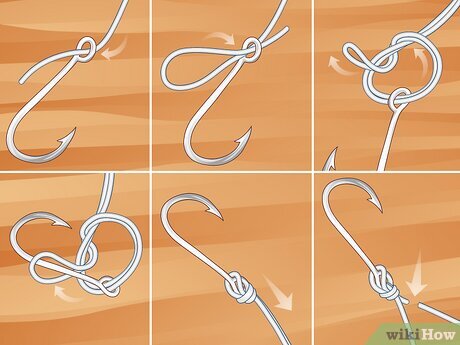
Are you tired of losing fish because your hook isn’t tied right? Knowing how to tie a hook to your fishing line is one of the most important skills every angler needs.
A strong, reliable knot can make the difference between landing a big catch or watching it slip away. In this guide, you’ll discover simple, step-by-step methods to tie your hook quickly and securely. Stick with me, and you’ll soon feel confident that your line won’t let you down when it counts the most.
Let’s get started!
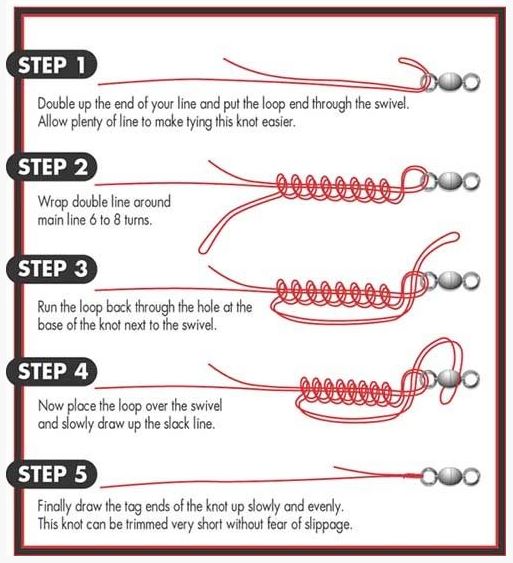
Credit: www.beadinggem.com
Essential Tools And Materials
Tying a hook to a fishing line needs the right tools and materials. This guide covers what you need to start.
Having the correct fishing line, hooks, and extra equipment helps make your fishing easier and more successful.
Types Of Fishing Lines
Fishing lines come in many types. Each type works best for different fish and fishing styles.
- Monofilament: Easy to handle and stretchable
- Fluorocarbon: Less visible underwater and more durable
- Braid: Very strong and thin, good for heavy fish
- Copolymer: A mix of monofilament and braid qualities
Variety Of Hooks
Hooks come in many shapes and sizes. Choose one that fits your fishing needs and target species.
| Hook Type | Description | Best Use |
| J-Hook | Classic shape, easy to tie | General fishing |
| Circle Hook | Reduces fish injury | Catch and release |
| Treble Hook | Three points for better hold | Lure fishing |
| Octopus Hook | Short shank, wide gap | Bait fishing |
Additional Equipment Needed
Besides line and hooks, some tools make tying easier and more secure.
- Scissors or line cutters to trim excess line
- Needle-nose pliers to hold hooks safely
- Hook sharpener to keep hooks sharp
- Bobbers and weights to control bait depth
Choosing The Right Knot
Tying a hook to a fishing line is important for a strong connection. The knot you choose affects how well the hook holds.
Picking the right knot depends on your fishing line and conditions. Some knots work better for certain lines.
Factors To Consider
Consider the type of fishing line you use. Some knots hold better on monofilament, others on braided lines.
Think about the size of the hook and the fish you want to catch. Stronger knots suit bigger fish and heavier lines.
- Line type: monofilament, fluorocarbon, or braided
- Hook size and strength needed
- Ease of tying the knot in low light
- How much the knot slips when wet
Popular Knot Types
The improved clinch knot is easy to tie and works well with most lines. It holds strong for small to medium fish.
The Palomar knot is very strong and works great with braided lines. It keeps the line from twisting.
- Improved Clinch Knot – good for monofilament lines
- Palomar Knot – strong and simple, best for braided lines
- Uni Knot – versatile and holds well on many lines
- Snell Knot – secures hook straight, good for bigger fish
Step-by-step Knot Tying
Tying a hook to your fishing line is a key skill for fishing success. A strong knot keeps your hook secure and helps catch fish.
This guide shows you how to tie three popular fishing knots. Each knot is easy to learn with clear steps.
The Improved Clinch Knot
The Improved Clinch Knot works well with monofilament and fluorocarbon lines. It is reliable and simple to tie.
- Thread the line through the hook eye.
- Wrap the tag end around the standing line five times.
- Pass the tag end through the loop near the hook eye.
- Then pass it through the big loop created.
- Moisten the knot and pull both ends to tighten.
The Palomar Knot
The Palomar Knot is strong and easy to tie. It works well with braided and monofilament lines.
| Step | Action |
|---|---|
| 1 | Double about 6 inches of line and pass it through the hook eye. |
| 2 | Tie a loose overhand knot with the doubled line. |
| 3 | Pass the hook through the loop of the overhand knot. |
| 4 | Pull on both the standing line and tag end to tighten. |
| 5 | Trim the tag end close to the knot. |
The Uni Knot
The Uni Knot works for many types of fishing lines. It is easy to tie and strong.
- Pass the line through the hook eye and double back parallel.
- Make a loop by laying the tag end over the doubled line.
- Wrap the tag end around the doubled line and through the loop 6 times.
- Moisten the knot and pull the tag end to tighten coils.
- Slide the knot to the hook eye and pull both ends tight.
Tips For Securing Strong Knots
Tying a hook to your fishing line needs strong knots. Strong knots keep your hook from slipping off. Learning how to tie and check knots is important for success.
Use simple steps to secure your knots. This helps catch more fish and avoids losing your hook or line.
Checking Knot Tightness
After tying the knot, pull the line hard to check tightness. The knot should not move or slip. A loose knot can cause your hook to fall off.
Make sure the knot is snug against the hook eye. Wet the line before pulling to avoid damage and help the knot set better.
- Pull the line firmly to test tightness
- Keep the knot close to the hook eye
- Wet the line before tightening the knot
- Retie if the knot slips or loosens
Testing Knot Strength
Test knot strength by applying steady pressure. Use your hand or a tool to pull the line. The knot should hold without breaking.
Try to twist and pull the knot to check its hold. A strong knot stays firm even under stress from fish or movement.
- Pull the line straight and steady
- Twist the knot slightly to test grip
- Look for any slipping or loosening
- Replace knots that show weakness
Maintaining Line Integrity
Keep your fishing line clean and smooth to protect knots. Dirt or damage weakens the line and knots. Check the line before tying.
Trim excess line near the knot to prevent tangles. Avoid sharp bends or twists that can cause breaks. Proper care helps knots last longer.
- Clean the line before tying knots
- Check for frays or damage
- Cut extra line close to the knot
- Avoid sharp bends near knots
Common Mistakes To Avoid
Tying a hook to your fishing line may seem simple. Yet, many anglers make small errors that cost them fish.
Avoiding common mistakes can improve your catch rate and keep your gear strong.
Ignoring Line Compatibility
Using the wrong hook size for your line weakens the knot. Thin lines need small hooks, and thick lines need bigger hooks.
- Match hook size to your line strength.
- Check the hook eye size matches your line thickness.
- Use appropriate knots for braided or monofilament lines.
Overlooking Proper Tightening
Tightening the knot too little or too much can cause failure. A loose knot slips; a tight one can damage the line.
| Common Tightening Errors | Effect |
| Not wetting the line before tightening | Friction weakens the line |
| Pulling too fast or hard | Line may snap or knot may fail |
| Leaving loops loose | Knot can slip off the hook |
Skipping Knot Testing
Many anglers skip testing the knot after tying. This can lead to lost fish and gear.
- Pull the line firmly to check the knot’s strength.
- Look for any slipping or loosening.
- Retie if the knot does not hold well.
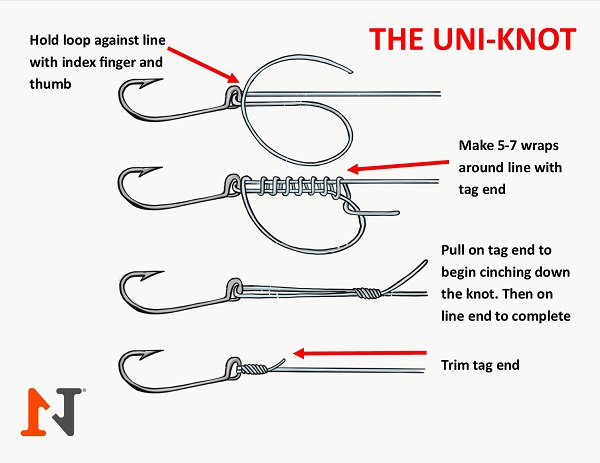
Credit: n1outdoors.com
Advanced Knot Techniques
Tying a hook to a fishing line is a basic skill. Advanced knots improve strength and reliability. These knots help keep your hook secure during fishing.
Below are two advanced knots: the Loop Knot and the Snell Knot. Each has unique benefits for different fishing situations.
The Loop Knot
The Loop Knot creates a small loop that allows the hook to move freely. This knot keeps the bait action natural in the water.
- Pass the line through the hook eye twice to form a loop.
- Wrap the tag end around the standing line and through the loop five times.
- Moisten the knot with water or saliva.
- Pull the tag end and standing line slowly to tighten the knot.
- Trim the excess tag end close to the knot.
The Snell Knot
The Snell Knot ties the line directly to the hook shank. It offers strong pulling power and keeps the hook aligned.
| Step | Action |
|---|---|
| 1 | Pass the line through the hook eye from the front. |
| 2 | Lay the tag end along the hook shank. |
| 3 | Wrap the tag end tightly around the shank and the line 6 to 8 times. |
| 4 | Moisten the knot before tightening. |
| 5 | Pull the tag end and standing line to secure the wraps. |
| 6 | Cut the tag end close to the wraps. |
Care And Maintenance
Proper care and maintenance keep your fishing gear reliable. Taking time to clean and check your equipment prevents damage.
Good habits extend the life of hooks, lines, and other tools. Let’s look at cleaning, storing, and inspecting your gear.
Cleaning And Storing Equipment
After each fishing trip, rinse your hooks and lines with fresh water. This removes salt, dirt, and debris that cause rust and wear.
- Use a soft cloth to dry your gear completely.
- Store hooks in a dry container to avoid moisture.
- Keep fishing lines away from direct sunlight to prevent damage.
- Organize your equipment to avoid tangles and breaks.
Regular Inspection
Check your fishing hooks and lines regularly for signs of damage. Look for rust, bends, or frays that can weaken your setup.
| Item | What to Check | Action |
| Hook | Rust, sharpness, bends | Replace or sharpen if dull or bent |
| Fishing Line | Frays, knots, stiffness | Cut damaged parts or replace line |
| Swivels and Connectors | Corrosion, movement | Clean or replace if stiff or rusted |

Credit: www.ohero.com
Frequently Asked Questions
How Do I Tie A Fishing Hook To The Line?
To tie a hook, start with a strong knot like the improved clinch knot. Thread the line through the hook eye, wrap it around 5-7 times, then pass the tag end through the loop near the eye. Pull tight to secure.
What Is The Strongest Knot For Fishing Hooks?
The Palomar knot is one of the strongest knots. It is simple and retains high line strength. This knot works well with braided and monofilament lines, ensuring your hook stays secure during fishing.
Can I Tie A Hook Without Tools?
Yes, you can tie a hook without tools. Use your fingers to create loops and wraps. Practice helps to improve speed and knot strength. This method is handy when fishing outdoors without extra gear.
How Often Should I Check My Hook Knot?
Check your hook knot before every fishing session. Also, inspect it after catching a fish or snagging. Wet lines can weaken knots, so retie if the knot looks worn or loose.
Conclusion
Tying a hook to your fishing line is an important skill. It helps keep your bait secure and catches fish better. Practice the steps slowly until you feel confident. A strong knot means fewer lost fish and less frustration. Try different knots to see what works best for you.
Keep your line tight and neat every time. Remember, patience and practice make fishing more fun. Now, you are ready to fish with confidence and catch more.