Are you struggling to keep the right humidity levels in your grow tent? Too much moisture can lead to mold and pests, while too little can stunt your plants’ growth.
Controlling humidity isn’t just a nice-to-have—it’s key to a healthy, thriving garden. You’ll discover simple, effective ways to manage humidity so your plants get exactly what they need. Keep reading to unlock the secrets that will help you take full control of your grow environment and boost your harvest like never before.
Importance Of Humidity Control
Humidity control is key to healthy plant growth inside a grow tent. Proper humidity helps plants absorb water and nutrients well.
Too much or too little humidity can cause problems. It can slow growth or bring pests and diseases.
Preventing Mold And Mildew
High humidity creates a wet environment. This helps mold and mildew grow on plants and soil.
Controlling humidity stops mold spores from spreading. It keeps your grow tent clean and safe.
Promoting Healthy Plant Growth
Plants need the right humidity to grow strong. Low humidity can dry out leaves and slow growth.
Good humidity levels help plants breathe and take in water. This makes them healthier and more productive.
Controlling Pests And Diseases
Many pests like spider mites and fungus thrive in wrong humidity. Too high or too low levels invite these problems.
Keeping humidity balanced makes the environment less friendly for pests. This lowers the chance of infestations.
Improving Nutrient Uptake
Humidity affects how plants absorb nutrients from the soil. Proper levels help roots take nutrients better.
Good humidity ensures plants get enough water. This supports nutrient flow and healthy growth.

Credit: www.spider-farmer.com
Optimal Humidity Levels
Controlling humidity in a grow tent helps plants grow healthy. Humidity affects water absorption and nutrient uptake.
Different growth stages need different humidity levels. Keeping the right humidity improves plant health and yield.
Seedling Stage
Seedlings need high humidity to stay moist and develop roots. Aim for 65% to 70% humidity at this stage.
High humidity helps prevent seedlings from drying out. Use a humidity dome or mist the plants regularly.
- Keep humidity between 65% and 70%
- Use humidity dome or spray water
- Avoid strong air movement
Vegetative Stage
During vegetative growth, plants like moderate humidity. Keep levels around 40% to 60% for best growth.
Too much humidity can cause mold. Too little can stress plants. Use a humidifier or dehumidifier to adjust levels.
- Maintain 40% to 60% humidity
- Use fans for air circulation
- Monitor humidity daily
Flowering Stage
Lower humidity is best during flowering to avoid mold and bud rot. Keep humidity between 40% and 50%.
Use dehumidifiers and good airflow. Check humidity often to protect flowers and improve quality.
- Keep humidity at 40% to 50%
- Use dehumidifier if needed
- Ensure strong air circulation
Tools For Monitoring Humidity
Keeping the right humidity in your grow tent is very important. You need tools to measure humidity levels correctly.
These tools help you see if you need to add or remove moisture. Two common tools are hygrometers and smart sensors.
Hygrometers
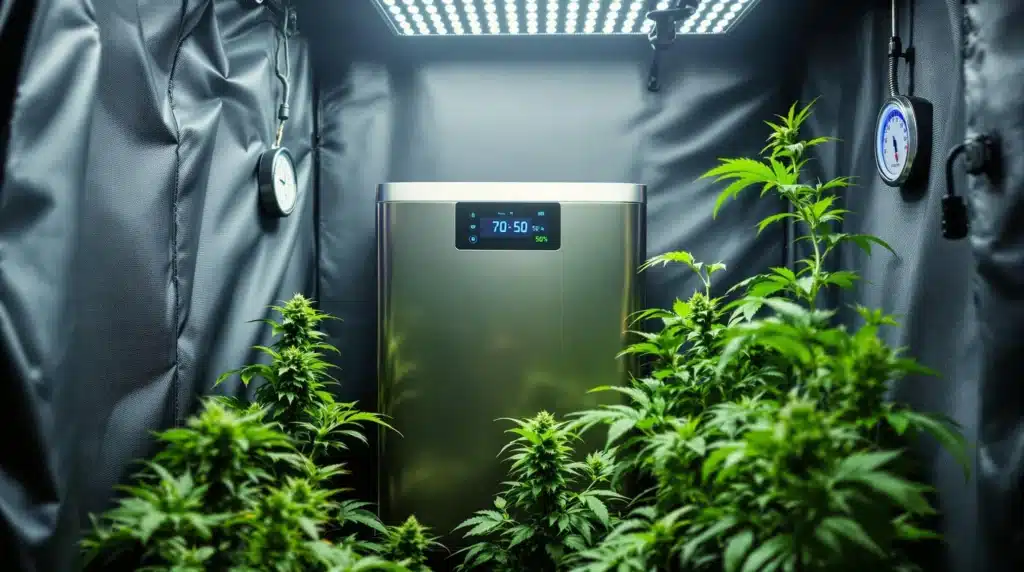
Hygrometers are devices that measure the moisture in the air. They are simple and easy to use in grow tents.
- Analog hygrometers use a dial to show humidity.
- Digital hygrometers display numbers for accuracy.
- Some models also measure temperature.
- They are usually small and can hang inside the tent.
Smart Sensors
Smart sensors connect to apps on your phone or computer. They give real-time humidity data and alerts.
| Feature | Benefit |
| Remote monitoring | Check humidity anytime from anywhere |
| Alerts | Get notified if humidity is too high or low |
| Data logging | Track humidity trends over days or weeks |
| Multiple sensors | Monitor different tent zones |

Credit: www.reddit.com
Methods To Increase Humidity
Controlling humidity in a grow tent is vital for healthy plant growth. Too low humidity can stress plants, while too high can cause mold.
Here are some simple ways to raise humidity inside your grow tent effectively.
Humidifiers
Humidifiers add moisture to the air by releasing water vapor. They are easy to use and adjust to the desired humidity level.
- Ultrasonic humidifiers produce a cool mist quickly.
- Evaporative humidifiers use a fan and wick filter.
- Warm mist humidifiers boil water before releasing vapor.
- Choose one with a built-in humidistat for better control.
Water Trays
Water trays increase humidity by allowing water to evaporate slowly inside the tent. This method is simple and cheap.
| Type of Tray | Placement | Evaporation Rate |
| Shallow Tray | Near Plants | Moderate |
| Deep Tray | Under Lights | High |
| Tray with Wicking Material | On Tent Floor | Controlled |
Misting
Misting sprays water droplets in the grow tent air. It gives a quick boost to humidity and cools down the environment.
- Use a spray bottle for small tents or spot misting.
- Automated misting systems offer regular humidity increases.
- Avoid over-misting to prevent water buildup on plants.
Methods To Decrease Humidity
Controlling humidity in a grow tent is important for healthy plants. High humidity can cause mold and slow plant growth.
There are several ways to lower humidity inside the tent. Using the right tools and methods helps keep plants safe and happy.
Dehumidifiers
Dehumidifiers remove moisture from the air inside the grow tent. They keep humidity at a stable and safe level for plants.
These devices come in different sizes. Choose one that fits your grow tent space and humidity needs.
- Set the dehumidifier to the desired humidity level
- Empty the water container regularly
- Place it where air flows well inside the tent
Ventilation
Good ventilation helps control humidity by moving moist air out. It brings fresh air in and stops moisture build-up.
Use fans and exhaust systems to improve air flow. Make sure air moves evenly inside the grow tent.
- Use an exhaust fan to remove humid air
- Use an intake fan to bring dry air in
- Keep fans running during grow cycles
Silica Gel
Silica gel absorbs moisture from the air. It is a simple and cheap way to reduce humidity in small spaces.
Place silica gel packs inside the grow tent. Replace or recharge them when they become saturated.
- Use silica gel near plants or equipment
- Check packs often for moisture
- Dry or replace packs to keep them effective
Maintaining Consistent Humidity
Controlling humidity inside a grow tent helps plants grow well. Too much or too little moisture can harm plants.
Keeping humidity steady creates a better growing environment. It helps avoid diseases and promotes healthy roots.
Regular Monitoring
Check humidity levels often to keep them steady. Use a reliable hygrometer inside the tent for accurate readings.
Write down the humidity numbers daily. This helps you notice changes and fix problems fast.
- Place the hygrometer at plant level
- Check readings at the same time each day
- Record humidity in a log or notebook
- Look for spikes or drops in humidity
Automated Systems
Use humidifiers or dehumidifiers that turn on and off automatically. These devices keep humidity in a set range.
Connect these devices to a digital controller. The controller reads the humidity and adjusts the equipment as needed.
- Set desired humidity levels on the controller
- Humidifier adds moisture when air is dry
- Dehumidifier removes moisture when air is wet
- Automatic fans help air circulate evenly
Impact Of Humidity On Plant Health
Humidity controls the moisture level in the air inside a grow tent. It directly affects how plants grow and stay healthy. Keeping the right humidity helps plants absorb water and nutrients well.
Too much or too little humidity can harm plants. It can slow growth, attract pests, or cause diseases. Learning to control humidity improves plant health and yield.
Growth Rate
Proper humidity supports fast and healthy plant growth. Plants breathe through tiny holes that need moisture in the air. If humidity is too low, plants lose water quickly and grow slower.
High humidity helps plants keep water and nutrients. It also makes the leaves soft and strong. Keeping humidity in the right range speeds up the growth rate.
Pest Prevention
Pests like mites and fungus gnats thrive in certain humidity levels. Low humidity can dry out some pests, but it may help others spread. High humidity often creates a good home for pests.
Controlling humidity reduces pest problems. It makes the grow tent less inviting for pests and helps keep plants safe.
- Keep humidity balanced to avoid pest growth
- Use a dehumidifier or humidifier if needed
- Check plants often for signs of pests
Disease Control
Too much humidity can cause mold and mildew on plants. These diseases harm leaves and stems. They reduce the plant’s ability to grow and make flowers or fruits.
Lower humidity helps keep fungal diseases away. It keeps air moving and stops moisture from building up on leaves.
- Keep humidity below 60% to prevent mold
- Use fans for good air circulation
- Remove dead leaves and debris regularly
Common Mistakes And Solutions
Controlling humidity in a grow tent is important for healthy plants. Many growers make simple mistakes that cause problems. Fixing these errors helps plants grow better.
This guide covers common mistakes and how to solve them. Learn to avoid overwatering, improve ventilation, and keep equipment in good shape.
Overwatering
Overwatering raises humidity levels inside the grow tent. This can cause mold and root rot. It also stops plants from getting enough oxygen.
Only water plants when the topsoil feels dry. Use pots with good drainage to stop water buildup. Check humidity regularly to keep it in the right range.
- Water less often and in smaller amounts
- Use pots with holes for drainage
- Check soil moisture before watering
- Monitor humidity with a hygrometer
Improper Ventilation
Poor airflow traps moisture inside the tent. This increases humidity and causes heat buildup. Plants may suffer and pests may appear.
Use fans and vents to move air in and out. Fresh air lowers humidity and brings carbon dioxide to plants. Keep vents open and fans running during grow cycles.
- Install intake and exhaust fans
- Open vents to allow fresh air
- Use oscillating fans for even airflow
- Check airflow daily to avoid stagnation
Neglecting Equipment Maintenance
Dirty or broken equipment can raise humidity. Filters and fans get clogged with dust and debris. This lowers their efficiency and causes moisture problems.
Clean and check all equipment regularly. Replace damaged parts fast. Proper maintenance helps control humidity and keeps plants healthy.
- Clean fan blades and vents monthly
- Replace air filters when dirty
- Inspect equipment for damage often
- Fix or replace broken parts immediately
Credit: blimburnseeds.com
Frequently Asked Questions
How To Reduce High Humidity In A Grow Tent?
To reduce high humidity, use a dehumidifier or improve ventilation. Increase airflow with fans and open vents. Avoid overwatering plants and use moisture-absorbing materials like silica gel or activated charcoal.
What Is The Ideal Humidity Level For A Grow Tent?
Ideal humidity varies by plant stage. Seedlings need 65-70%, vegetative stage 40-70%, and flowering stage 40-50%. Maintaining proper levels prevents mold, pests, and promotes healthy growth.
Can A Humidifier Help In Grow Tents?
Yes, a humidifier raises low humidity levels. It’s useful during dry seasons or when heating reduces moisture. Set the humidifier to maintain the ideal humidity for your plants.
How Often Should I Monitor Humidity In My Grow Tent?
Check humidity daily with a reliable hygrometer. Frequent monitoring helps maintain consistent levels. Adjust ventilation, humidifiers, or dehumidifiers promptly to avoid stress on plants.
Conclusion
Controlling humidity in your grow tent keeps plants healthy and strong. Use tools like humidifiers or dehumidifiers to adjust moisture levels. Ventilation helps air move and stops mold growth. Check humidity often to keep it just right. Small steps can make a big difference in plant growth.
Stay patient and watch your garden thrive with balanced humidity.