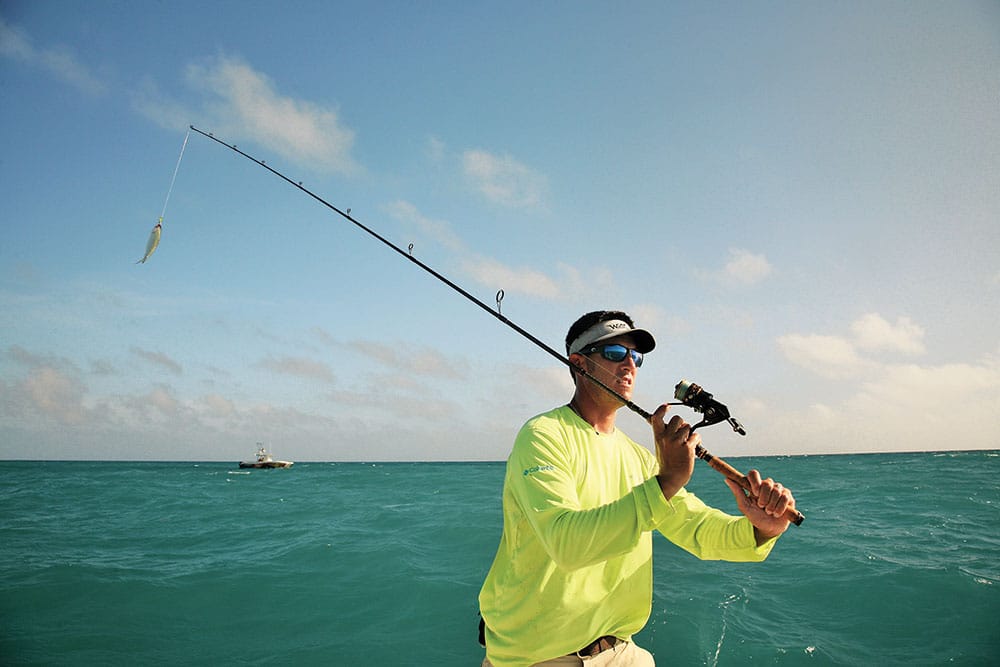
Are you ready to catch your next big fish but unsure how to cast a line fishing the right way? Casting might seem tricky at first, but once you learn the simple steps, it becomes second nature.
Imagine the thrill of watching your bait glide smoothly across the water, landing just where you want it. This guide will show you exactly how to cast a line fishing with confidence and skill. Keep reading, and you’ll be ready to enjoy more successful and fun fishing trips in no time.
Choosing The Right Equipment
Choosing the right fishing equipment helps improve your fishing experience. It makes casting easier and more fun.
This guide covers how to pick the best rod, reel, and line for your fishing needs.
Selecting The Ideal Rod
Pick a rod that feels comfortable in your hand. The rod’s length and power depend on the fish you want to catch.
- Short rods are good for small fish and tight spaces.
- Long rods help cast far and work well for big fish.
- Light power rods suit small fish and light lures.
- Heavy power rods handle big fish and heavy baits.
Picking The Perfect Reel
Choose a reel that matches your rod and fishing style. The main types are spinning, baitcasting, and spincast reels.
| Reel Type | Best For | Ease of Use |
| Spinning | Beginners and light fishing | Easy |
| Baitcasting | Experienced anglers and heavy lures | Moderate |
| Spincast | Kids and casual fishing | Very easy |
Choosing The Right Line
The fishing line must fit your rod and reel. Line strength and type affect your fishing success.
- Monofilament lines are stretchy and cheap.
- Fluorocarbon lines are less visible and sink fast.
- Braid lines are very strong and thin but visible.
- Match line strength to your target fish size.

Credit: www.willyswilderness.org
Mastering Casting Techniques
Casting is a key skill in fishing. Good casting helps you reach the best spots.
Different casts work best in different situations. Learn these three main types.
Overhead Cast Basics
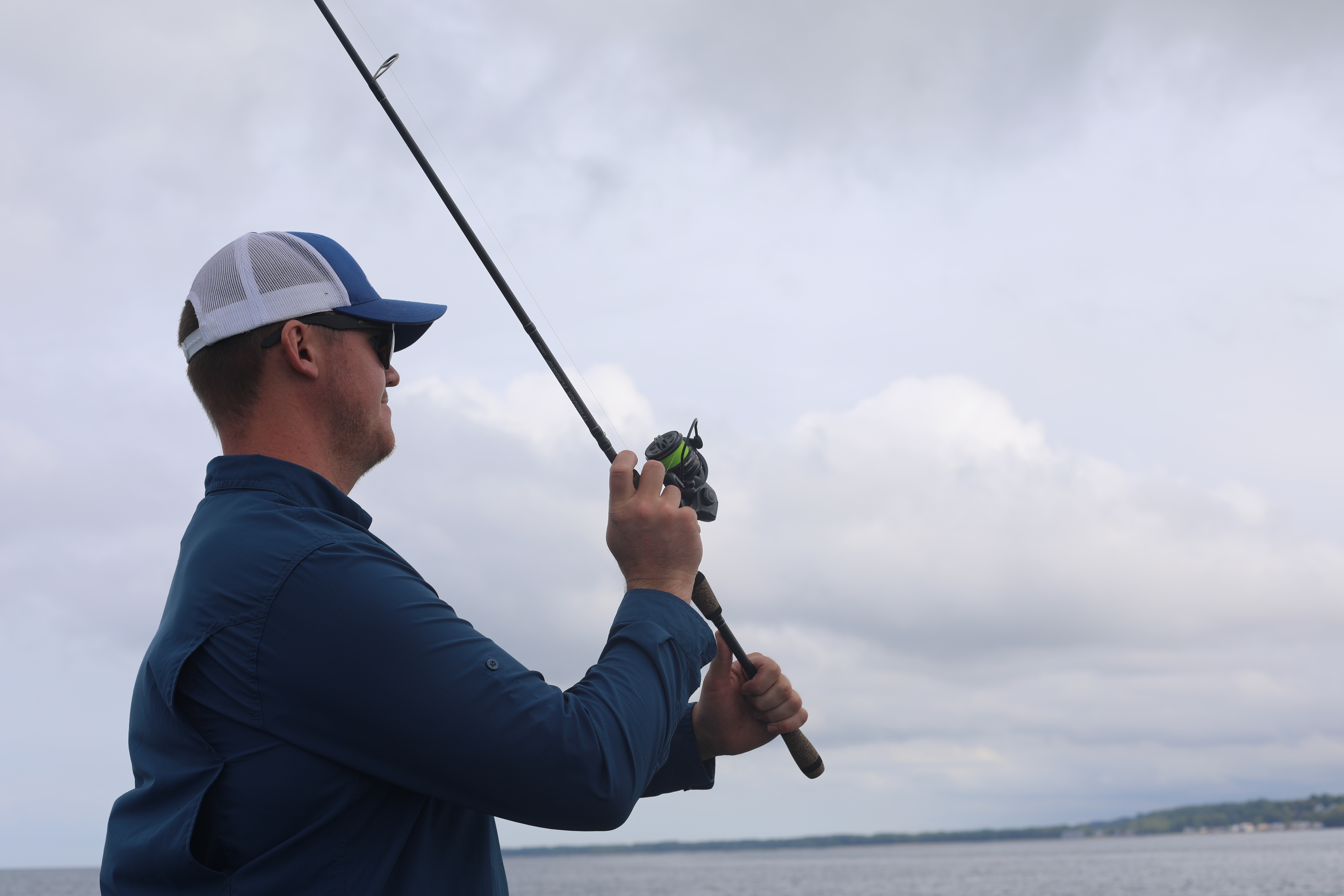
The overhead cast is the most common method. It uses a simple forward motion.
- Hold the rod with your dominant hand.
- Bring the rod tip behind you.
- Smoothly swing the rod forward.
- Release the line at the right moment.
- Follow through with your arm to guide the line.
Sidearm Cast Tips
The sidearm cast helps when you have low overhead space. It is a horizontal motion.
| Tip | Reason |
| Keep the rod low | Avoids hitting obstacles above |
| Use a smooth, sideways motion | Improves distance and accuracy |
| Release the line early | Prevents slack in the line |
| Practice timing | Better control of the cast |
Roll Cast Essentials
The roll cast is useful when you can’t do a back cast. It uses water to help the line.
Follow these steps:
- Place the rod tip near the water surface.
- Pull the rod back slowly to form a loop on the water.
- Push the rod forward smoothly to roll the line out.
- Release the line as it unrolls.
Improving Accuracy
Casting a fishing line well helps catch more fish. Accuracy is key to place the bait where fish swim.
Practicing certain skills can improve your casting aim and make fishing easier and more fun.
Understanding Casting Angles
Choose the right angle to cast your line. The angle affects how far and where the bait lands.
- For short distances, keep your rod low and cast gently.
- To reach far spots, raise the rod high and use a strong cast.
- Adjust angles to avoid obstacles like trees or rocks.
Adjusting For Wind Conditions
Wind can push your line off target. Learn to change your cast to match wind speed and direction.
| Wind Condition | Casting Tip |
| Light wind | Cast normally, but aim slightly upwind |
| Strong wind | Use a lower angle and shorter cast |
| Crosswind | Adjust aim to compensate for wind pushing sideways |
Practicing With Targets
Practice casting by aiming at targets. This builds control and confidence.
Try these target ideas:
- Float small objects on water and aim to land near them
- Set up markers on the shore to hit with your bait
- Use rings or hoops to practice precision casting

Credit: fishingbooker.com
Enhancing Casting Distance
Casting distance is important for fishing success. The farther you cast, the more water you can cover.
Improving your cast takes practice and the right techniques. Small changes can add big distance.
Optimizing Body Positioning
Stand with your feet shoulder-width apart for balance. Keep your body relaxed but ready.
Turn your shoulders away from the target before casting. This helps create more force.
- Face sideways to the casting direction
- Bend your knees slightly
- Shift weight from back foot to front foot during the cast
Utilizing Proper Grip Techniques
Hold the rod firmly but not too tight. A loose grip allows smoother movement.
Place your thumb on top of the rod handle. This improves control and power transfer.
- Use your index finger to guide the line
- Keep your grip consistent every cast
- Avoid gripping too hard to reduce fatigue
Incorporating Power In Casts
Use your whole body to add power, not just your arm. The cast is a fluid motion.
Start the cast slow, then speed up as you bring the rod forward. Finish with a strong follow-through.
- Load the rod by pulling it back smoothly
- Accelerate the rod forward with your shoulders and arms
- Complete the motion with a firm wrist snap
Common Casting Mistakes
Fishing is fun but can be tricky. Many beginners make simple casting mistakes. These errors can waste time and scare fish away.
Fixing these mistakes helps you catch more fish and enjoy your time by the water.
Avoiding Overpowering The Cast
Using too much force when casting can cause poor control. The line may snap or tangle. It also tires your arm quickly.
- Use a smooth, steady motion instead of a hard throw.
- Let the rod do most of the work by flexing it gently.
- Practice short casts before trying long distances.
- Keep your wrist relaxed to avoid jerky movements.
Preventing Line Tangles
Line tangles are common and can ruin a good fishing day. They happen when the line twists or loops during casting.
| Cause | How to Fix |
| Loose line on spool | Tighten the line before casting |
| Wrong reel drag setting | Adjust drag for smooth line release |
| Overlapping casts | Space casts and avoid quick repeats |
| Improper rod angle | Keep rod tip high during cast |
Correcting Poor Timing
Timing your cast is key. Casting too early or late causes weak or off-target throws. This mistake wastes bait and time.
Try this simple timing check:
- Start your cast with the rod behind you.
- Move the rod forward smoothly.
- Release the line when the rod tip reaches eye level.
- Practice watching the line fly to improve timing.
Maintaining Equipment
Taking care of your fishing gear helps it last longer. Good maintenance keeps equipment working well.
Regular upkeep prevents problems and saves money. It also makes fishing trips more enjoyable.
Cleaning And Storing Gear
After fishing, clean your rod, reel, and line. Remove dirt, salt, and debris to stop damage.
Store gear in a dry, cool place away from sunlight. Proper storage stops rust and wear.
- Rinse reels with fresh water after use
- Wipe rods with a soft cloth
- Keep lines dry before storing
- Use protective cases for rods and reels
Routine Inspections And Repairs
Check your fishing gear often. Look for cracks, rust, or loose parts.
Fix small problems early to avoid big repairs later. Tighten screws and oil moving parts.
- Inspect rod guides for cracks or bends
- Check reel handles and knobs for smooth movement
- Look for frayed or weak fishing line
- Lubricate reel gears regularly
Replacing Worn-out Parts
Parts wear out with use. Replace worn lines, hooks, and guides to keep gear safe.
Use parts that match your equipment. This keeps your fishing gear working like new.
- Change fishing line after many uses or damage
- Replace bent or broken rod guides
- Swap old hooks for sharp, rust-free ones
- Update reel parts if they do not work smoothly
Credit: www.fishusa.com
Frequently Asked Questions
How Do I Cast A Fishing Line Properly?
Hold the rod firmly, release the line smoothly, and flick the rod forward. Timing and control help the bait land accurately.
What Type Of Fishing Rod Is Best For Casting?
A medium-action spinning rod is ideal for beginners. It offers good control and distance for most fishing situations.
How Far Should I Cast My Fishing Line?
Cast far enough to reach fish habitats but within your control range. Practice improves distance and accuracy over time.
When Is The Best Time To Cast For Fishing?
Early morning and late evening are prime times. Fish are more active and feeding during these low-light hours.
Conclusion
Casting a line fishing takes practice and patience. Start slow and focus on your form. Keep your grip steady and eyes on the target. Remember, each cast helps you improve. Enjoy the calm and quiet of the water. Fishing is not just about catching fish.
It’s about spending time outdoors and relaxing. Try different techniques to see what works best. Soon, casting will feel natural and fun. Keep learning and enjoy every fishing trip.