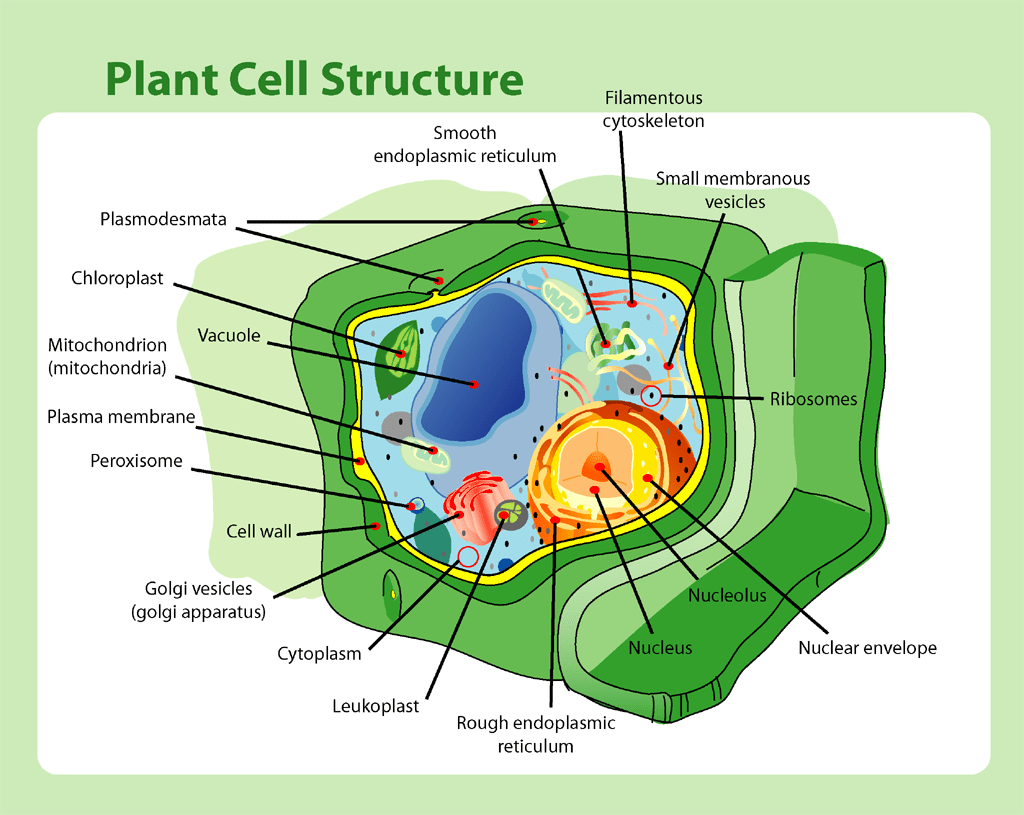
Have you ever wondered how plants keep their food safe and ready to use? Just like you store snacks in your kitchen, plant cells have special places to hold their food.
Understanding where plants store food helps you appreciate how they grow and stay healthy. You’ll discover the secret spot inside plant cells that acts like a pantry. Keep reading to uncover how plants manage their energy and why it matters to you!

Credit: owlcation.com
Plant Cell Structure
Plant cells have many parts that help them live and grow. Some parts store food for the plant.
Understanding these parts helps us know how plants use and keep their food.
Basic Components
Plant cells have a cell wall, cell membrane, cytoplasm, and a nucleus. These parts keep the cell safe and working.
The cell wall is strong and gives shape. The cell membrane controls what goes in and out.
- Cell wall protects and supports the cell
- Cell membrane controls entry and exit
- Cytoplasm holds all the parts inside
- Nucleus controls cell activities
Role Of Organelles
Organelles are small parts inside the cell. Each organelle has a job to do.
Chloroplasts make food by photosynthesis. Vacuoles store food, water, and waste.
- Chloroplasts:Use sunlight to make food
- Vacuoles:Store food and water for later use
- Mitochondria:Produce energy from food
Chloroplasts
Chloroplasts are special parts inside plant cells. They store food and help plants make energy.
These tiny structures contain a green pigment called chlorophyll. Chlorophyll captures sunlight for the plant.
Photosynthesis Process
Photosynthesis happens inside chloroplasts. It uses sunlight, water, and carbon dioxide to make food.
- Sunlight is absorbed by chlorophyll.
- Water from roots splits into oxygen and hydrogen.
- Carbon dioxide enters leaves through tiny holes.
- Oxygen is released into the air.
- Hydrogen and carbon dioxide combine to form glucose.
Glucose Production
Glucose is the food made by plants. Chloroplasts store glucose as starch for later use.
| Glucose Use | Description |
| Energy | Plants break down glucose to get energy. |
| Growth | Glucose helps build new cells and tissues. |
| Storage | Excess glucose turns into starch in chloroplasts. |
Vacuoles
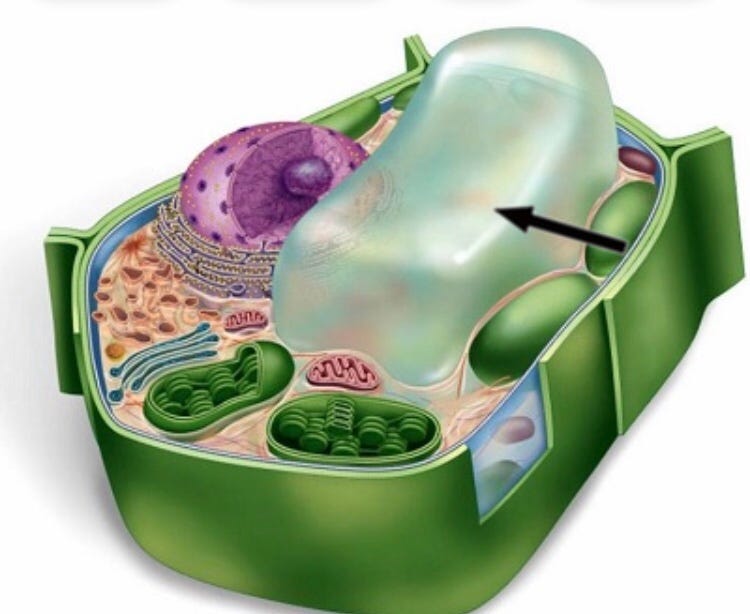
Vacuoles are large sacs found inside plant cells. They play a key role in storing food and other substances. These sacs help keep the cell healthy and stable.
Plant cells can have one big vacuole or several small ones. The vacuole holds materials that the cell needs for growth and survival.
Storage Functions
Vacuoles store many important substances. These include nutrients, waste products, and pigments. They also keep harmful materials away from the rest of the cell.
- Store proteins and sugars
- Hold waste products safely
- Contain pigments that give color to flowers
- Keep enzymes for breaking down substances
Nutrient And Water Reservoir
The vacuole acts as a reservoir for nutrients and water. It helps maintain the cell’s pressure, which keeps the plant upright.
| Function | Description |
| Water Storage | Holds water to keep cell firm and hydrated |
| Nutrient Storage | Stores minerals and sugars for cell use |
| Turgor Pressure | Keeps the plant rigid by pressing cell membrane outward |

Credit: smartclass4kids.com
Amyloplasts
Amyloplasts are special parts inside plant cells. They store food in the form of starch.
These organelles help plants keep energy for later use. They are important for plant growth and survival.
Starch Storage
Amyloplasts make and store starch grains inside plant cells. Starch is a carbohydrate that plants use as food.
The starch inside amyloplasts appears as small, round grains. These grains serve as a food reserve for the plant.
Energy Reserve
Plants break down starch in amyloplasts to release energy. This energy helps plants grow and repair themselves.
Amyloplasts act like a battery. They store energy and give it back when the plant needs it.
Role Of Mitochondria
Mitochondria are tiny parts inside plant cells. They help change food into energy the cell can use.
These cell parts play a big role in keeping the plant alive and active by making energy from stored food.
Energy Conversion
Mitochondria convert food molecules into energy. They take sugars made by the plant and turn them into usable power.
- Break down glucose from stored starch
- Use oxygen to help release energy
- Produce molecules that carry energy to the cell
Atp Production
The main energy molecule made by mitochondria is ATP. It powers many tasks inside plant cells.
| ATP Role | Cellular Use |
| Energy storage | Holds energy for quick use |
| Power source | Drives chemical reactions |
| Transport aid | Helps move molecules inside the cell |
Cell Wall And Storage
Plant cells have special parts that help store food and keep the cell strong. The cell wall is one of these parts.
The cell wall gives the plant cell shape and protects it. Plants also store food inside the cell in different forms.
Structural Support
The cell wall is made of tough fibers called cellulose. It surrounds the plant cell and acts like a strong shield.
This wall keeps the cell firm and stops it from bursting when water enters. It helps plants stand tall and grow.
Storage Of Polysaccharides
Plants store food in the form of polysaccharides like starch. These are long chains of sugar molecules.
Starch is stored inside special parts called plastids. It gives plants energy when they need it.
- Starch is the main food storage in plants
- It is stored in plastids inside the cell
- Polysaccharides provide energy to the plant
Interplay Of Storage Mechanisms
Plant cells store food mainly as starch and oils. Different parts of the cell work together to store and manage these nutrients.
Storage is not done by one organelle alone. Several organelles coordinate to keep energy ready for the plant.
Coordination Among Organelles
Chloroplasts produce glucose through photosynthesis. They convert glucose into starch for storage.
Amyloplasts are special organelles that store starch granules. They keep starch safe and ready to use.
- Chloroplasts make sugars and starch
- Amyloplasts store starch in roots and seeds
- Vacuoles hold sugars and other nutrients
Efficient Resource Management
Plant cells balance food storage and use. They release stored starch when the plant needs energy.
Vacuoles help by storing sugars and ions. This keeps the cell healthy and ready for changes.
- Store food during the day for night use
- Convert starch back to sugar when needed
- Keep balance to avoid waste and damage
Impact On Plant Growth
Plant cells store food mainly in the form of starch inside plastids called amyloplasts. This stored food provides energy for the plant to grow and develop. Understanding how food storage affects plant growth helps us see how plants survive and thrive.
Food storage in plant cells influences many aspects of growth. Plants use these energy reserves to build new cells, repair damage, and adapt to changing conditions.
Nutrient Availability
Stored food supports nutrient availability in plants by providing energy for nutrient uptake and transport. Plants need energy to absorb minerals from the soil and move them to where they are needed.
- Starch storage gives plants energy during low sunlight.
- Stored sugars help roots absorb nutrients from the soil.
- Food reserves allow plants to survive short nutrient shortages.
- Energy from stored food supports growth in new leaves and shoots.
Growth And Development
Food storage in plant cells directly affects growth and development. Plants use stored energy to build cell walls, create new tissues, and produce flowers and fruits.
| Growth Stage | Role of Stored Food |
|---|---|
| Seed Germination | Provides energy before leaves form |
| Vegetative Growth | Supports cell division and elongation |
| Flowering | Supplies energy for flower and fruit development |
| Stress Periods | Helps plants survive drought or low light |
Implications For Agriculture
Plant cells store food mainly in the form of starch inside structures called plastids. This storage plays a key role in plant growth and energy supply. Understanding how plants store food can help farmers improve crop production and sustainability.
By focusing on food storage in plant cells, agriculture can benefit from better crop yields and eco-friendly farming methods. This knowledge supports developing plants that use nutrients more efficiently.
Enhancing Crop Yields
Food stored in plant cells provides energy for seed development and growth. Increasing this storage can lead to bigger and healthier crops. Scientists work to breed plants with improved starch storage for higher yields.
- Develop plant varieties with larger starch storage cells
- Use fertilizers that promote nutrient absorption
- Apply irrigation techniques that support cell health
- Monitor storage organ development during growth
- Harvest crops at optimal times for maximum energy content
Sustainable Practices
Storing food efficiently in plant cells can reduce the need for chemical inputs. This leads to farming that protects soil and water. Farmers can use natural methods to boost plant food storage and promote long-term farm health.
| Practice | Benefit |
| Crop rotation | Improves soil nutrients |
| Reduced tillage | Protects soil structure |
| Organic fertilizers | Enhances natural nutrient supply |
| Cover crops | Prevents erosion |
| Water conservation | Maintains plant cell hydration |
Credit: medium.com
Frequently Asked Questions
What Organelle Stores Food In Plant Cells?
The vacuole is the main organelle that stores food in plant cells. It contains nutrients like sugars and starches. The vacuole also helps maintain cell pressure and stores waste products.
How Do Plant Cells Store Starch?
Plant cells convert excess glucose into starch for storage. Starch is stored in plastids called amyloplasts. This stored starch can be broken down later for energy.
Why Is The Vacuole Important For Food Storage?
The vacuole stores nutrients and maintains cell rigidity. It holds sugars, ions, and other food molecules. This storage supports plant growth and metabolism during scarcity.
Can Chloroplasts Store Food In Plant Cells?
Chloroplasts mainly produce food via photosynthesis but do not store it. They convert light energy into glucose, which is then stored elsewhere. Storage occurs primarily in vacuoles and amyloplasts.
Conclusion
Plant cells store food mainly in the form of starch inside special parts called plastids. These starch granules provide energy for the plant when needed. Understanding this process helps us learn how plants grow and survive. Food storage keeps plants healthy and supports their life cycle.
Simple but important—this storage system works silently inside every plant cell. Knowing where plants keep food gives insight into nature’s smart design. It’s fascinating how such small parts make a big difference in plant life.