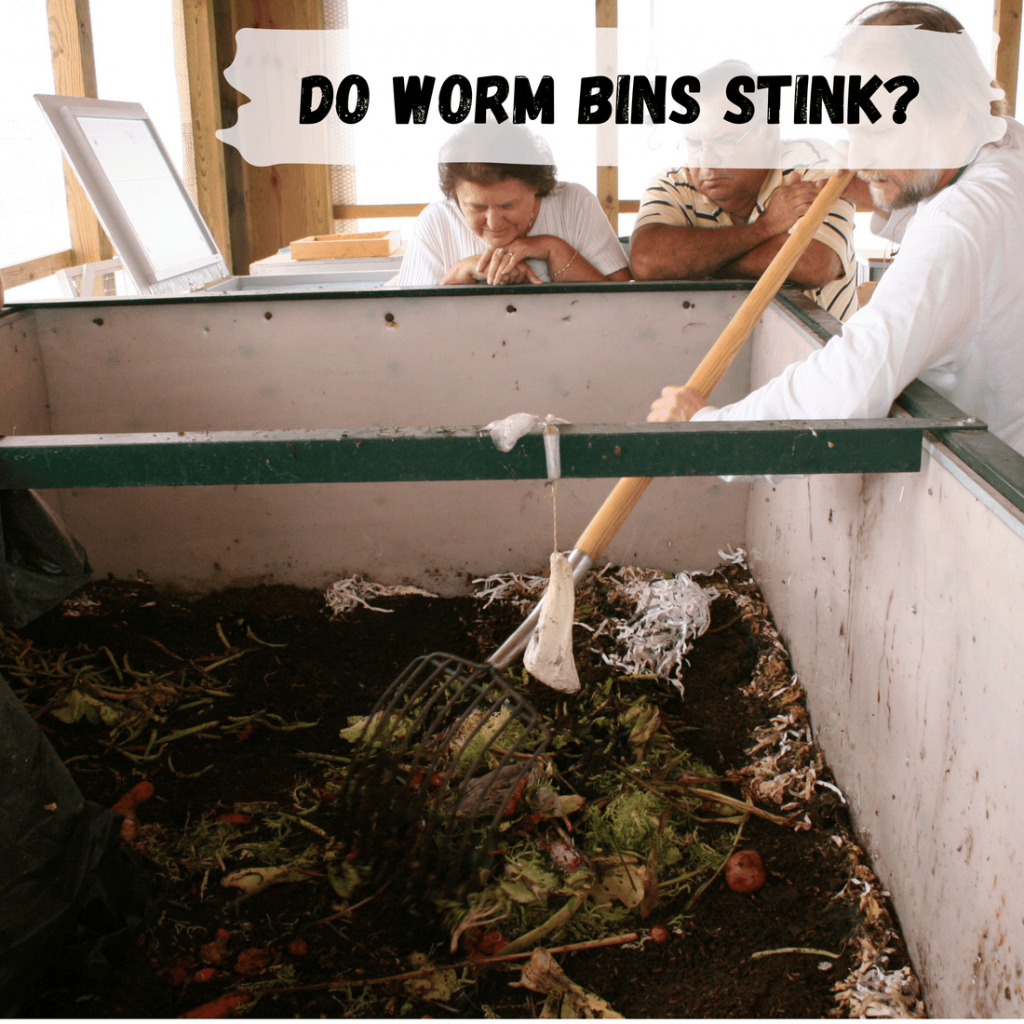
Are you thinking about starting a compost bin but worried about unpleasant smells? You’re not alone.
Many people hesitate because they imagine their compost pile turning into a smelly mess. The good news is, compost bins don’t have to stink. In fact, with the right approach, your compost can actually smell fresh or even odorless. If you want to learn how to keep your compost bin smelling good and avoid common mistakes that cause bad odors, keep reading.
Your garden—and your nose—will thank you!
Common Compost Bin Myths
Many people avoid composting because they think compost bins smell bad. These ideas come from myths that are not true. Learning the facts helps you compost without worries.
Compost bins work well when used correctly. Let’s look at some common myths and explain the truth behind them.
Myth: Compost Bins Always Smell Bad
People think compost bins smell like garbage or rotten food. This happens only if the bin is not cared for properly. A well-maintained compost bin has a fresh, earthy smell.
Myth: You Can Compost Any Food Waste
Not all food waste belongs in a compost bin. Meat, dairy, and oily foods can cause bad odors and attract pests. Stick to composting fruit, vegetables, coffee grounds, and eggshells.
Myth: Composting Is Too Hard To Manage
Some people think composting requires too much work or special knowledge. Actually, it is easy if you follow simple steps. Turning your compost and adding the right materials keeps it healthy.
Myth: Compost Bins Attract Rats And Insects
Many worry that compost bins bring pests. This happens if the bin has meat scraps or is left open. Using a covered bin and avoiding certain wastes keeps pests away.
- Use a sealed compost bin
- Avoid adding meat or dairy
- Turn compost regularly
- Keep compost moist, not wet
- Place bin in a shaded area
Myth: Composting Takes Too Long
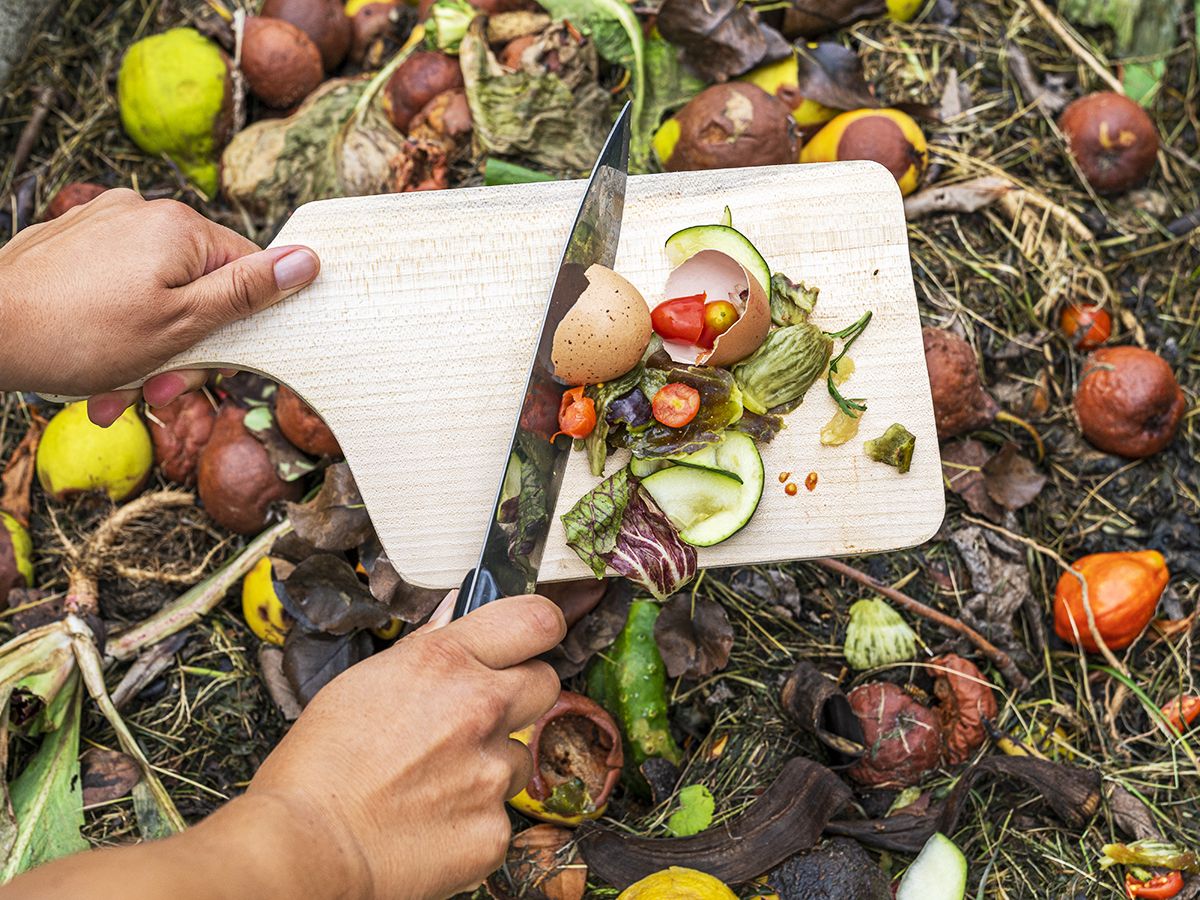
Some think compost takes months or years to finish. Composting speed depends on how you care for it. Smaller pieces, good air flow, and proper moisture speed up the process.
| Factor | Effect on Composting Time |
| Chopping Materials | Faster breakdown |
| Turning Compost | Improves air flow |
| Moisture Level | Speeds microbial activity |
| Temperature | Warmer = faster composting |
Credit: www.gardeningknowhow.com
Factors Contributing To Compost Odor
Compost bins can sometimes produce bad smells. Understanding what causes these odors helps keep your compost fresh.
Several factors affect the smell of compost. Managing these can reduce or stop bad odors.
Moisture Levels
Too much water in compost makes it wet and smelly. It slows down the breakdown and causes bad odors.
Too little water dries out the compost. This stops helpful microbes from working well.
- Keep compost damp like a wrung-out sponge
- Add dry materials if it feels too wet
- Spray water if it feels too dry
Balance Of Green And Brown Materials
Green materials are rich in nitrogen. Brown materials add carbon to the mix.
A wrong balance causes bad smells. Too many greens make the pile slimy and stinky.
- Use about two parts brown to one part green
- Brown materials: dry leaves, straw, paper
- Green materials: vegetable scraps, grass clippings
Aeration And Airflow
Air helps break down compost without bad smells. Without air, the pile turns anaerobic and smells bad.
Turning the compost or using bins with vents adds air. This keeps the compost healthy and less smelly.
- Turn compost every one to two weeks
- Use bins that allow airflow
- Do not pack materials too tight
Effective Odor Control Techniques
Compost bins can sometimes produce unpleasant smells. Controlling these odors is important for a clean and healthy composting space.
Using the right methods helps reduce bad smells and keeps the compost process smooth. Here are some effective techniques to control odors in your compost bin.
Proper Material Layering
Layering materials correctly balances moisture and air, which reduces odors. Use alternating layers of green and brown materials.
- Start with a layer of coarse brown materials like twigs or straw for good airflow.
- Add green materials such as food scraps and grass clippings next.
- Follow with another brown layer to absorb moisture and control smell.
- Repeat layers until the bin is full.
Turning And Mixing
Turning the compost helps air reach all parts. This stops bad smells caused by lack of oxygen.
- Use a pitchfork or compost aerator tool.
- Mix the compost every few days or once a week.
- Make sure to turn the outer layers into the center.
- Check moisture and add dry materials if needed.
Using Odor Absorbents
Odor absorbents trap and reduce smells in your compost bin. Common options work well and are easy to use.
| Absorbent Type | How to Use | Benefits |
| Dry Leaves | Mix in layers with green waste | Absorbs moisture and odors naturally |
| Baking Soda | Sprinkle lightly on top of compost | Neutralizes strong smells quickly |
| Wood Ash | Add small amounts to compost pile | Reduces acidity and controls odor |

Credit: www.postandcourier.com
Choosing The Right Compost Bin
Compost bins help turn kitchen scraps and yard waste into rich soil. Picking the right bin can reduce smells and speed up composting.
Choosing the best bin depends on your space, what you want to compost, and how much waste you create.
Types Of Bins
There are many compost bins to choose from. Each type works best for different needs and spaces.
- Plastic Tumblers:Easy to turn and keep sealed to reduce smells.
- Wire Bins:Good for yard waste but may let smells escape.
- Wooden Bins:Natural look and good airflow but need maintenance.
- Indoor Bins:Small, sealed containers designed for kitchen scraps.
Placement Considerations
Where you put your compost bin affects how it smells and works. Choose a good spot to keep smells down.
Place your bin in a shady, dry area with good airflow. Avoid spots near your home’s doors or windows.
- Keep the bin off hard surfaces to allow drainage.
- Place it near your kitchen or garden for easy access.
- Ensure it is easy to reach for turning and adding materials.
Size And Capacity
Choose a bin size that matches how much waste you create. Too small bins fill quickly and may smell.
Larger bins hold more waste and stay balanced in temperature. Small bins are good for apartments or small yards.
- Small bins: 5 to 15 gallons, good for kitchens or small spaces.
- Medium bins: 20 to 40 gallons, suitable for small families.
- Large bins: Over 50 gallons, best for big gardens or heavy composters.
Common Mistakes And How To Avoid Them
Many people worry about bad smells from their compost bins. Often, this happens because of simple mistakes. Fixing these can keep your bin fresh and healthy.
Below are common errors and clear tips to help you avoid them. Follow these to make composting easier and cleaner.
Overloading The Bin
Putting too much waste into the bin at once can cause bad odors. The pile may become compacted and wet, stopping air flow. This creates a smelly, slimy mess.
- Add small amounts of waste regularly instead of all at once.
- Mix materials well to allow air to reach all parts.
- Keep the compost moist but not soaked.
Ignoring Carbon Sources
Green waste like food scraps needs dry, brown materials to balance it. Without enough carbon, the bin smells bad and attracts pests.
| Carbon Sources (Brown) | Nitrogen Sources (Green) |
| Dry leaves | Vegetable scraps |
| Straw | Grass clippings |
| Shredded paper | Coffee grounds |
| Wood chips | Fruit waste |
Mix these materials well to keep your compost healthy and odor-free.
Neglecting Regular Maintenance
Failing to turn your compost often causes slow decay and smells. The pile needs air to break down properly.
Follow this simple routine to keep your compost fresh:
- Turn the pile every 1 to 2 weeks.
- Check moisture and add water or dry materials as needed.
- Remove any large or smelly items promptly.
Credit: www.gardeningknowhow.com
Benefits Of Odor-free Composting
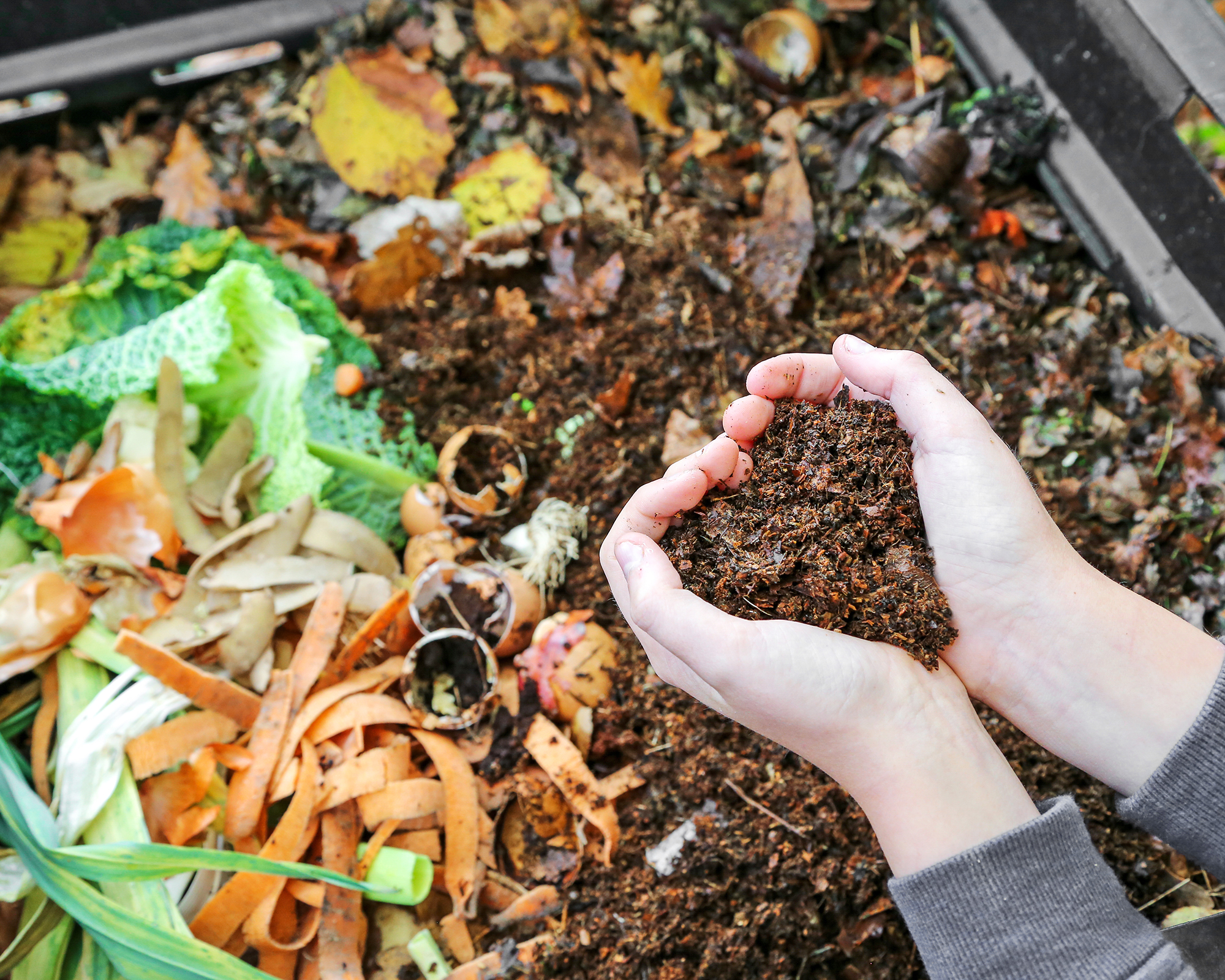
Composting helps reduce waste and improves soil health. Odor-free compost bins make this process cleaner and easier.
Using bins that do not smell encourages more people to compost and keeps the environment fresh.
Environmental Impact
Odor-free composting cuts down on bad smells that attract pests. It also lowers the release of harmful gases from waste.
- Reduces methane emissions
- Prevents attracting rodents and insects
- Keeps local air cleaner
- Encourages more people to compost
Gardening Advantages
Compost made without odor is rich and healthy for plants. It improves soil texture and helps retain water better.
| Benefit | Effect on Garden |
| Improved Soil | Better root growth |
| Water Retention | Less watering needed |
| Natural Fertilizer | Healthier plants |
Community Perception
Odor-free compost bins make neighborhoods cleaner and more pleasant. They reduce complaints about smells and pests.
- Improves neighborhood cleanliness
- Encourages neighbors to compost
- Reduces waste in public spaces
- Supports local environmental efforts
Frequently Asked Questions
Why Do Some Compost Bins Stink?
Compost bins can stink if they lack proper airflow or have too much wet material. Balancing greens and browns prevents bad odors. Regularly turning the compost also helps maintain fresh decomposition and reduces smell.
How To Prevent Compost Bin Odors?
To prevent odors, add dry brown materials like leaves or paper. Avoid overwatering and keep the compost aerated by turning it often. Proper moisture and airflow balance reduce unpleasant smells effectively.
Can Compost Bins Attract Pests Due To Smell?
Yes, strong odors can attract pests like flies and rodents. Proper compost management, including covering food scraps and maintaining balance, helps minimize smells and pest attraction.
Does Composting Meat Or Dairy Cause Bad Smells?
Composting meat or dairy often causes strong, unpleasant odors. It’s best to avoid these in home compost bins to prevent stinking and pest problems.
Conclusion
Compost bins do not have to stink. Proper care keeps smells away. Avoid adding too much wet food or meat. Turn the compost often to add air. Use dry leaves or paper to balance moisture. A well-maintained bin smells earthy, not bad.
Smells mean something needs fixing inside. Composting helps the environment and reduces waste. Everyone can have a fresh-smelling compost bin. Simple steps make composting easy and clean. Try it and enjoy healthy soil for plants.