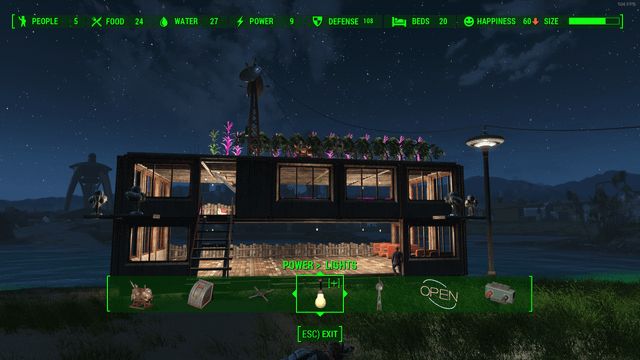
Want to survive and thrive in Fallout 4? Knowing how to plant food is one of the smartest moves you can make.
Growing your own crops means you’ll always have fresh supplies to keep your settlers fed and your character strong. But if you’re unsure where to start or how to get the best results, don’t worry—you’re in the right place. Keep reading, and you’ll learn simple, step-by-step tips that will turn your settlements into food-producing powerhouses.
Your journey to a self-sufficient wasteland begins here.
Credit: gamerant.com
Choosing The Right Crops
Planting food in Fallout 4 helps keep your settlers healthy. Picking the right crops is important for survival and crafting.
You need to think about what crops give you the best benefits. Some crops grow faster or provide more food and materials.
Understanding Crop Benefits
Different crops offer various uses in the game. Some provide more food, while others help with crafting or healing items.
Choosing crops that match your needs saves time and resources. For example, some crops grow quickly but give less food.
- Mutfruit: Grows fast and makes good food and drinks
- Carrots: Provide decent food and some crafting parts
- Tato: Slower to grow but gives lots of food
- Corn: Used in many recipes and crafting
- Melon: Offers good food and crafting materials
Locating Seeds And Resources
You need seeds to plant crops. Seeds can be found in the world or bought from vendors.
Look for seeds in settlements, farms, or inside buildings. Some enemies also drop seeds when defeated.
- Check farm fields in settlements for seed packs
- Visit vendors in markets or trading posts
- Search containers like crates and lockers
- Collect seeds from wild plants around the map
- Trade with friendly NPCs for rare seeds
Preparing The Land
Planting food in Fallout 4 needs proper land preparation. Good preparation helps plants grow well.
Preparing the land includes clearing debris and improving soil quality. These steps make your crops healthy.
Clearing And Cleaning Debris
Clear away rocks, broken wood, and junk from your farming area. Debris blocks plants and slows growth.
Use the workshop mode to pick up unwanted items. Make sure the ground is flat and free of obstacles.
- Remove stones and metal scraps
- Pick up old furniture and parts
- Flatten uneven soil patches
- Clear weeds and dead plants
Soil Quality And Fertilization
Good soil helps your plants grow faster and stronger. Fertilize the soil to add nutrients.
Use fertilizer items found in the game. Spread fertilizer evenly before planting seeds for best results.
- Check soil for dirt and sand mix
- Use fertilizer like fertilizer bags or compost
- Apply fertilizer before planting seeds
- Water the soil after fertilizing
Planting Techniques
Planting food in Fallout 4 helps you grow crops for survival. Using good techniques makes your plants grow faster.
Pay attention to how you space and care for your plants. This keeps them healthy and produces more food.
Spacing And Arrangement
Give each plant enough space to grow well. Crowded plants grow slower and may die.
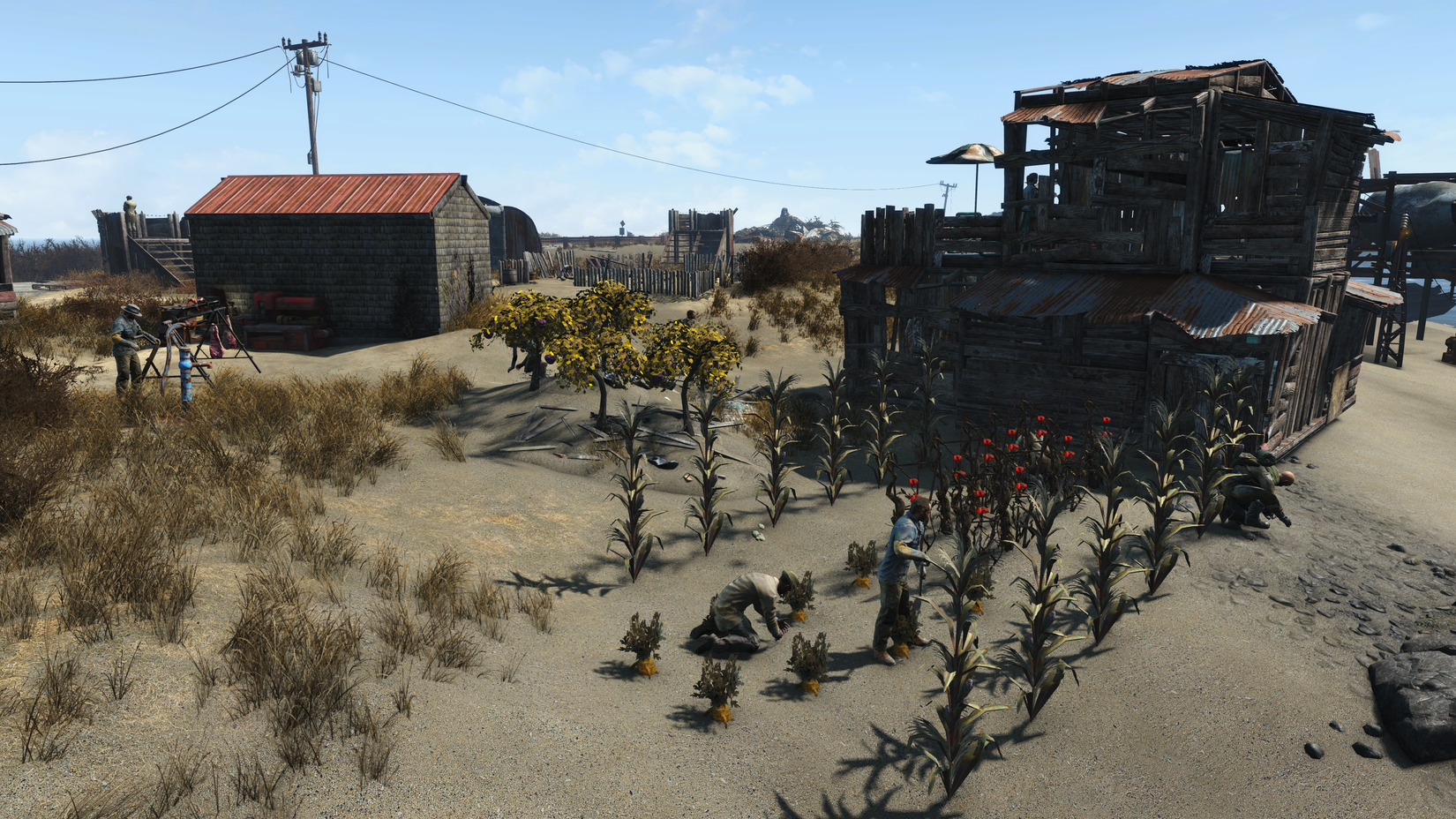
Arrange plants in rows or groups. This makes it easier to water and harvest them.
- Leave at least one tile space between plants
- Group similar plants together for easy care
- Avoid placing plants too close to walls or obstacles
Watering And Maintenance
Water your plants regularly to keep them healthy. Dry plants grow slowly and can die.
Check your plants often for weeds or pests. Remove any problems to keep plants strong.
- Water plants at least once a day
- Clear weeds to prevent competition for nutrients
- Use fertilizer if available to boost growth
Credit: www.thegamer.com
Protecting Your Crops
Growing food in Fallout 4 is rewarding but needs care. Protecting your crops keeps them healthy and productive.
Enemies and harsh weather can harm your plants. Use smart strategies to defend your farm.
Defending Against Pests
Creatures and raiders can damage your crops. Build defenses to keep your farm safe.
- Place turrets around your farm to scare off enemies.
- Use guard posts and assign settlers to protect crops.
- Build walls or fences to block pests and raiders.
- Keep the area well-lit to prevent sneak attacks at night.
- Regularly check your crops for damage and fix problems fast.
Weather And Environmental Challenges
Radiation, storms, and other hazards can hurt plants. Plan your farm to reduce these risks.
| Challenge | Effect on Crops | Protection Tip |
| Radiation | Slows growth, causes damage | Build greenhouses or use Rad-X |
| Storms | Can destroy plants | Use fences and shelters |
| Extreme Heat | Dries soil quickly | Water crops often, plant shade trees |
| Cold | Freezes and kills plants | Plant indoors or use heaters |
Harvesting And Storage
Growing food in Fallout 4 helps you survive and build your settlement. After planting, you need to harvest crops at the right time. Proper storage keeps your food fresh and useful.
This guide explains how to know when to harvest and how to store your food well.
Timing The Harvest
Crops in Fallout 4 take time to grow. Watching the plants helps you know when to pick them. Harvest food once it looks ripe and ready.
Picking too early gives less food. Waiting too long can make plants waste away. Check your plants often to get the best yield.
- Watch for changes in plant size and color
- Harvest when fruits or vegetables look full and vibrant
- Use the workshop menu to see plant status
Preservation Methods
After harvesting, store your food to keep it fresh. Food can spoil if left out. Using containers in your settlement helps preserve crops.
You can store food in refrigerators or crafting benches. Some foods last longer when cooked or turned into other items.
- Place crops inside refrigerators to slow spoilage
- Cook raw foods to increase shelf life
- Convert crops into adhesive or fertilizer for long-term use
- Keep food in settlement workshops to manage easily
Maximizing Food Production
Growing food in Fallout 4 helps keep your settlers alive and happy. You need to plant crops smartly to get the most food from your farm.
This guide shows how to increase your food production with good planting strategies and farm expansion.
Advanced Planting Strategies
Use crops that produce the most food per plant. Some crops like mutfruit and corn yield more food than others.
Group the same crops together to speed up harvesting. Settlers work faster if plants are organized in rows or blocks.
- Plant mutfruit, corn, and tatos for higher food output
- Keep crops in neat rows for easy harvesting
- Use fertilizer to improve crop growth speed
- Place crops near water sources to boost growth
Expanding Your Farm
Make your farm larger by clearing more land and building more planter boxes. More space means more crops and more food.
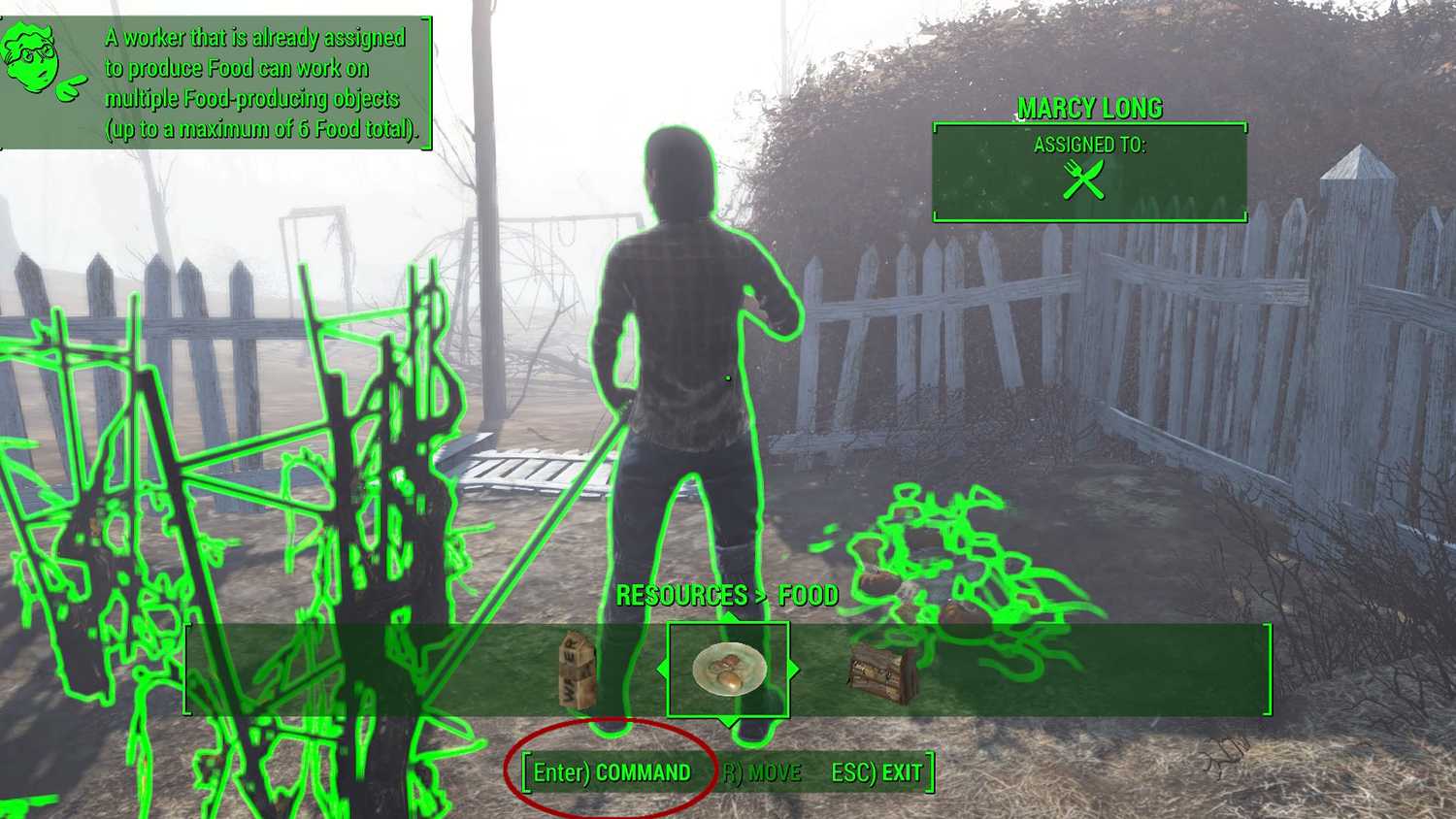
Assign more settlers to farming tasks. The more settlers working, the faster the crops grow and get harvested.
- Clear debris and junk from your settlement
- Build additional planting plots or use planter boxes
- Assign settlers to farming jobs for better efficiency
- Expand water supply to support larger farms
Utilizing Harvested Crops
In Fallout 4, planting food helps you survive and build your settlements. Harvested crops provide raw ingredients for many uses. Learning how to use these crops is important for your progress.
You can cook meals, craft useful items, or trade crops to get other supplies. Each option helps you in different ways to keep your settlements strong and healthy.
Cooking And Crafting Recipes
Harvested crops like corn, mutfruit, and tatos can be cooked into meals. These meals restore health and give special bonuses. You can also use crops in crafting to make useful items.
- Use crops to cook stews, soups, and vegetable dishes at cooking stations.
- Craft adhesive and other materials using specific crops and workbenches.
- Combine crops with meat and water for better food recipes.
Trading And Bartering
Harvested crops are valuable for trading with settlers and merchants. You can barter crops for caps, weapons, or other resources. Crops help build good relations with traders.
- Trade surplus crops to get caps for buying gear.
- Exchange food with settlers to improve happiness in settlements.
- Use crops to barter for rare items or crafting materials.
Credit: gamerant.com
Frequently Asked Questions
How Do I Start Planting Food In Fallout 4?
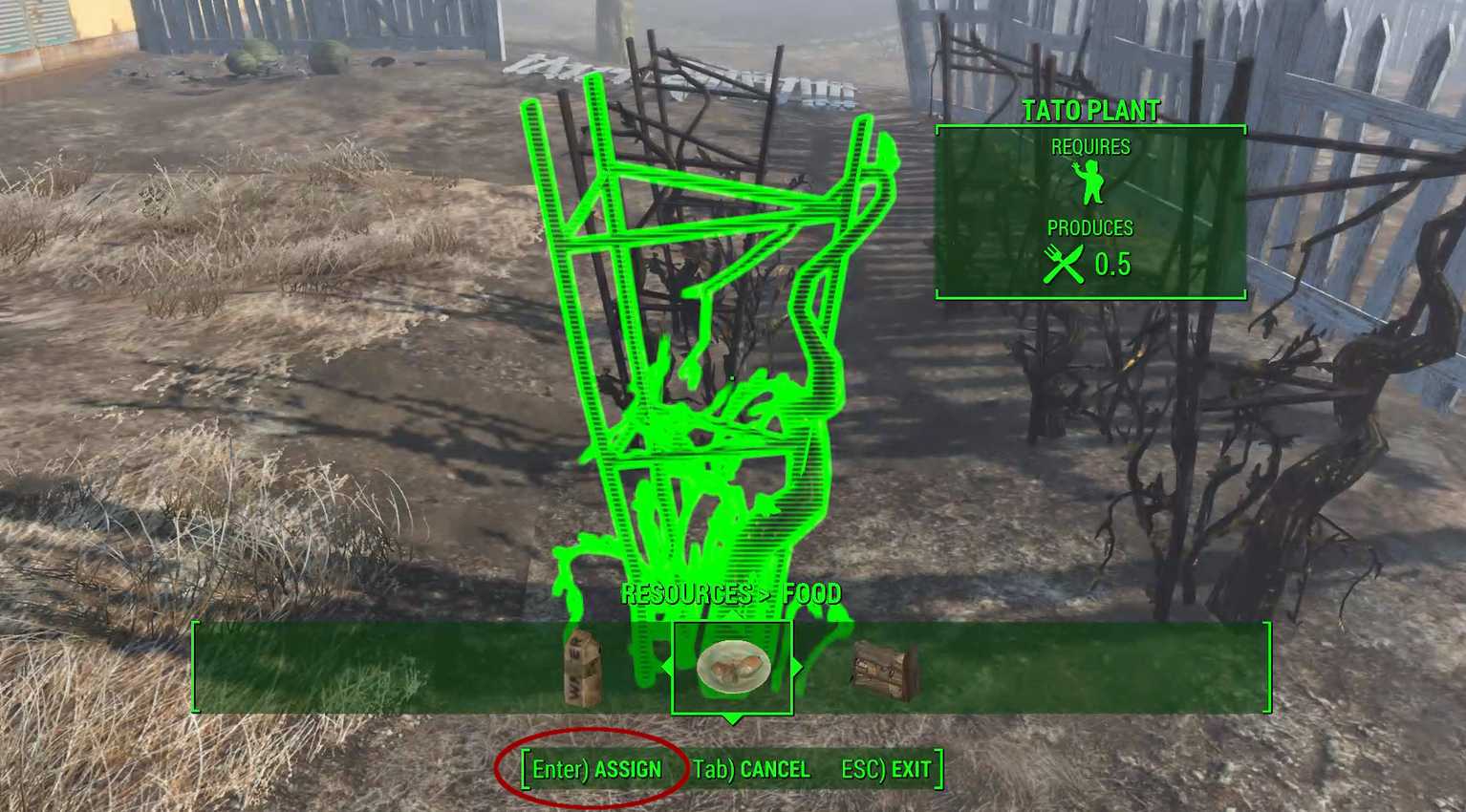
To start planting food, first build a settlement with a water source. Then, use the workshop mode to select crops and plant them in tilled soil. Ensure you have enough settlers assigned to farming for better yield.
What Crops Can I Grow In Fallout 4 Settlements?
You can grow various crops like corn, mutfruit, carrots, and tatos. Each crop has unique uses such as crafting food or chems. Choose crops based on your settlement’s needs and available water resources.
How Much Water Is Needed For Farming Food?
Water is essential for growing crops in Fallout 4. You need at least one unit of water per crop plot. Ensure your settlement has enough water pumps or purified water sources to sustain your farm.
Can I Automate Food Production In Fallout 4?
Yes, you can automate food production using provisioners and supply lines. Supply lines share resources between settlements, making food and materials available across your network. This reduces manual farming effort and boosts your settlements’ growth.
Conclusion
Planting food in Fallout 4 helps you survive longer. It provides steady supplies without needing to scavenge constantly. Choose the right crops for your settlement’s needs. Keep your plants safe from threats like raiders and creatures. Water and protect your crops to ensure good growth.
Farming adds fun and strategy to the game. Try different plants to see what works best. Growing your own food saves time and resources. Start planting today and enjoy a steady food source. Simple steps lead to better survival in Fallout 4.