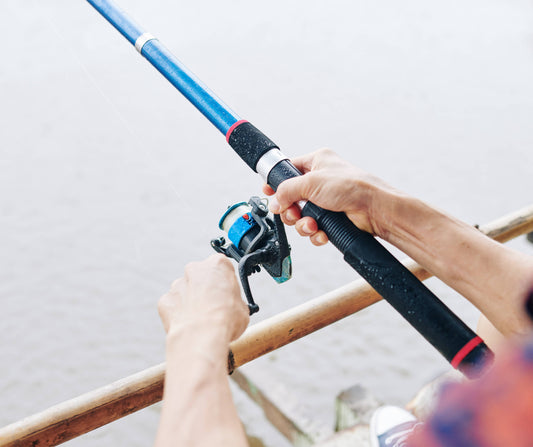
Are you ready to make your next fishing trip a success? One of the most important steps is putting the fishing line on your rod correctly.
If you don’t get it right, you might face tangles, weak casts, or even lost fish. But don’t worry—this guide will walk you through the process, step by step, in a simple way. By the time you finish reading, you’ll feel confident and ready to set up your rod like a pro.
Let’s dive in and get your fishing line perfectly in place!

Credit: windrider.com
Choosing The Right Fishing Line
Choosing the right fishing line is key to a good fishing experience. The line must match the type of fish and fishing style.
Different lines have different strengths and uses. Knowing these helps you put the line on the rod correctly.
Types Of Fishing Line
Fishing lines come in several types. Each type has features that suit different fishing needs.
- Monofilament:Easy to handle and stretchable. Good for beginners.
- Fluorocarbon:Hard to see in water. Great for clear water fishing.
- Braid:Very strong and thin. Good for heavy cover and long casts.
Factors To Consider
Pick a line based on strength, stretch, and water conditions. These factors affect fishing success.
| Factor | What to Look For |
| Strength | Match line strength to fish size |
| Stretch | More stretch absorbs shocks better |
| Visibility | Low visibility lines help in clear water |
| Durability | Resists abrasion from rocks and plants |
Gathering Essential Tools
Putting fishing line on your rod needs the right tools. Getting these ready saves time and makes the job easier.
Below are the main tools you will need and tips to prepare your work area for best results.
Tools Needed For Setup
Gather these tools before you start. Each one helps you put the fishing line on correctly.
- Fishing line spool
- Fishing rod
- Line scissors or clippers
- Rod holder or a stable surface
- Clean cloth to wipe hands and equipment
- Optional: Needle nose pliers for knots
Preparing Your Work Area
Set up a clean, well-lit space to work on your rod. This helps avoid tangles and keeps the line clean.
| Tip | Reason |
| Use a flat table | Prevents the rod from rolling |
| Good lighting | Helps see knots and line clearly |
| Keep tools close | Saves time and effort |
| Clear away clutter | Reduces risk of line tangling |
| Have a waste bin | For trimming scraps and old line |
Attaching The Line To The Reel
Putting fishing line on a rod starts with attaching it to the reel. This step keeps the line secure and ready for casting.
It is important to attach the line correctly to avoid tangles and ensure smooth fishing.
Securing The Line To The Spool
First, thread the fishing line through the reel’s guides and onto the spool. Tie the line to the spool with a strong knot.
The most common knot used is the arbor knot. Make sure the knot is tight and close to the spool to prevent slipping.
- Pass the line around the spool
- Tie an overhand knot around the main line
- Tighten the knot firmly against the spool
- Trim any loose ends
Ensuring Proper Tension
Keep the line tight while winding it onto the reel spool. Proper tension prevents the line from becoming loose or tangled.
Use your fingers or a cloth to hold the line firmly as you turn the reel handle. This helps the line lay evenly on the spool.
- Apply steady pressure on the line
- Turn the reel slowly and smoothly
- Stop if the line twists or loops
- Check that the line is snug but not too tight
Spooling The Line On The Reel
Putting fishing line on a rod requires care to avoid tangles and uneven winding. Spooling the line on the reel correctly helps fishing performance.
This guide explains how to spool line evenly and avoid common mistakes that cause problems later.
Techniques For Even Distribution
Even distribution of fishing line prevents tangles and keeps casting smooth. Follow these tips to spool the line correctly.
- Attach the line to the reel spool using a secure knot.
- Hold the line tight with fingers or a cloth to keep tension.
- Start reeling slowly to lay the line evenly on the spool.
- Move the line back and forth across the spool with your hand or the reel’s level wind.
- Fill the spool until it is about 1/8 inch from the spool edge.
Avoiding Common Mistakes
Many anglers face problems by not spooling the line properly. Watch out for these common mistakes.
| Mistake | Effect | How to Avoid |
|---|---|---|
| Loose line on spool | Line tangles and knots | Keep steady tension when spooling |
| Overfilling spool | Line slips off during casting | Stop filling 1/8 inch before spool edge |
| Incorrect knot | Line slips off spool | Use strong knot like arbor knot |
| Twisting line | Line coils and weak spots | Keep line spool flat and untwist before spooling |
Threading The Line Through The Rod
Putting fishing line on a rod starts with threading it through the guides. These guides keep the line steady and help with casting.
Proper threading ensures smooth line flow and better control while fishing. It also prevents tangles and damage.
Using The Rod’s Guides
Start by opening the bail of your reel. Hold the line and thread it through the guides starting from the bottom near the reel to the tip of the rod.
- Pass the line through each guide carefully to avoid frays.
- Make sure the line sits inside the guide rings evenly.
- Check for any bends or damage in guides before threading.
- Keep the line tight as you pull it through each guide.
Maintaining Tension
Keeping the right tension on the line is key while threading. It stops the line from tangling or slipping out of the guides.
| Tip | How It Helps |
| Hold line firmly but not too tight | Prevents line break and keeps flow smooth |
| Pull line slowly through guides | Stops twists and knots |
| Check tension often | Ensures line stays in place |
Securing The Line To The Hook
Attaching the fishing line to the hook is a key skill for anglers. A secure connection keeps your catch safe. This guide covers how to choose the right knot and test its strength.
Using the proper knot ensures your line will not slip or break easily. Take time to learn and practice these steps for better fishing results.
Choosing The Right Knot
There are many knots to attach line to a hook. Pick one that suits your line type and fishing style. Simple knots work well for beginners.
- Improved Clinch Knot: Great for monofilament lines.
- Palomar Knot: Strong and easy to tie.
- Loop Knot: Allows more hook movement.
- Buntline Hitch: Good for braided lines.
Testing The Knot’s Strength
After tying, always test the knot before fishing. Pull the line firmly to check if it holds. A weak knot may slip or break under tension.
| Test Method | What to Check |
| Pull Line by Hand | Ensure knot does not slip or loosen. |
| Inspect Knot | No frays or damaged line at the knot. |
| Wet the Knot | Helps line tighten better and prevents damage. |
| Practice Tying | Repeat tying to build confidence and speed. |
Final Checks And Adjustments
After putting the fishing line on your rod, it is important to make final checks. These checks ensure your setup works smoothly on the water. Small adjustments can improve your fishing experience.
Take your time to test the setup and adjust as needed. This helps avoid problems while fishing and keeps your line strong and secure.
Testing The Setup
Start by pulling the line gently to check the tension. The line should move smoothly without sticking or slipping. Make sure the line is properly seated on the reel and guides.
Cast the line a few times in an open space. Listen for any unusual sounds like grinding or clicking. Watch how the line flows off the reel. It should come off evenly without bunching or tangling.
- Pull line to check tension
- Ensure line sits well on reel and guides
- Cast line to test smooth flow
- Listen for unusual sounds
- Check for tangles or bunching
Making Necessary Adjustments
If the line slips or feels loose, tighten the drag on the reel. If the line bunches or tangles, rewind it carefully. Make sure the line is evenly spread across the spool.
Adjust the guides if the line rubs or catches on them. Replace any damaged guides or parts to avoid line breakage. Check knots and connections to make sure they are secure.
- Tighten reel drag if line slips
- Rewind line evenly if tangled
- Adjust or replace guides as needed
- Check all knots and connections
- Test again after each adjustment

Credit: sportfishinghub.medium.com

Credit: www.youtube.com
Frequently Asked Questions
How Do I Start Putting Fishing Line On A Rod?
Begin by attaching the line to the reel spool with an arbor knot. Make sure the line is tight and secure before winding.
What Is The Best Way To Wind Fishing Line Evenly?
Hold the line taut with fingers while slowly turning the reel handle. This prevents tangles and ensures the line is evenly distributed on the spool.
How Much Fishing Line Should I Put On My Reel?
Fill the spool until it’s about 1/8 inch below the reel’s edge. Overfilling can cause tangles, while underfilling reduces casting distance.
Can I Use Any Fishing Line Type For My Rod?
Choose a line type based on your fishing style and target species. Monofilament is versatile; braided offers strength; fluorocarbon is less visible underwater.
Conclusion
Putting fishing line on a rod is simple with clear steps. Take your time and follow each part carefully. Check the line for any knots or twists before use. A well-spooled rod helps you fish better and enjoy more. Practice a few times to feel confident and ready.
Good tools and patience make the job easier. Soon, you will be ready for your next fishing trip. Keep your line neat and strong for best results. Fishing becomes more fun with the right setup.