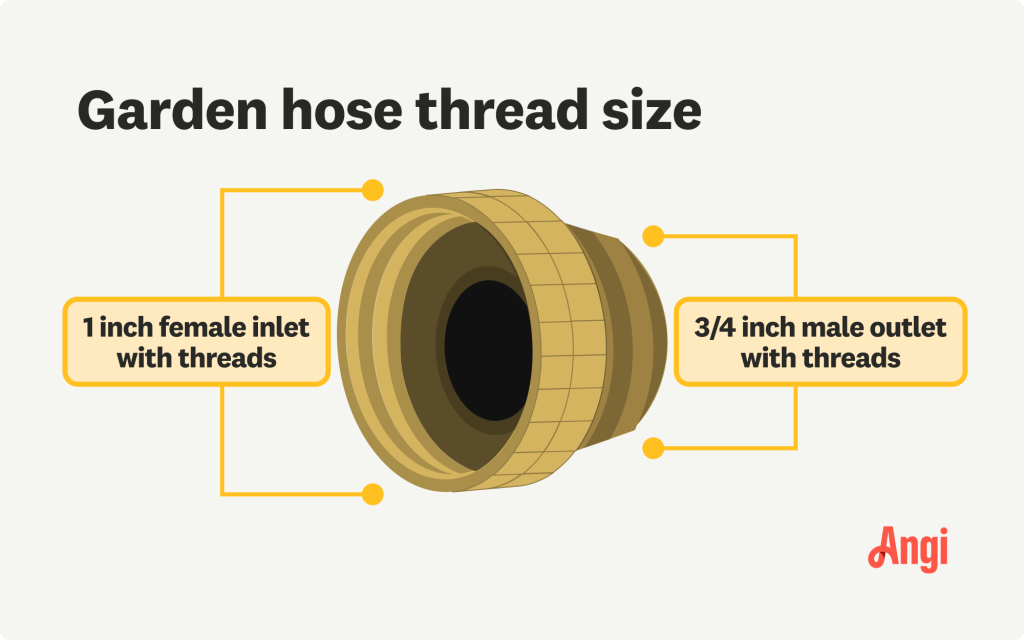
When you’re shopping for a garden hose or replacing one, the term “thread” might feel confusing. But understanding what thread your garden hose uses is key to making sure your hose fits perfectly with your faucet or accessories.
If you’ve ever struggled with leaks, loose connections, or incompatible parts, this guide is exactly what you need. Keep reading to discover how to identify your garden hose thread type and avoid costly mistakes that can waste your time and water.
Your next gardening project will be smoother once you know this simple but important detail.
Understanding Garden Hose Threads
Garden hoses connect to water sources and sprinklers using threaded fittings. Knowing the thread type helps you find the right hose or adapter.
Threads come in different sizes and shapes. Using the wrong thread can cause leaks or poor water flow.
Standard Thread Types
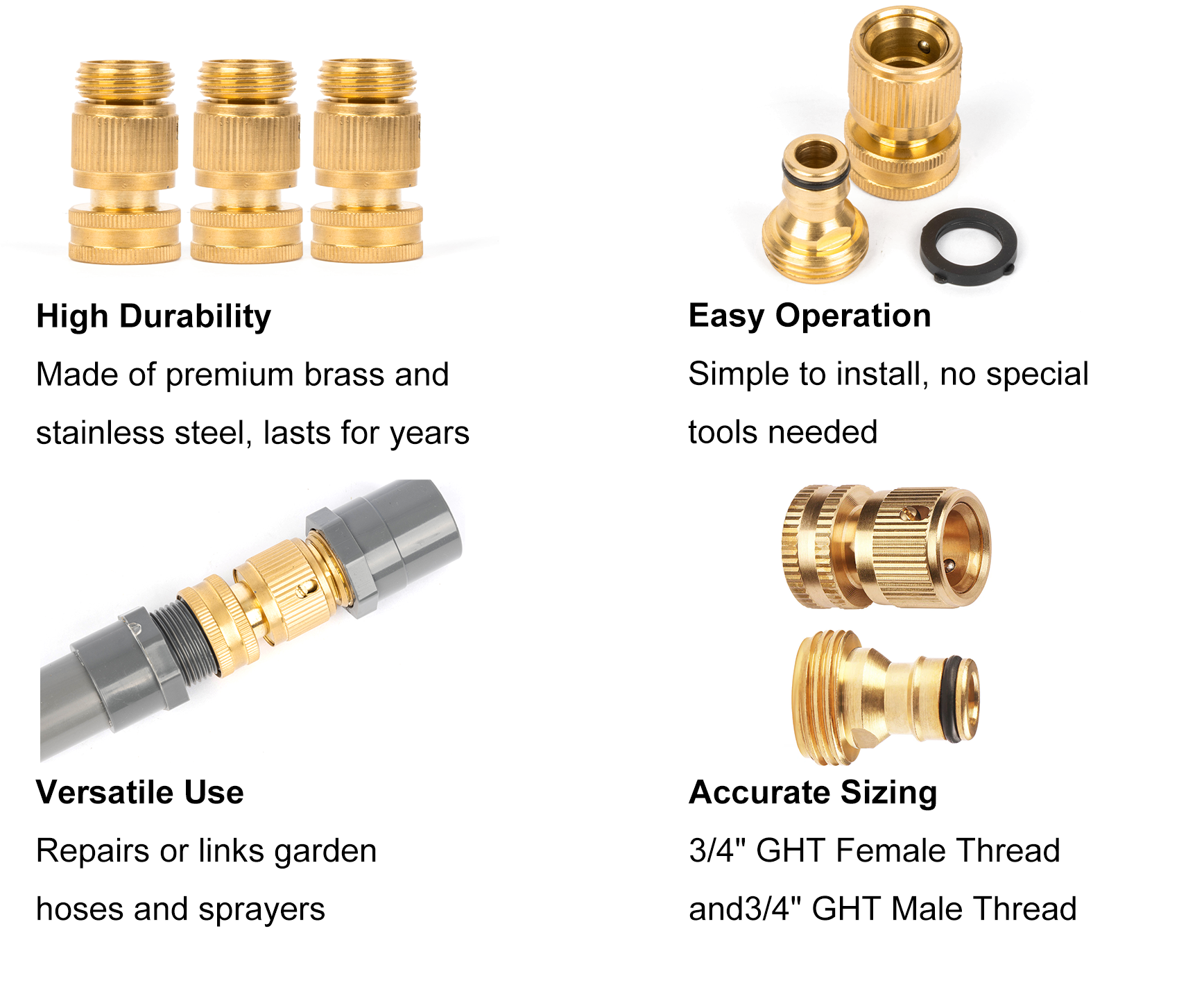
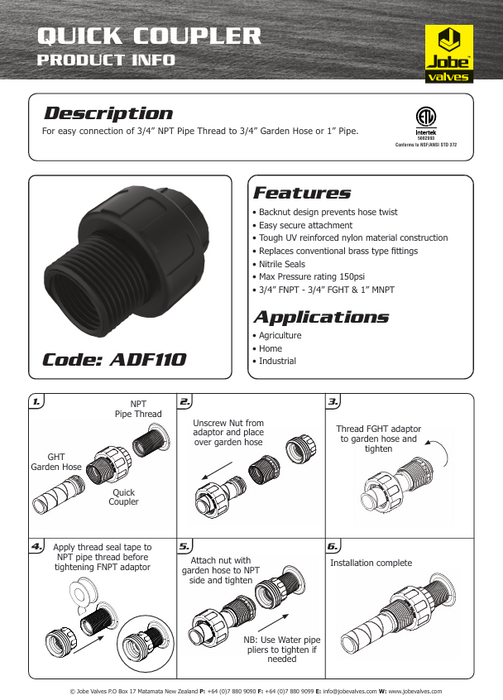
Garden hoses mostly use two types of threads: Garden Hose Thread (GHT) and National Pipe Thread (NPT). GHT is common for hoses, while NPT is used for plumbing.
- Garden Hose Thread (GHT):Usually 3/4 inch diameter with straight threads.
- National Pipe Thread (NPT):Tapered threads for tighter seals, used in pipes.
- British Standard Pipe (BSP):Common outside the U.S., with different thread angles.
- Metric Threads:Sometimes used in hoses, mostly in Europe and Asia.
Difference Between Ght And Npt
| Feature | Garden Hose Thread (GHT) | National Pipe Thread (NPT) |
|---|---|---|
| Thread Shape | Straight (parallel) | Tapered |
| Common Use | Garden hoses, outdoor water fittings | Plumbing pipes, industrial use |
| Seal Type | Washer or gasket inside fitting | Thread sealant or tape |
| Size | Mostly 3/4 inch diameter | Varies, includes 1/2 inch, 3/4 inch, and others |
| Compatibility | Not compatible with NPT threads | Not compatible with GHT threads |
Credit: ussolid.com
Choosing The Right Hose Diameter
Choosing the right garden hose diameter is important for your watering needs. The diameter affects how much water flows through the hose.
Using the wrong size can cause low water pressure or waste water. Knowing common sizes helps you pick the best hose.
Common Hose Sizes
Garden hoses come in several standard diameters. The most common sizes are 1/2 inch, 5/8 inch, and 3/4 inch.
- 1/2 inch hoses are thinner and lighter.
- 5/8 inch hoses are the most popular and balanced size.
- 3/4 inch hoses carry more water but are heavier.
Choosing a size depends on your water needs and hose length. Bigger diameter hoses are better for long distances.
Impact On Water Flow
Hose diameter affects how fast water flows. Larger diameters allow more water to pass through.
Small diameter hoses can reduce water pressure and slow watering tasks. Large hoses keep pressure steady but are harder to handle.
| Hose Diameter | Water Flow | Best Use |
|---|---|---|
| 1/2 inch | Low | Light watering, small gardens |
| 5/8 inch | Medium | Most gardens, general use |
| 3/4 inch | High | Large gardens, long hose runs |
Material Considerations
Choosing the right garden hose thread means looking at the materials. Different materials affect strength and flexibility. They also change how long the hose lasts.
Some hoses handle rough use better than others. Some materials resist weather and chemicals well. Knowing the material helps you pick the best hose for your needs.
Rubber Vs. Vinyl
Rubber hoses are strong and flexible. They handle high water pressure and heat well. Rubber is less likely to crack or kink.
Vinyl hoses are lighter and cheaper. They work well for light use. Vinyl can crack in cold weather and may not last as long.
- Rubber hoses: durable, flexible, heavy
- Vinyl hoses: lightweight, affordable, less durable
- Rubber resists heat and pressure better
- Vinyl may crack in cold or rough use
Reinforced Options
Reinforced hoses have extra layers inside. These layers add strength and prevent leaks. They also stop the hose from kinking or bursting.
Common reinforcements include mesh or fabric. These materials keep the hose firm but flexible. Reinforced hoses last longer and work better under pressure.
- Mesh reinforcement for strength and flexibility
- Fabric layers to prevent kinks and tears
- Better pressure resistance
- Longer hose life
Credit: www.americangrazinglands.com
Length And Flexibility
Garden hoses come in many lengths and levels of flexibility. These features affect how easy the hose is to use and store.
The thread on a garden hose connects it to water sources or other hoses. Choosing the right length and flexibility helps your garden work go smoothly.
Optimal Hose Lengths
Choosing the right hose length depends on your garden size and water needs. Too short means you cannot reach all areas.
Too long hoses can be heavy and hard to store. They also may reduce water pressure at the end.
- 25 feet: Good for small gardens or patios
- 50 feet: Common choice for average yards
- 75 feet: Best for larger gardens or distant water sources
- 100 feet or more: Used for very large areas or farms
Benefits Of Flexible Hoses
Flexible hoses are easier to move and store than stiff ones. They bend without kinking or twisting.
This flexibility makes watering plants more comfortable. It also helps prevent damage to the hose thread and connectors.
- Less effort to pull and carry
- Fits around corners and tight spaces
- Reduces hose tangling and kinks
- Extends hose life by avoiding cracks
Connector Types And Compatibility
Garden hoses come with different thread types for connectors. Choosing the right connector ensures a tight fit and stops leaks.
This guide explains common quick connect systems and why compatibility matters for garden hoses.
Quick Connect Systems
Quick connect systems let you attach and detach hoses easily. They save time and reduce water waste.
- Slip-on Quick Connect: Simple push-in connectors for fast use.
- Threaded Quick Connect: Screw-type connectors for a secure hold.
- Click-to-Connect: Locks with a click for strong connections.
- Push-to-Release: Easy to remove by pressing a button.
Importance Of Compatibility
Using compatible connectors prevents leaks and damage. Not all connectors fit all hoses.
| Connector Type | Thread Size | Common Use | Compatibility Notes |
|---|---|---|---|
| GHT (Garden Hose Thread) | 3/4 inch | Standard garden hoses | Fits most US garden hoses |
| BSP (British Standard Pipe) | 3/4 inch | European hoses | Different thread angle; needs adapter |
| Quick Connect | Varies | Easy hose attachment | Must match system type exactly |
| Push-to-Connect | Varies | Fast connect/disconnect | Not interchangeable with threaded types |
Maintenance And Care Tips
Taking good care of your garden hose helps it last longer. Regular maintenance keeps it working well.
Simple steps can prevent damage and save you money. Learn how to avoid common problems.
Preventing Kinks And Leaks
Avoiding kinks and leaks keeps water flowing smoothly. Handle your hose with care to stop these issues.
- Unroll the hose fully before use
- Do not pull the hose around sharp corners
- Use a hose reel to keep it straight
- Check connectors for tight seals
- Replace washers if leaks appear
Proper Storage Techniques
Storing your garden hose properly keeps it safe from damage. Choose the right place and method.
| Storage Method | Benefits |
| Hose reel | Prevents tangles and kinks |
| Wall hooks | Keeps hose off the ground |
| Coiled on flat surface | Easy to access but watch for kinks |
| Indoors during winter | Protects from freezing and cracking |
Popular Brands And Models
Garden hoses need the right thread to fit your faucet and accessories. Thread size and type affect how well the hose connects.
Many brands make hoses with common thread sizes. Choosing a trusted brand helps ensure the hose works well and lasts long.
Top-rated Brands
Popular garden hose brands use standard threads like 3/4 inch GHT (Garden Hose Thread). This size fits most outdoor faucets.
Brands such as Flexzilla, Gilmour, and Teknor Apex offer durable hoses with quality threads. These brands focus on strong fittings and leak resistance.
- Flexzilla:Known for flexible hoses and tough brass fittings.
- Gilmour:Offers a wide range of hoses with standard GHT threads.
- Teknor Apex:Provides durable hoses with secure threaded connections.
- Craftsman:Features hoses with reinforced threads for less wear.
- Dramm:Produces premium hoses with tight thread seals.
Features To Consider
Check the thread size before buying a garden hose. Most use 3/4 inch GHT, but some use different sizes or types.
Look for hoses with brass or metal threads. They last longer and prevent leaks better than plastic threads.
- Thread size: Usually 3/4 inch GHT standard
- Thread type: Male or female ends for different connections
- Material: Brass threads resist rust and damage
- Seal quality: Good washers and tight fit prevent leaks
- Durability: Reinforced threads handle pressure and bending
Credit: ibctanks.ca
Troubleshooting Common Issues
Garden hoses can have problems that stop them from working well. Knowing how to fix these issues saves time and water.
Two common problems with garden hoses are leaks and low water pressure. Fixing them is easy with the right steps.
Fixing Leaks
Leaks often happen at the hose threads or along the hose body. Check these spots first to find the leak.
To fix a leak at the thread, tighten the connection or replace the washer inside the hose end.
- Turn off the water supply before fixing.
- Unscrew the hose from the faucet or nozzle.
- Look for a worn or missing rubber washer.
- Replace the washer with one of the right size.
- Screw the hose back tightly but not too hard.
- If the hose body leaks, use waterproof tape or hose repair kits.
Dealing With Low Pressure
Low water pressure can come from clogs, kinks, or wrong thread types. Check the hose and fittings carefully.
Clean any dirt or debris from the hose and connectors. Straighten the hose to remove kinks that block water flow.
- Inspect the hose for sharp bends or twists.
- Clear any blockages by running water through the hose backward.
- Make sure the hose thread matches the faucet thread for a good seal.
- Replace damaged or old hoses to improve pressure.
Frequently Asked Questions
What Thread Size Does A Garden Hose Use?
Garden hoses typically use a 3/4-inch GHT (Garden Hose Thread) size. This thread is standard in the U. S. for most garden hoses and fittings, ensuring compatibility and leak-free connections.
How To Identify Garden Hose Thread Type?
You can identify garden hose thread by its diameter and thread pitch. GHT threads are 3/4-inch in diameter with 11. 5 threads per inch, commonly used in garden hoses.
Are Garden Hose Threads Compatible With Plumbing Threads?
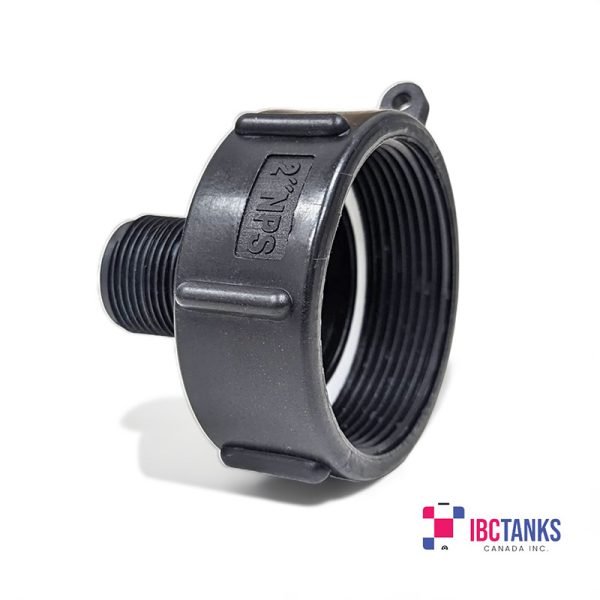
No, garden hose threads (GHT) differ from standard plumbing threads (NPT). They have different sizes and thread angles, so adapters are often needed for compatibility.
Can I Use Garden Hose Thread For Other Applications?
Garden hose threads are designed for outdoor water connections. They are not suitable for high-pressure or industrial uses but work well for gardening and irrigation.
Conclusion
Knowing the right thread type helps connect garden hoses easily. It saves time and avoids leaks or damage. Most garden hoses use standard threads like GHT or NPT. Always check the thread size before buying connectors or accessories. This ensures everything fits well and works properly.
Using the correct thread type keeps your watering tools safe. It also helps water flow smoothly. Understanding garden hose threads makes gardening tasks simpler and less frustrating. Keep this guide handy for your next garden project. Simple steps lead to better results.