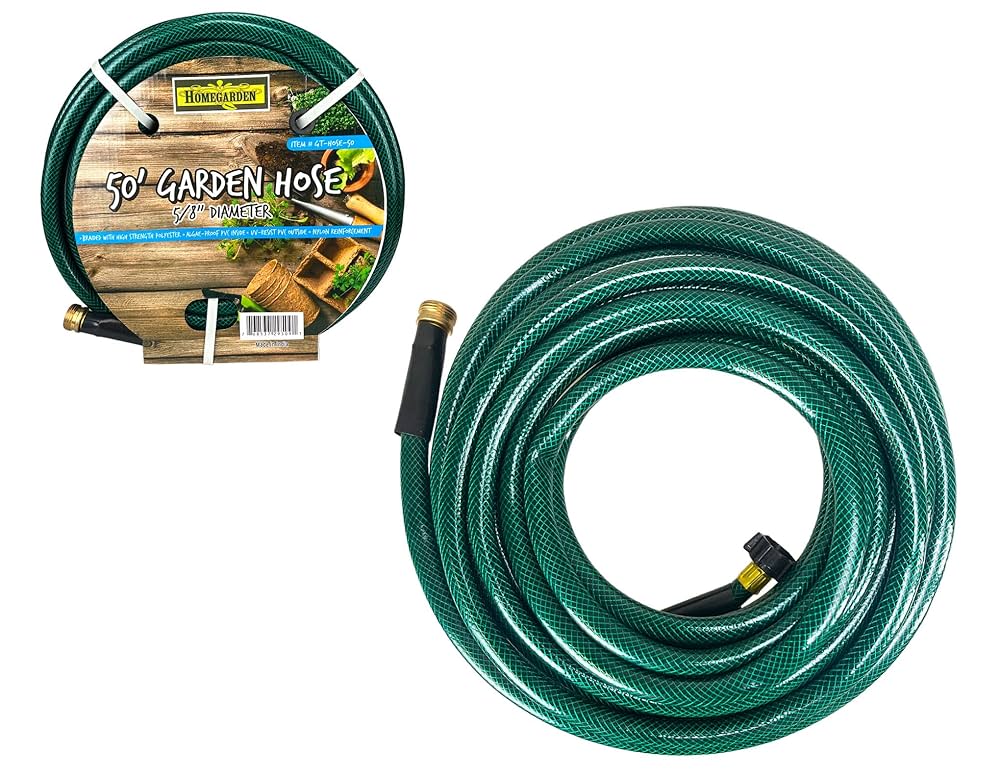
Choosing the right diameter garden hose can make a huge difference in how easy and efficient your watering tasks are. You might think all hoses are the same, but the size really matters.
The wrong diameter can slow down water flow or make your hose hard to handle. You’ll discover exactly which hose diameter fits your needs, whether you’re watering delicate plants or washing your car. Keep reading to find out how to pick the perfect garden hose that saves you time and effort every time you step outside.

Credit: shopjoe.com
Importance Of Hose Diameter
The diameter of a garden hose affects how much water flows through it. It also changes how fast the water reaches your plants or lawn.
Choosing the right hose diameter helps you water efficiently and saves time. It is important for many gardening tasks.
Water Flow And Pressure
A larger hose diameter allows more water to flow. This means you get higher water pressure at the end of the hose.
Small diameter hoses limit water flow. This can make watering slow and less effective for big gardens.
Hose Length And Diameter
Longer hoses need bigger diameters to keep good water flow. Small hoses lose pressure as water travels far.
If your hose is short, a smaller diameter may work fine. For long hoses, choose a larger diameter for better water delivery.
Ease Of Use And Weight
Hoses with bigger diameters hold more water and weigh more. This can make them harder to carry and move.
Smaller diameter hoses are lighter and easier to handle. This is good for quick watering or small gardens.
Compatibility With Attachments
Some hose attachments fit only certain diameters. Using the wrong size can cause leaks or poor water flow.
Check your hose diameter before buying nozzles or sprinklers. This ensures a tight fit and good performance.
Credit: shopjoe.com
Common Hose Sizes
Garden hoses come in different diameters to suit various watering needs. Choosing the right diameter affects water flow and pressure.
This guide explains common hose sizes and their uses. It helps you pick a hose that fits your garden tasks.
Half-inch Diameter Hoses
Half-inch hoses are the smallest common size. They are light and easy to handle. These hoses work well for small plants and light watering jobs.
Five-eighths Inch Diameter Hoses
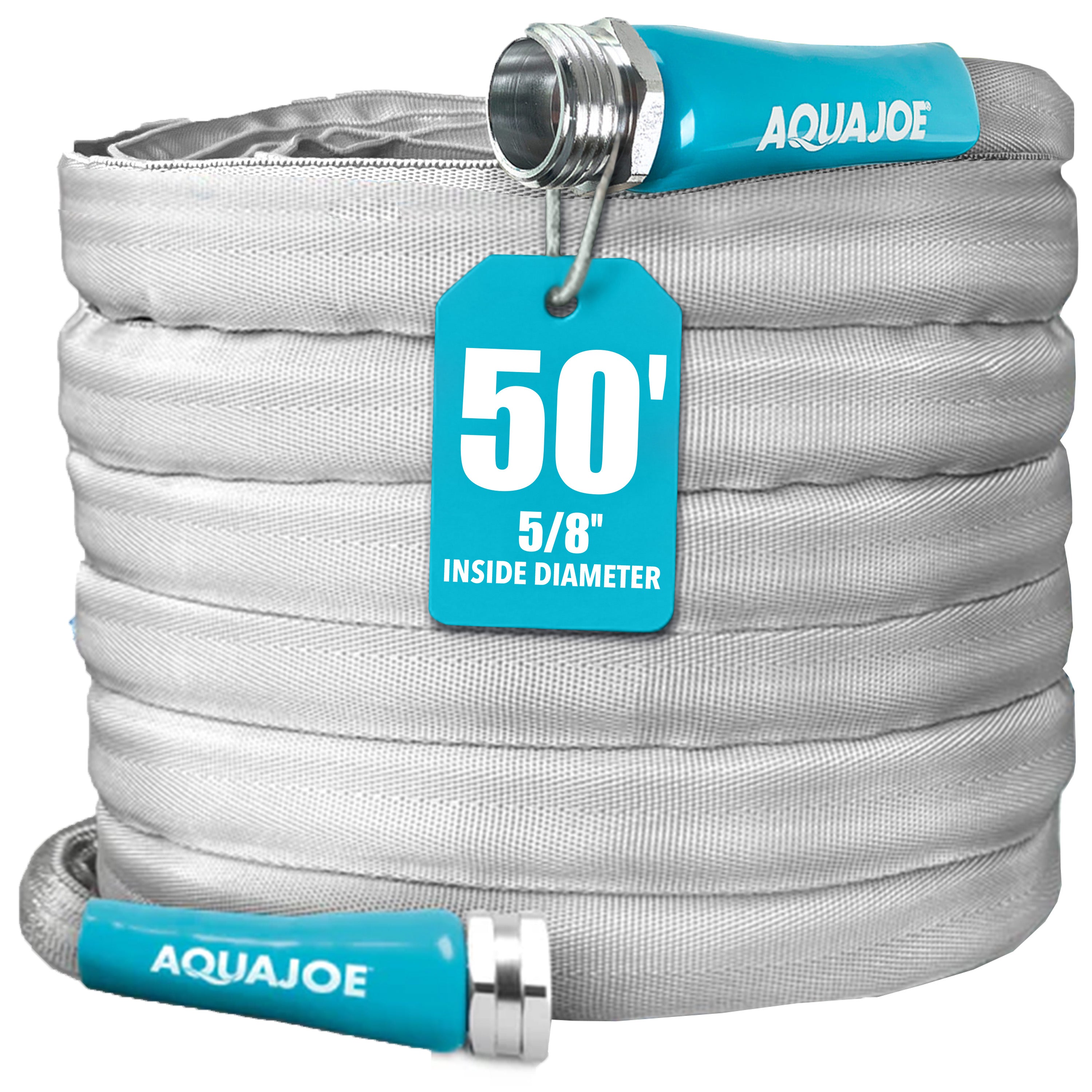
Five-eighths inch hoses are the most popular choice. They balance water flow and ease of use. This size fits most garden spigots and watering tools.
Three-quarter Inch Diameter Hoses
Three-quarter inch hoses deliver more water flow. They work well for larger gardens and heavy watering jobs. These hoses are thicker and heavier.
Comparison Of Common Hose Sizes
| Diameter | Water Flow | Best For | Weight |
| ½ inch | Low | Small gardens, light watering | Light |
| 5/8 inch | Medium | Most garden tasks | Medium |
| ¾ inch | High | Large gardens, heavy watering | Heavy |
Factors Affecting Hose Selection
Choosing the right diameter garden hose is important for good water flow. The hose size affects how much water passes through it.
Several factors affect which hose diameter you should pick. These factors help you use water efficiently and avoid problems.
Water Pressure Considerations
Water pressure is the force that pushes water through the hose. Higher pressure means water moves faster.
If the hose diameter is too small, high pressure can cause damage. Low pressure may not push water well through a large hose.
- Check your home water pressure before choosing a hose
- Match hose diameter to the pressure for best performance
- Too small diameter may burst under high pressure
Length And Diameter Relationship
Longer hoses need a larger diameter to keep water flow steady. Water slows down in thin, long hoses.
Short hoses can work well with smaller diameters. Long hoses lose pressure if the diameter is too small.
- Longer hose = bigger diameter for good flow
- Short hose can use smaller diameter
- Balance length and diameter to save water and effort
Flow Rate Requirements
Flow rate is how much water moves through the hose per minute. Larger diameter hoses allow more water to flow.
Think about what you need the hose for. Watering plants may need less flow than washing a car.
- High flow rate needs larger diameter hose
- Low flow tasks work with smaller diameter
- Match flow rate to your gardening or cleaning needs
Choosing The Right Size For Your Needs
Picking the right garden hose diameter helps water flow better. It also makes your work easier and saves water.
Different uses need different hose sizes. Understanding these sizes helps you pick the best hose.
Residential Use
Most homes use hoses for watering gardens and washing cars. A 5/8 inch diameter hose works well here. It gives good water flow without being too heavy.
Smaller hoses like 1/2 inch are lighter but may have lower water flow. Larger hoses like 3/4 inch bring more water but can be harder to handle.
- 1/2 inch: Light and easy to carry
- 5/8 inch: Best balance for home use
- 3/4 inch: Higher flow, heavier hose
Commercial And Industrial Applications
Businesses often need hoses for heavy watering or cleaning. Bigger diameters like 3/4 inch or 1 inch are common. They allow more water to flow fast.
Large hoses reduce pressure loss over long distances. This helps save time and energy in big jobs.
- 3/4 inch: Good for most commercial tasks
- 1 inch: Used for heavy-duty watering
- 1 1/2 inch or more: Industrial jobs needing high flow
Specialty Applications
Some tasks need special hose sizes. For example, drip irrigation uses small hoses like 1/4 inch to control water flow. Fire hoses are very large to deliver lots of water fast.
Choosing the right diameter helps these systems work well and saves water or energy.
- 1/4 inch: Drip irrigation and precise watering
- 1 inch: Pool filling and medium flow needs
- 2 inches or more: Fire hoses and large water delivery
Material And Durability
The diameter garden hose you choose depends on its material and durability. These factors affect how long the hose lasts and how well it works.
Different materials offer different strengths and weaknesses. Understanding these helps you pick the right hose for your garden.
Rubber Vs. Vinyl
Rubber hoses are strong and last a long time. They stay flexible in cold weather and resist cracking.
Vinyl hoses are lighter and cheaper. They work well in warm weather but can crack or become stiff over time.
- Rubber hoses handle heat and cold better
- Vinyl hoses are easy to carry and store
- Rubber lasts longer but costs more
- Vinyl is less durable but more affordable
Reinforced Options
Reinforced hoses have extra layers to improve strength. These layers stop the hose from kinking and bursting.
Common reinforcement materials include mesh or fabric inside the hose walls. These make the hose more durable and flexible.
- Mesh reinforcement increases pressure resistance
- Fabric layers add toughness and prevent leaks
- Reinforced hoses last longer under heavy use
- They can handle higher water pressure safely

Credit: www.amazon.com
Maintenance Tips For Longevity
Keeping your garden hose in good shape helps it last longer. Simple care and smart storage prevent damage. This guide shares easy tips to maintain your hose.
Regular attention avoids leaks and cracks. Proper cleaning removes dirt and buildup. Follow these steps to protect your garden hose over time.
Storage Solutions
Store your garden hose in a cool, dry place. Avoid direct sunlight to prevent material breakdown. Coil the hose loosely to stop kinks and bends.
- Use a hose reel or hanger to keep it off the ground
- Drain water from the hose before storing
- Store indoors during winter to prevent freezing
- Avoid sharp bends or twisting when coiling
Cleaning And Care
Cleaning your hose removes dirt and prevents clogging. Check for leaks or weak spots regularly. Fix small issues before they get worse.
| Cleaning Tip | How To Do It |
| Flush with water | Run water through the hose to clear debris |
| Use mild soap | Wash the outside with soapy water and a soft cloth |
| Rinse well | Make sure no soap remains on the hose |
| Dry completely | Let the hose air dry before storing |
Troubleshooting Common Issues
Garden hoses come in different diameters that affect water flow. Sometimes, hoses have problems that stop water from flowing well.
This guide covers two common issues with garden hoses. You will learn how to find and fix these problems easily.
Low Water Pressure
Low water pressure can make watering your garden slow and frustrating. The hose diameter affects pressure and flow rate. Smaller hoses often have less pressure at the end.
- Check if the hose is kinked or bent, which blocks water flow.
- Inspect the hose diameter. Thinner hoses limit water volume.
- Clean or replace clogged hose nozzles or connectors.
- Make sure the water source valve is fully open.
- Look for leaks that reduce pressure along the hose.
Leaks And Repairs
Leaks waste water and lower pressure. Leaks happen from holes, cracks, or broken connectors. Fixing leaks depends on the hose diameter and material.
| Leak Type | Cause | Repair Method | Notes |
|---|---|---|---|
| Small Hole | Puncture or wear | Use waterproof tape or patch kit | Works for all hose sizes |
| Crack | Age or sun damage | Replace hose section or entire hose | Check diameter before buying replacement |
| Connector Leak | Loose or damaged fittings | Tighten or replace connector | Use fittings matching hose diameter |
Frequently Asked Questions
What Is The Standard Diameter For Garden Hoses?
The most common garden hose diameter is 5/8 inch. It balances water flow and ease of use well. This size suits most home gardening tasks efficiently.
How Does Hose Diameter Affect Water Pressure?
Larger diameters allow more water flow but can reduce pressure. Smaller diameters increase pressure but limit flow volume. Choose diameter based on your watering needs and water source.
Which Diameter Is Best For Long Garden Hoses?
For hoses longer than 50 feet, a 3/4 inch diameter is ideal. It maintains good water flow and pressure over distance, preventing significant pressure drops.
Can I Connect Different Diameter Hoses Together?
Yes, using appropriate adapters you can connect hoses of different diameters. Ensure fittings match to avoid leaks and maintain proper water pressure.
Conclusion
Choosing the right garden hose diameter saves water and time. Smaller hoses suit light watering and tight spaces. Larger hoses deliver more water for bigger gardens. Think about your watering needs before buying. A good hose makes gardening easier and more fun.
Take your time and pick the best size. This way, your plants get the care they need. Simple choices lead to better garden results.