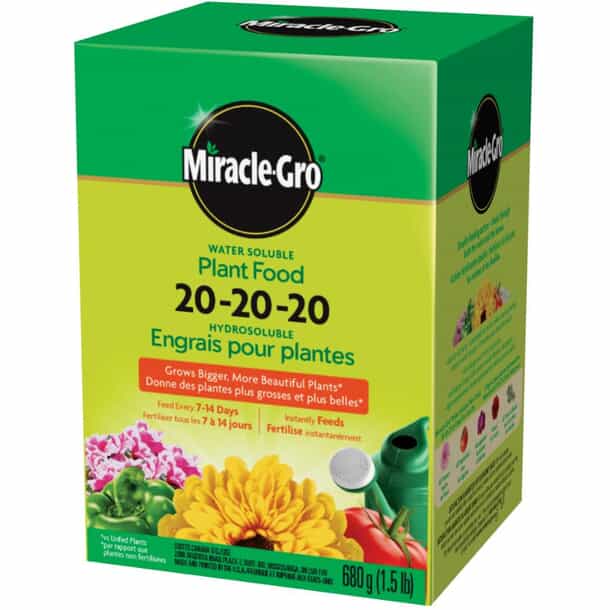
Have you ever wondered what makes your plants grow strong and healthy? The answer lies in something called plant food.
Just like you need the right nutrients to stay energized, your plants rely on plant food to thrive. But what exactly is plant food, and why is it so important for your garden or indoor plants? Keep reading to discover the simple secrets behind plant food and how it can transform your green space into a lush, vibrant oasis.
This knowledge will help you care for your plants like a pro, ensuring they get exactly what they need to flourish.
Basics Of Plant Food
Plant food is essential for healthy growth. It provides nutrients plants need to live and thrive.
Understanding what plant food contains helps gardeners and farmers support strong plants.
What Plant Food Contains
Plant food usually has three main nutrients. These nutrients help plants grow leaves, roots, and fruits.
- Nitrogen (N):Helps plants grow green leaves and stems.
- Phosphorus (P):Supports root development and flower production.
- Potassium (K):Strengthens plants and improves disease resistance.
Besides these, plant food may include secondary nutrients and trace minerals.
How Plants Absorb Nutrients
Plants take in nutrients mainly through their roots. Water helps dissolve nutrients in the soil.
| Process | Description |
| Root Uptake | Roots absorb water with dissolved nutrients from the soil. |
| Transport | Nutrients move through the plant’s vessels to leaves and stems. |
| Photosynthesis | Leaves use nutrients to make food for the plant. |
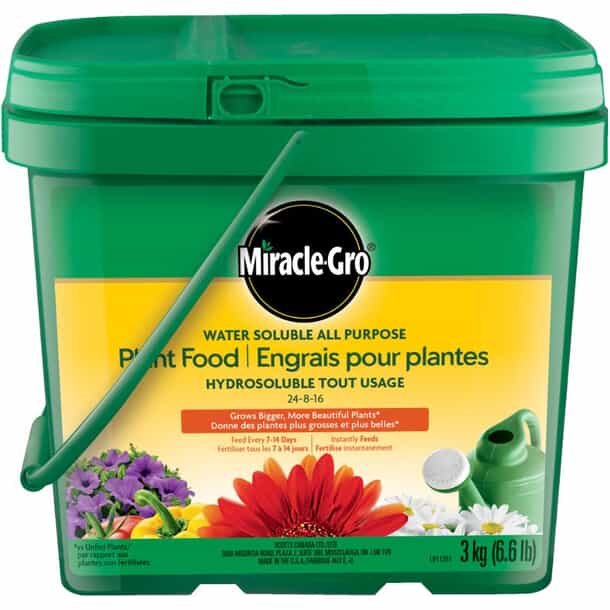
Credit: www.homehardware.ca
Types Of Plant Food
Plants need food to grow strong and healthy. Plant food gives them nutrients to help roots, stems, and leaves develop well. There are different types of plant food available for gardeners.
Understanding the types helps you choose the right food for your plants. Each type works in a different way and suits different plants and soil types.
Organic Plant Foods
Organic plant foods come from natural sources like plants and animals. They release nutrients slowly, feeding plants over time. This helps improve soil health and supports beneficial microbes.
Common organic plant foods include compost, manure, bone meal, and seaweed extract. These foods add nutrients and help keep the soil rich and alive.
- Compost: decomposed plant and food waste
- Manure: animal waste rich in nitrogen
- Bone meal: ground animal bones with phosphorus
- Seaweed extract: liquid from sea plants full of minerals
Synthetic Fertilizers
Synthetic fertilizers are made in factories. They contain specific amounts of nutrients like nitrogen, phosphorus, and potassium. These fertilizers work fast and show quick results.
They come in different formulas for various plants and soils. Synthetic fertilizers can be harmful if overused because they may damage soil life.
- Nitrogen (N) helps leaves grow green and healthy
- Phosphorus (P) supports root and flower development
- Potassium (K) strengthens plants and improves disease resistance
Liquid Vs. Granular Forms
Plant food comes in liquid and granular forms. Liquid fertilizers dissolve in water and feed plants quickly. Granular fertilizers are small pellets that release nutrients slowly.
Liquid forms work well for fast growth or when plants need a quick nutrient boost. Granular forms last longer and are easier to apply over large areas.
- Liquid:fast absorption, good for foliar feeding
- Granular:slow release, easier for soil feeding
- Choose form based on plant needs and growing conditions
Key Nutrients For Growth
Plants need nutrients to grow healthy and strong. These nutrients come from soil and fertilizers.
Understanding the key nutrients helps you give plants what they need to thrive. Let’s explore these essential elements.
Macronutrients: Npk Explained
Macronutrients are needed in large amounts. The main ones are Nitrogen (N), Phosphorus (P), and Potassium (K).
- Nitrogen (N):Helps leaves grow green and strong.
- Phosphorus (P):Supports root and flower development.
- Potassium (K):Aids overall plant health and disease resistance.
Micronutrients And Their Roles
Micronutrients are needed in smaller amounts, but they are still important. They help plants with specific functions.
| Micronutrient | Role |
| Iron | Helps in chlorophyll production |
| Zinc | Assists in enzyme functions |
| Boron | Aids in cell wall formation |
Giving your plants the right balance of nutrients ensures they grow healthy and produce bountiful yields.
Natural Ways To Boost Growth
Plant food helps plants get the nutrients they need. Natural methods support growth without chemicals.
Using natural materials improves soil and keeps plants healthy. These methods work with nature to boost plant strength.
Using Compost And Manure
Compost and manure add rich nutrients to the soil. They help plants grow strong and healthy.
- Compost is made from decomposed organic matter like leaves and food scraps.
- Manure comes from animals and is full of nitrogen and minerals.
- Both improve soil texture and water retention.
- They release nutrients slowly for steady plant feeding.
Beneficial Microorganisms
Beneficial microorganisms live in soil and help plants absorb nutrients. They protect roots from harmful germs.
| Microorganism Type | Benefit to Plants |
| Mycorrhizal Fungi | Increases root absorption |
| Rhizobacteria | Boosts nutrient uptake |
| Decomposers | Break down organic matter |
Mulching And Soil Health
Mulching covers soil to keep moisture and stop weeds. It also adds nutrients as it breaks down.
- Use organic mulches like straw, leaves, or grass clippings.
- Keep mulch a few inches away from plant stems.
- Mulch helps keep soil temperature steady.
- It reduces soil erosion and improves soil life.
Applying Plant Food Correctly
Plant food helps plants grow strong and healthy. Using it the right way improves plant health and growth. Applying plant food properly saves money and avoids damage.
Learn about timing, dosage, and how to avoid feeding plants too much. These tips help your plants get the right nutrients at the right time.
Timing And Frequency
Give plant food when plants need it most. Usually, this is during their active growing season. Avoid feeding when plants are dormant or not growing.
- Feed early in the morning or late in the afternoon
- Apply plant food every 2 to 4 weeks, depending on the type
- Follow instructions for seasonal feeding schedules
Proper Dosage
Use the right amount of plant food to keep plants healthy. Too little may not help plants grow well. Too much can harm them.
| Plant Type | Recommended Dosage |
| Flowering plants | 1 tablespoon per gallon of water |
| Vegetables | 2 tablespoons per gallon of water |
| Houseplants | 1 teaspoon per gallon of water |
| Lawns | 4 pounds per 1,000 sq. ft. |
Avoiding Overfeeding
Too much plant food can burn roots and cause leaf damage. Watch plants for signs of overfeeding like yellow leaves or wilting.
- Always measure plant food carefully.
- Do not feed more often than recommended.
- Flush soil with water if you suspect overfeeding.
- Use slow-release fertilizers when possible.
Signs Of Nutrient Deficiency
Plants need nutrients to grow strong and healthy. Without enough nutrients, they show clear signs. Knowing these signs helps you take care of your plants better.
Nutrient deficiencies affect leaves, growth, and flowers. Watch your plants closely to spot problems early.
Yellowing Leaves
Yellow leaves often mean your plant lacks important nutrients like nitrogen or iron. This is called chlorosis. It reduces the plant’s ability to make food through photosynthesis.
- Older leaves turn yellow first if nitrogen is low.
- Yellowing between leaf veins shows iron deficiency.
- Yellow tips may indicate potassium shortage.
Stunted Growth
Plants that grow slowly or stay small might lack nutrients like phosphorus or potassium. These nutrients support root and stem development.
| Nutrient | Effect of Deficiency |
| Phosphorus | Slow growth and weak roots |
| Potassium | Thin stems and small leaves |
| Calcium | Deformed new leaves and tips |
Poor Flowering Or Fruiting
Low nutrients can cause fewer flowers or fruits. Lack of potassium and phosphorus are common reasons.
Signs of poor flowering or fruiting include:
- Small or no flowers
- Fruits drop early
- Flowers do not open fully
Sustainable Plant Feeding Practices
Plant food helps plants grow strong and healthy. Using sustainable ways to feed plants keeps the earth safe.
Sustainable plant feeding means using natural and safe methods. It protects the soil, water, and living things around plants.
Reducing Chemical Use
Too many chemicals can harm plants and animals. Using fewer chemicals helps keep the environment clean.
Natural fertilizers like compost and manure feed plants without bad effects. These options improve soil health over time.
- Use compost made from kitchen scraps
- Apply manure from farm animals
- Choose organic fertilizers
- Test soil before adding nutrients
Promoting Biodiversity
Biodiversity means many different plants and animals live together. It helps plants stay healthy and resist pests.
Planting different kinds of plants supports insects and birds. These animals help pollinate plants and control pests naturally.
- Grow flowers to attract pollinators
- Plant native species for local wildlife
- Avoid removing natural habitats
- Use mixed crops instead of one type
Water Conservation Tips
Water is important for plants but should be used carefully. Saving water protects resources and helps plants grow better.
Water plants early in the morning or late at night. This reduces evaporation and keeps soil moist longer.
- Use drip irrigation to save water
- Mulch soil to keep moisture in
- Collect rainwater for watering
- Avoid overwatering plants
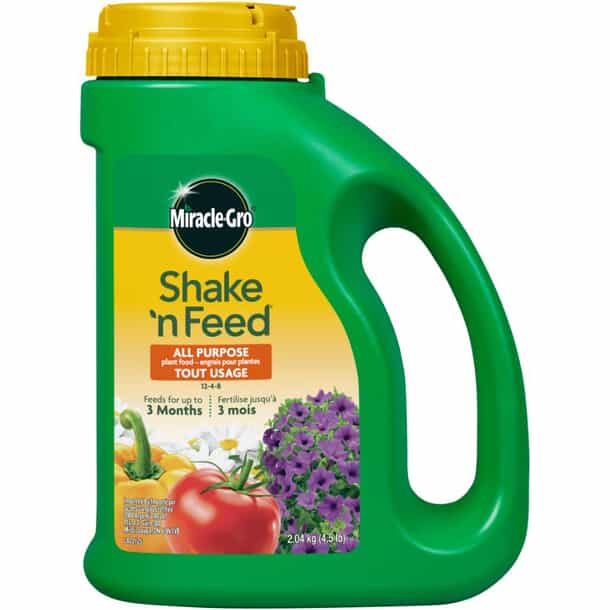
Credit: www.homehardware.ca

Credit: www.amazon.ca
Frequently Asked Questions
What Is The Main Purpose Of Plant Food?
Plant food provides essential nutrients that support growth, development, and overall health. It helps plants produce energy, build tissues, and resist diseases. Proper plant food improves yield and quality.
How Does Plant Food Differ From Fertilizer?
Plant food contains nutrients plants directly use, while fertilizer is a source of these nutrients. Fertilizers release nutrients slowly or quickly to nourish plants. Both support plant health but serve different roles.
What Are The Key Nutrients In Plant Food?
The primary nutrients are nitrogen (N), phosphorus (P), and potassium (K). These macronutrients promote leaf growth, root development, and flower production. Secondary nutrients and trace elements also support plant functions.
Can Plant Food Improve Soil Quality?
Yes, some plant foods enhance soil by adding organic matter and nutrients. This improves soil structure, moisture retention, and microbial activity. Healthy soil supports stronger, more resilient plants.
Conclusion
Plant food helps plants grow strong and healthy. It gives them the nutrients they need. Using the right plant food can improve plant color and size. Always follow instructions to avoid harming your plants. Healthy plants lead to a beautiful garden or home.
Remember, good care and proper food go hand in hand. Start with simple plant food and watch your plants thrive. Growing plants is rewarding and fun with the right help.