
Are you wondering what to plant in your small raised garden bed? Choosing the right plants can make all the difference between a thriving garden and a patch of wasted space.
You want your garden to be full of life, color, and fresh produce—but with limited room, every choice counts. You’ll discover easy-to-grow plants that fit perfectly in small raised beds and tips to help you maximize your garden’s potential. Ready to turn your small space into a green oasis?
Let’s dive in!
Choosing Plants For Small Beds
Small raised garden beds need careful plant choices. Pick plants that use space well.
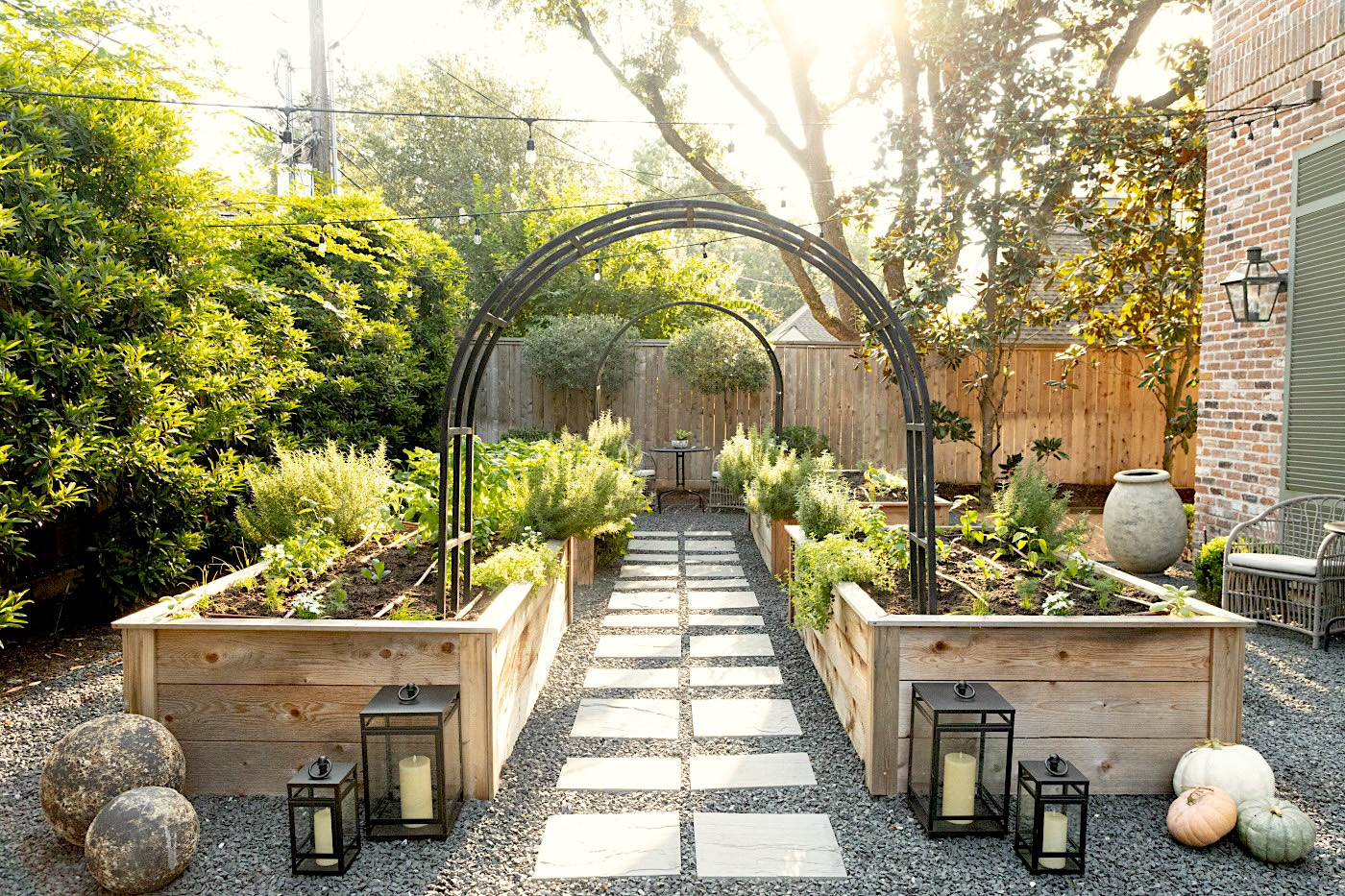
Choosing the right plants helps your garden look full and healthy. You can grow vegetables, herbs, flowers, and even succulents.
Compact Vegetables
Compact vegetables grow well in small spaces. They give you fresh produce without crowding.
- Baby carrots
- Radishes
- Leafy greens like spinach and lettuce
- Cherry tomatoes
- Peppers
Herbs That Thrive
Herbs are perfect for small beds. They add flavor to meals and look nice too.
| Herb | Light Needs | Water Needs |
| Basil | Full sun | Moderate |
| Thyme | Full sun | Low |
| Mint | Partial shade | High |
| Parsley | Partial sun | Moderate |
Colorful Flowers
Flowers brighten small garden beds. Choose ones that stay small but bloom well.
- Marigolds
- Pansies
- Petunias
- Alyssum
- Snapdragons
Succulents And Cacti
Succulents and cacti need little space and water. They add interesting shapes and textures.


Credit: www.gardenary.com
Vegetables Suited For Raised Beds
Small raised garden beds are perfect for growing many types of vegetables. They offer good soil drainage and warmth for plants.
Choosing the right vegetables helps you use space well and get a great harvest. Some vegetables grow better in raised beds than others.
Lettuce And Greens
Lettuce and leafy greens grow quickly in raised beds. They prefer cooler weather and loose, rich soil. Raised beds help keep the soil from becoming compacted.
These vegetables can be planted close together. You can harvest leaves often, which encourages new growth.
- Leaf lettuce
- Spinach
- Kale
- Swiss chard
Radishes And Carrots
Radishes and carrots like deep, loose soil. Raised beds give them room to grow straight and long. These root vegetables grow fast and need good drainage.
Both radishes and carrots do well in cool weather. You can plant them early in the spring or late in the summer for a fall harvest.
- Radishes mature in about 3 to 4 weeks
- Carrots take longer, about 2 to 3 months
- Thin seedlings to prevent crowding
Bush Beans And Peas
Bush beans and peas are great for small raised beds. They don’t need much space to spread. These plants fix nitrogen in the soil, helping other plants grow.
Peas grow best in cool weather, while bush beans prefer warmer soil. Both can be harvested multiple times during the season.
- Bush beans grow in compact bushes
- Peas can climb small supports
- Harvest beans and peas when pods are full
Cherry Tomatoes
Cherry tomatoes thrive in raised beds because the soil warms quickly. They need full sun and support like cages or stakes to grow well.
These tomatoes produce many small fruits that ripen over time. Raised beds help keep soil healthy and reduce pests.
- Choose compact or bush varieties
- Water regularly but avoid wetting leaves
- Harvest when fruits are fully red
Herbs That Fit Small Spaces
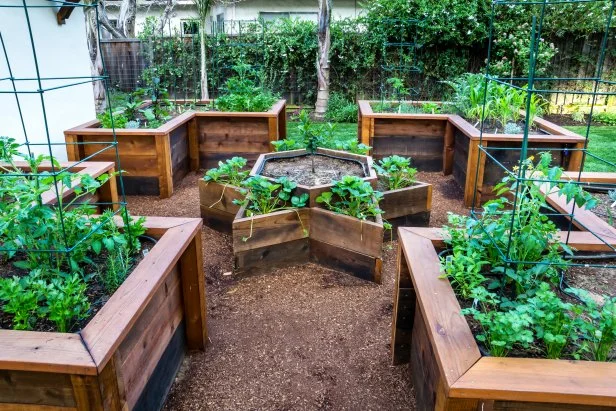
Small raised garden beds are perfect for growing herbs. They save space and provide fresh ingredients for your meals.
Herbs grow well in small areas and need little care. Here are some herbs that fit perfectly in a small raised garden bed.
Basil And Parsley
Basil is a popular herb that thrives in small spaces. It loves sun and well-drained soil. You can use its leaves in many dishes.
Parsley is another great choice. It grows easily and adds flavor to soups and salads. It likes partial sun and regular watering.
Thyme And Oregano
Thyme is a small herb that grows well in pots or beds. It needs full sun and well-drained soil. Thyme adds a nice flavor to meats.
Oregano is perfect for small gardens. It is hardy and easy to care for. Use oregano in sauces and pizza toppings.
Chives And Mint
Chives are a great choice for small spaces. They are easy to grow and taste like onions. Use them in salads and omelets.
Mint grows quickly and spreads fast. It needs regular watering and partial shade. Mint is great for teas and desserts.
- Basil loves sun and well-drained soil
- Parsley prefers partial sun and regular watering
- Thyme needs full sun and well-drained soil
- Oregano is hardy and easy to care for
- Chives taste like onions and are easy to grow
- Mint grows quickly and is great for teas
Credit: www.hgtv.com
Flower Choices For Visual Appeal
Choosing flowers for a small raised garden bed can add color and charm. Bright flowers bring life to limited spaces.
Pick flowers that grow well in small spaces and offer lasting blooms. This helps keep your garden neat and pretty.
Marigolds And Pansies
Marigolds have bright orange and yellow flowers that attract bees. They also help keep pests away.
Pansies come in many colors and have a soft, friendly look. They grow well in cooler weather and small spaces.
Nasturtiums
Nasturtiums have bright red, orange, and yellow flowers. Their round leaves add nice texture to the garden.
These flowers are easy to grow and can trail over the edges of your raised bed. They also attract pollinators.
Petunias And Geraniums
Petunias offer many colors and bloom all summer long. They fill small garden beds with cheerful flowers.
Geraniums have round clusters of flowers and strong stems. They are drought-tolerant and add a classic look.
Planting Tips For Success
Growing plants in a small raised garden bed can be very rewarding. Good care helps your plants thrive and produce better.
Use these tips to prepare your garden bed and care for your plants. This will give you a healthy and productive garden.
Soil Preparation
Start with rich, loose soil for good root growth. Add compost or organic matter to improve soil quality and drainage.
- Remove weeds and debris before planting
- Mix compost or aged manure into the soil
- Test soil pH and adjust if needed (6.0 to 7.0 is ideal)
- Break up large clumps for smooth soil texture
Sunlight Needs
Most vegetables and flowers need 6 to 8 hours of sunlight daily. Place your raised bed in a sunny spot for best results.
If sunlight is limited, choose shade-tolerant plants. Watch for shadows from trees or buildings that may block light.
Watering Practices
Keep soil moist but not waterlogged. Water early in the morning to reduce evaporation and help plants absorb water.
| Watering Tip | Advice |
| Frequency | Water 2-3 times per week, more if hot |
| Amount | Soak soil deeply to reach roots |
| Method | Use drip irrigation or gentle watering can |
| Avoid | Wet leaves to prevent disease |
Spacing And Depth
Plant seeds or seedlings at the right depth and space. This helps plants grow strong and stops crowding.
- Check seed packets for recommended planting depth
- Leave enough space for mature plant size
- Thin seedlings if they grow too close together
- Use stakes or supports for tall plants

Credit: www.hgtv.com
Maintenance And Care
Small raised garden beds need regular care to keep plants healthy. Proper maintenance helps plants grow strong and produce well.
Simple tasks like watering, feeding, and checking for pests keep your garden in good shape.
Fertilizing Small Beds
Plants in small raised beds need nutrients to grow well. Fertilizing gives them the food they need.
Use balanced fertilizers with nitrogen, phosphorus, and potassium. Organic compost is also a good choice.
- Apply fertilizer every 3 to 4 weeks during growing season
- Use slow-release or liquid fertilizers for steady feeding
- Mix compost into soil before planting for long-term nutrition
Pest Control
Watch your plants closely for signs of pests. Early action prevents damage to your garden.
Use natural methods like handpicking bugs or spraying with soapy water. Avoid harsh chemicals.
- Check leaves for holes, spots, or sticky residue
- Remove pests by hand or with water spray
- Encourage beneficial insects like ladybugs to control pests
Pruning And Harvesting
Prune plants to remove dead or crowded growth. This helps air flow and plant health.
Harvest vegetables and herbs regularly. Picking at the right time keeps plants producing more.
- Cut off yellow or dead leaves to prevent disease
- Harvest fruits and vegetables when ripe but firm
- Trim herbs to encourage fresh new growth
Frequently Asked Questions
What Vegetables Grow Best In Small Raised Beds?
Leafy greens like spinach, lettuce, and kale thrive in small raised beds. Root vegetables such as radishes and carrots also grow well. These plants need minimal space and mature quickly, making them ideal choices for compact garden areas.
Can Herbs Be Planted In Small Raised Garden Beds?
Yes, herbs like basil, parsley, thyme, and cilantro grow perfectly in small raised beds. They require little space and prefer well-drained soil, which raised beds provide. Herbs also add flavor and fragrance to your garden without overcrowding.
How To Maximize Space In A Small Raised Garden Bed?
Use vertical gardening methods such as trellises or cages to grow vining plants. Plant compact, slow-growing crops and practice succession planting to harvest multiple crops per season. This approach increases yield without needing a larger garden area.
Are Small Raised Beds Suitable For Fruit Plants?
Small fruit plants like strawberries and dwarf tomato varieties grow well in raised beds. These plants require good drainage and rich soil, which raised beds offer. Choose compact fruit varieties to fit the limited space effectively.
Conclusion
Small raised garden beds offer great space for many plants. Choose vegetables, herbs, or flowers that grow well in limited areas. Keep soil healthy and water regularly for best results. Planting in small beds can save space and bring fresh food.
Enjoy watching your garden grow and thrive each day. Happy gardening!