Mastering heat control on your charcoal grill can turn every cookout into a delicious success. If you’ve ever struggled with burning your food or ending up with undercooked meals, you’re not alone.
But what if you could easily manage the temperature and cook your favorite dishes just the way you like them? You’ll discover simple, proven techniques to control the heat on your charcoal grill like a pro. Get ready to impress your family and friends with perfectly grilled meals every time.
Keep reading—your best BBQ is just a few tips away!

Credit: www.reddit.com
Choosing The Right Charcoal
Controlling heat on a charcoal grill starts with the charcoal you select. The type and quality of charcoal affect how long and how hot your fire burns.
Choosing the right charcoal helps you cook food evenly and manage temperature better. This guide explains key points about charcoal types and quality.
Types Of Charcoal
You can find several types of charcoal for grilling. Each type has different burning properties and heat levels.
- Lump Charcoal:Made from natural wood chunks. Burns hotter and faster.
- Charcoal Briquettes:Made from compressed sawdust and coal. Burns longer and steady.
- Instant Light Charcoal:Contains chemicals to light quickly. May affect flavor.
- Natural Hardwood Briquettes:Made from hardwood without additives. Offers good heat and flavor.
Quality Vs. Quantity
Good quality charcoal produces consistent heat and less ash. Buying more charcoal does not always mean better grilling.
| Quality Factor | Effect on Grill | What to Look For |
|---|---|---|
| Size of Pieces | Uniform size burns evenly | Look for similar-sized chunks or briquettes |
| Moisture Content | Dry charcoal lights easily and burns hotter | Choose dry, well-stored charcoal |
| Impurities | Fewer chemicals mean better flavor | Avoid charcoal with fillers or additives |
| Amount Used | Too much can cause flare-ups | Use only what you need for cooking time |
Setting Up Your Grill
Controlling heat on a charcoal grill starts with proper setup. You need to arrange the charcoal and adjust the vents correctly.
These steps help you cook food evenly and avoid burning or undercooking.
Charcoal Arrangement Techniques
How you place the charcoal affects the grill’s heat zones. You can create different temperatures for cooking various foods.
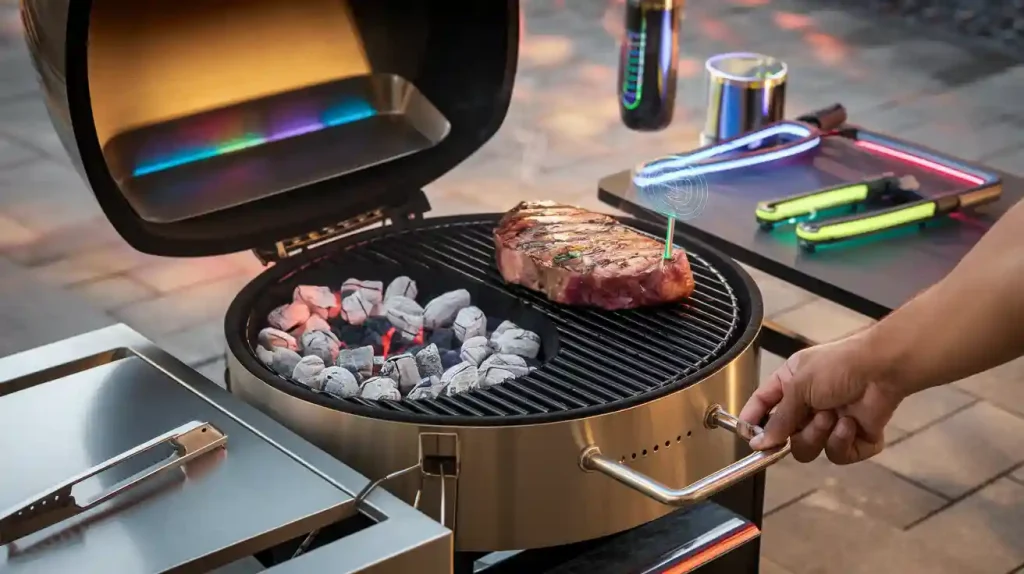
- Direct Heat:Spread charcoal evenly for high heat cooking.
- Indirect Heat:Push charcoal to one side to cook food slowly on the other side.
- Two-Zone Fire:Arrange charcoal in a pile on one side and leave the other side empty for temperature control.
- Snake Method:Place charcoal in a circle or line to make long, slow-burning heat.
Using Grill Vents
Grill vents control airflow and temperature. Opening vents more increases heat, while closing them lowers it.
| Vent Position | Effect on Heat |
| Fully Open | Maximum airflow, higher heat |
| Half Open | Moderate airflow, medium heat |
| Mostly Closed | Low airflow, low heat |
| Closed | Minimal airflow, fire may go out |
Lighting The Charcoal
Lighting charcoal is key for a successful grilling experience. Knowing how to do it safely can enhance your grilling skills.
There are several methods to ignite charcoal effectively without compromising safety or flavor. Let’s explore some of them.
Safe Ignition Methods
Using safe methods to light charcoal helps in achieving the right temperature. It also ensures a clean and healthy grilling environment.
- Use a chimney starter for even ignition.
- Consider an electric starter as a smoke-free option.
- Natural fire starters can be a great eco-friendly choice.
Avoiding Lighter Fluid
Lighter fluid can add unwanted chemicals and flavors to your food. It’s best to avoid using it when lighting charcoal.
Try alternative methods like:
- Using newspaper with a chimney starter.
- Opting for natural firelighters.
- Investing in an electric charcoal starter.
Credit: www.spiritedpuddlejumper.com
Managing Airflow
Controlling airflow is key to managing heat on a charcoal grill. Air moves oxygen to the coals, making them burn hotter or cooler.
Understanding how to adjust vents helps you cook food evenly and avoid flare-ups. You can control the temperature by opening or closing vents.
Controlling Bottom Vents
Bottom vents let air enter the grill and feed the charcoal. Opening them increases oxygen flow and heat. Closing them lowers oxygen and cools the coals.
- Open vents fully for high heat and fast cooking.
- Close vents halfway to maintain medium heat.
- Close vents mostly to lower heat for slow cooking.
- Keep vents slightly open to keep coals burning without flare-ups.
Adjusting Top Vents
Top vents control how air and smoke exit the grill. Opening them allows hot air to escape and keeps air moving. Closing them traps heat inside.
| Vent Setting | Effect on Grill |
| Fully Open | High airflow, hotter temperature, faster burning |
| Half Open | Moderate airflow, steady heat |
| Mostly Closed | Low airflow, retains heat, slower cooking |
| Closed | Risk of smoke buildup, low oxygen to coals |
Temperature Zones
Controlling heat on a charcoal grill is key to cooking food well. Using different temperature zones helps you cook many foods at once.
Temperature zones mean creating areas with different heat levels on your grill. This lets you cook fast or slow as needed.
Creating Direct And Indirect Heat Areas
Direct heat means placing food right over the coals. This area is very hot and good for quick cooking.
Indirect heat means placing food away from the coals. This zone cooks food slowly and evenly without burning.
- Push coals to one side for indirect heat on the other side
- Spread coals evenly for direct heat across the grill
- Use a drip pan under the indirect heat area to catch drips
- Close the lid to keep heat steady in indirect zones
Using Heat Zones For Different Foods
High heat zones are good for searing meat and grilling vegetables fast. Low heat zones help cook thick or delicate foods slowly.
Use direct heat for burgers, steaks, and shrimp. Use indirect heat for larger cuts like ribs and whole chickens.
- Direct heat: steaks, burgers, hot dogs, veggies
- Indirect heat: roasts, ribs, whole chicken, fish
- Start foods on direct heat, then move to indirect to finish cooking
- Use a thermometer to check food temperature for safety
Monitoring Grill Temperature
Controlling heat on a charcoal grill is important for cooking food well. Watching the grill temperature helps you keep the right heat level.
There are different ways to check the heat on your grill. Using the right tools can make grilling easier and better.
Using Built-in Thermometers
Many charcoal grills come with built-in thermometers on the lid. These thermometers show the temperature inside the grill.
Place the lid on the grill to get a reading. The thermometer helps you see if the grill is too hot, too cold, or just right.
- Check the thermometer before cooking
- Keep the lid closed to keep heat steady
- Watch for big temperature changes
Employing External Temperature Tools
External tools give more accurate temperature readings. You can use digital or analog thermometers for better control.
Some tools have probes that go inside the grill or food. Others show temperature on a screen, making it easy to read.
- Use a digital thermometer with a probe for precise heat
- Place the probe near the charcoal or food
- Monitor the temperature without opening the grill
Adjusting Heat During Cooking
Controlling heat on a charcoal grill helps cook food evenly. It keeps your food from burning or staying undercooked.
You can adjust heat by changing charcoal or moving food on the grill. These actions help keep the temperature just right.
Adding Or Removing Charcoal
Adding charcoal raises the heat quickly. You can add fresh charcoal to keep the fire hot.
Removing charcoal lowers the heat. Let some coals burn out or take out some pieces to cool the grill.
- Add charcoal for higher heat and faster cooking
- Remove charcoal to reduce heat and slow cooking
- Spread coals for even heat
- Group coals for focused heat
Moving Food For Temperature Control
Moving food on the grill changes how much heat it gets. You can move food to hotter or cooler spots as needed.
Use different grill zones to control cooking speed. Place food on high heat for searing and low heat for slow cooking.
- Move food closer to coals for more heat
- Move food away from coals for less heat
- Use a two-zone fire: one side hot, one side cool
- Shift food between zones to avoid burning

Credit: sunliferbbq.com
Troubleshooting Common Heat Issues
Controlling heat on a charcoal grill can be tricky. Many people face problems with uneven cooking or sudden temperature changes.
This guide will help you fix hot spots and manage temperature drops to get better grilling results.
Fixing Hot Spots
Hot spots happen when some areas of the grill get hotter than others. This causes food to cook unevenly or burn.
- Move coals around to spread heat evenly.
- Use a two-zone fire by placing coals on one side only.
- Raise the grill grate higher to reduce direct heat.
- Place a drip pan under food to block heat from below.
Dealing With Temperature Drops
Temperature drops can happen when the grill loses heat quickly. This slows cooking and can affect food taste.
| Cause | Solution |
| Opening the lid too often | Keep lid closed as much as possible |
| Running out of charcoal | Add fresh charcoal gradually |
| Wind cooling the grill | Shield grill from wind or move it to a sheltered spot |
| Air vents closed too much | Adjust vents to allow steady airflow |
Tips For Consistent Results
Controlling heat on a charcoal grill is key for good cooking. Keeping the temperature steady helps food cook evenly.
These tips will help you manage heat for better grilling results every time.
Preheating The Grill
Always preheat your charcoal grill before cooking. This warms the grill and gets the coals ready.
Preheating helps create a steady cooking temperature and reduces sticking.
- Light the charcoal and wait 15-20 minutes
- Look for white-gray ash on the coals
- Spread the coals evenly for uniform heat
Maintaining Charcoal Throughout Cooking
Keep adding charcoal during long cooks to keep the heat steady. Avoid letting the fire die down.
Use vents to control airflow and adjust temperature as needed.
- Add small amounts of charcoal every 30-45 minutes
- Open vents to increase heat, close slightly to lower it
- Move coals around to fix hot or cool spots
- Use a grill thermometer to check the temperature
Frequently Asked Questions
How Do I Adjust Airflow On A Charcoal Grill?
Adjust the grill’s vents to control airflow. Open vents increase oxygen, raising heat. Close vents reduce oxygen, lowering heat. Proper vent control helps maintain steady cooking temperatures.
What Is The Best Charcoal Arrangement For Heat Control?
Use a two-zone setup: pile coals on one side for direct heat. Leave the other side empty for indirect cooking. This allows easy temperature management and prevents burning.
How Can I Add Charcoal Without Losing Heat?
Add fresh charcoal gradually on the hot side. Open the grill lid briefly to minimize heat loss. This keeps cooking temperature stable and extends grilling time.
Why Does My Charcoal Grill Get Too Hot Quickly?
Too much airflow or excessive charcoal causes high heat. Ensure vents aren’t fully open and use fewer coals. Controlling these factors helps prevent overheating and burning food.
Conclusion
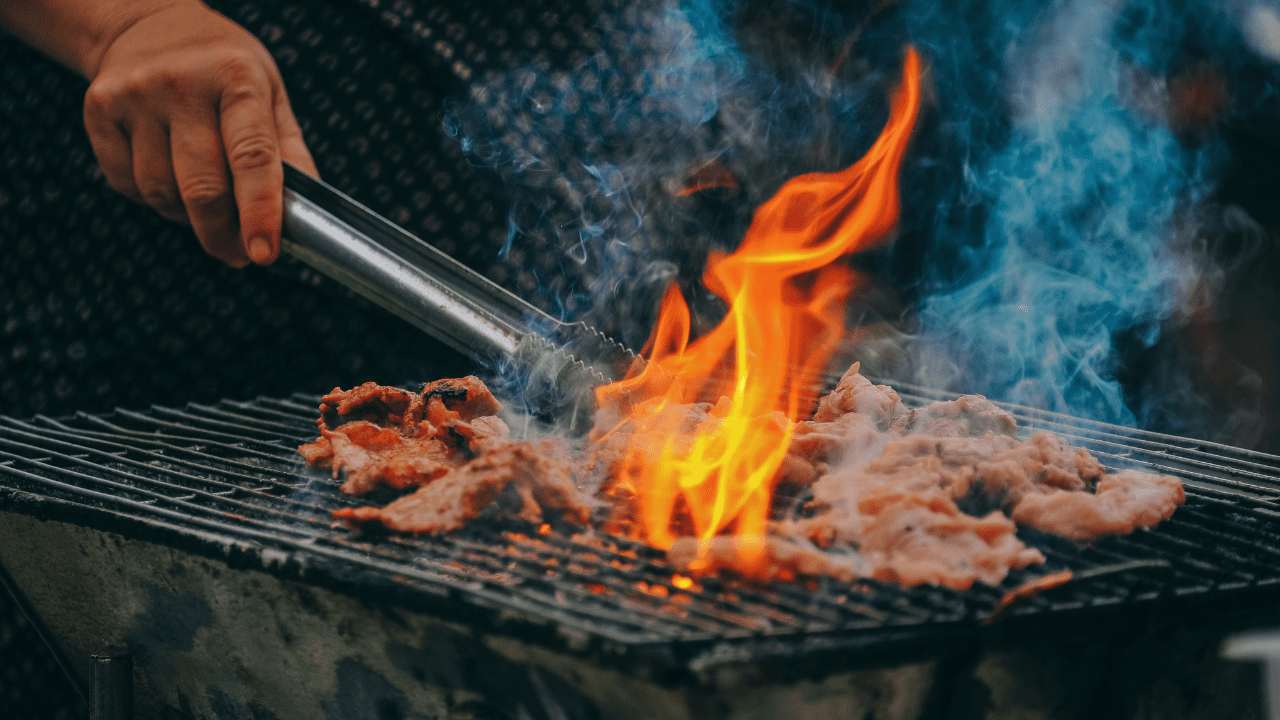
Controlling heat on a charcoal grill takes practice and patience. Adjust the vents to manage airflow. Spread coals for even heat or pile them for high heat. Watch the temperature often to avoid burning food. Use a spray bottle to cool down flare-ups quickly.
These simple steps help you cook food just right. Enjoy grilling with confidence and great taste every time. Keep practicing, and your skills will improve fast.