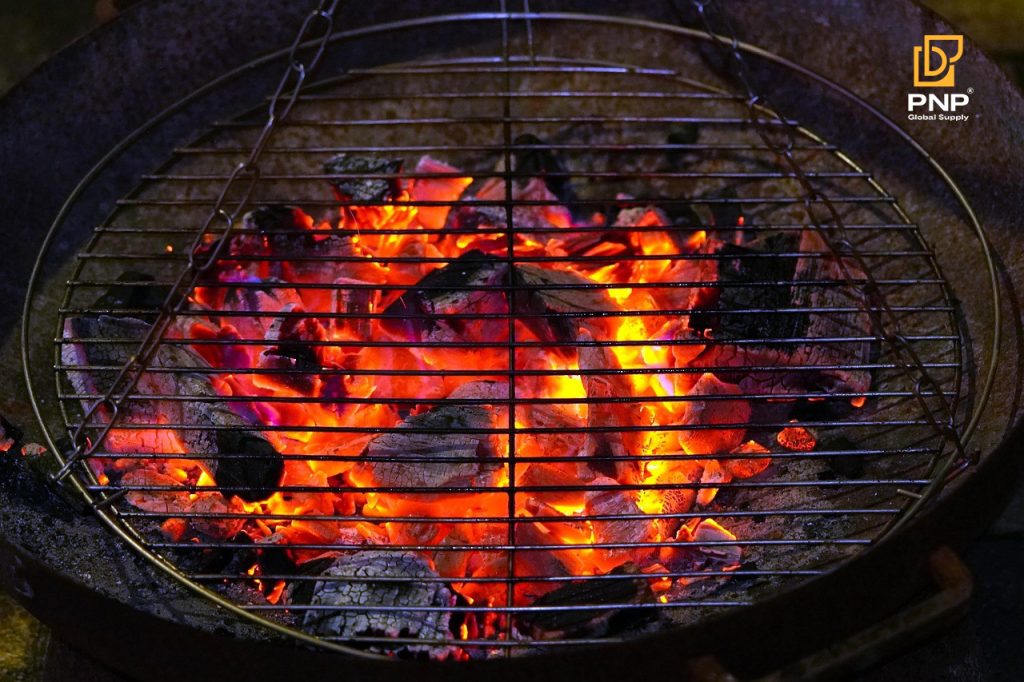
Have you ever wondered just how hot your charcoal grill can get? Knowing the temperature of your grill is key to cooking your favorite foods perfectly.
Whether you’re searing a steak or slow-cooking ribs, the heat level makes all the difference. You’ll discover exactly how hot a charcoal grill can reach and how to control that heat for mouthwatering results every time. Keep reading to unlock the secret to grilling like a pro and impress your friends at the next cookout.
Charcoal Grill Heat Basics
Charcoal grills use burning charcoal to create heat for cooking food. The heat from charcoal can reach very high temperatures. Knowing how heat works helps you cook better on a charcoal grill.
Heat control on a charcoal grill depends on how you arrange the coals and how much air reaches them. Different areas of the grill get different heat levels. This makes it possible to cook various foods at once.
Heat Zones Explained
Heat zones on a charcoal grill are different temperature areas created by the placement of charcoal. These zones allow for flexible cooking, from searing to slow cooking.
- Direct Heat Zone:The area right above the burning charcoal. It is very hot, perfect for searing meats.
- Medium Heat Zone:Slightly away from the charcoal. It cooks food evenly without burning.
- Indirect Heat Zone:The far side of the grill. It uses indirect heat for slow cooking or warming food.
Factors Affecting Temperature
Several factors change the temperature inside a charcoal grill. Understanding these helps you keep the right cooking heat.
| Factor | Effect on Temperature |
|---|---|
| Amount of Charcoal | More charcoal creates higher heat and longer burn time. |
| Airflow | Open vents increase oxygen, raising the temperature. |
| Charcoal Type | Different charcoal types burn at different temperatures. |
| Lid Position | Closing the lid traps heat and raises temperature. |
| Wind and Weather | Wind can cool the grill or increase oxygen supply. |
Measuring Grill Temperature
Knowing how hot your charcoal grill is helps cook food just right. You can check the heat using tools or simple tests. This guide explains easy ways to measure grill temperature.
Measuring temperature keeps your food safe and tasty. It also helps you control cooking times better.
Using Grill Thermometers
Grill thermometers give you a direct reading of the heat inside your grill. You can use built-in thermometers or buy separate ones to place on the grill grate.
- Insert the thermometer probe into the grill grate area.
- Wait a few minutes for the reading to stabilize.
- Check the temperature regularly while cooking.
- Clean the thermometer after use to keep it accurate.
Diy Temperature Tests
If you don’t have a thermometer, use your hand to judge heat. Hold your hand above the grill grate and count how many seconds you can keep it there.
| Seconds Held | Heat Level | Approximate Temperature |
| 2 seconds | High heat | 450°F to 550°F (232°C to 288°C) |
| 4 seconds | Medium heat | 350°F to 450°F (177°C to 232°C) |
| 6 seconds | Low heat | 250°F to 350°F (121°C to 177°C) |
| 8 seconds | Very low heat | 200°F to 250°F (93°C to 121°C) |
Achieving Desired Heat Levels
Charcoal grilling is a favorite for many due to its unique flavor. Achieving the right heat level is key for perfect grilling.
Controlling heat on a charcoal grill involves managing the amount of charcoal and airflow. Let’s explore how to set up for different heat levels.
Low Heat Setup
Low heat is ideal for slow cooking and delicate foods. Use fewer coals and spread them out evenly.
Keep the grill vents slightly open to maintain a gentle heat. This setup is best for vegetables and fish.
- Use a small amount of charcoal
- Spread coals in a single layer
- Open vents slightly
Medium Heat Setup
Medium heat is versatile and works for most foods. Arrange coals in a double layer for balanced heat.
Keep the vents half open to maintain temperature. This setup is great for burgers and chicken.
- Arrange coals in two layers
- Open vents halfway
- Perfect for burgers and chicken
High Heat Setup
High heat is best for searing meats quickly. Stack a large amount of charcoal in a mound or pyramid.
Open the vents fully to increase airflow. This setup is ideal for steaks and quick searing.
- Use a lot of charcoal
- Stack coals in a pyramid
- Open vents fully

Credit: www.ice.edu
Controlling Charcoal Heat
Controlling the heat of a charcoal grill is key to cooking food evenly. Managing heat helps you grill different foods properly.
You can control the temperature by adjusting airflow, arranging charcoal, and managing fuel supply carefully.
Adjusting Airflow
Airflow controls how fast charcoal burns. Opening vents lets more oxygen in, making fire hotter. Closing vents slows the burn.
Use the top and bottom vents to balance heat. More air means higher temperatures. Less air means lower temperatures.
Charcoal Arrangement Tips
- Spread charcoal evenly for medium heat across the grill.
- Pile charcoal on one side to create hot and cool zones.
- Use a chimney starter to light charcoal evenly before placing it.
- Push charcoal to the sides for indirect cooking in the center.
- Add small pieces of charcoal for steady heat without big flames.
Fuel Management
| Fuel Action | Effect on Heat |
| Add fresh charcoal | Increases temperature |
| Let charcoal burn down | Decreases temperature |
| Use lump charcoal | Burns hotter, faster |
| Use briquettes | Burns steady, longer |
| Remove ash often | Improves airflow and heat |
Common Heat Challenges
Charcoal grills offer great flavor but controlling heat can be tricky. Many users face problems with uneven or too high temperatures. Understanding these heat challenges helps improve grilling results.
This guide covers three common issues: overheating, keeping heat steady, and fixing cold spots on your grill.
Overheating Issues
Overheating happens when the grill gets too hot to cook food properly. It can burn food outside while leaving it raw inside.
Common causes include too much charcoal or poor air control. Reducing charcoal amount and adjusting vents can help lower the heat.
Maintaining Steady Heat
Keeping a steady temperature is key for even cooking. Heat that changes too much can spoil food texture and taste.
- Use a good quality charcoal that burns evenly
- Arrange coals in a single layer for stable heat
- Adjust vents slowly to control airflow
- Keep the grill lid closed to keep heat inside
- Check temperature often with a grill thermometer
Cold Spots Solutions
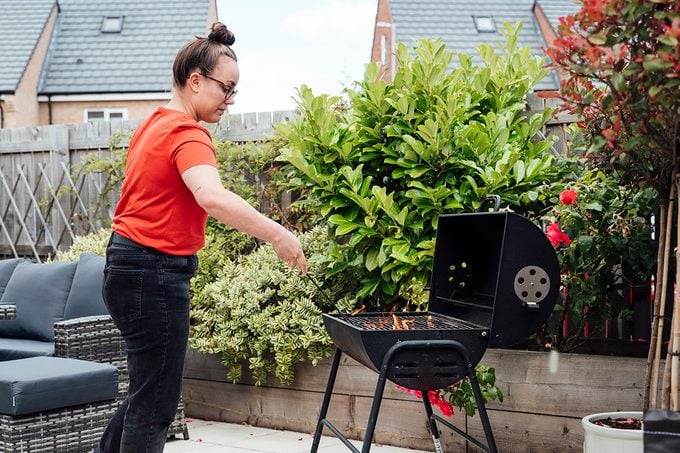
Cold spots are areas on the grill that stay cooler than others. This causes uneven cooking and some food may stay undercooked.
| Cause | Solution |
| Uneven charcoal spread | Arrange charcoal evenly or add more to cold areas |
| Blocked air vents | Clear vents to improve airflow |
| Thick grill grate | Use thinner grate or preheat longer |
| Wind blowing heat away | Shield grill with windbreak or move location |
Credit: www.tasteofhome.com
Heat Levels For Different Foods
Charcoal grills offer a range of heat levels suitable for cooking many types of foods. Understanding these heat ranges helps you cook each item perfectly. Different foods need different temperatures to taste their best.
This guide explains the best heat levels for grilling meats, vegetables and fruits, and for baking or smoking on a charcoal grill.
Grilling Meats
Meats require varying heat depending on the cut and cooking style. High heat sears the outside and keeps the inside juicy. Medium heat cooks evenly without burning.
- Steaks and burgers: Use high heat (450°F to 550°F) for a good sear.
- Chicken breasts: Cook at medium heat (350°F to 450°F) to avoid dryness.
- Pork chops: Medium heat (350°F to 450°F) works well for tenderness.
- Ribs and brisket: Start at medium heat, then move to low heat for slow cooking.
Vegetables And Fruits
Vegetables and fruits grill best at medium to medium-high heat. This heat level softens them and adds smoky flavor without burning.
| Food | Ideal Heat Level | Temperature Range |
| Bell peppers | Medium-high | 400°F to 450°F |
| Asparagus | Medium | 350°F to 400°F |
| Pineapple slices | Medium | 350°F to 400°F |
| Onions | Medium | 350°F to 400°F |
Baking And Smoking
Baking and smoking require low and steady heat. This slow cooking breaks down tough fibers and adds deep flavor.
Typical temperature ranges for baking and smoking on a charcoal grill:
- Smoking: 225°F to 275°F for long, slow cooking
- Baking bread or pizza: 350°F to 400°F for even heat
- Slow roasting meats: 250°F to 300°F for tender results
Safety Tips For High Heat
Charcoal grills can reach very high temperatures. Handling them safely is important to avoid burns and fires. Follow safety tips to protect yourself and others.
Understanding how to manage hot charcoal and prevent flare-ups keeps your grilling safe and enjoyable.
Handling Hot Charcoal
Hot charcoal can cause serious burns. Always use tools designed for grilling to move or adjust coals. Wear heat-resistant gloves to protect your hands.
- Use long-handled tongs to move charcoal
- Never touch charcoal with bare hands
- Keep a metal bucket nearby to safely dispose of ashes
- Do not leave hot charcoal unattended
- Keep children and pets away from the grill area
Preventing Flare-ups
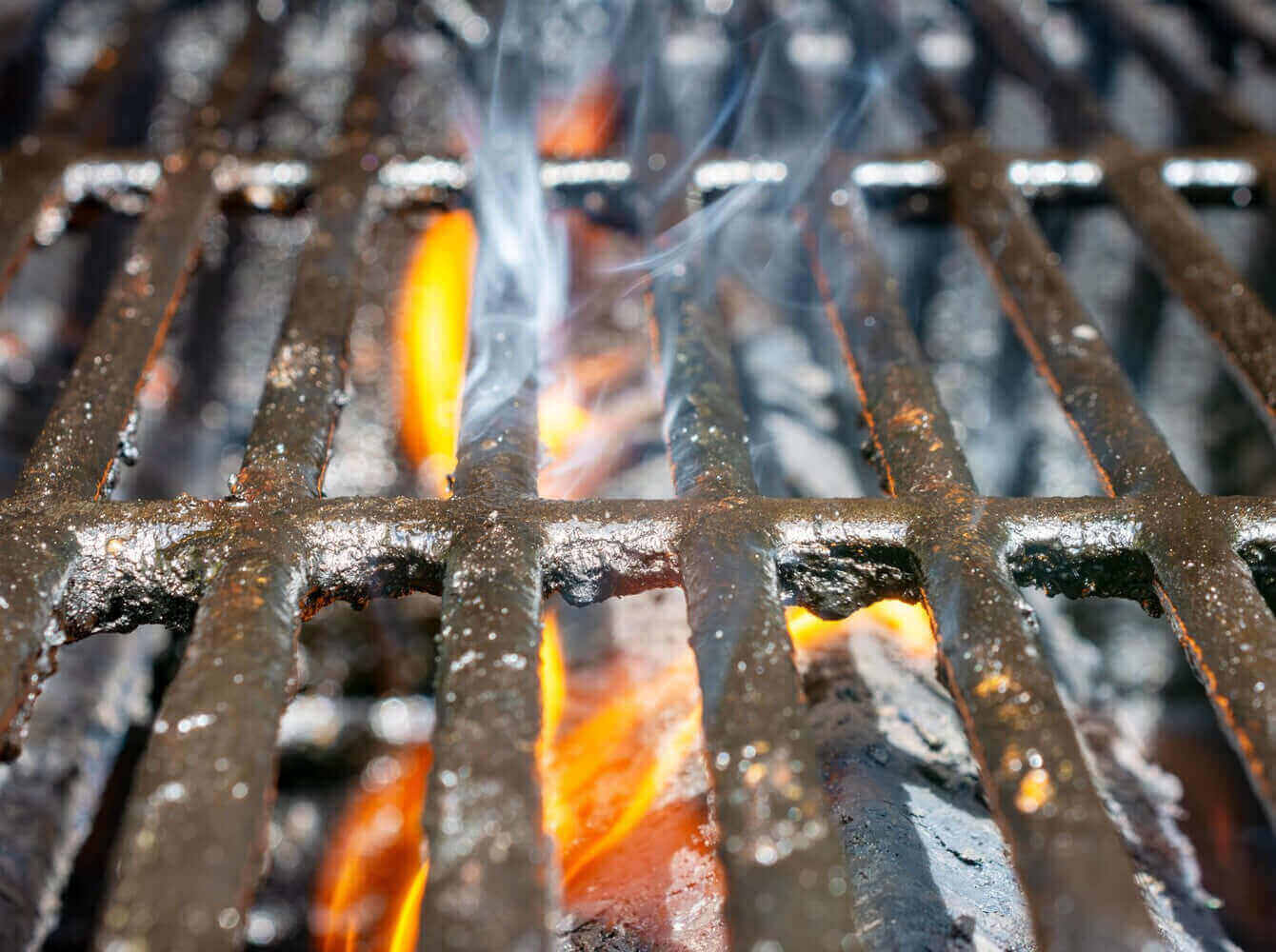
Flare-ups happen when fat drips on hot coals. They can cause fires and burns. Control flare-ups by managing food and grill setup carefully.
| Cause | Prevention | Action |
|---|---|---|
| Fat drips on coals | Trim excess fat from meat | Use lean cuts and drip pans |
| Grease buildup | Clean grill regularly | Scrape grill grates before cooking |
| Too much oil on food | Apply oil sparingly | Use spray bottles or brushes |
| High heat levels | Control air flow with vents | Adjust charcoal placement |
Credit: ddrbbqsupply.com
Frequently Asked Questions
How Hot Can A Charcoal Grill Get?
A charcoal grill can reach temperatures between 600°F to 700°F. High heat is ideal for searing steaks and burgers quickly.
What Affects The Temperature Of A Charcoal Grill?
The temperature depends on charcoal amount, airflow control, and grill size. Adjusting vents and charcoal placement helps manage heat levels.
How Long Does Charcoal Take To Reach Cooking Heat?
Charcoal typically takes 15-20 minutes to become hot and ashy. This indicates it’s ready for grilling at optimal temperature.
Can Charcoal Grill Temperatures Be Controlled Easily?
Yes, controlling airflow through vents allows temperature regulation. Opening vents increases heat, while closing them lowers it for precise cooking.
Conclusion
Charcoal grills get very hot, often reaching 600 to 700 degrees Fahrenheit. This heat helps cook food quickly and gives a nice smoky flavor. Managing the temperature is key to good grilling results. Use vents and charcoal amount to control the heat.
Remember, safety is important around hot grills. Now you know how hot charcoal grills can get. Happy grilling!