Have you ever wondered how green plants make their own food? It might seem like magic, but it’s actually a fascinating process that happens all around you.
Understanding what green plants need to create food can change the way you see nature and even help you grow healthier plants yourself. You’ll discover the simple yet powerful ingredients that plants use to feed themselves. Keep reading, and you’ll unlock the secrets behind this amazing natural process.
Credit: blog.littlelives.com
Photosynthesis Basics
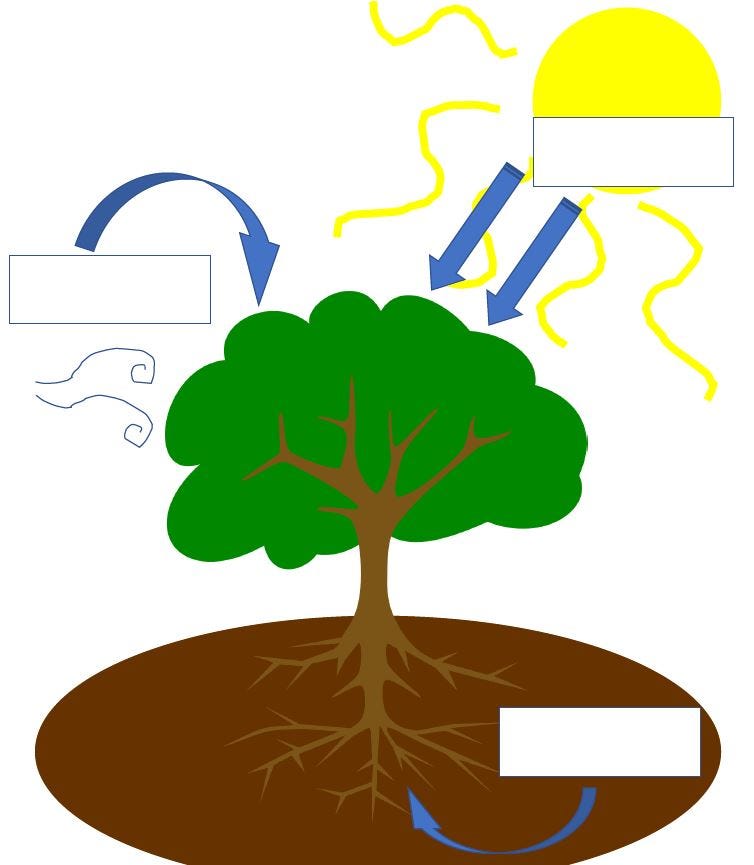
Green plants make food through a process called photosynthesis. This process uses light, water, and carbon dioxide to create energy.
Photosynthesis happens mainly in the leaves. It helps plants grow and gives us oxygen to breathe.
Role Of Chlorophyll
Chlorophyll is a green pigment in plant leaves. It gives leaves their green color and helps capture light energy.
Without chlorophyll, plants cannot absorb sunlight well. This pigment is key for turning light into food.
Light Energy Capture
Plants capture light energy from the sun to make food. This energy powers the chemical reactions in photosynthesis.
- Sunlight hits chlorophyll in the leaves.
- Energy from light splits water into oxygen and hydrogen.
- Oxygen is released into the air.
- Hydrogen helps make glucose, the plant’s food.
Carbon Dioxide Intake
Plants take in carbon dioxide from the air through tiny openings called stomata. This gas is essential for photosynthesis.
| Gas | Purpose in Photosynthesis |
| Carbon Dioxide (CO₂) | Used to build glucose |
| Oxygen (O₂) | Released as a byproduct |
| Water (H₂O) | Split to provide hydrogen |
Water’s Role In Food Production
Green plants need water to make their own food. Water helps plants absorb nutrients and carry out important processes.
Without enough water, plants cannot grow or produce the energy they need through photosynthesis.
Absorption Through Roots
Roots take in water from the soil. Tiny root hairs increase the surface area to absorb more water.
The water moves from the soil into the roots by a process called osmosis. This helps the plant stay hydrated and healthy.
Water Transport System
After absorption, water travels through the plant in special tubes called xylem. The tubes carry water to leaves and other parts.
This water movement supports photosynthesis and keeps plant cells full and strong.
- Water moves upward through xylem vessels
- Leaves receive water for food making
- Water also helps cool the plant
Water In Chemical Reactions
Water takes part in photosynthesis, the process plants use to make food. It splits into oxygen and hydrogen atoms.
The hydrogen combines with carbon dioxide to form glucose, which is the plant’s food.
- Water splits to release oxygen
- Hydrogen from water helps build sugars
- Water keeps chemical reactions running smoothly
Essential Nutrients For Growth
Green plants make their food through photosynthesis. They need several nutrients for healthy growth. These nutrients help plants produce food efficiently.
Without these essential nutrients, plants may struggle to survive. Let’s explore what nutrients plants need to thrive.
Macronutrients Needed
Macronutrients are crucial for plant growth. The main macronutrients are nitrogen, phosphorus, and potassium. These nutrients support different plant functions.
Nitrogen helps with leaf growth. Phosphorus is important for root development. Potassium strengthens the plant’s resistance to disease.
- Nitrogen: Leaf and stem growth
- Phosphorus: Root and flower development
- Potassium: Disease resistance and overall health
Micronutrients Importance
Micronutrients are needed in smaller amounts. They are still vital for plant health. Common micronutrients include iron, manganese, and zinc.
Iron helps in chlorophyll formation. Manganese aids in photosynthesis. Zinc is crucial for growth hormones.
- Iron: Chlorophyll production
- Manganese: Photosynthesis process
- Zinc: Growth regulation
Soil Nutrient Sources
Plants absorb nutrients from the soil. Healthy soil provides a balance of nutrients. Adding compost and organic matter enriches soil quality.
Farmers test soil to understand its nutrient content. They add fertilizers if nutrients are lacking. This ensures plants receive the right nutrients.
- Compost: Adds organic matter
- Fertilizers: Supplement missing nutrients
- Soil testing: Checks nutrient levels

Credit: sizzlekidz.com
Sunlight And Energy Conversion
Green plants need sunlight to make food. They use light to create energy through photosynthesis.
Photosynthesis changes light energy into chemical energy. This energy helps plants grow and stay alive.
Light Spectrum Usage
Plants use mostly blue and red light from the sun. These colors help plants absorb energy well.
Green light is mostly reflected, so plants look green. It is not used much in photosynthesis.
- Blue light helps leaf growth and strong stems
- Red light supports flowering and fruit production
- Green light passes through leaves and is less useful
Optimal Light Conditions
Plants need enough light for energy but not too much. Too much light can harm the leaves.
Good light helps plants grow fast and make more food. Light quality, intensity, and time matter.
- Light intensity: moderate brightness is best
- Duration: plants need several hours of light daily
- Light quality: balanced blue and red light is ideal
Gas Exchange Mechanism
Green plants need to exchange gases to make food through photosynthesis. This process allows them to take in carbon dioxide and release oxygen.
The gas exchange happens mainly through small openings on leaves called stomata. These openings open and close to control the flow of gases.
Stomata Function
Stomata are tiny pores on the leaf surface. They let carbon dioxide enter for photosynthesis. At the same time, oxygen and water vapor leave the leaf.
- Open to allow gas exchange during the day
- Close at night to save water
- Help keep balance of gases inside the leaf
- Control water loss by transpiration
Oxygen Release Process
Oxygen is a by-product of photosynthesis. Plants release it through stomata into the air. This helps keep the air clean and fresh.
| Stage | Description |
| Photosynthesis | Plants use sunlight to make food and oxygen |
| Oxygen Production | Oxygen is formed inside the leaf cells |
| Oxygen Release | Oxygen exits through stomata pores |
Environmental Factors Affecting Food Making
Green plants need certain conditions to make food through photosynthesis. The environment around them affects how well they produce food.
Understanding these factors helps us see why plants grow better in some places than others.
Temperature Impact
Temperature changes how fast plants can make food. Too hot or too cold slows down the process.
Most plants work best in a warm range, usually between 20°C and 30°C. Outside this range, their food-making slows.
- Low temperatures reduce enzyme activity
- High temperatures can damage plant cells
- Optimal warmth speeds up photosynthesis
Water Availability
Water is essential for plants to make food. It helps carry nutrients and keeps the leaves fresh.
Without enough water, plants close tiny holes called stomata. This reduces carbon dioxide intake and slows food making.
- Water supports nutrient transport
- It cools the plant on hot days
- Water shortage limits photosynthesis
Pollution Effects
Pollution in air and soil can harm plants. Dirty air blocks sunlight and adds harmful chemicals.
Soil pollution affects root health and nutrient uptake. Both reduce the plant’s ability to make food efficiently.
- Air pollution reduces sunlight for photosynthesis
- Soil pollution damages roots
- Pollutants can slow plant growth
Common Challenges In Food Production
Green plants make food through photosynthesis. They need sunlight, water, and nutrients. Sometimes, these needs are not met. This causes problems in food production.
Understanding common challenges helps farmers and gardeners grow healthy plants. This section explains three major challenges plants face.
Nutrient Deficiencies
Plants need nutrients like nitrogen, phosphorus, and potassium. Lack of these slows growth and reduces food production.
| Nutrient | Effect of Deficiency | Signs in Plants |
| Nitrogen | Slow growth | Yellow leaves |
| Phosphorus | Weak roots | Dark green or purple leaves |
| Potassium | Poor fruit quality | Brown leaf edges |
Light Shortage
Plants use sunlight to make food. Without enough light, they cannot produce enough energy.
- Leaves grow larger but stay pale
- Plants become tall and weak
- Flowering and fruiting reduce
Water Stress
Water is vital for photosynthesis and nutrient transport. Too little or too much water harms plants.
Water Stress Effects:
- Wilting leaves
- Stunted growth
- Root damage from waterlogging

Credit: www.youtube.com
Frequently Asked Questions
What Essential Elements Do Green Plants Need For Photosynthesis?
Green plants require sunlight, water, and carbon dioxide to perform photosynthesis. Chlorophyll in leaves captures sunlight to convert these into glucose and oxygen.
How Does Sunlight Help Green Plants Make Food?
Sunlight provides energy for chlorophyll to convert water and carbon dioxide into glucose. Without sunlight, photosynthesis cannot occur, stopping food production.
Why Is Carbon Dioxide Important For Plant Food Production?
Carbon dioxide is a key raw material in photosynthesis. Plants absorb it from the air to produce glucose, which serves as their food and energy source.
What Role Does Water Play In Plant Food Synthesis?
Water supplies hydrogen and oxygen atoms needed to form glucose and releases oxygen as a byproduct. It also helps transport nutrients within the plant.
Conclusion
Green plants need sunlight, water, air, and nutrients to make food. They use sunlight to start photosynthesis. Water and air help plants create energy and grow. Nutrients from soil support this process too. Without these essentials, plants cannot survive or produce food.
Understanding this helps us care for plants better. Simple steps like watering and giving sunlight make a big difference. Plants keep our world alive and healthy. Taking care of them is important for nature and us.