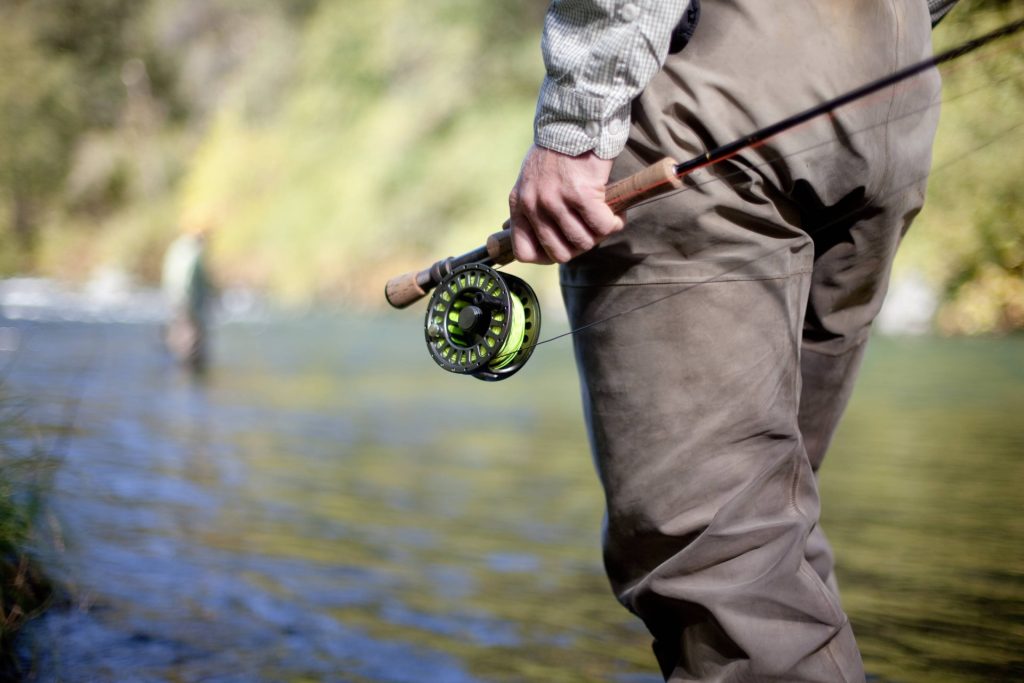
Flying with fishing rods can feel tricky, but it doesn’t have to be stressful. If you want to bring your gear without damage or extra fees, you need to know the right steps.
Imagine arriving at your destination with your rods safe and ready to use—no hassle, no worries. This guide will show you exactly how to pack, carry, and check your fishing rods when flying. Keep reading to make your next fishing trip smooth and enjoyable from takeoff to touchdown.
Choosing The Right Fishing Rod
Flying with fishing rods needs smart choices. You want a rod that is easy to carry and strong enough for fishing.
Picking the right rod helps you avoid damage and makes your travel smooth. Let’s look at key things to consider.
Travel-friendly Rod Types
Some rods are better for travel than others. Look for rods that break down into smaller pieces or fold.
Telescopic rods and multi-piece rods are popular for travel. They fit easily in a suitcase or carry bag.
- Telescopic rods collapse to a short size
- Multi-piece rods come apart into sections
- Both types save space and protect the rod
Rod Materials And Durability
Materials affect how strong and light a rod is. Common materials include fiberglass, graphite, and composite blends.
Fiberglass rods are tough but heavier. Graphite rods are light and sensitive but can break more easily.
- Fiberglass: durable, heavier, good for rough use
- Graphite: lightweight, sensitive, less durable
- Composite: mix of both for balanced strength and weight
Breakdown Vs. One-piece Rods
Breakdown rods separate into parts, making travel easier. One-piece rods are stronger but harder to pack.
Choose breakdown rods if you fly often and need convenience. One-piece rods work well if you can carry them safely.
- Breakdown rods: easy to pack, may have slight loss in strength
- One-piece rods: very strong, bulky for travel
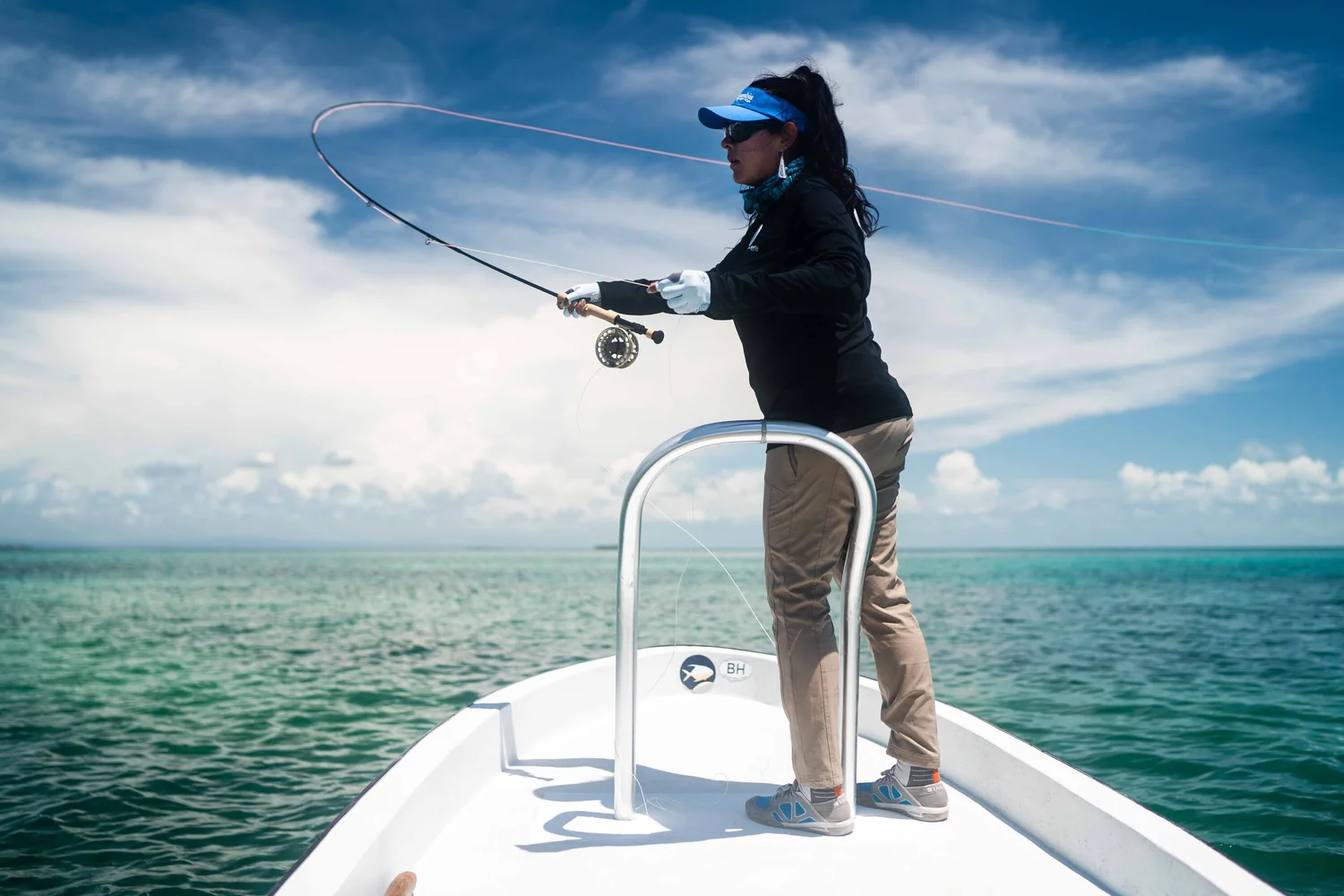
Credit: bluehorizonbelize.com
Packing And Protecting Your Rods
Flying with fishing rods requires careful packing. Proper protection keeps your rods safe during travel.
Use the right materials to avoid damage. This guide helps you pack your rods securely.
Using Rod Tubes And Cases
Rod tubes and cases are essential for protecting fishing rods. They shield against rough handling.
Choose tubes that fit your rods snugly. Hard cases offer extra protection from impact.
- Measure your rods before buying a case
- Look for cases with padding inside
- Hard cases are best for air travel
Securing Rods For Transit
Secure your rods to prevent movement. Moving rods can lead to breakage.
Use straps or ties to hold rods in place. Keep them from shifting during the flight.
- Fasten rods with Velcro straps
- Use bubble wrap for extra security
- Ensure rods do not touch each other
Preventing Damage From Pressure And Impact
Pressure and impact can damage rods. Protect them with the right packing techniques.
Fill empty spaces in the case with soft materials. This helps absorb shocks.
- Use foam inserts for cushioning
- Wrap rods in towels or clothing
- Avoid placing heavy items on rod cases
Airline Policies And Fees
Flying with fishing rods can be tricky because of airline rules. Each airline has different policies about fishing gear. Knowing these rules helps you avoid problems at the airport.
Fees may apply for carrying fishing rods as checked or oversized baggage. It is important to check these fees before your trip. This guide covers what to check and how to handle your fishing rods when flying.
Checking Airline Regulations
Airlines have rules about fishing rods in their baggage policies. Some allow rods as carry-on, others only as checked baggage. Some airlines require the rods to be in a special case.
Check the airline’s website for their specific rules. Look for size limits and packaging requirements. Knowing rules in advance saves time and stress at the airport.
- Check if fishing rods are allowed as carry-on or checked baggage
- Look for size and weight limits for fishing gear
- Find out if you need a special case or bag
- Confirm if you need to declare the rods at check-in
Handling Oversized Baggage
Fishing rods often count as oversized baggage because of their length. Airlines may charge extra fees for these items. You might need to pack rods in a hard case to protect them.
Prepare your fishing rods by breaking them down if possible. Use padding inside the case to avoid damage. Arrive early at the airport to allow time for oversized baggage processing.
- Use a hard or padded fishing rod case
- Break down rods into smaller pieces if possible
- Label your case with your contact information
- Arrive early to handle oversized baggage check-in
Avoiding Extra Charges
Extra fees for fishing rods can add up quickly. Pack rods carefully to avoid damage fees. Check airline baggage allowances to stay within limits. Some airlines allow one free checked bag with fishing gear.
Consider paying for extra baggage online before your flight. This is often cheaper than paying at the airport. Use a lightweight case to keep the total weight down and avoid overweight charges.
- Check baggage fees for fishing rods before travel
- Use a lightweight, protective case
- Pay for extra bags online in advance
- Keep fishing gear within size and weight limits
At The Airport
Flying with fishing rods can be tricky. You need to know the airport rules.
This guide helps you handle your rods safely at the airport.
Navigating Security Checks
Security officers check all carry-on items. Fishing rods may need extra screening.
Remove your rod from its case if asked. Be polite and follow instructions.
- Arrive early to allow extra time
- Keep rod cases easy to open
- Tell security if your rod has sharp hooks
Gate-checking Your Rods
Gate-checking means you hand your rod to the airline at the gate.
Not all airlines allow gate-checking for fishing rods. Ask before your flight.
- Bring a durable rod case to protect your gear
- Label your rod with your name and contact
- Pick up your rod quickly after landing
Tips For Carry-on Vs. Checked Luggage
Decide if you want to carry your rod on the plane or check it in.
Carry-on rods stay with you but may need to fit size rules. Checked rods go in cargo.
| Carry-On Rods | Checked Rods |
| Less risk of damage | May get damaged during handling |
| Follow airline size limits | Usually no size limits |
| Need approval at security | Pack with padding for protection |
| Easy access during travel | Pick up at baggage claim |
Packing Additional Fishing Gear
Flying with fishing rods needs careful packing of your gear. Extra equipment like reels, hooks, and lures need protection.
Packing these items well keeps them safe during travel. It also makes your gear easy to carry and find.
Transporting Reels And Tackle
Reels should be cleaned and dried before packing. Use padded cases to protect reels from damage.
Keep tackle boxes closed tightly. Choose tackle boxes with secure latches to avoid spills.
- Wrap reels in soft cloth or bubble wrap
- Place reels in hard or padded cases
- Use tackle boxes with separate compartments
- Label boxes for quick access
Storing Hooks And Lures Safely
Hooks are sharp and can cause injury if loose. Store hooks in small, secure containers or hook organizers.
Lures can tangle or break easily. Use compartments or foam inserts to keep them apart and safe.
- Use plastic hook boxes or magnetic holders
- Keep lures in individual slots or foam trays
- Check that containers close tightly
- Wrap sharp hooks with tape if needed
Managing Extra Equipment
Extra gear like lines, pliers, and bait should be packed in a carry-on or checked bag. Keep fragile items padded.
Organize extra equipment in small bags or pouches. This keeps your gear easy to find and prevents damage.
- Use zippered pouches for small tools
- Wrap fragile items with bubble wrap
- Label bags to know contents quickly
- Separate wet gear to avoid moisture
Traveling Internationally With Rods
Flying with fishing rods can be tricky, especially on international trips. You need to know the rules and prepare your gear carefully.
This guide helps you understand customs, permits, and handling tips for fishing rods during flights.
Customs And Import Restrictions
Different countries have rules about bringing fishing gear inside. Some may limit or ban certain rods or materials.
Check the customs website of your destination before you travel. Some places require you to declare fishing rods at arrival.
- Check if your rod materials are allowed
- Declare your rods if needed
- Be ready for inspections at customs
Permits And Documentation
Some countries need fishing permits even for carrying rods. These permits may be required before you fly.
Carry copies of your fishing licenses and any import permits. This helps avoid problems at customs or checkpoints.
- Get fishing permits for your destination
- Keep your license and permits with you
- Show documents if customs agents ask
Handling Rods On Connecting Flights
Connecting flights add extra steps for your fishing rods. You may need to collect and recheck your gear during layovers.
Use a hard case for protection. Label your case clearly with your contact details. Check airline rules for sports gear on each flight.
- Use a strong, padded rod case
- Label your case with name and phone
- Confirm sports gear rules with airlines
- Collect rods at layover if needed
- Recheck rods for the next flight on time
Expert Travel Tips
Traveling with fishing rods needs careful planning. You want to protect your gear and enjoy your trip.
These tips help you fly with your fishing rods safely and easily.
Timing Your Fishing Trips
Pick your travel dates based on fishing seasons and weather. Avoid busy flight times to reduce stress.
Early morning or late evening flights can be less crowded. This gives you more space to handle your gear.
Choosing Accommodations With Gear Storage
Find places to stay that have safe storage for fishing rods and other gear. This keeps your equipment safe and dry.
Look for rooms with closets or extra space. Some lodges offer special storage for fishing equipment.
- Check if the accommodation has secure storage areas
- Ask about any extra fees for storing gear
- Choose rooms with enough space to unpack your rods
- Consider accommodations near fishing spots to reduce travel time
Maintaining Rods After Travel
Clean your fishing rods right after your trip. Remove dirt, salt, and moisture to prevent damage.
Check for any cracks or loose parts. Fix problems before your next fishing trip.
- Wipe rods with a damp cloth and dry them well
- Loosen reel drag to avoid pressure on parts
- Store rods in a dry, cool place
- Use rod cases or tubes for extra protection

Credit: www.youtube.com
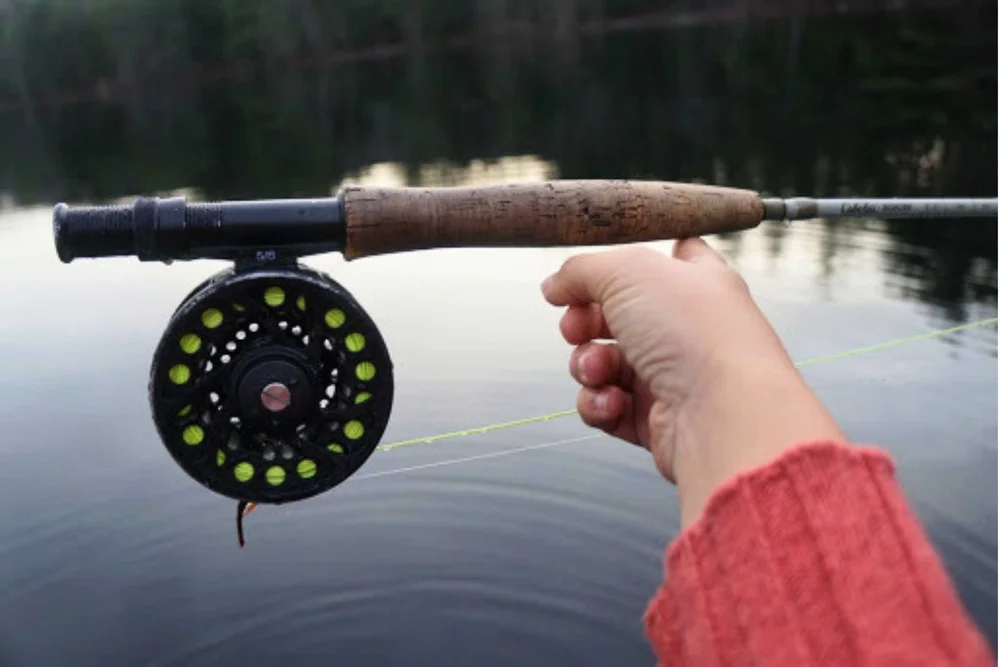
Credit: www.treelinereview.com
Frequently Asked Questions
Can I Carry Fishing Rods On A Plane?
Yes, most airlines allow fishing rods as carry-on or checked baggage. Check your airline’s policy for size and packaging requirements.
How Should I Pack Fishing Rods For Air Travel?
Disassemble rods and use a protective case or tube. Wrap delicate parts with bubble wrap or soft cloth to prevent damage.
Are There Fees For Flying With Fishing Rods?
Some airlines may charge extra for oversized or overweight fishing rod cases. Confirm fees with your airline before traveling.
Can Fishing Rods Be Damaged During Flights?
Yes, fishing rods can break if not packed securely. Use sturdy cases and padding to protect your gear during transit.
Conclusion
Flying with fishing rods takes some planning and care. Pack your rods in a sturdy case to protect them. Check airline rules before you travel. Carry important gear in your hand luggage. Arrive early to handle any extra checks calmly.
Keep your rods safe and ready for your fishing trip. Enjoy your journey and happy fishing!