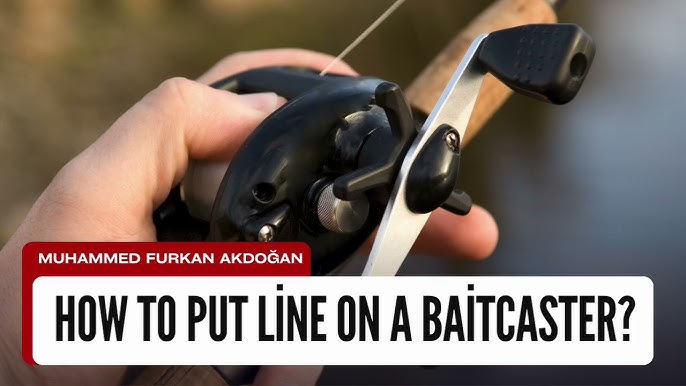
Are you ready to get your fishing rod ready for your next catch? Knowing how to put line on a fishing rod is a simple skill that can make a huge difference in your fishing experience.
Whether you’re a beginner or just need a quick refresher, this guide will walk you through each step clearly and easily. By the end, you’ll feel confident and prepared to cast your line perfectly every time. Let’s dive in and get your gear set up right!
Choose The Right Fishing Line
Picking the right fishing line is key for a good fishing trip. The line must fit the rod and the fish you want to catch.
Using the right line makes casting easier and helps avoid breaks or tangles.
Types Of Fishing Lines
There are three main types of fishing lines: monofilament, fluorocarbon, and braided. Each type works best in different conditions.
- Monofilament:Easy to handle and stretches well. Good for beginners.
- Fluorocarbon:Nearly invisible underwater. Great for clear water fishing.
- Braided:Very strong and thin. Best for heavy cover or big fish.
Line Strength And Diameter
Line strength is called “pound test.” It shows how much weight the line can hold before breaking. Diameter affects how much line fits on the reel.
Stronger lines usually have thicker diameters, but braided lines can be strong and thin at the same time.
| Line Type | Strength (Pound Test) | Diameter (Inches) |
|---|---|---|
| Monofilament | 4-30 lbs | 0.005 – 0.02 |
| Fluorocarbon | 6-40 lbs | 0.005 – 0.018 |
| Braided | 10-80 lbs | 0.006 – 0.015 |
Selecting Line For Fishing Style
Choose line based on the fish you want and where you fish. Light lines work for small fish and clear water. Strong lines fit big fish or thick plants.
- Use monofilament for general fishing and easy casting.
- Pick fluorocarbon for fishing in clear water or for shy fish.
- Try braided line for heavy cover or large fish like catfish.
- Match line strength to fish size to avoid losing fish.

Credit: www.youtube.com
Prepare The Rod And Reel
Putting line on a fishing rod starts with getting your rod and reel ready. This ensures smooth casting and good fishing experience.
Proper setup helps avoid tangles and damage. Follow simple steps to prepare your gear well.
Assemble The Rod Components
First, connect the rod pieces carefully. Align each part so the guides form a straight line.
Make sure the sections fit tightly without forcing them. A loose rod can break or feel unstable.
- Check the ferrules for dirt or debris
- Push sections together firmly but gently
- Align all guides along the rod’s length
Attach The Reel Securely
Next, fix the reel to the rod’s reel seat. Tighten the seat so the reel does not move.
A loose reel can cause line tangles or drop during casting. Check it holds firmly in place.
- Open the reel seat locking mechanism
- Slide the reel foot into the seat
- Tighten the seat until the reel is stable
Check The Rod Guides
Inspect the guides for cracks or bends. Damaged guides can cut or weaken your fishing line.
Make sure guides are clean and aligned. This helps the line flow smoothly during casting and retrieval.
- Look for chips or cracks on guide rings
- Ensure guides are straight and not loose
- Clean guides to remove dirt or salt
Attach The Line To The Reel
Attaching a line to your fishing reel is an important skill. You need a secure line to catch fish effectively.
This guide will help you attach the line with simple steps. Follow these to ensure your line is properly set.
Threading The Line Through Guides
Start by threading the line through the rod guides. These are the loops along the rod’s length.
Tying The Arbor Knot
The arbor knot secures the line to the reel. It’s a simple knot that holds tight.
- Wrap the line around the spool.
- Tie an overhand knot around the main line.
- Tie a second knot on the loose end.
- Pull tight to secure the knot.
Securing The Line On The Spool
Now, you need to secure the line on the spool. This prevents slipping while reeling in fish.
- Hold the line taut with slight tension.
- Use your thumb to guide the line evenly on the spool.
- Reel in slowly to avoid tangles.
Spool The Line Properly
Putting line on a fishing rod is important for a good fishing experience. Spooling the line properly keeps it strong and ready to use.
Here are key tips to help you spool the line without problems. Follow these to avoid common mistakes and enjoy fishing more.
Maintain Tension While Spooling
Keep steady pressure on the line as you spool it onto the reel. This stops the line from being loose or uneven.
You can use your fingers or a cloth to hold the line tight while turning the reel slowly. This helps the line stay in place.
Avoid Line Twists And Overlaps
Twists and overlaps weaken your line and cause tangles. Make sure the line feeds straight from the spool to the reel.
Check for twists by letting some line out and watching it spin. If it twists, flip the spool or change the line direction.
- Keep the line straight and untwisted
- Do not let the line overlap itself
- Fix twists before spooling more line
Fill The Spool Correctly
Fill the spool almost to the edge but leave a small gap. Overfilling can cause line to slip off or tangle.
Stop filling when the line is about 1/8 inch below the spool rim. This gives enough space for the line to move freely.
- Do not fill the spool too full
- Leave a small gap from the spool edge
- Check the line level as you spool
Finish The Setup
Putting line on a fishing rod does not end once the spool is full. Completing the setup carefully helps ensure a smooth fishing experience.
This section covers cutting the line to the right length, tying the terminal tackle, and testing your line and reel.
Cut The Line To Length
Use sharp scissors or a line cutter to trim the fishing line. Cut enough line to allow for easy casting and tying knots.
Leave about 12 to 18 inches of extra line past the last guide on your rod. This gives you room to tie your terminal tackle securely.
Tie Terminal Tackle
Attach your hook, lure, or swivel using a strong knot. The improved clinch knot and Palomar knot are both reliable choices.
- Thread the line through the eye of the hook or lure.
- Wrap the line around itself five to seven times.
- Pass the tag end through the loop near the eye.
- Pull the knot tight and trim any excess line.
Make sure the knot is snug and secure before you start fishing.
Test The Line And Reel Function
| Test | What to Check | How to Fix |
|---|---|---|
| Line tension | Line should be tight but not too tight on the spool | Adjust the drag knob on the reel |
| Reel smoothness | Reel should turn smoothly without sticking | Lubricate reel parts or clean debris |
| Knot strength | Knots should hold firm without slipping | Retie knot if loose or damaged |
Pull on the line and turn the reel handle to check for any issues. Fix problems before you go fishing to avoid line breaks or lost catches.
Common Mistakes To Avoid
Putting line on a fishing rod seems simple but can cause problems if done wrong. Many anglers make common mistakes that affect their fishing experience.
Learning what to avoid helps keep your gear ready and improves your catch chances. Below are some frequent errors and how to prevent them.
Overfilling The Spool
Filling the spool too much can cause the line to tangle or spool off during casting. It reduces smoothness and can lead to frustrating knots.
- Leave about 1/8 inch space from the spool edge
- Avoid packing the line tightly
- Check the line level often while winding
Loose Knots
Loose knots may slip or break easily, causing lost fish or broken line. Tight knots hold better and keep your setup strong.
| Common Knot Mistakes | Fix |
| Not pulling tight | Pull firmly and wet the line before tightening |
| Incorrect knot type | Use knots that fit your line and lure |
| Overlapping loops | Arrange loops neatly before tightening |
Ignoring Line Maintenance
Neglecting line care can cause damage from dirt, sun, or saltwater. This weakens the line and reduces its life.
Tips for line maintenance:
- Rinse line with fresh water after use
- Store rod away from direct sunlight
- Check line for wear and replace if needed
Tips For Line Care And Maintenance
Taking good care of your fishing line helps you catch fish better. Proper maintenance extends the life of the line and prevents breakage.
Regular checks and smart storage keep your fishing line strong and ready for action.
Regular Line Inspection
Check your fishing line often for signs of wear or damage. Look for nicks, frays, or discoloration. These can cause the line to break easily.
- Run your fingers along the line to feel for rough spots
- Look closely for cuts or broken fibers
- Check knots to ensure they are tight and secure
- Replace the line if it looks faded or brittle
Replacing Old Line
Old fishing line loses strength and can snap under pressure. Change your line regularly to avoid losing fish and gear.
| Line Type | Replacement Frequency |
| Monofilament | Every 3-4 months |
| Fluorocarbon | Every 6 months |
| Braid | Every 6-12 months |
Storage Practices
Store your fishing line properly to keep it strong. Avoid heat, sunlight, and moisture which can weaken the line.
Follow these tips to store your line:
- Keep line in a cool, dry place
- Use sealed containers to protect from dust and dirt
- Avoid tightly winding line to prevent memory and tangles
- Remove line from reels if not used for long periods
Credit: letsgobassfishing.com

Credit: www.youtube.com
Frequently Asked Questions
How Do I Choose The Right Fishing Line For My Rod?
Choose a fishing line based on the rod’s strength and target fish species. Match line weight to rod capacity for best performance.
What Is The Best Way To Tie Fishing Line To The Reel?
Use the Arbor knot for a secure connection. It’s simple, strong, and prevents line slippage on the reel spool.
How Much Fishing Line Should I Put On My Rod?
Fill the reel spool about 1/8 inch below the rim. This prevents line overflows and tangles during casting.
Can I Use Any Fishing Line On Any Rod?
Not all lines suit every rod. Match line type and strength to the rod’s specifications for optimal results.
Conclusion
Putting line on a fishing rod is simple with the right steps. Tie the knot tightly and wind the line evenly. Check the line for any twists or tangles. Keep the tension steady while spooling to avoid problems. Practice a few times to gain confidence.
A well-lined rod makes fishing more fun and effective. Keep your gear ready and enjoy your next fishing trip. Small efforts lead to better fishing results. Give it a try and see the difference yourself.